Book Review: Managing Natural Science Collections

Written by Jan Freedman, Curator of Natural History, The Box, Plymouth.

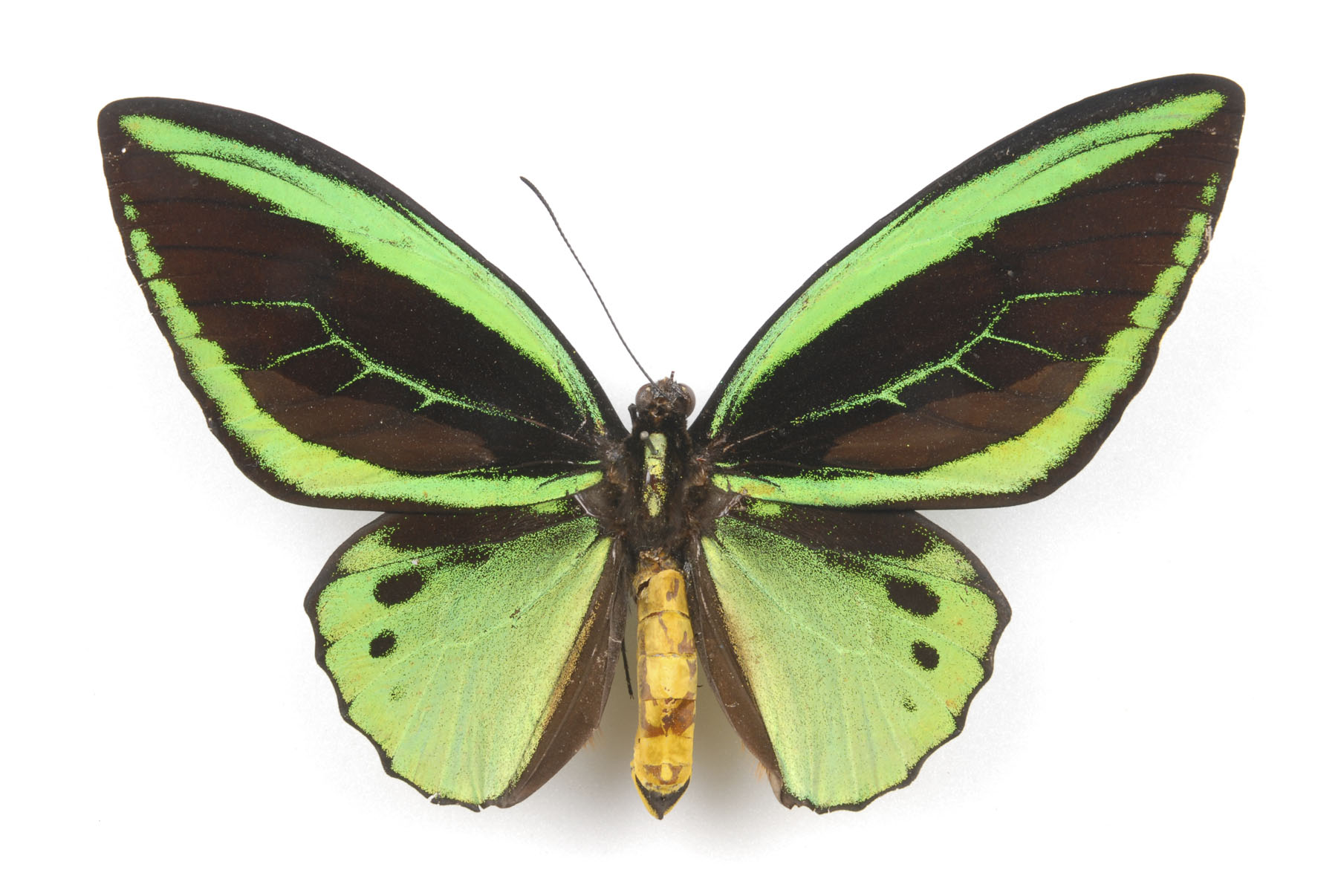
Working with natural science collections is quite a unique role. The specimens we care for, the stories they tell, the research we carry out or help facilitate, and the engagement with the public, are just a few rewarding jobs that we carry out daily. Sometimes there are barriers between those working with natural science collections and those at a higher management level. This is mainly due to a lack of understanding of the importance of these types of collections. “Why are there so many flies?“, “It’s just taxidermy, bring it out for people to stroke“, “It’s just a rock”. Just a few of things many of us have heard being said about natural science collections.

Whilst we can respond to these kinds of comments, some of us may find it more difficult to respond in a strategic way: in a language that makes sense to high level managers or funders. I have in the past, and I’ve found that frustrating, because I know the importance of the collections I look after. I was very pleased to be asked to review a new book about management of collections, focusing on strategy and development, Managing Natural Science Collections: A guide to strategy, planning and resourcing which was released this year and it couldn’t have come at a better time. A time when the country is recovering from an economic slump after the Covid pandemic. A time when cuts to the museum sector are inevitable.

Continue reading →
Our Top Ten Blogs of 2019

Written by Jennifer Gallichan, Curator of Molluscs & Vertebrates at National Museum Cardiff.

2019 was an interesting year for me as I took on the role of NatSCA blog editor. It has been a great year and I have very much enjoyed reading all of the articles from our amazing contributors. To celebrate this, I wanted to bring together a list of our top ten most viewed blogs from 2019 in case you missed any of them.

Top scorers this year include a surprising number of botanical articles, with four of the ten written by our plant loving colleagues.

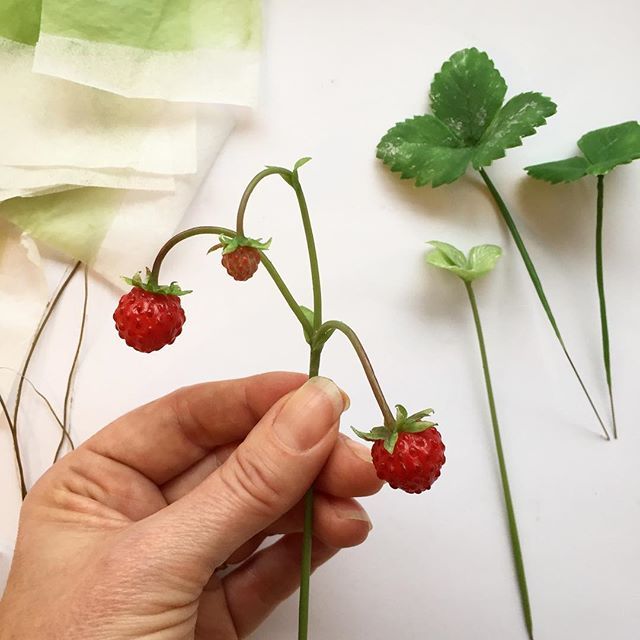
Strawberry fruits made from dressmaking beads coated in molten wax and attached to waxed wire stems. © Annette Townsend

Some of my personal favourites, although not top scorers, are actually two articles which we were kindly allowed to re-blog: Annette Townsend’s beautiful and mesmerising work in how to make a wild strawberry sculpture from honey bee wax, and John Wilson’s fantastic article about the orang-utan specimens sent to World Museum, Liverpool by Alfred Russell Wallace.

But, here are the top ten most read NatSCA blogs by your good selves…

Continue reading →

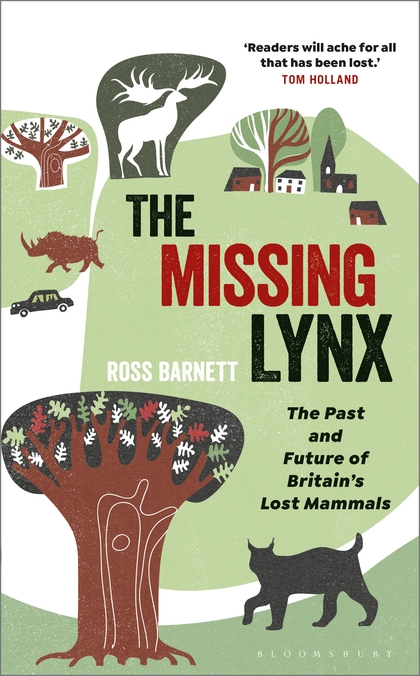
The Missing Lynx: The Past and Future of Britain’s Lost Mammals

Written by Jack Ashby, Manager of the University Museum of Zoology, Cambridge, and author of Animal Kingdom: A Natural History in 100 Objects.

A good title goes a long way, and based on that alone I was excited to receive a review copy of Ross Barnett’s new book through the post. I knew of Ross from Twitter – and I can heartily recommend following him for a whole host of natural history-related wonders, particularly around climate change, ancient mammal DNA and palaeontology. As a result, I was slightly surprised that he had written a book that I assumed – from the clever title – was about reintroducing the lynx to Britain.

That is, in fact, not what the book is about. Instead, it takes us species-by-species, chapter-by-chapter, through the incredible range of beasts that have disappeared from the British Isles in recent millennia (I should have paid more attention to the subtitle). We learn about the woolly mammoths and rhinos, the huge cave bears and their slightly smaller relatives, cave lions and cave hyenas, sabretooth cats, massive species of cattle and deer, as well as wolves, beavers and, yes, lynx. All of these stories are told in the voice of a person clearly fascinated and excited by the things he has been studying all his life, and with a dry sense of humour.

Continue reading →

Brexit and the Customs Union: The Practical Impact on Museums

Written by Clare Brown, Curator of Natural Science, Leeds Museums and Galleries.

Who knows where you are and when you are reading this and so this blog comes with a few provisos:

  • Really importantly this is NOT LEGAL ADVICE OR NOTICE. NatSCA has been asked to share information from Defra on this situation but if you need clarification please speak to Defra or a solicitor.
  • The information in this blog pertains to the movement of material between the UK and the EU, it does not apply to non-EU countries, or internal UK movement/material use.
  • The information in this blog is only relevant in the event of a so-called “no-deal Brexit”.
  • This blog was written in May 2019 and so any reference to “current” or “present” refers to this time.

© Leeds Museums and Galleries

With the UK in the EU, Convention on the International Trade in Endangered Species (CITES) listed species in Annexes B to D can be freely traded and moved within the EU. The main change, in the event of a no-deal Brexit, will be that you will need CITES permits to move CITES good between the UK and the EU for species listed in Annexes B to D.

Please click here for an up to date list of Annex B to D species.

Continue reading →

Global Biodiversity Collections: Becoming Part of the Open Data Community

Written by Isla Gladstone, Senior Curator Natural Sciences, Bristol Museums

On 13th March I travelled to Sofia in Bulgaria, my mind buzzing with questions about biodiversity data…

I had been awarded one of 30 funded places on the first training school of Mobilise, an EU initiative to mobilise data, experts and policies in scientific collections. More specifically, Mobilise is an EU COST Action: a bottom-up network funded over four years to boost research, innovation and careers by COST, an intergovernmental framework for European Cooperation in Science and Technology.

Digitisation and data management challenges in small collections promised new skills in the key basics of data quality and cleaning. It also offered a chance to meet colleagues from around the world, and connect to a bigger picture.

At a time of unprecedented human-caused climate change, biodiversity loss and environmental degradation, it feels more urgent than ever to connect museum collections to real-world change. Natural sciences collections offer precious opportunities here. Alongside huge potential to engage communities and inspire debate, specimens are unique sources of the scientific evidence urgently needed to unlock sustainable development solutions:

“There is more information about biodiversity in [the world’s] natural sciences collections than all other sources of information combined.” iDigBio

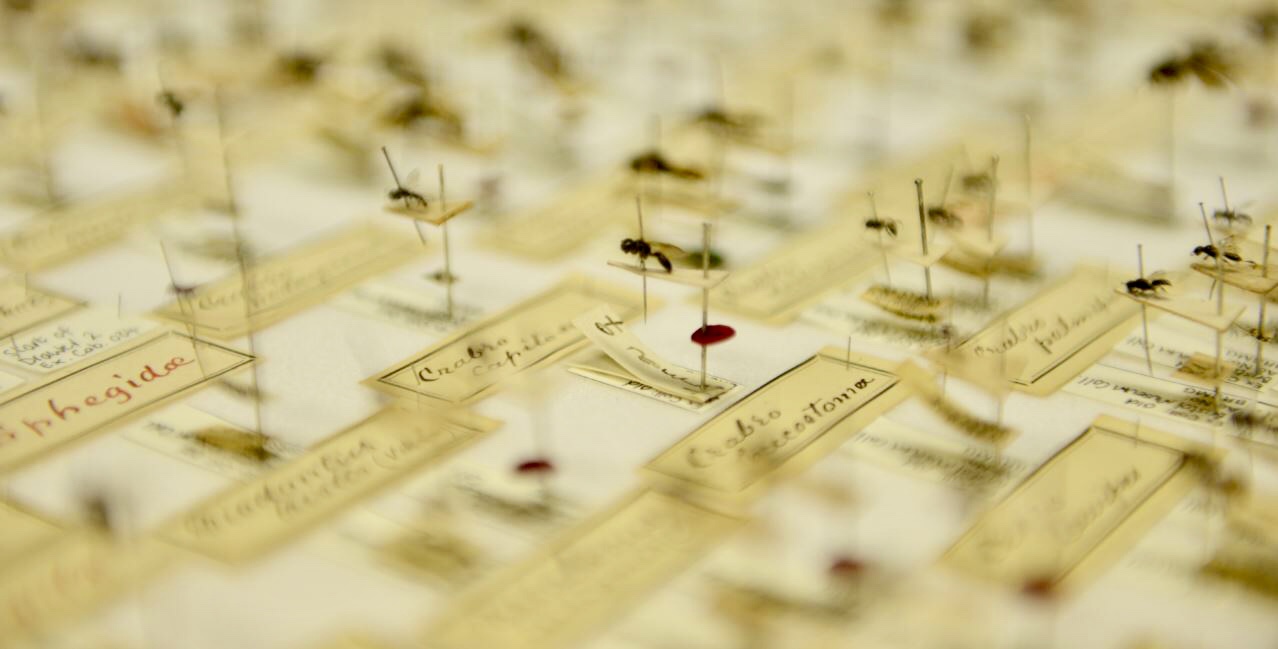
Collections’ biodiversity data: the what, when, where, who collected attached to many biological and palaeontological specimens © Bristol Museums

Continue reading →