NatSCA Digital Digest – January

Happy New Year, and welcome to the first Digital Digest of 2018. We have lots of news, conferences, and jobs to keep you entertained for the rest of the ‘working week’. Read on…

What Should I Read?

Palaeontologists have made public the discovery of a new giant bat found in New Zealand, and the media has gone mad for it. Its scientific name (Vulcanops jennyworthyae) was chosen to commemorate the Roman god of fire (specifically including that of volcanoes, making him rather relevant to New Zealand), as well as the hotel in the village in which it was found (also named after Vulcan – that is the Roman god, not Spock’s home planet), and the scientist who found the first fossils; Jenny Worthy.

If you’d like to know all about the Chair of the Geological Curators’ Group, Matthew Parkes, then a perusal of the new blog Six questions for a geological curator would be a good place to start.

The third blog article I’d like to recommend actually came out mid December but it has a lot of interesting points that are important for those working with natural history collections to consider, and so is worth another mention; Four ways natural history museums skew reality.

Continue reading

Meet the Committee – Roberto Portela Miguez

What is your role on the NatSCA Committee?

I have been the Secretary for the Society since 2014 and on the committee, since 2011. NatSCA and its membership have contributed significantly to my development as a curator and collection manager, so I am very grateful for the opportunity to serve the society in this capacity now.

Job title and institution

I am the Senior Curator in Charge for the Mammal Section at the Natural History Museum, London.

The Museum collection contains an estimated 500,000 mammal specimens and over 8,000 of those are type specimens. This makes it one of the largest and most comprehensive collections in the world.

Twitter username

@bertieportela

“Fashion is key for fieldwork” says Roberto

Continue reading

NatSCA Digital Digest – November

What’s been Happening?

The 2017 GCG Conference in Dublin was a resounding success. Our resident blogger Emma-Louise Nicholls has been co-opted onto the GCG committee – well done Emma!. I was unfortunately unable to attend the conference but I’m hoping that someone who did will volunteer a write-up for us.

Museums everywhere have been going all spooky for Hallowe’en. The Horniman Museum in Forest Hill turned their monthly lates event into the Bloody Late, a tour-de-force of spooky music and blood-curdling tours.

The Tetrapod Zoology Convention doubled the turn-out of previous years – made possible in part due to the venue change from the London Wetland Centre (near Hammersmith) to The Venue (near Holborn). NatSCA member Heather’s talk on the History of Zoos was great, as was our patron Ben Garrod’s account of working with David Attenborough and other windows into the world of TV science communication. There were lots of other great talks besides, which we will mention as we go along. The palaeoart workshop this year was mural-themed and presented an interesting challenge to create multiple species to scale across geologic time. My animal was a Microraptor, which I drew in the foreground because it was so small. Other people had sauropods in the background and they were still so big they were escaping the paper in places. Several write-ups of this event have been made – you and find some of them here and here. If you want to be kept informed about next year’s TetZooCon, I encourage you to join the Facebook group – they already have all the speakers lined up for next year if it remains a one-day event. They might stretch it to two if there’s enough interest.

Continue reading

NatSCA Digital Digest – July

What Should I Read?

If you like a good nose, the second part of TetZoo’s Elephant Seal article has just been published, which you can read here. And here is a thoughtfully placed link to the first part in case you missed it and wanted to catch up.

For a fun bit of ‘history of natural history’, this article is all about the secret that the Natural History Museum’s blue whale has been hiding since the 1930s, unknown to anyone until it’s recent clean prior to the big unveiling next week. Those naughty conservators… chuckle.

Whilst some of this article raised my quizzical-shark-scientist’s-eyebrow, such as the scale bar for instance, researchers believe they have uncovered a big clue as to why the Megalodon went extinct. Definitely worth a read if, like everyone, you like sharks. Although this article came out in January, it is receiving media attention at the moment so I thought I’d treat you to it.

Continue reading

NatSCA Digital Digest – June

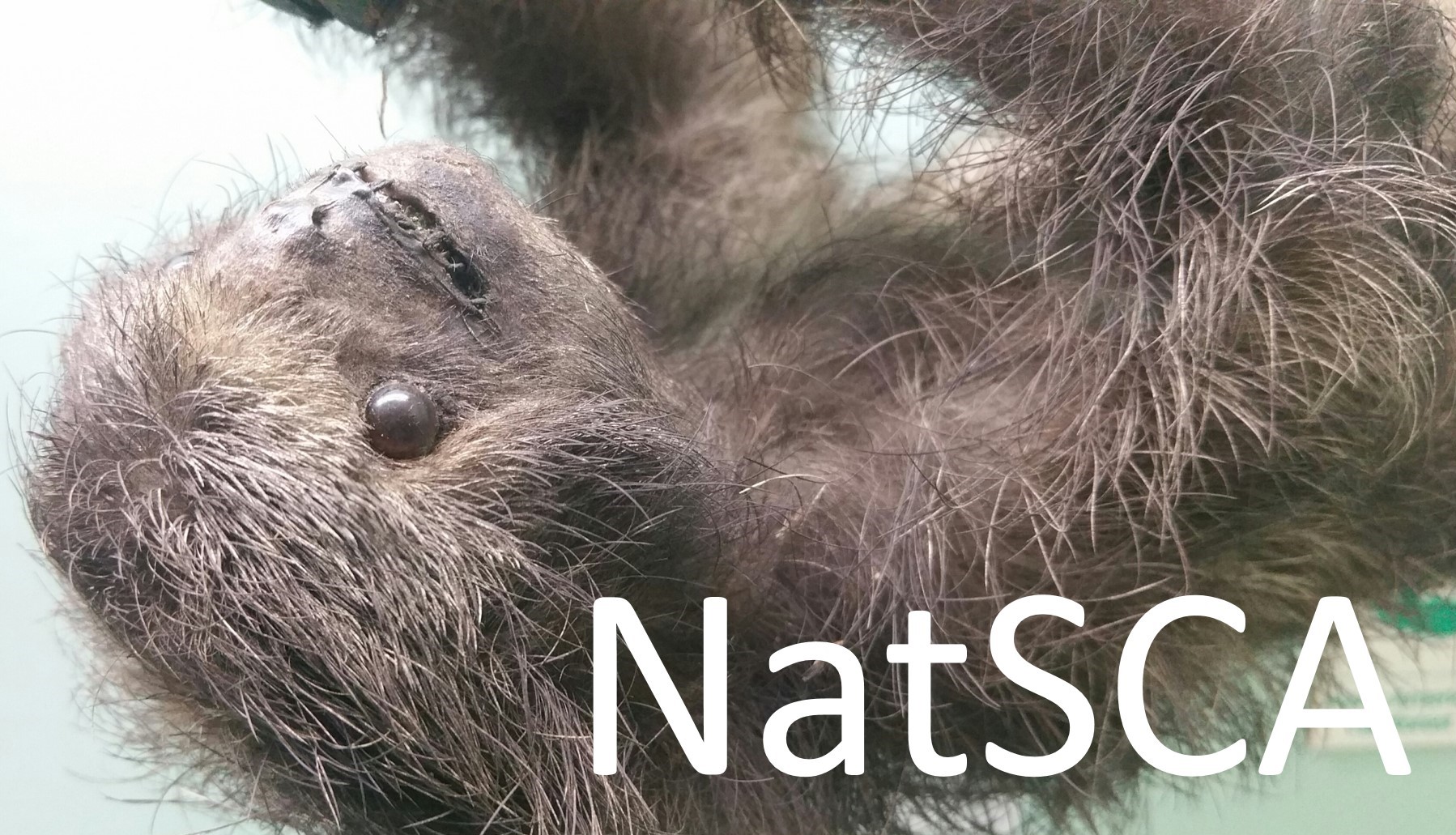
Three-toed sloth (C) Horniman Museum and Gardens

What Should I Read?

Four new dinosaurs all under one article, plus a good reason to check what’s in your museum stores more carefully. Dr Dave Hone introduces a cavalcade of new giant dinosaurs.

We all want to live in a perfect world where all museum records are available online, so why don’t we just digitise everything huh? Peel Art Gallery, Museum and Archives tackles The Question so many of us seem to get asked: Why don’t archivists digitize everything?

Not so much a blog or article to read, but definitely something to have a quick look at for it’s wow factor alone. If you’re looking for inspiration for your next event, be it for children or adults, it doesn’t come much better than these balloon animals and insects. These incredible balloon sculptures are by artist Masayoshi Matsumoto, and are just amazing. Continue reading