NatSCA Digital Digest – February

What’s New?

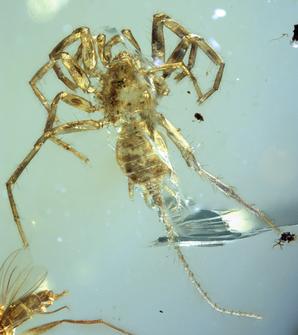
If you haven’t heard about the exciting discovery of a “spider-like” ancient creature from 100 million years ago, now is the time to check it out! Named Chimerarachne yingi, this little beauty has eight legs and a tail, and is exquisitely preserved. I only wish H. R. Giger had been around to see it. You can read more about the discovery here.

Chimerarachne (Image in public domain)

It’s day three of Operation Move Sue the T. rex over at the Field Museum. To follow this story, follow #SueOnTheMove.

What Shall I Attend?

The big item on everyone’s calendar is of course the NatSCA Conference 2018 – this year hosted in Leeds. Keep the dates 26th and 27th April free. I’m hoping people bring their live-tweeting A-game this year because I’m not able to go, so I need to live vicariously through you wonderful people. You can find more information on our website. Paper and poster submissions are now closed but you can still contribute; continue reading to the next section for more information.

Continue reading

The Stag and Jackdaw are Clearly Talking to Each Other

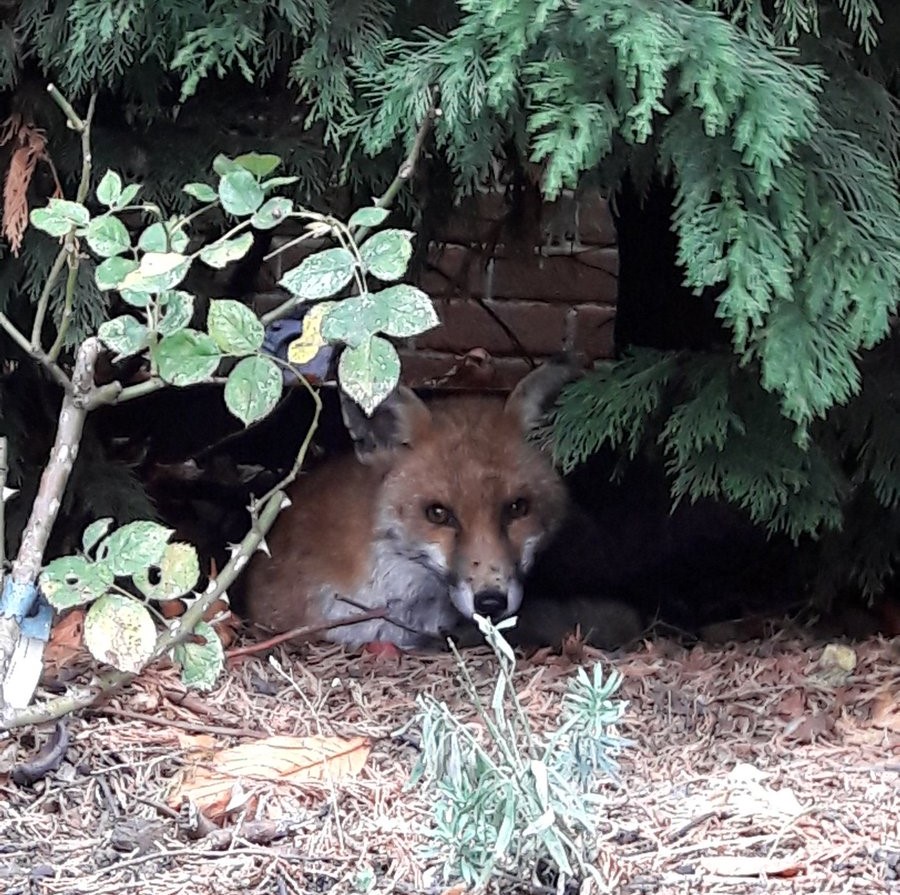
I see urban red foxes quite regularly in London

Although I have lived in England all of my life, I have travelled a great deal and been exceptionally lucky to see some absolutely incredible wildlife, right across the world. With the memories of these exotic beauties in my mind, I think it’s probably natural to feel that Britain is left wanting when it comes to enigmatic fauna.

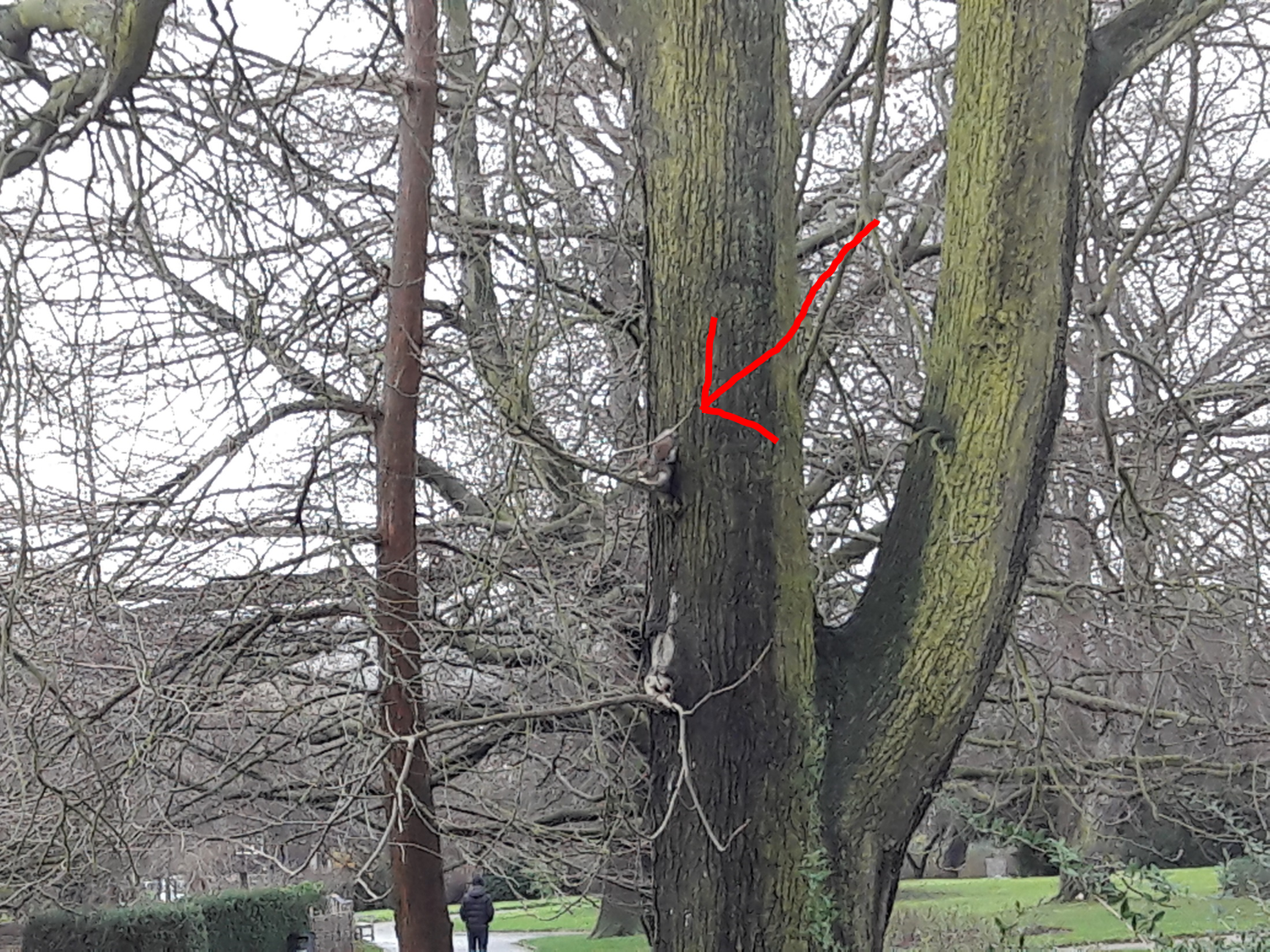
But then again, every so often I come across something that re-minds and re-amazes me just how much diversity we actually have, and how harsh my aforementioned critical analysis probably is. To win the most prestigious accolades for wildlife photography (on my bucket list), I may need a camera slightly better than the frankly awful smartphone I possess (currently sporting a smashed screen, which can’t help), but I don’t necessarily need to leave this little island. The current British Wildlife Photographer Awards prove I wouldn’t even need to leave my garden (if I didn’t live in London and could afford a property that had one). Squirrels are one of my favourite animals in Britain and luckily for me I get to see big fat fluffy grey ones nearly every day (yes yes, they’re not endemic… Doesn’t mean they’re not cute). Check out these epic photography skills, taken THROUGH a window no less:

Probably not going to win an award with this one.

Continue reading

Top Ten Most Read Blogs of 2017

This year has been a riotous 365 days of wolves in dresses, spiral poo, and googly-eyed owls, and that’s just the tip of the iceberg. We’ve had more articles (up by *84%* on 2016) (that number surely requires bold text), more comments, more feedback, and most importantly- more authors than ever before. The NatSCA blog is clearly the place to find stupendous stories, pretty pictures, wondrous wisdom, and… alluring alliteration it seems. To round up 2017, we have identified the top ten most read blogs of 2017, and, because we are super nice, we have even included links to save you searching for them and facilitate your viewing pleasure. You’re welcome, enjoy, and…

Happy New Year to you all!

The top ten most read blogs in 2017:

1- The curious life of a museum curator

2- Neither a Borrower Nor a Lender Be?

3- Stirring the hornet’s nest – are natural science collections even legal?

4- National Gorilla Day! (or Racist Skeletons in our Closets)

5- Private Bone/Taxidermy Collection: The Good, The Bad and The Illegal

6- Famous Flies – Petiver

7- Top Ten Most Read Blogs of 2016   (curiously)

8- It’s All In The Subconscious

9- Making Nature; at Wellcome Collection

10- What is a museum curator made of? Slugs and snails and puppy dog tails, and then some…

The number of blogs that have been published through NatSCA this year is the highest we’ve ever had, but next year we want to beat that record so do get in touch with your idea/s if you would like to submit an article to us. You don’t have to be a professional in natural history, as blogs are relatively informal by nature (no pun intended), it just needs to be related to a natural sciences subject which, let’s face it, with the right twist can encompass just about anything. So drop us an email, or peruse the guidelines and then send us a submission; blog@natsca.org. We look forward to hearing from you after you’ve recovered from the turkey and mince pies.

Written by Dr Emma-Louise Nicholls, Deputy Keeper of Natural History at the Horniman Museum and Gardens and NatSCA Blog Manager.

Meet the Committee – Roberto Portela Miguez

What is your role on the NatSCA Committee?

I have been the Secretary for the Society since 2014 and on the committee, since 2011. NatSCA and its membership have contributed significantly to my development as a curator and collection manager, so I am very grateful for the opportunity to serve the society in this capacity now.

Job title and institution

I am the Senior Curator in Charge for the Mammal Section at the Natural History Museum, London.

The Museum collection contains an estimated 500,000 mammal specimens and over 8,000 of those are type specimens. This makes it one of the largest and most comprehensive collections in the world.

Twitter username

@bertieportela

“Fashion is key for fieldwork” says Roberto

Continue reading

Making the Most of a Move

Making the Most of a Move: Geological Curators’ Group Conference, Day Two

We like to share the goodies in the field of natural history, so in the first ever cross-over of its kind, Part I (comprising Day One) of this blog can be found over on the Geological Curator’s Group website. No need to take the time to google it, let me give you a hand over there.

Night Early Morning at the Museum

The only thing that beats going to a natural history museum is visiting it when you’re not meant to be. The trump card of such a visit, is when you’re allowed to go to parts of the collections, not normally accessible to the general public. After a day in the lecture theatre, the 35+ members of the “Making the Most of a Move” conference assembled the following morning outside the Natural History gallery of the National Museum of Ireland, in order to tick off every one of the above, on the Museum Treats Bingo Card*.

Continue reading