Giant Sequoia at the Natural History Museum

Written by Lu Allington-Jones, Senior Conservator & Chelsea McKibbin, Conservator, at the Natural History Museum, London.

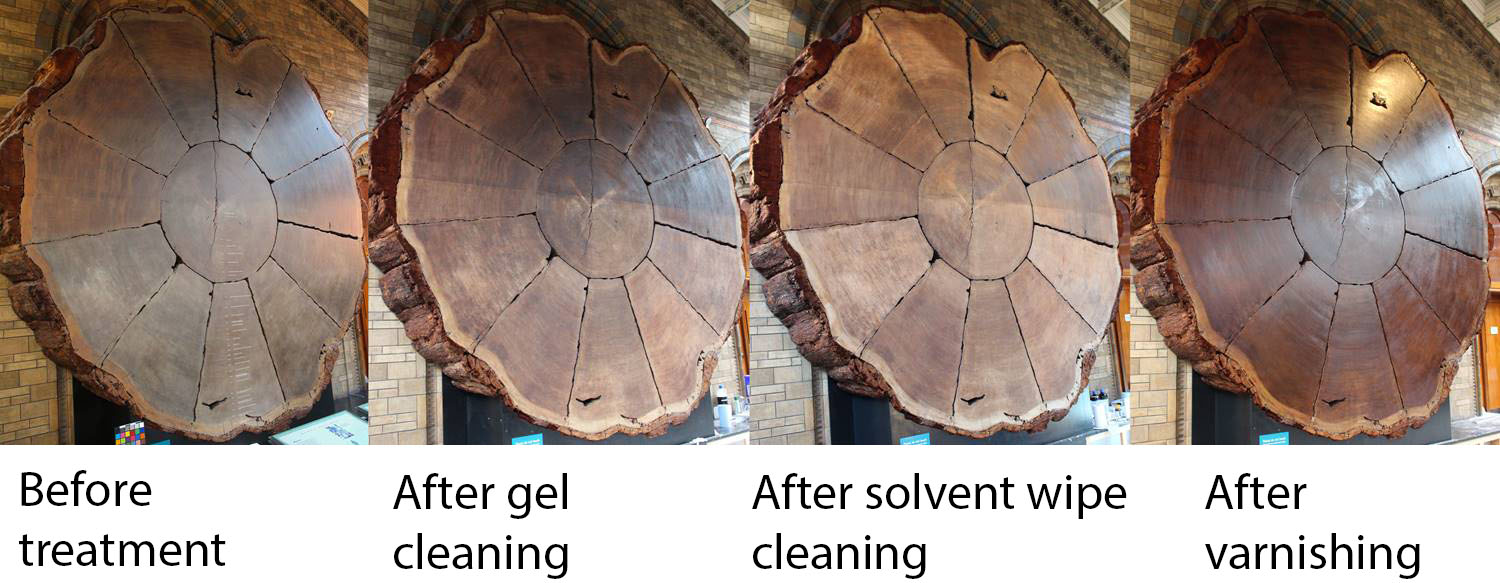
In 2016 a team undertook conservation of the slice of giant sequoia tree which is on display in Hintze Hall of the Natural History Museum in London. Following condition mapping, the treatment involved dry cleaning, removal of the old varnish with solvent gel and applying a fresh coat of varnish. A time-lapse video was taken of the whole process, which spanned 12 weeks, and can be viewed at the end of this post.

Figure 1. The stages of treatment

The Specimen

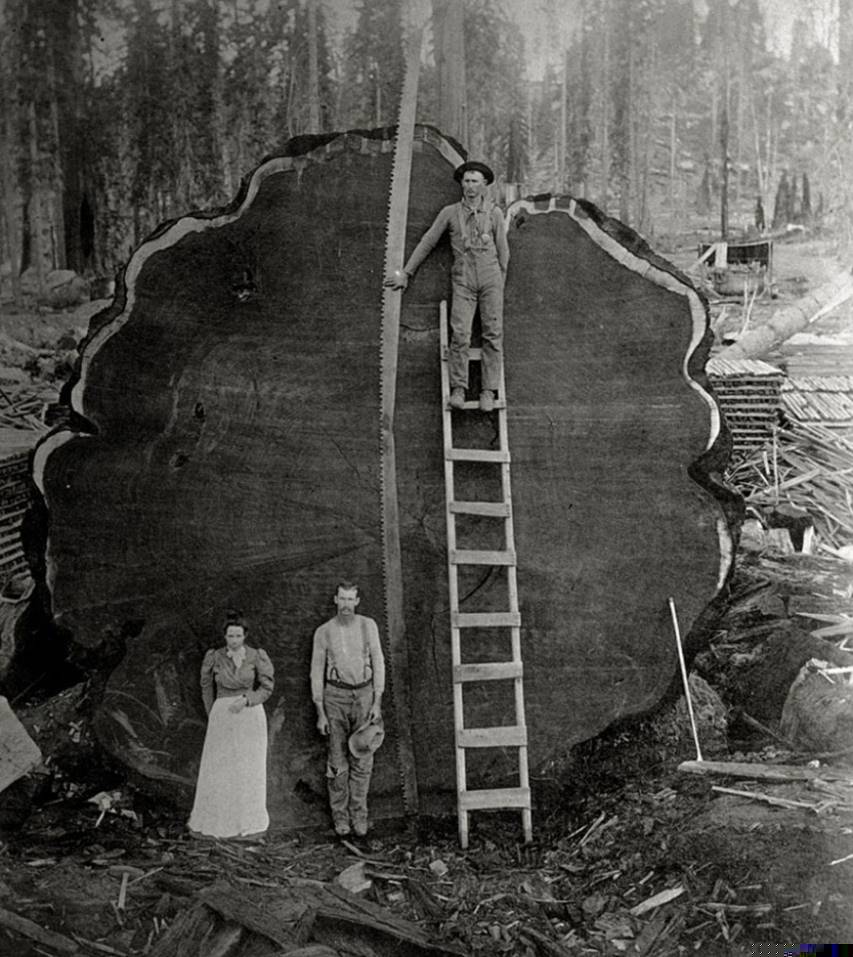
The giant sequoia (from Kings Canyon National Park, California, USA) was felled in 1891 at the age of 1,341 years. It had been 101 m tall and just over 5 m in diameter. Two sections were cut for display. The bottom and slightly larger one was sent to the AMNH while the top section was split into 12 pieces: one central disc and 11 radial segments to enable shipping to the UK. They arrived at the South Kensington site in April 1893.

Figure 2. The tree when it was felled

The giant sequoia section went on display the following year, in one of the bays of the central hall. It was moved in 1902 to stand against the wall dividing the north and central halls, and again in 1971 to its current location on the second-floor balcony.

Continue reading →

Brendel Plant Model Survey

Written by Donna Young, Curator of Herbarium, World Museum, National Museums Liverpool

Inspired by the project led by the Corning Museum of Glass, which looked at holdings of Blaschka models, I am embarking on a project to map and document collections of Brendel botanical models worldwide.

The objective of this project is not only to provide a useful resource to be used in the curation of anatomical models, but to document their past and present use – promoting and bringing awareness of these collections to new audiences.

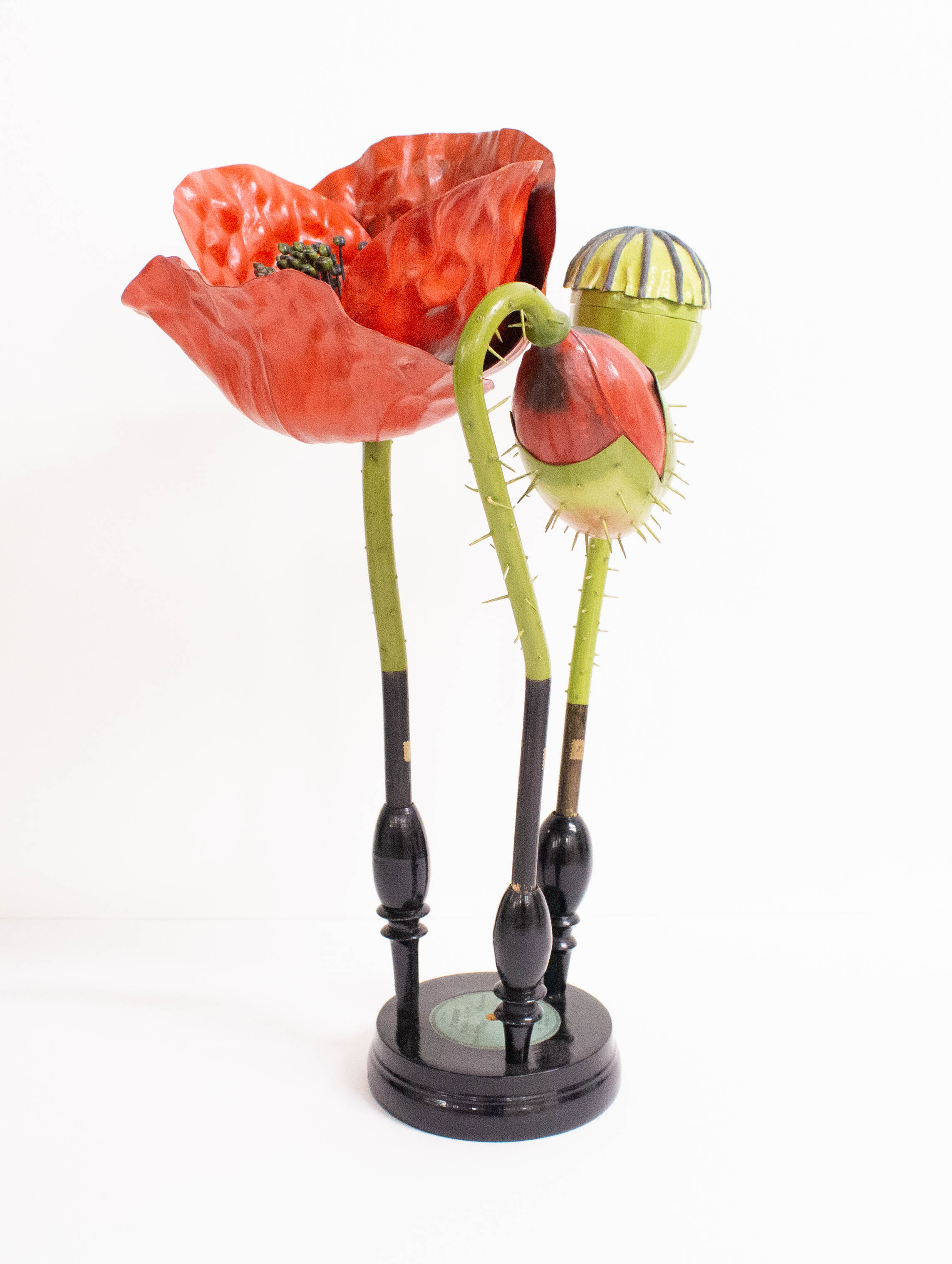
Brendel model Papaver rhoeas
© National Museums Liverpool, World Museum

Anatomical Models

The nineteenth century was the golden age of scientific discovery, and as the century progressed, the teaching of science in schools, academies and museums evolved to reach a new mass public audience. Science was no longer the exclusive preserve of an elite few.

Changing teaching techniques promoted this transformation and pedagogical inquiry was seen as a constructive and involved way of learning. The written and spoken word was supported by the use of visually instructive wall charts and classroom demonstrations. The introduction of interactive teaching models encouraged audiences to understand nature using new and original perspectives.

Botanical models were used to illustrate and demonstrate plant anatomy. Unlike living material, their use was not restricted by seasonal availability and they were ideal for demonstrating small or ephemeral details which are difficult to preserve.

In 1827 Louis Auzoux established his workshop in France, manufacturing human and veterinary anatomical models from papier-mâché. The company also produced botanical models, which were widely distributed to universities and schools in France, particularly to support the expansion in teaching agricultural science.

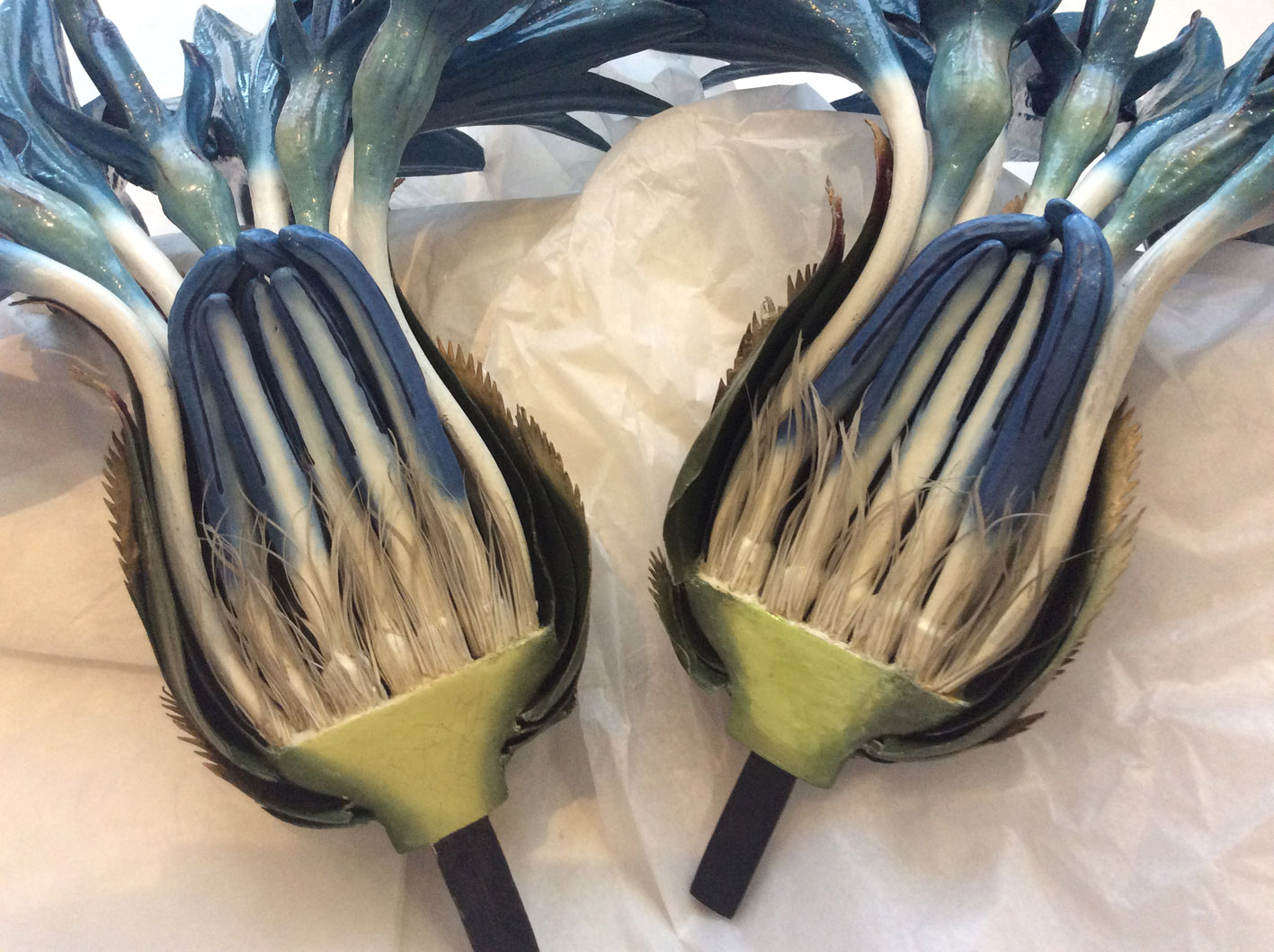
Brendel model Centaurea cyanus ‘dissected’
© National Museums Liverpool, World Museum

Continue reading →

Beauty in the Eye of the Turtle Holder

Written by Becky Desjardins, Senior Preparator, Naturalis Biodiversity Center

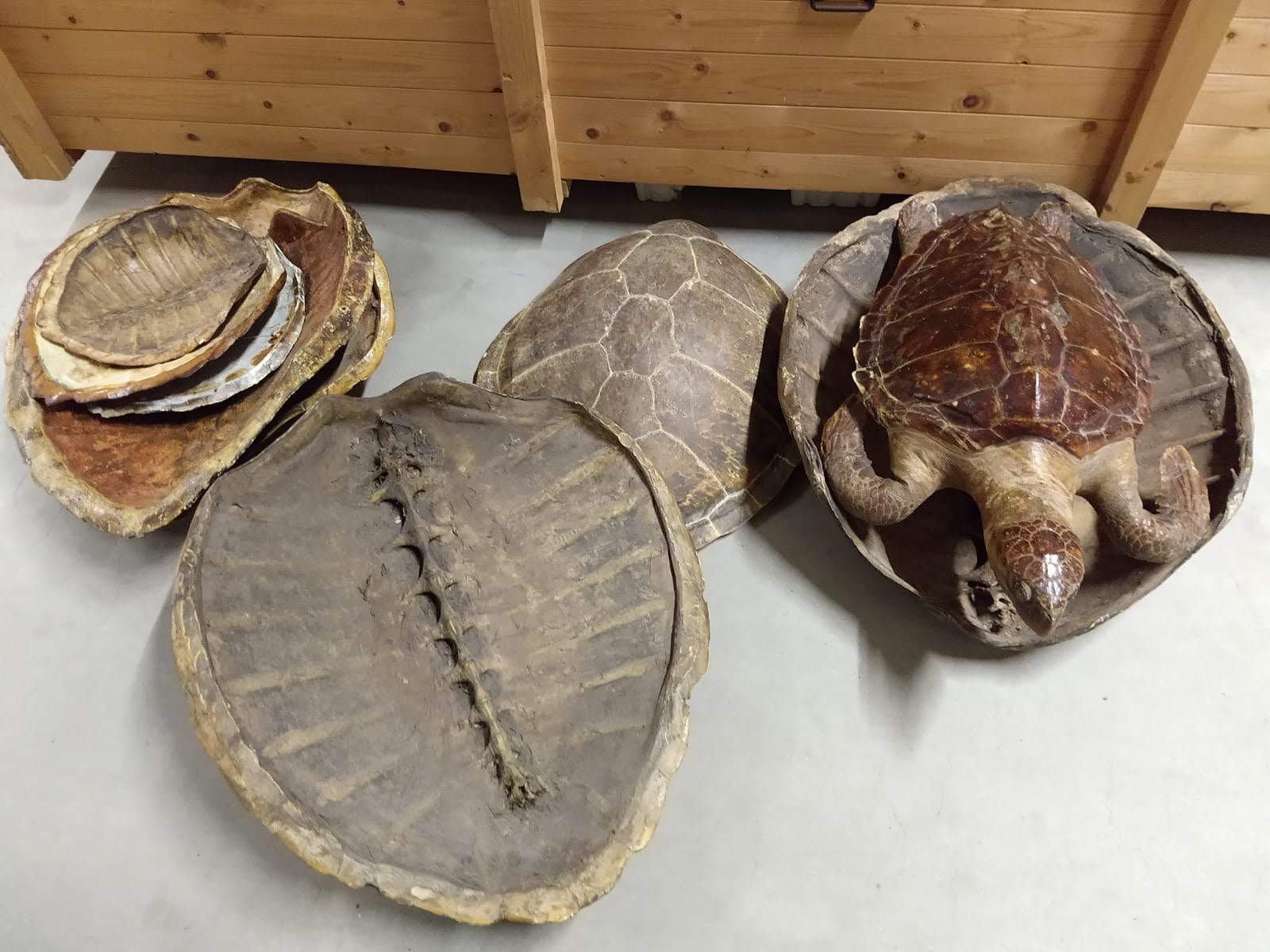
Recently, we were cleaning up some mounted turtles and turtle shells destined to go in the new Live Science Hall. All of these came from Amsterdam Schipol airport, where they had been confiscated by customs agents.

© Becky Desjardins

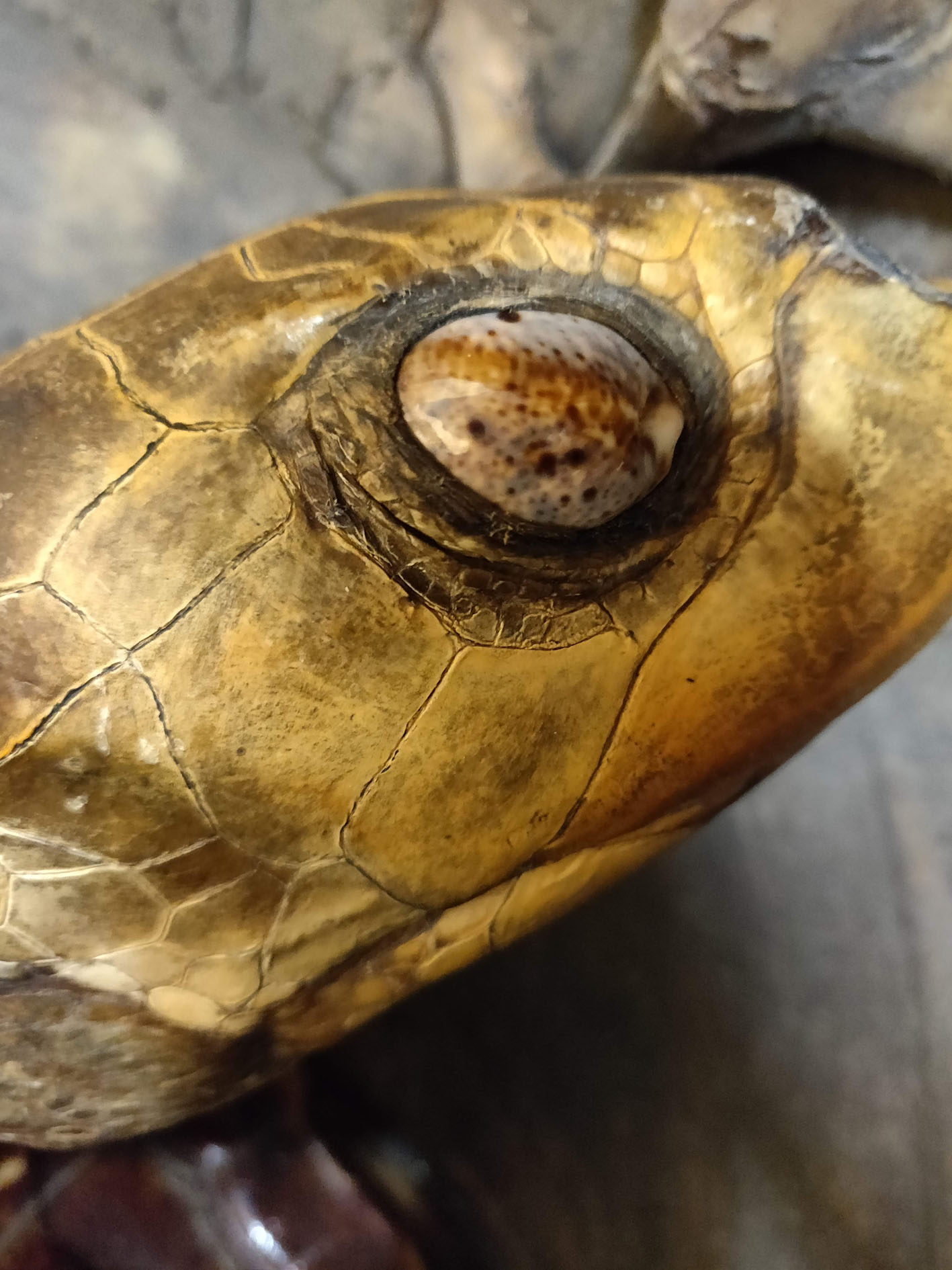
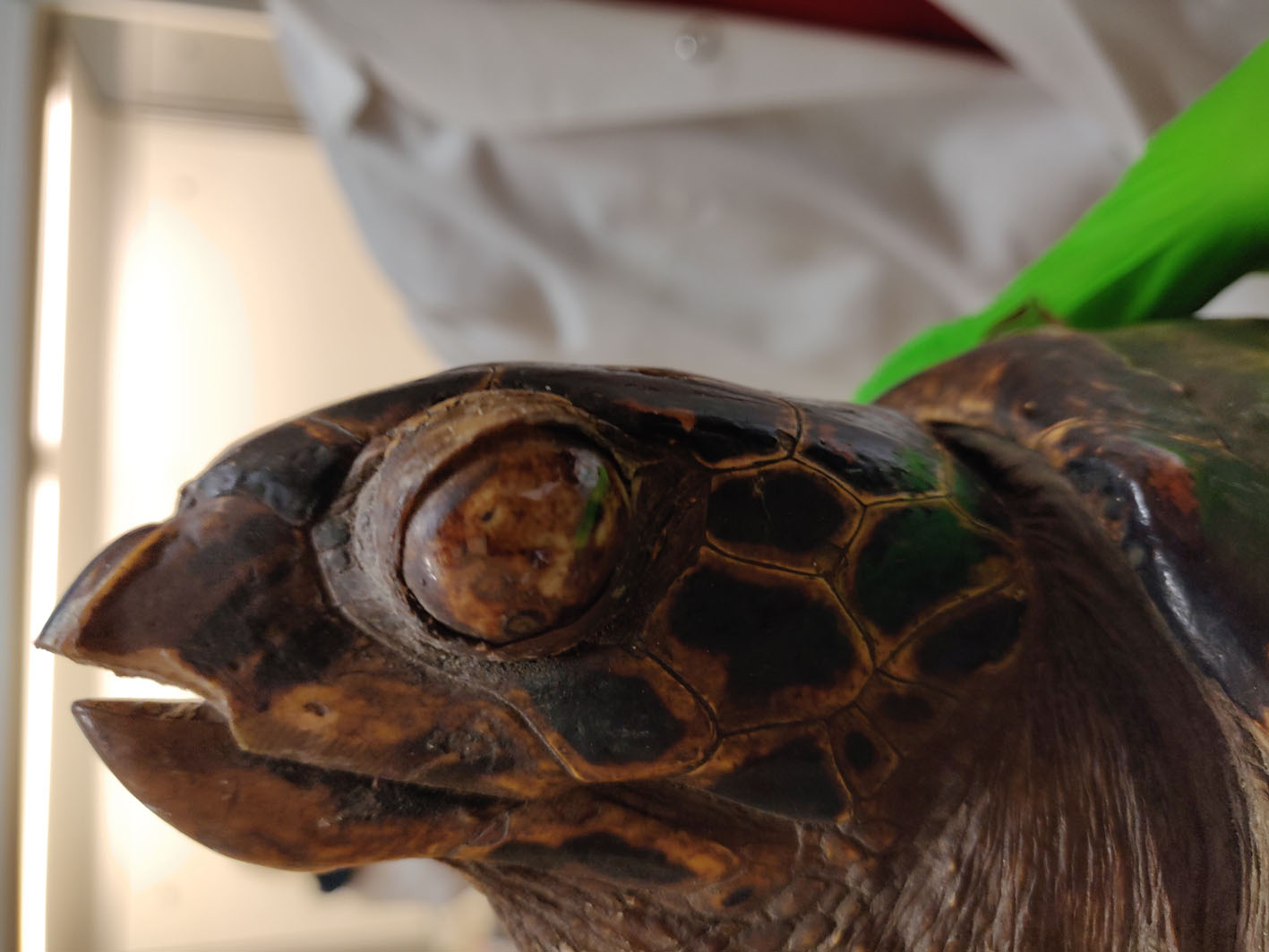
When taking a closer look at these animals we noticed that none of these specimens had the normal glass eyes used in taxidermy. Instead they were made of other materials less commonly used for mounting animals.

Quite a few of the turtles had eyes made from shells. Some appear to be cowrie, but we could not identify them all, and a few other shells were painted black making them impossible to identify.

© Becky Desjardins

© Becky Desjardins

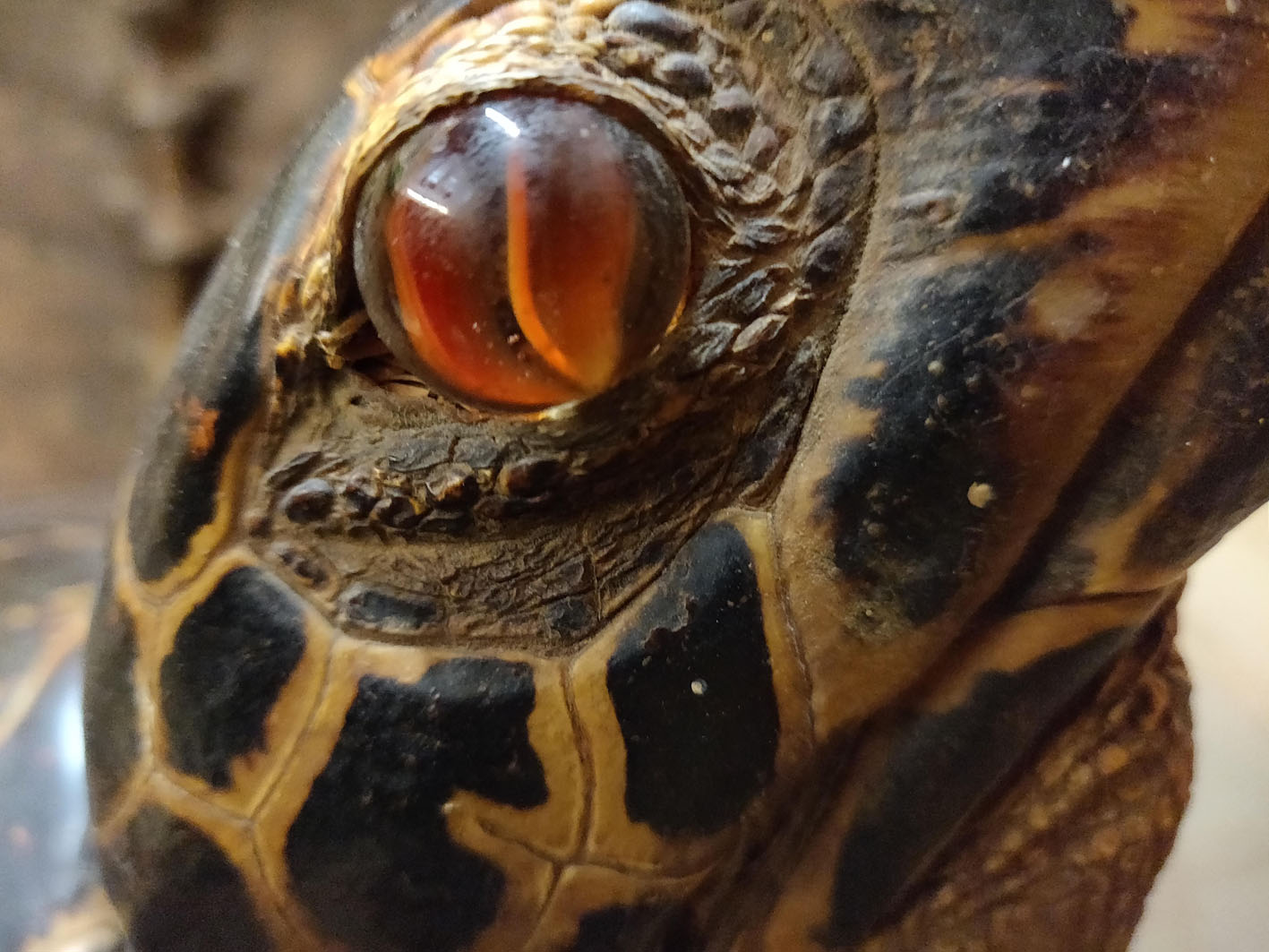
Then we came across one turtle with a glass eyes made from a marble. Funnily enough, they used a “cat’s eye” marble and the coloured core actually made the eye look quite lifelike.

© Becky Desjardins

Continue reading →

The formerly googly-eyed owl

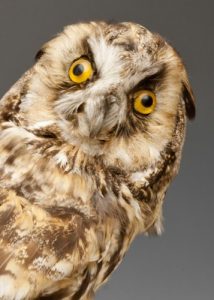
The long-eared owl: BEFORE. LDUCZ-Y1604

In a move unprecedented in Specimen of the Week history, I have chosen to blogify the same specimen as I selected in my last Specimen of the Week. The reason is that in many ways it is not the same specimen as it was six weeks ago: it has undergone a profound transformation. We used to call this specimen “the googly-eyed owl”, due to its comedy wonky eyes, but it is googly-eyed no longer. This week’s Specimen of the Week is…

Continue reading →

How ‘The Beetles’ Changed my Life

Beetles are one of the most successful groups of organisms on the planet. In the UK there are over 4000 species, compared to fewer than 600 wild bird species and around 90 mammal species. Beetles are critical to the health of many habitats, through their roles as feeders on plants and fungi, recyclers of animal and plant debris, and as predators.

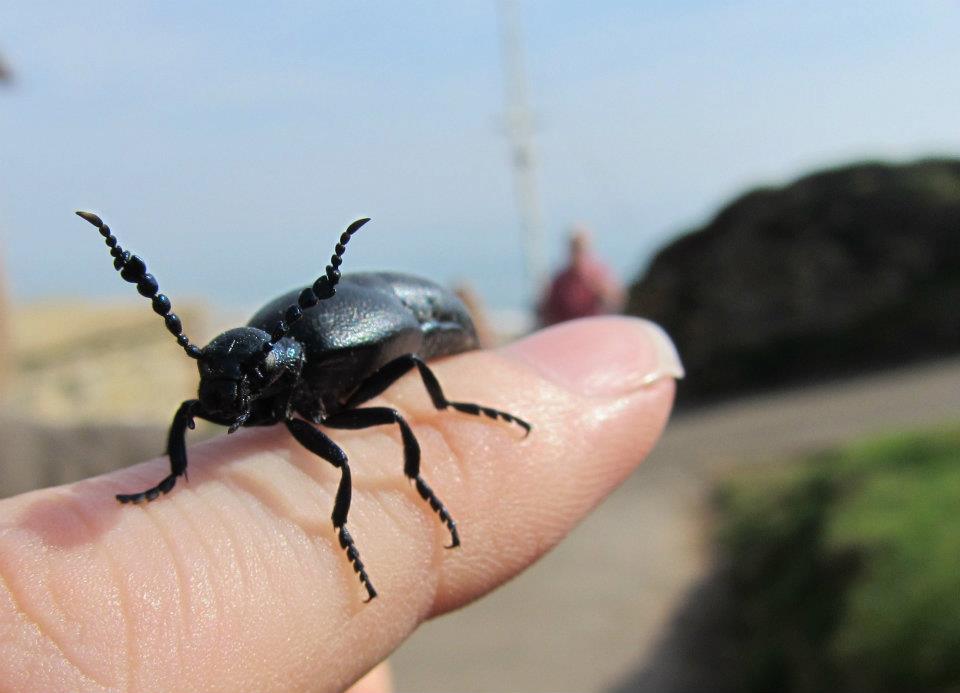
When I first began volunteering with natural science collections at Plymouth City Museum, I occasionally assisted local entomologist Peter Smithers of Plymouth University, who regularly ran ‘Bug Hunts’ with schools around the Devon and Cornwall area. It was here that I came across some of my first beetles. In 2010, whilst walking along the South West Coast Path near the chalk cliffs at Beer, I found a black beetle with a vinyl-like sheen. It was beautiful, but unlike anything I had seen before. I later discovered that it was from a distinctive group called Oil Beetles (Meloidae), which possess one of the most extraordinary life cycles of any UK insect: they are nest parasites of solitary mining bees such as Andrena, Anthopora, and Lasioglossum.

After a female Oil Beetle lays her eggs in a nest hole, the larvae (known as triangulins) wait on a plant until they can attach themselves to a passing bee, using hooks on their feet. The larvae then eat the stored pollen and nectar in the bee’s nest. The strategy means minimal effort from the adult female in raising her young, and the larvae have all the food they need.
Black Oil Beetle (Meloe proscarabaeus)

Black Oil Beetle (Meloe proscarabaeus)

At the time of my discovery, Buglife was leading the way in trying to understand the state of Oil Beetle populations in the UK, which had suffered severe declines over the past 100 years. With four species believed to be extinct already, there was an urgent need to understand the distribution of the remaining Black, Violet, Rugged and Short-necked Oil Beetles. Buglife launched an Oil Beetle Recording Scheme to map their distribution and engage people of all ages through citizen science.

The survey results have enabled Buglife to learn more about the habitat preferences and hosts of the remaining species, and gain a better understanding of the health of the UK landscape, as Oil Beetles are restricted to wildflower-rich habitats, unimproved coastal grasslands, and woodland edges. Two species of Oil Beetle that were believed to be extinct in the UK have been re-discovered. The Short-necked Oil Beetle was found in South Devon in 2006, before a much larger second population was found on the Isle of Coll in Scotland in 2010. The rare Mediterranean Oil Beetle was found on the same Devon site in 2012, having been last recorded in Kent in 1906.

The efforts of Buglife, local recorders and naturalists have produced valid records to create time series of biodiversity data. Museum collections can also provide useful time series data for conservation efforts, based on specimen label data in terms of location and distribution in a given year. Where a species has been recorded in a particular place and time, we can perhaps find relic populations or sites for reintroduction.
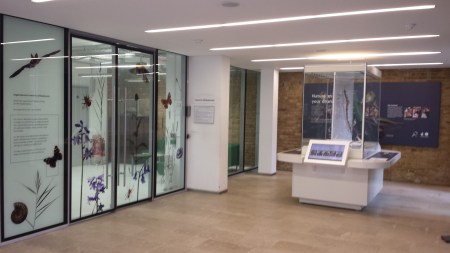
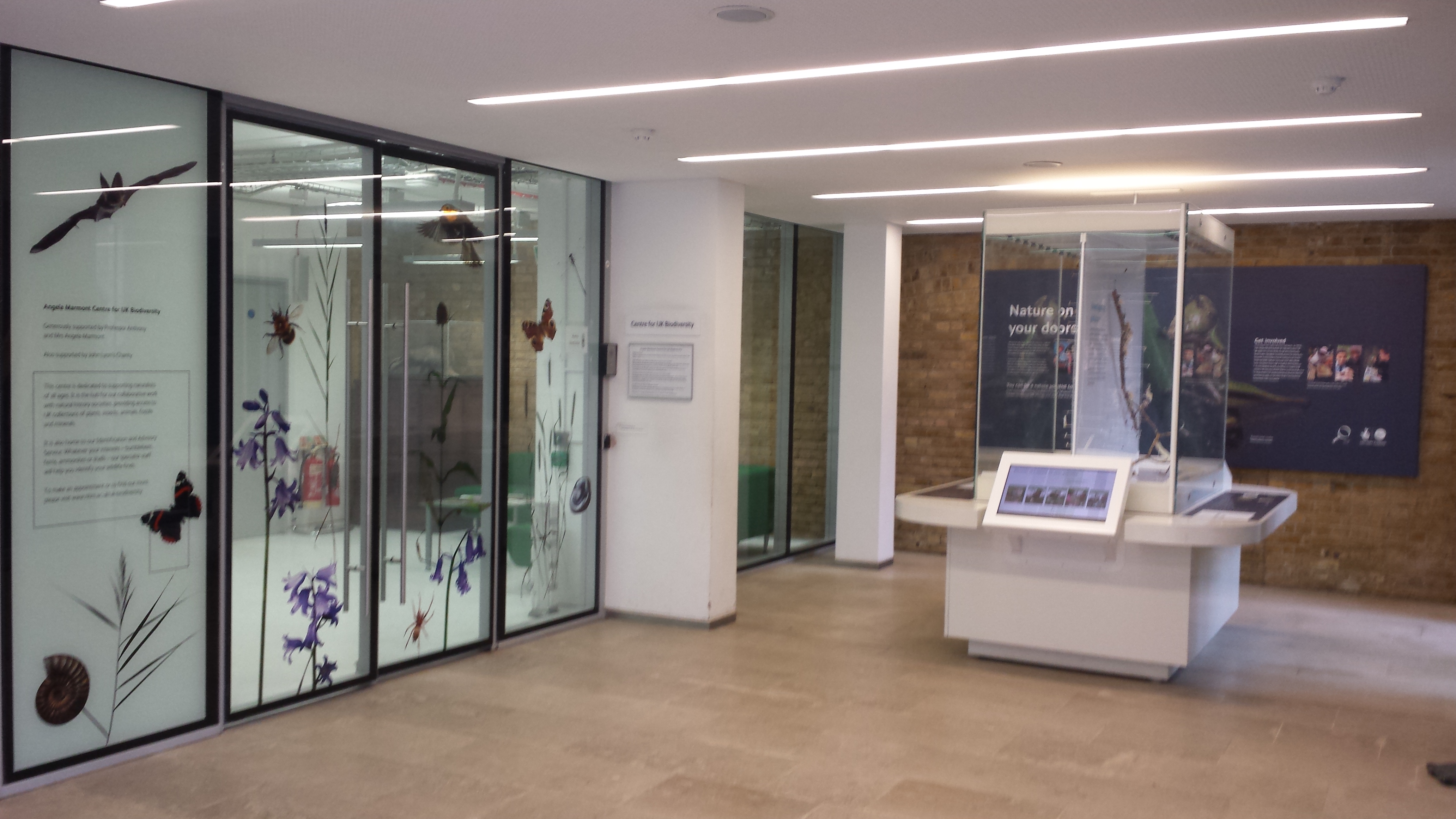
Interior of the Angela Marmont Centre, NHM

Angela Marmont Centre, NHM

It was my interest in Buglife’s Oil Beetle recording scheme that led me to recently join the Natural History Museum’s Angela Marmont Centre for UK Biodiversity (AMC) as an Identification Trainee. The AMC provides world-class facilities in the museum’s Darwin Centre for citizen scientists, as well as expert and amateur naturalists, to enable them to identify UK species using the AMC’s extensive reference collections. Working here is brilliant, and I hope to be trained to identify the key UK biodiversity groups, gain more practical experience of surveying UK wildlife, assist the AMC team in developing citizen science projects based around museum collections, and continue to develop collections management experience through curatorial projects.


Anthony Roach
Skills for the Future Trainee & Science Educator
NHM