Trials From The Riverbank: Conserving a Taxidermy Otter

Written by Jen Gossman, MSc first year Conservation Practice student at Cardiff University.

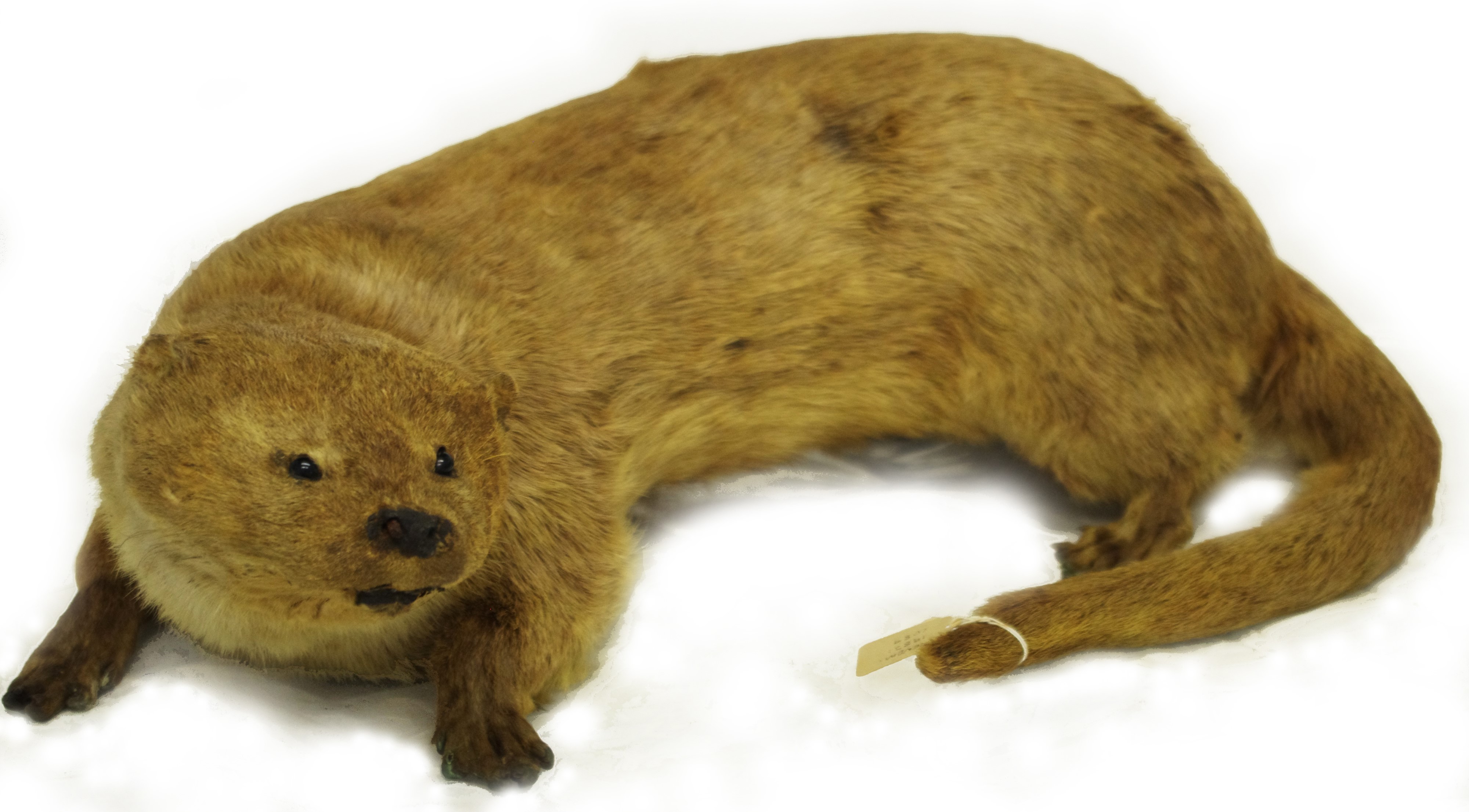
Otter mount © Jen Gossman

I received a mounted taxidermy otter in still life pose without a base from the Tenby museum, Wales where it had been in long term storage wrapped in Tyvek. On initial examination it showed some skin shrinkage and was covered in a thick layer of dirt, grease and dust.

Continue reading

‘Tahemaa Transformed’ The Conservation of the Mummy Coffin at The Bournemouth Natural Science Society.

Written by Bethany Palumbo, ACR, Founder and Owner of Palumbo Conservation Services on behalf of the Bournemouth Natural Science Society.

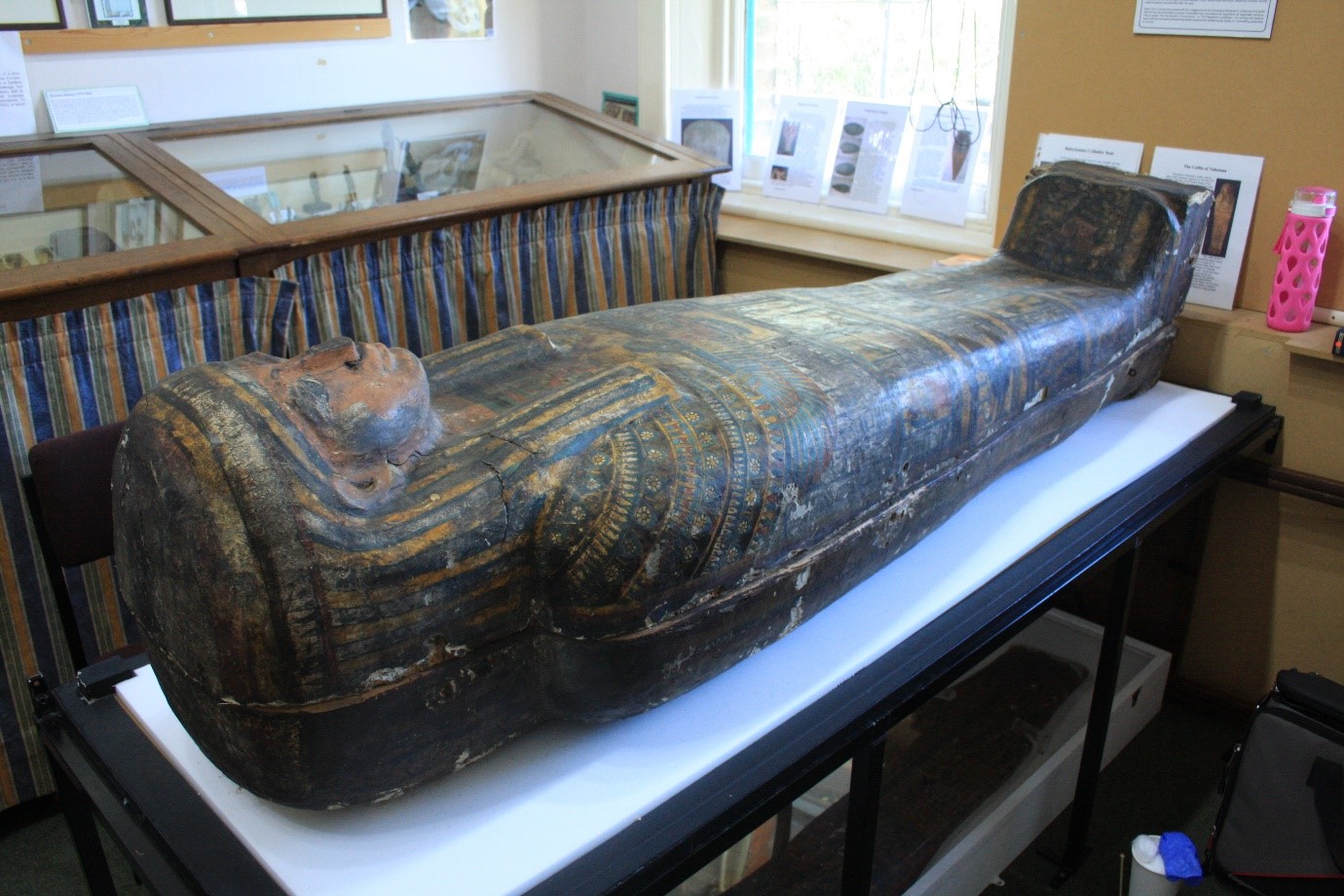
Tahemaa has been a resident of the Bournemouth Natural Science Society since 1922, when she was donated from the Salisbury museum (fig. 1). New research indicates that she arrived in the UK in 1823 from the ancient city of Thebes, now known as Luxor, on the river Nile. Her coffin is dated from 700 BC making her approximately 2700 years old. We know from the hieroglyphics on the side of her coffin that she was the daughter of a Hor a high priest of Montu, the Flacon-God of War. Other than this we know very little about her and her life in Egypt.

Figure 1. Tahemaa the Mummy at the Bournemouth Natural Science Society.

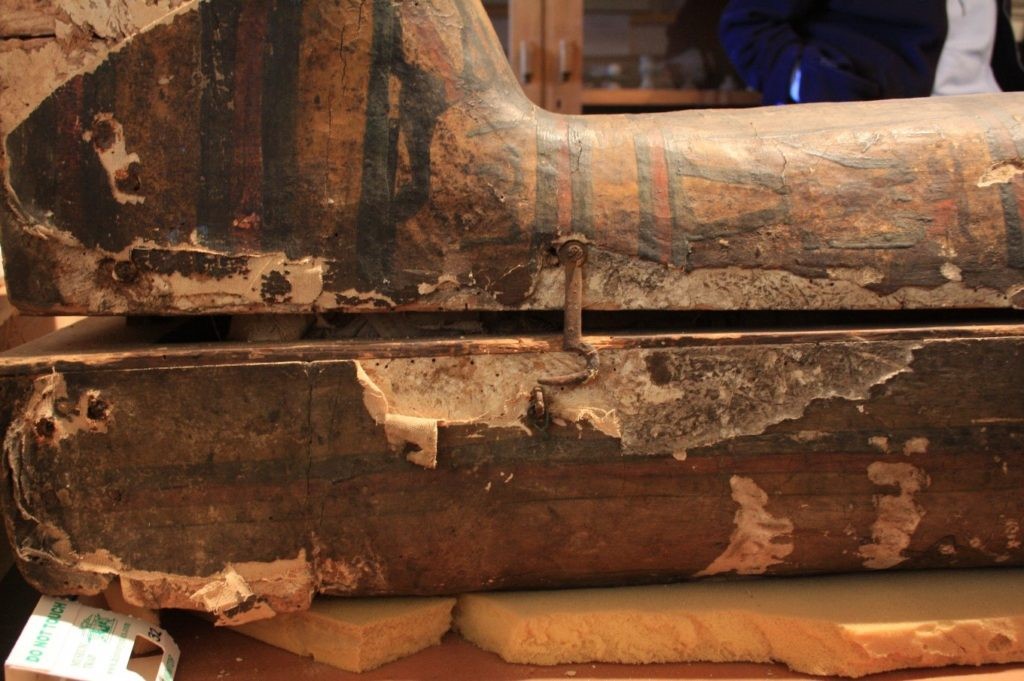
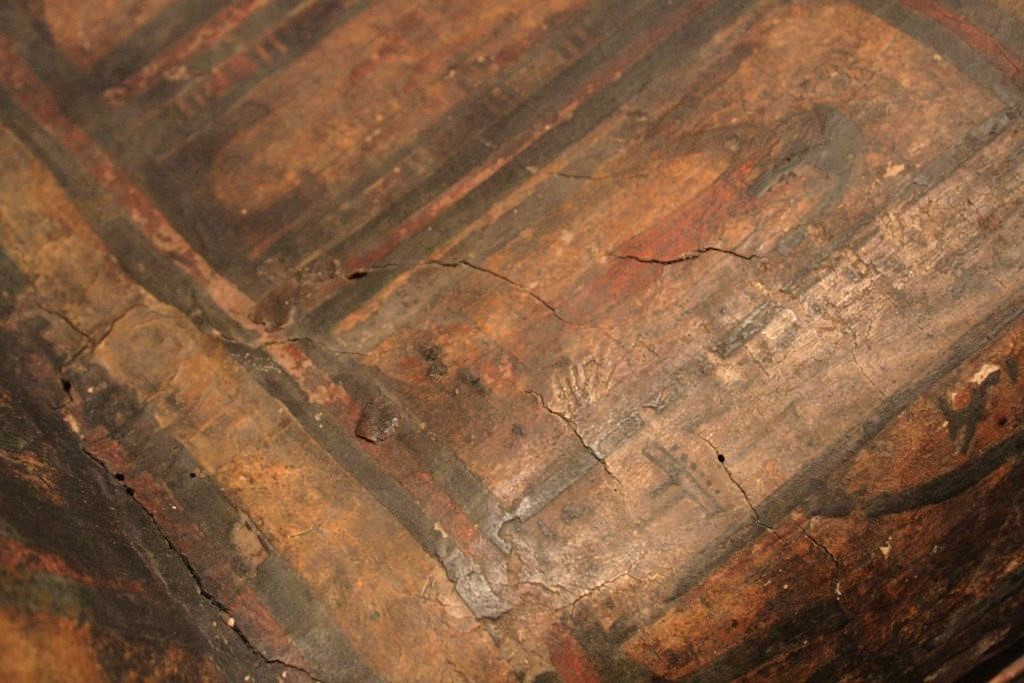
Tahemaa has been at the Society for nearly 100 years but she has spent most of this time locked away from public view. In 1993, the Society decided to put her on permanent display in the Egyptology exhibition. Since then she has been seen by thousands of admirers, however due to her age and fragile condition, she is in need of urgent conservation treatment. Hundreds of years in an unstable environment have caused significant damage to the coffin. The fluctuations have caused the wood, plaster layers and paint to crack and flake. The layers of the coffin have even separated in some areas, lifting away from the wooden frame (fig 2). Many years without a display case has also resulted in a thick layer of dark, engrained dirt concealing the original colours of her decorative paintwork (fig 3).

Figure 2. Layers of the coffin structure peeling away.

Figure 3. Original colours are darkened with the build-up of surface dirt.

Continue reading

Playing with Wire: The Conservation of a Wallaby Skeleton

Written by Caitlin Jenkins, MSc Conservation Practice student, Cardiff University and volunteer at National Museum Cardiff.

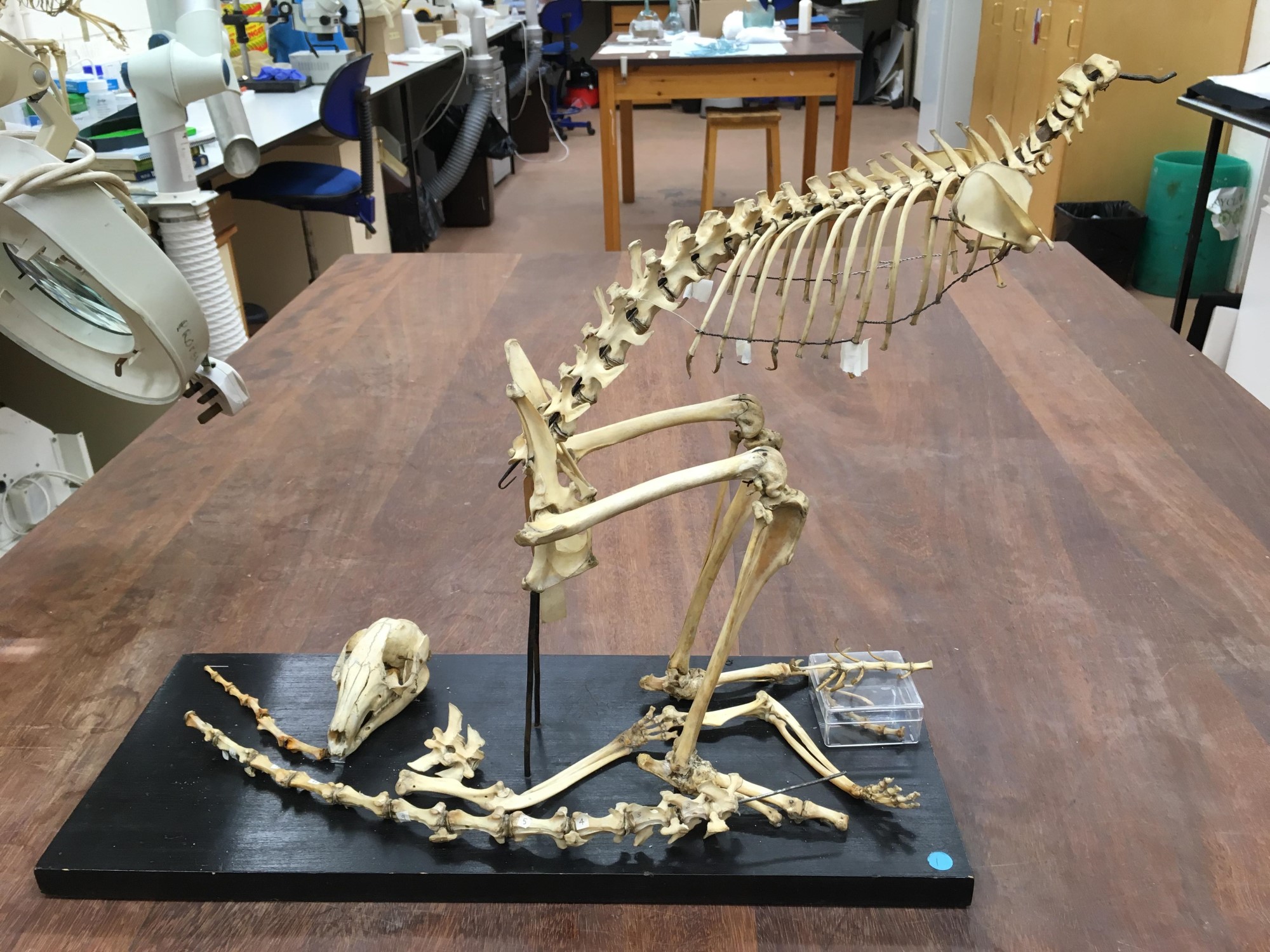
While volunteering with natural history conservator Julian Carter at National Museum Cardiff, I was given the opportunity to work on a wallaby skeleton. This was the first skeleton of any kind I had conserved. Although it initially appeared to be in relatively good condition, there were lots of small areas needing attention that made it a surprisingly complicated job.

A bony jigsaw…

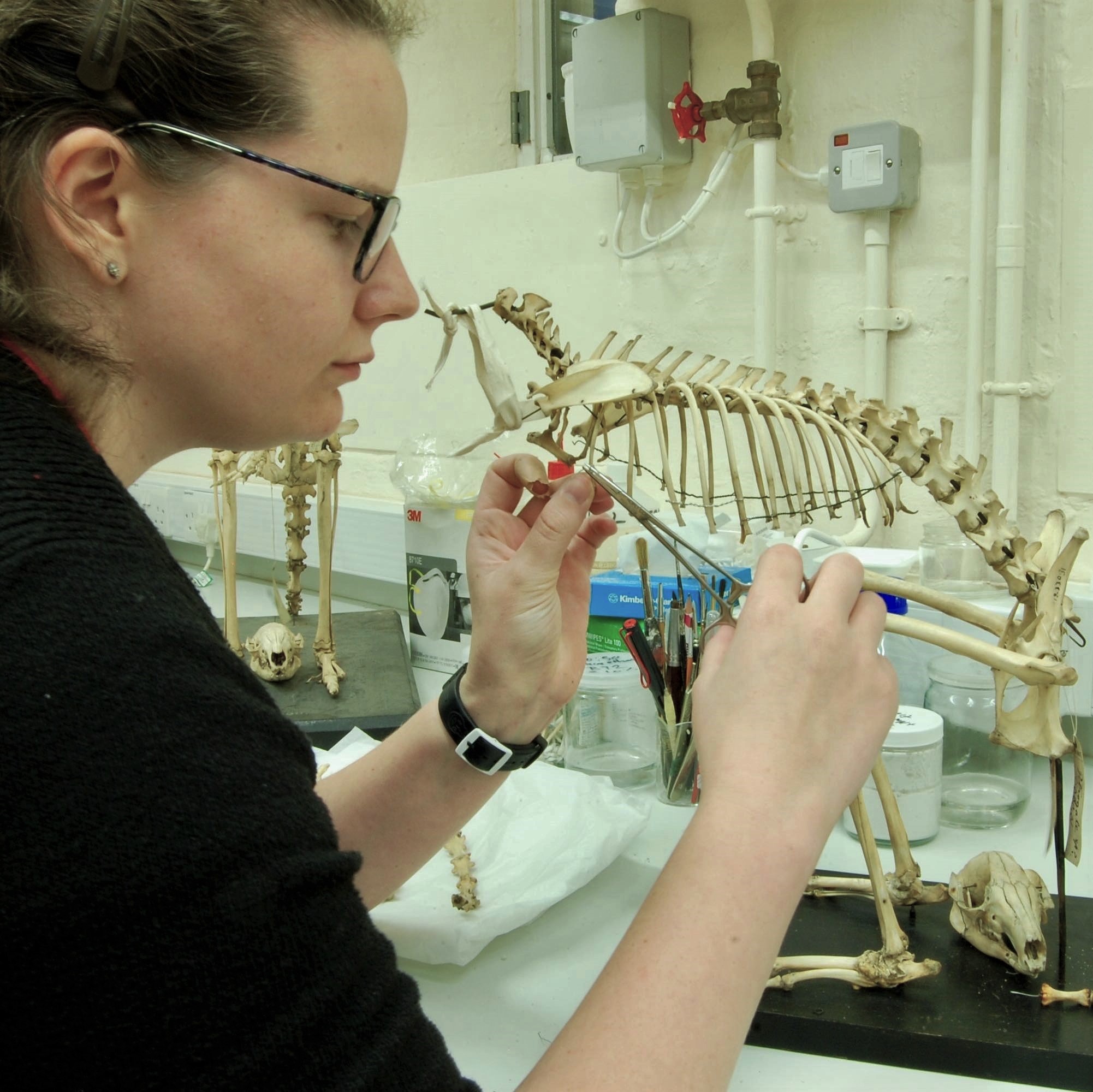
The first step was to remove dirt that had built up on the bones over the years. This was cleaned away using cotton swabs and small interdental brushes dipped in a sodium bicarbonate solution; care was taken to not over-wet the bones as this can damage them.

One of the main conservation tasks was to re-wire a portion of ribcage that was hanging loose and distorting the alignment of the left side. In keeping with the pre-existing work, this required me to stabilise the free end of each rib using a single piece of wire twisted at intervals. This provided support and appropriate spacing of the bones. I had previously made jewellery using a similar technique, so my experience came in handy during the fiddliest parts!

Beginning the ribcage wiring

Continue reading

Giant Sequoia at the Natural History Museum

Written by Lu Allington-Jones, Senior Conservator & Chelsea McKibbin, Conservator, at the Natural History Museum, London.

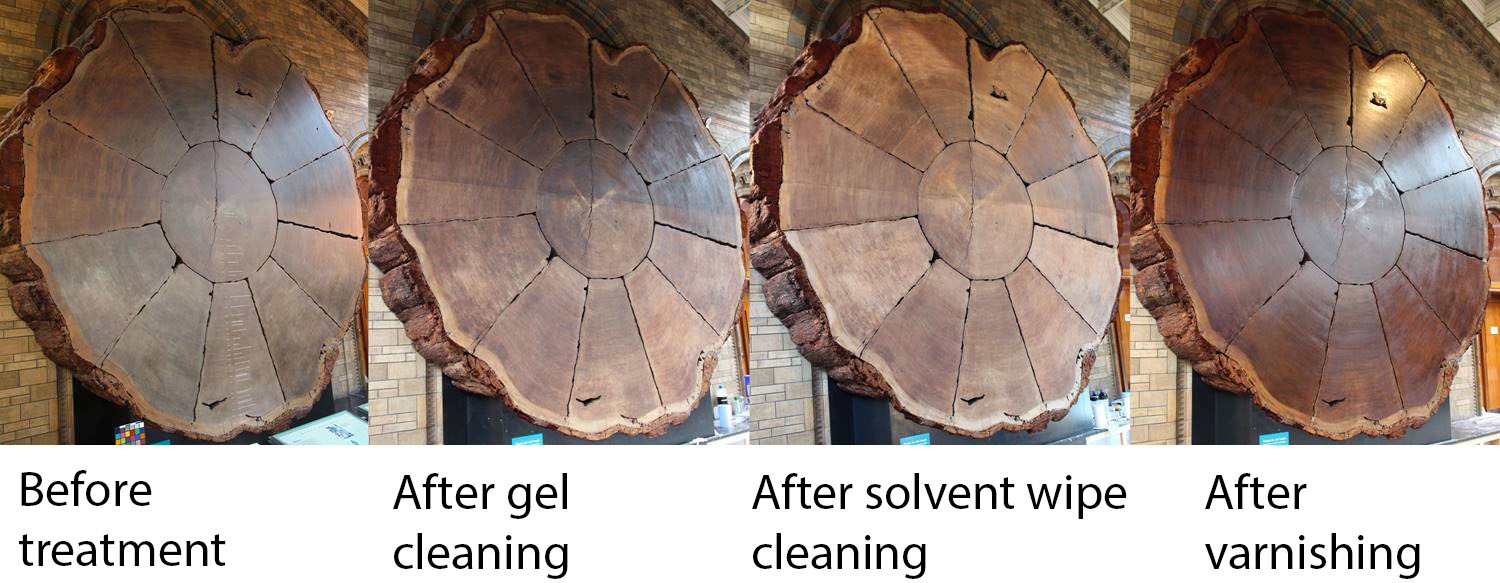
In 2016 a team undertook conservation of the slice of giant sequoia tree which is on display in Hintze Hall of the Natural History Museum in London. Following condition mapping, the treatment involved dry cleaning, removal of the old varnish with solvent gel and applying a fresh coat of varnish. A time-lapse video was taken of the whole process, which spanned 12 weeks, and can be viewed at the end of this post.

Figure 1. The stages of treatment

The Specimen

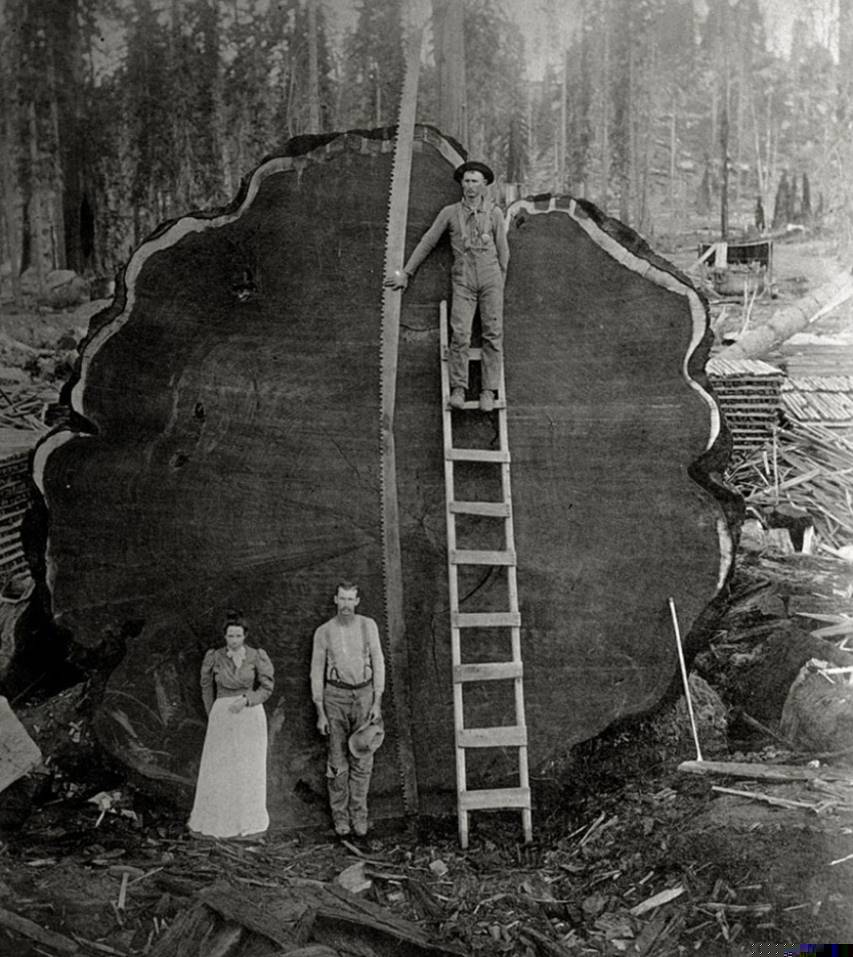
The giant sequoia (from Kings Canyon National Park, California, USA) was felled in 1891 at the age of 1,341 years. It had been 101 m tall and just over 5 m in diameter. Two sections were cut for display. The bottom and slightly larger one was sent to the AMNH while the top section was split into 12 pieces: one central disc and 11 radial segments to enable shipping to the UK. They arrived at the South Kensington site in April 1893.

Figure 2. The tree when it was felled

The giant sequoia section went on display the following year, in one of the bays of the central hall. It was moved in 1902 to stand against the wall dividing the north and central halls, and again in 1971 to its current location on the second-floor balcony.

Continue reading

Brendel Plant Model Survey

Written by Donna Young, Curator of Herbarium, World Museum, National Museums Liverpool

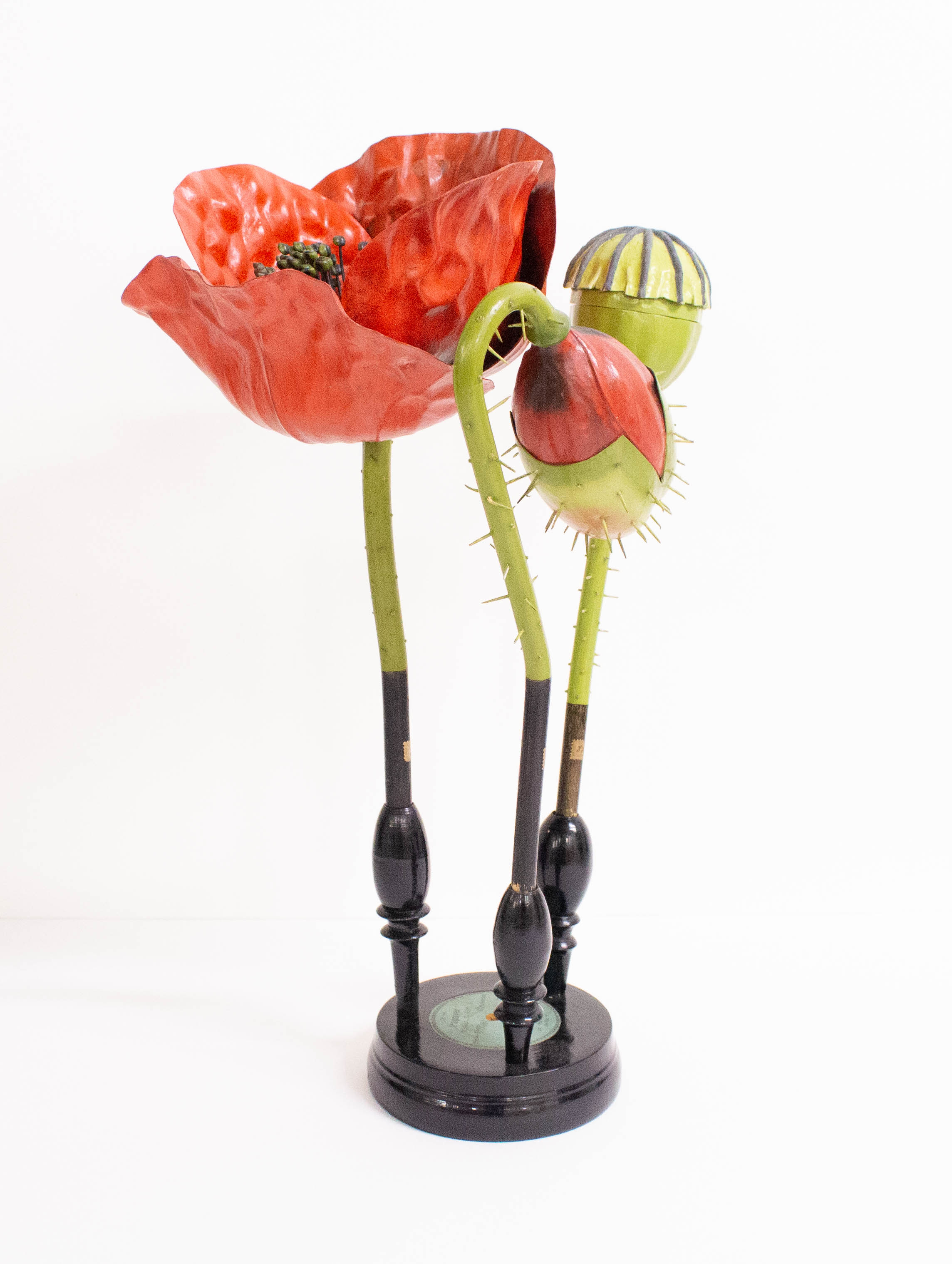
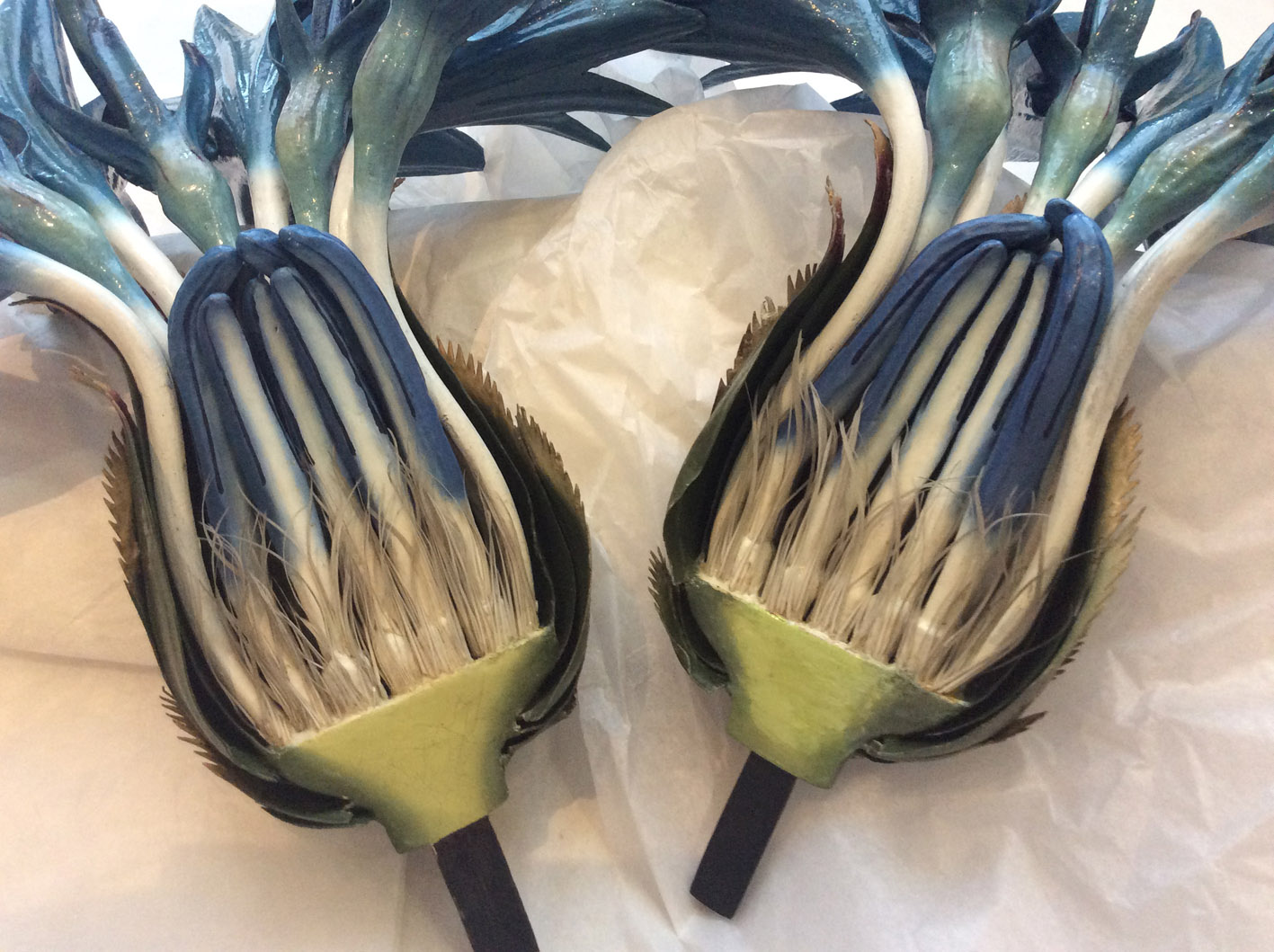
Inspired by the project led by the Corning Museum of Glass, which looked at holdings of Blaschka models, I am embarking on a project to map and document collections of Brendel botanical models worldwide.

The objective of this project is not only to provide a useful resource to be used in the curation of anatomical models, but to document their past and present use – promoting and bringing awareness of these collections to new audiences.
Brendel model Papaver rhoeas
© National Museums Liverpool, World Museum

Anatomical Models

The nineteenth century was the golden age of scientific discovery, and as the century progressed, the teaching of science in schools, academies and museums evolved to reach a new mass public audience. Science was no longer the exclusive preserve of an elite few.

Changing teaching techniques promoted this transformation and pedagogical inquiry was seen as a constructive and involved way of learning. The written and spoken word was supported by the use of visually instructive wall charts and classroom demonstrations. The introduction of interactive teaching models encouraged audiences to understand nature using new and original perspectives.

Botanical models were used to illustrate and demonstrate plant anatomy. Unlike living material, their use was not restricted by seasonal availability and they were ideal for demonstrating small or ephemeral details which are difficult to preserve.

In 1827 Louis Auzoux established his workshop in France, manufacturing human and veterinary anatomical models from papier-mâché. The company also produced botanical models, which were widely distributed to universities and schools in France, particularly to support the expansion in teaching agricultural science.
Brendel model Centaurea cyanus ‘dissected’
© National Museums Liverpool, World Museum

Continue reading