Year Of The Student: Attracting College Students To Campus Museums

Written by Patti Wood Finkle, Collections Manager, Pennsylvania State University, based on a presentation with Valerie Innella Maiers, Ph.D., Professor of Museum Studies, Casper College at the joint SPNHC & NatSCA conference in Edinburgh, Scotland, June 2022.

“Year of the Student” focuses on how college and university museum staff can attract students to their museums by employing a variety of programs and collaborations. Like many campuses natural history museums, the Werner Wildlife Museum had difficulty attracting college students who either had no idea it was there, or only remembered it as a dark and dusty place with a towering, menacing polar bear. After attending a few New Student Orientation events (there are several each semester) to chat with incoming freshmen, we realized that we needed to show them that the museum was inviting and relevant. After brainstorming, several ideas came to the forefront. One was to work with the museum studies program, which the museum had done successfully in the past, and another was to develop programs and partnerships that would bring new groups to the museum.

The museum studies class was an engaging group to work with. In collaboration with staff, the most recent group curated both an art show that featured works from the Casper College permanent collection and juried a community art show. The students researched artists, and artwork, designed and produced the exhibition pamphlet, took professional photographs for curation records, and installed both shows. They also planned and executed an opening reception in the museum space. The program attracted the attention of their fellow art students, faculty, and engaged the public who attended the opening.

Casper College Museum Studies student putting the finishing touches on the art show installation. Credit- Patti Wood Finkle

Another program that engaged both current students and the public were creative writing workshops that were offered in the evenings in collaboration with the English faculty. These programs were created to engage a new audience and to utilize the museum in a less traditional (at least to us) manner. Several of the faculty members are published authors who enjoy delving into their preferred writing style and were encouraged to do so in these workshops. Using the specimens in the museum as inspiration during the cold winter nights, participants were able to tap into experiences and creativity that surprised even the most seasoned writers. From poetry to reductive writing, to traditional storytelling, each participant produced works that were gathered and published in house. This publication was the first time some of the students had shared their work with a wider audience.

Other outreach efforts centred around visiting the students where they gathered. We attended more orientation events and developed an on campus “passport” that brought students to the campus museums, the art gallery, the archive, the greenhouse, and other overlooked destinations. Staff started bringing touch specimens to the dorms one evening each month. By the third month, we had a few regulars who would stop by to see what new objects we had brought with us. Work-study students assisted at these events, giving them the opportunity to engage with their peers, which can be less intimidating for the students on both sides of the table.

Casper College Museum Studies students interacting with visitors at the art show opening. Credit- Valerie Innella Maiers & Patti Wood Finkle

These engagement strategies worked well and both campus museums saw an increase in student visitation. The takeaway lesson museum staff learned was that talking to the students one on one, through courses, or in small groups; demystifying the visitor experience through peer-to-peer engagement; and outreach to student dominated areas (dorms, welcome fairs) increased awareness and interest in the institutions. Student engagement is an ongoing process that should be adaptative, interesting, and educational while supporting the museums and the students they serve.

NatSCA Digital Digest – August 2022

Compiled by Milo Phillips, Assistant Curator of Entomology for Leeds Museums and Galleries.

Welcome to the August edition of NatSCA Digital Digest.

A monthly blog series featuring the latest on where to go, what to see and do in the natural history sector including jobs, exhibitions, conferences and training opportunities. We are really keen to hear more about new exhibitions, conferences and anything that you would like to promote. If you have any top tips and recommendations for our next Digest please drop an email to blog@natsca.org.

Sector News

Yorkshire Natural History Museum

The Yorkshire Natural History Museum is a new, small public museum opening in Sheffield this Saturday August 13th 2022! The museum includes geology, palaeontology and botany collections with a significant research collection of fossils from the Yorkshire Lias. Their website is still under construction but they can be found on twitter as @YorkshireNHM.

NatSCA Lunchtime Chats

After a brief hiatus, our NatSCA Lunchtime Chats are back! Last week we heard from Jazmine Miles-Long about mitigating freezer-burn when freezing your museum specimens. You can read more about it in her recent blog post if you missed the talk. Stay tuned for information on our next lunchtime chat later in the month. These lunchtime chats are for members only and normally run on the last Thursday of every month.

Continue reading

Reflecting on a Collections Move During the Pandemic, the Royal Horticultural Society Herbarium one year on.

Written by Clare Booth-Downs, Herbarium Curator, Royal Horticultural Society Herbarium.

Moving On Up, To Move On Out

The Royal Horticultural Society Herbarium (RHS), which holds approximately 150,000 specimens and associated ancillary collections, had outgrown its original storage space.  The building of a new dedicated science and collections centre, RHS Hilltop, which opened in late June 2021, provided a solution to this. Hilltop, the home of gardening science, includes a larger, purpose built facility, the 1851 Royal Commission Herbarium.

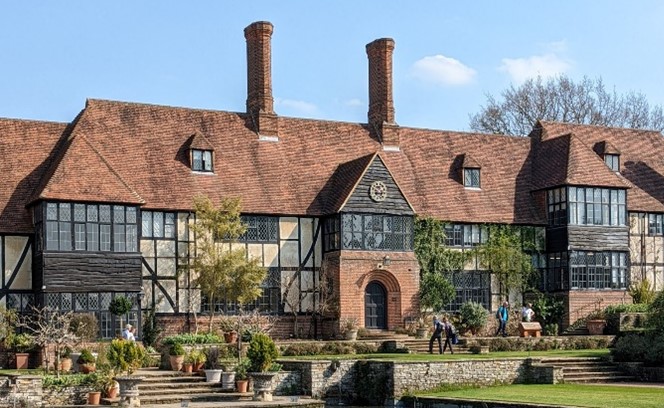
The Laboratory, RHS Wisley, Surrey. Image by Clare Booth-Downs. © Royal Horticultural Society.
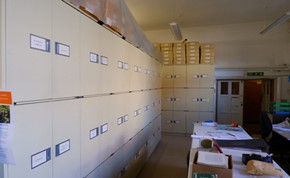
Interior of the original RHS Herbarium showing the overspill on top of the cabinets. Image: Yvette Harvey.

Increasing the capacity of the herbarium was vital as the collection is expected to expand at a fast pace over the next few years.  With a full time plant collector now in place, the RHS’ ultimate aim is to hold a specimen of every species and cultivar of garden plant growing in the U.K. It is estimated this will be a collection numbering 400,000 specimens by 2050.

This repository will act as a reference point for gardeners, breeders, students and researchers as well as for ‘non-traditional’ herbarium visitors, for example, artists and designers looking for inspiration for fabrics and jewellery.  This is alongside one of the Society’s own research foci, as described by Professor Alistair Griffiths, RHS Director of Science & Collections, “In the UK, we’ve got a massive diversity of cultivated plants, originating from around the world, and all have potential for nature-based solutions.  We’re going to work towards a database of the garden plants and their uses from an environmental, and health and wellbeing perspective”.

Continue reading

NatSCA Digital Digest – July 2022

Compiled by Olivia Beavers, Assistant Curator of Vertebrate Zoology at World Museum, National Museums Liverpool.

Welcome to the July edition of NatSCA Digital Digest.

A monthly blog series featuring the latest on where to go, what to see and do in the natural history sector including jobs, exhibitions, conferences and training opportunities. If you have any top tips and recommendations for our next Digest please drop an email to blog@natsca.org.

Sector News

SPNHC / BHL / NatSCA Conference 2022

Just over a month ago the SPNHC/ BHL / NatSCA conference was underway. As my first SPNHC and first NatSCA conferences, it was a great introduction into the sector and I enjoyed meeting all of the NatSCA members that were able to attend the event! One of the highlights were the National Museums Scotland store tours! If you missed out, you can get a glimpse of the natural history collections here.

Yorkshire Natural History Museum

The Yorkshire Natural History Museum is a new, small public museum opening in Sheffield – Saturday August 13th 2022! The museum includes geology, palaeontology and botany collections with a significant research collection of fossils from the Yorkshire Lias. Their website is currently under construction but you can check out their twitter account @YorkshireNHM.

Harnessing the Power of Natural Science Collections – Community Event

This event is currently underway, but if you’re quick you might catch the last half! The event is open to all UK natural science collection holders, interested in attending and learning more about the scoping work and the next steps in the plans for a national digitisation programme. Held via Microsoft Teams, July 14th, between 10:00-12:00. Please follow this link to access the meeting. 

Continue reading

‘Tom’ The Burlingham Bird

Written by Anthony Roach FLS (He/Him), Archives Assistant, Worcestershire Archive and Archaeology Service.

Whilst we do have some objects held at Worcestershire Archives, a mummified bird filed in a plastic pocket was a hugely surprising find all the same! The bird was ‘filed’ – its place as important as other key events in the history of Burlingham & Co., Evesham, a business, which from the late 19th century onwards was managed by Henry Burlingham.  

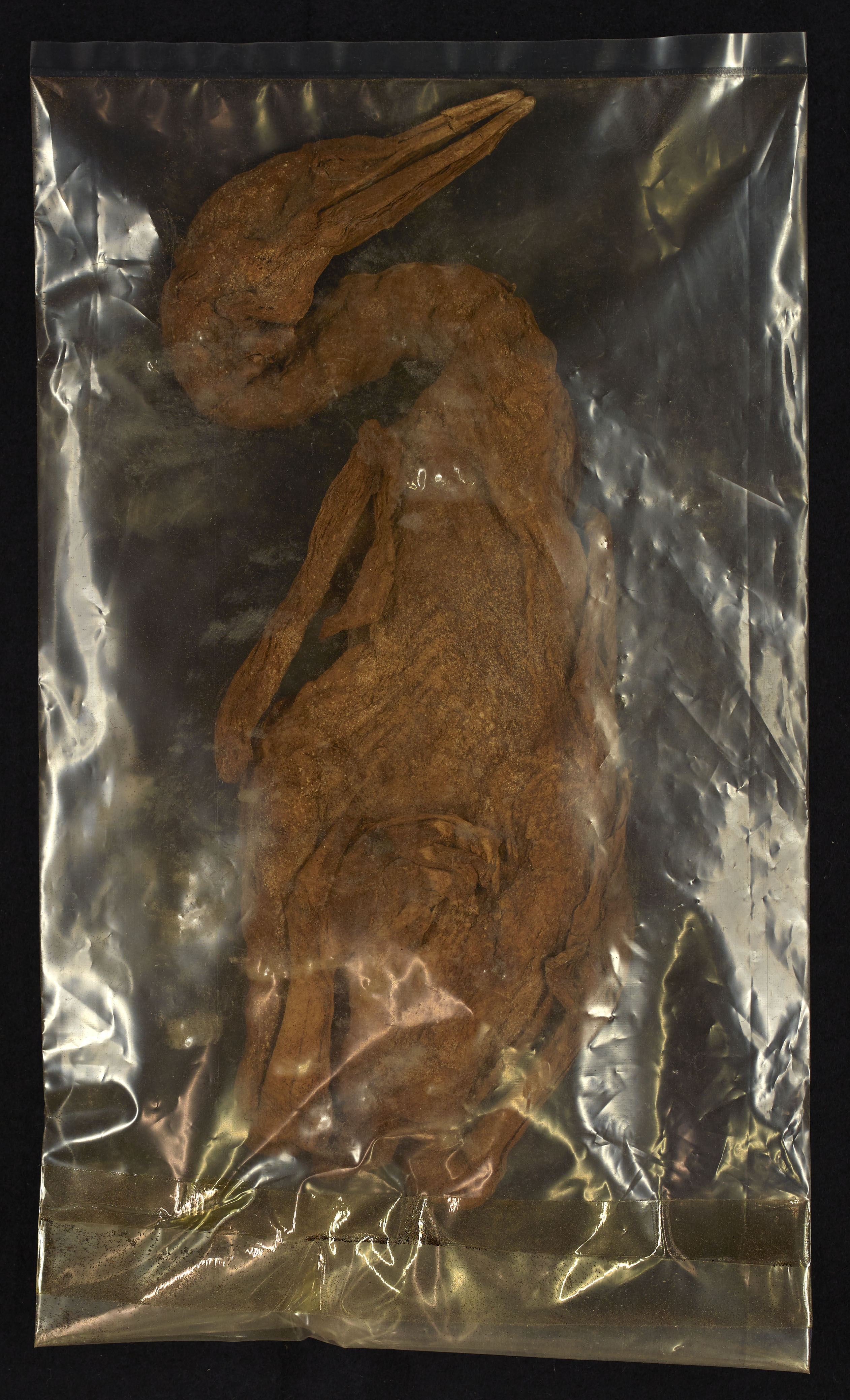
Image of the Burlingham bird when first discovered Ref 705.1373 BA12963.6.63 © WAAS

Either side of the mummified bird contains photographs of the Evesham premises charting its changing fortunes, a catalogue of products sold, adverts and circulars sent out to clients. Whilst Burlingham & Co. began as merchants and agents of a wide range of goods, including coal, their interests narrowed as sellers of construction materials, garden machinery, and fertiliser.

Close up of the Burlingham Bird Ref 705.1373 BA12963.63 © WAAS

I was excited by ‘The Burlingham Bird’ find and set about the challenge of learning more about it and also how best to conserve and safely store the specimen in our archives.

The Mummy Bird

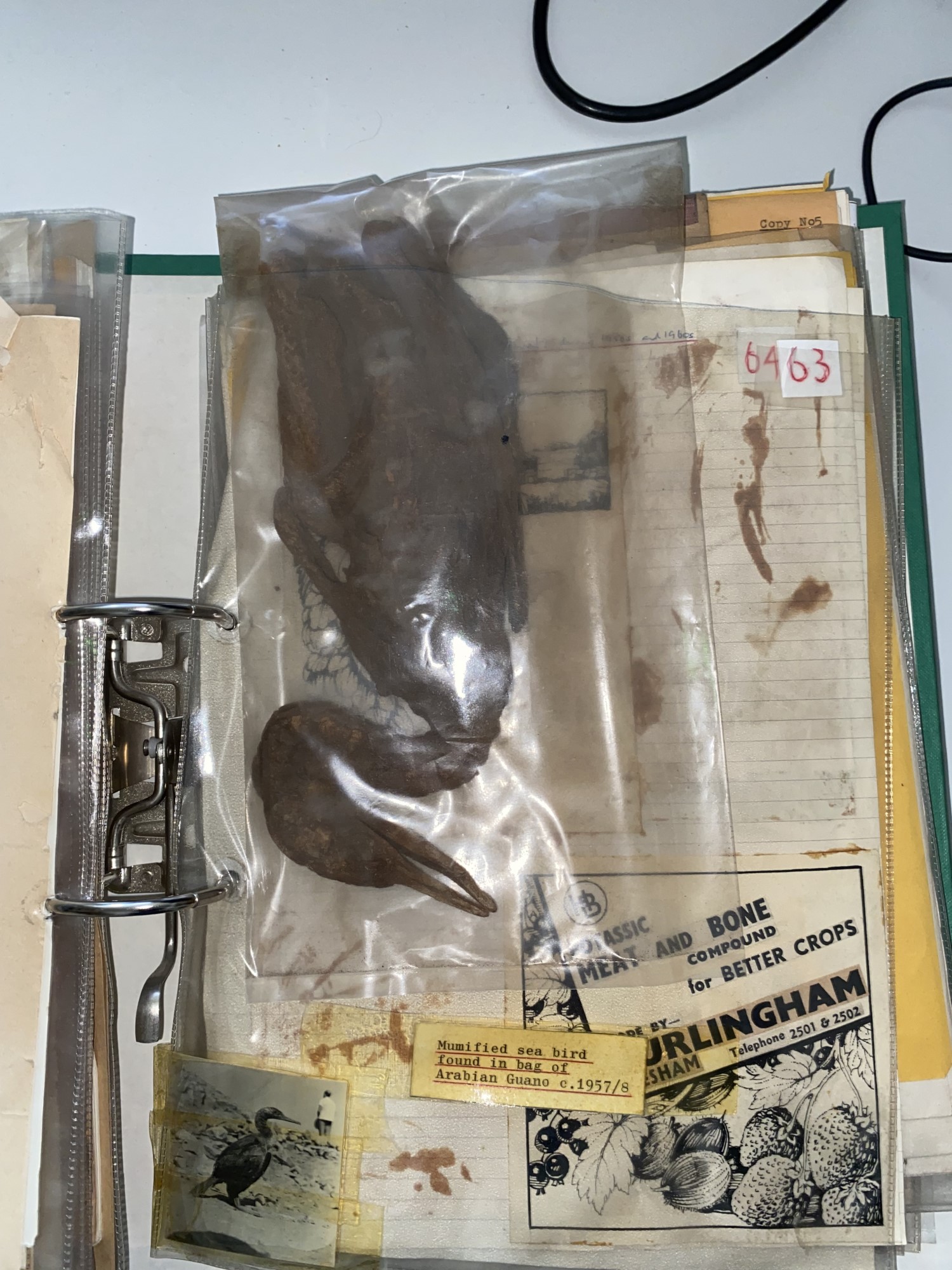
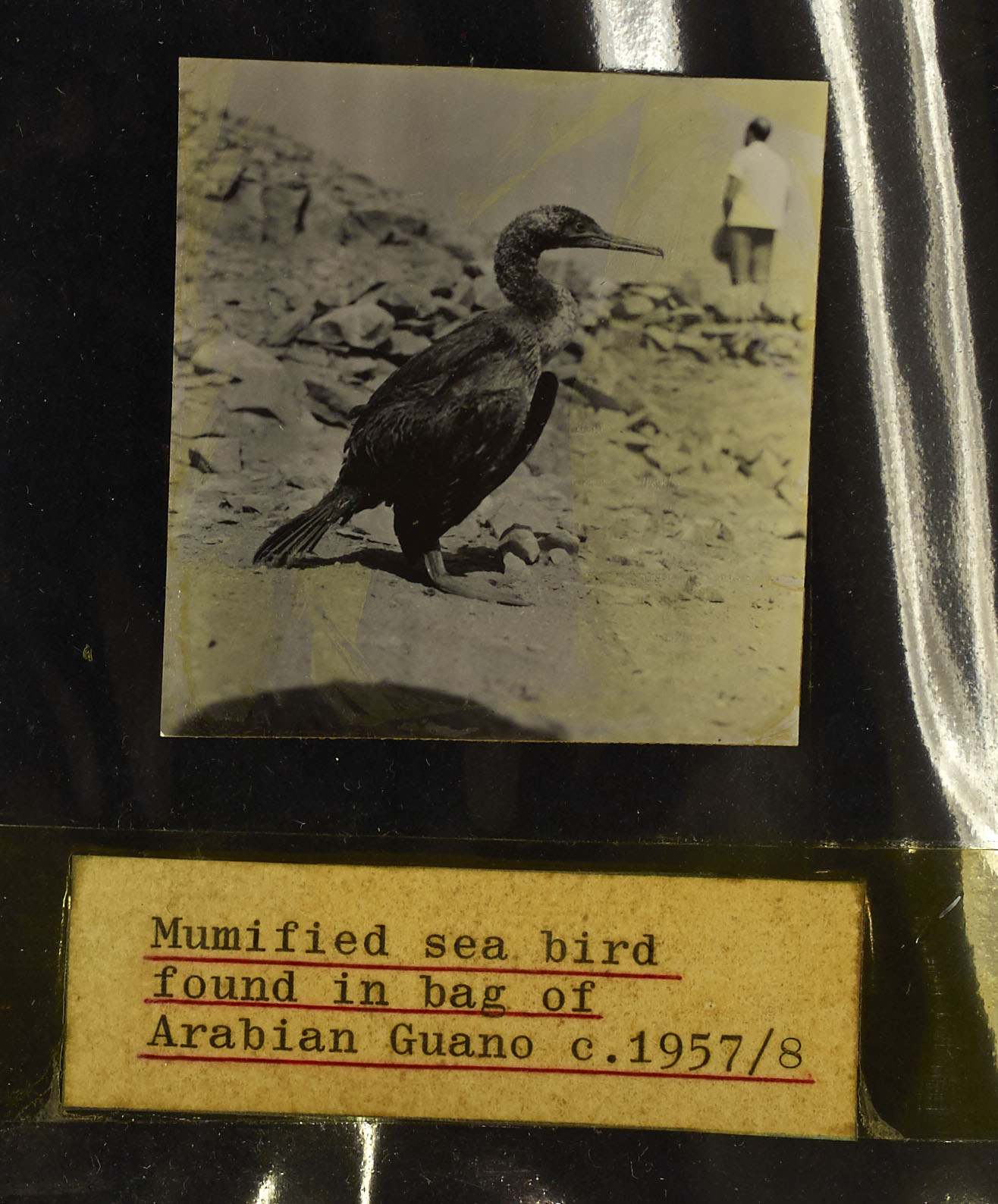
Close up of image with text ‘Mummified seabird found in bag of Arabian Guano’ c.1957-8 Ref 705.1373 BA12963.6.63 © WAAS

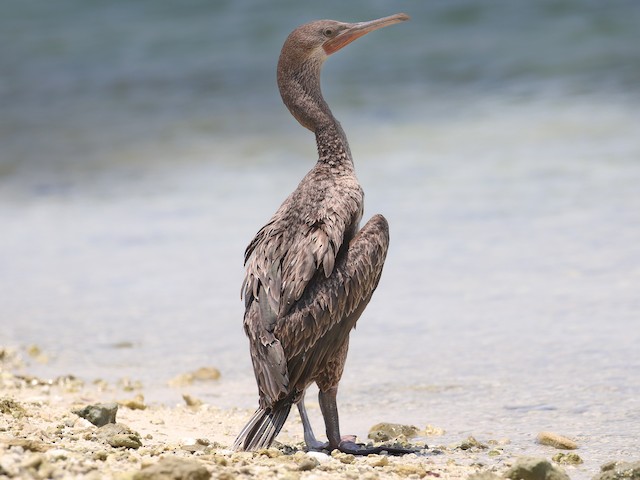
As you can see it was described as ‘Mummified sea bird found in bag of Arabian Guano c.1957/8’  When I first examined it, I thought it most resembled either a cormorant or a shag having been used to seeing both around the coasts and estuaries in Devon. Having reviewed the different species found in Arabia using the image supplied with the bird and the morphology of the mummified bird itself, it most closely resembles the Socotra cormorant (Phalacrocorax nigrogularis) – endemic to the Persian Gulf and the south-east coast of the Arabian Peninsula.

Socotra cormorant – Phalacrocorax nigrogularis – Cornell Lab of Ornithology Macauley Library © Oscar Campbell
Continue reading