Ostracod Odessey – Broadcasting the Brady Collection

Written by Dan Gordon, Keeper of Biology, The Great North Museum: Hancock.

The Great North Museum : Hancock is home to many remarkable collections, but one of the most important is perhaps one of the most unfamiliar to our visitors. The Brady collection of Ostracods.

Ostracods, sometimes called Seed Shrimp, are distinctive Class of crustaceans. A shell of two intricately textured valves almost entirely envelopes their shrimp-like bodies, with just a small opening for a cluster of rapidly moving legs to poke out. As their common name suggests, most species are very small, mostly invisible to human eye, but they’re ubiquitous, busily going about their lives wherever there is permanent or temporary water, from the poles to the tropics. Some swarm the world’s oceans in vast planktonic shoals, while others live in the still, dark pools of caves, in garden ponds or even puddles.

They’re poorly known outside of academic communities, which is a real shame, because despite being fascinating creatures in their own right, they have important roles in many aquatic ecosystems, and significantly, they’re commonly encountered in the fossil record, which means that they are particularly important indicator fossils. In addition, the chemical make-up of their distinctive shells tells us about ocean acidity and temperature, which can tell us about ocean warming and climate change.

The collection was the work of George Stewardson Brady, a local man, born in Gateshead in 1832, and one of the people who pioneered the study of these animals at a time when they were relatively poorly understood.  Housed in a row of cabinets, the Brady collection is made up of nearly 3000 microscope slides with up to 100 Ostracods on each. These specimens were collected all over the world, many of them by well-known expeditions such as the HMS Challenger expeditions in the 1870s. It contains many Types, and provides a valuable resource for the study of these animals today.

Continue reading

NatSCA Digital Digest – December 2022

Compiled by Milo Phillips, Assistant Curator of Entomology for National Museums Scotland.

Welcome to the December edition of NatSCA Digital Digest.

A monthly blog series featuring the latest on where to go, what to see and do in the natural history sector including jobs, exhibitions, conferences, and training opportunities. We are keen to hear from you if you have any top tips and recommendations for our next Digest, please drop an email to blog@natsca.org.
Sector News

Catch up: Museum Action for Climate Empowerment Webinars

The most recent webinar from the Network of European Museum Organisations (NEMO) is now available to watch online if you were unable to make it to the live webinar in November. Henry McGhie or Curating Tomorrow, and NEMO Policy Officer Elizabeth Wilde dig into sustainability insights for the sector, key ways that museums can meaningfully contribute to the United Nations Framework Convention on Climate Change (UNFCCC), and explores a new guide for how museums can measure and report greenhouse gas emissions. All previous webinars can also be found over on the NEMO YouTube channel.

Link to latest webinar: https://www.ne-mo.org/training/nemo-webinars.html

Link to NEMO YouTube channel: https://www.youtube.com/@nemo-networkofeuropeanmuse7452

Registration Open for Field Studied Council January Courses

You can now register for upcoming natural history courses hosted by the Field Studies Council. January workshops include: an introduction to bee conservation, an exploration of botanical folklore, and courses on marine mammal and marine invertebrate biology and ecology. Many are hosted online with FSC Virtual, and costs vary.

Link to upcoming courses: https://www.field-studies-council.org/courses-and-experiences/natural-history-courses/

Continue reading

A Collection of Sri Lankan Bird Skins.

Written by Eimear Ashe, Documentation Officer, National Museum of Ireland – Natural History.

The Temporary Number

During the course of my work in the Natural History Division of the National Museum of Ireland, (NMI) I came across a couple of boxes of bird skins that were in the wrong place. By deciding to move them to their correct place, I opened a metaphorical can of worms. It turned out that these 200 bird skins had been assigned modern numbers during a volunteer project 16 years ago. In the intervening period, the original accession number had been discovered. Never one to leave a wrong number in place, I took on the challenge to renumber this collection before rehousing them.

The Donor

First, I read the acquisition register and found the donor to be a gentleman named Colonel James Grove White, a career British Army officer. Upon retirement, Grove White came to live in Co. Cork in the south of Ireland, and like many British men in Ireland at that time, he came to hold high office during various periods, and was very active in the local community. It was during his time in Ireland, almost 100 years ago, that he donated his collection of “Ceylonese” bird skins. Presumably these were collected by him while on duty in Sri Lanka, although there is no documentation in the NMI to contribute the field collection details, other than the labels on the birds themselves.

Continue reading

Exploring Materials in Natural History Dioramas

Written by Claire Dean, Curatorial Assistant at Tullie House Museum and Art Gallery, Carlisle, and MA Preventive Conservation student at Northumbria University.

The wildlife dome at Tullie House Museum and Art Gallery
The wildlife dome at Tullie House Museum and Art Gallery Carlisle, C. Dean

In many old dioramas, material mysteries abound. As a Curatorial Assistant at Tullie House, I’ve encountered a tree trunk made from a Robinson’s fruit juice box, a fake roof that contained fibrous signs of asbestos, and a hodgepodge of unidentifiable paints and old plastics. The museum’s new-in-post Biodiversity Curator discovered pests thriving amongst the real vegetation and a 30-year-old slice of bread in a garden scene.

Dioramas aim to create the illusion of real habitats for their taxidermy inhabitants, and they use a huge range of materials to do so. After decades of neglect and destruction there is now wider recognition that habitat dioramas can instil a sense of wonder in visitors that no amount of digital wizardry can replace. Through my dissertation research for an MA in Preventive Conservation at Northumbria University, I wanted to find out more about what materials have been used in dioramas over time, how these might impact the preservation of specimens, and what we can do to better protect the dioramas that remain. I put a call out to ask, ‘What’s in your dioramas?’ through an online survey and received 30 responses from people with experience in a range of different sized institutions and private practice.

Continue reading

NatSCA Digital Digest – November 2022

Compiled by Olivia Beavers, Assistant Curator of Vertebrate Zoology at World Museum, National Museums Liverpool.

Welcome to the November edition of NatSCA Digital Digest.

A monthly blog series featuring the latest on where to go, what to see and do in the natural history sector including jobs, exhibitions, conferences and training opportunities. We are really keen to hear from you if you have any top tips and recommendations for our next Digest, please drop an email to blog@natsca.org.

Sector News

Museum Association Conference 2022 & The Wild Escape

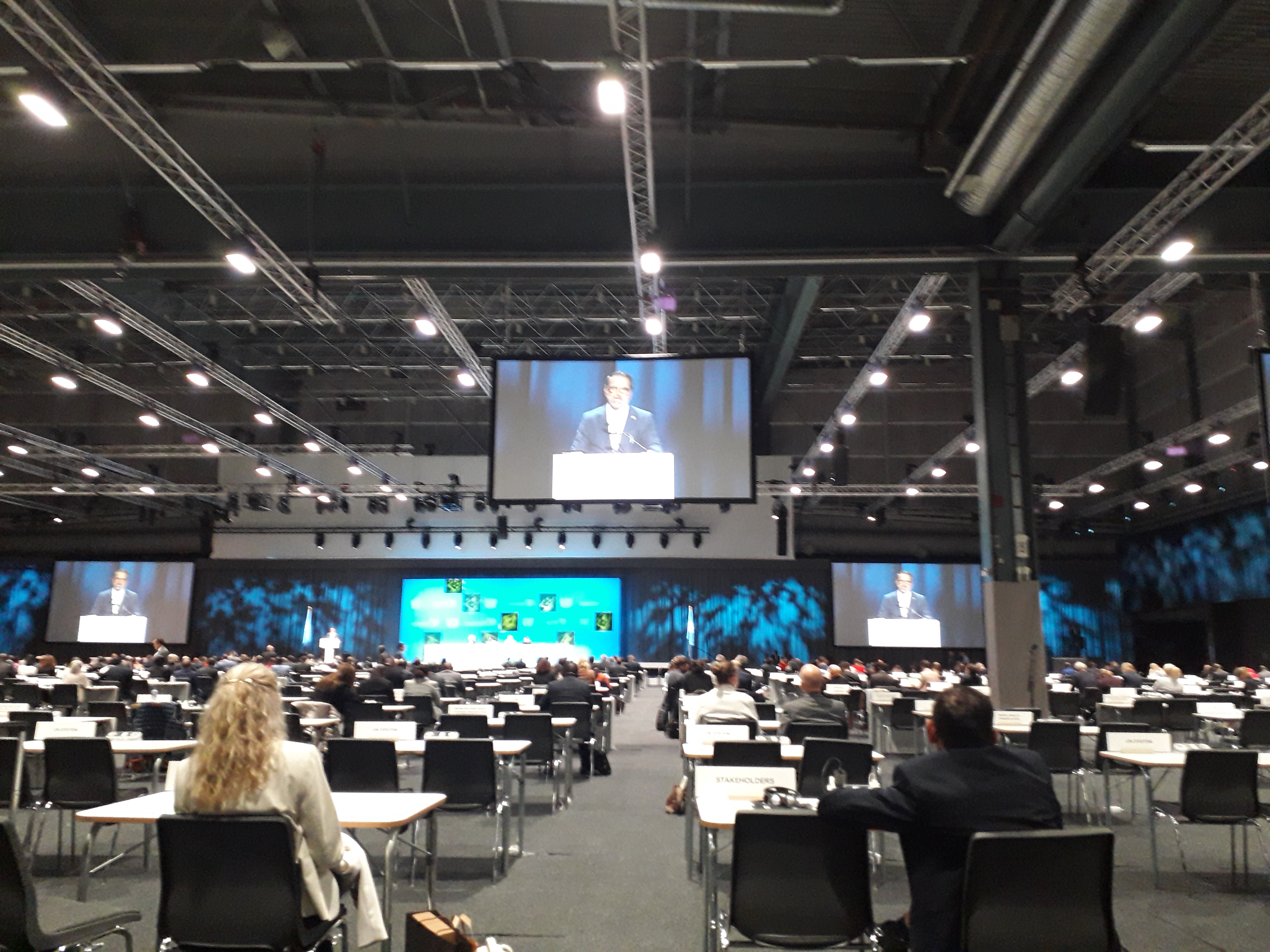
Last week, the Museum Association held their Annual Conference from 3rd – 5th November in Edinburgh. The conference was online and in person for those that could attend.

One of the projects mentioned, that may be of interest to some, was The Wild Escape project led by Art Fund – ‘a major participatory project for museums and schools inspired by the wildlife found in museum and gallery collections’. The project was previously called the Great Escape but aims to connect nature and biodiversity particularly for children aged 7-11 but is relevant for all ages. The project runs from January to June 2023 but can be shortened/lengthened to your museum’s specific needs. Resources are currently online and more are still to come. Grants are still available in Scotland and Wales.

Visit their website to find out more about how to get involved in The Wild Escape project.

Online Symposium: Uniting Earth Science Collections

The Geological Curators Group (GCG) and The Society of Mineral Museum Professionals (SMMP)have scheduled a meeting and seminar: Uniting Earth Science Collections. The one-day, online symposium takes place via Zoom on December 1st 2022. The 49th AGM of the Geological Curators Group will follow the first session of the seminar. Find out more and register here.

Continue reading