Meet the NatSCA Committee – Patti Wood Finkle

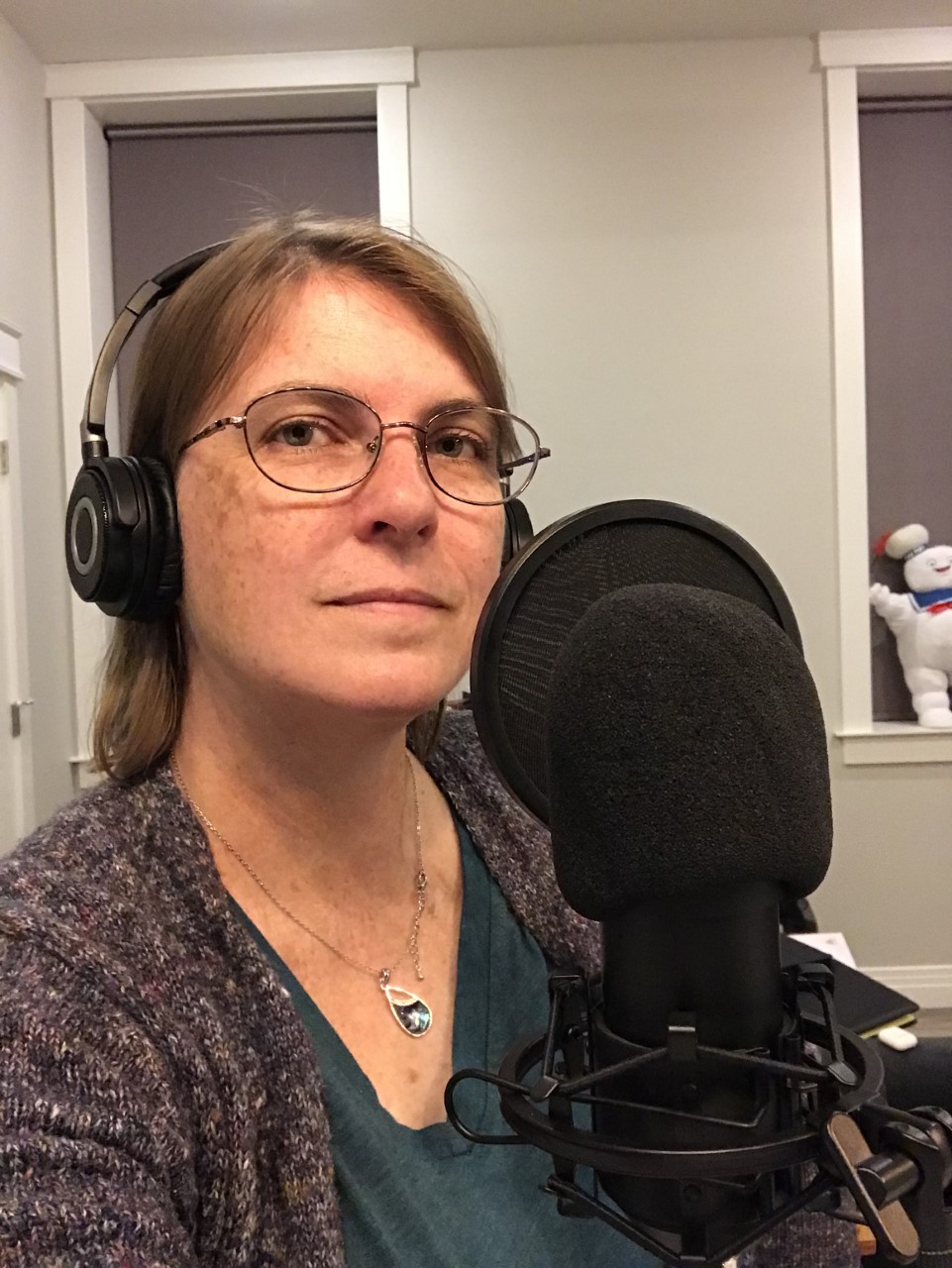
Written by Patti Wood Finkle, Collections Manager at the Earth and Mineral Sciences Museum & Art Gallery at the Pennsylvania State University, in State College, Pennsylvania, USA.
Name

Patti Wood Finkle

What is your role on the NatSCA committee?

I am an ordinary committee member and have volunteered to lead the conference planning committee next year.

Job title and institution

Collections Manager at the Earth and Mineral Sciences Museum & Art Gallery at the Pennsylvania State University, in State College, Pennsylvania, USA.

Twitter username

I don’t have a twitter account, but I am a co-host on The M Files Podcast, a museum-centric podcast that my colleagues and I started during the pandemic to help museum professionals connect and learn more about other museums. Basically we get to meet new people and chat about how much we enjoy working in museums.

Tell us about your day job

In my current roll, I work with rocks, minerals, fossils, meteorites, man-made composites, industrial paintings and prints, as well as historic scientific instruments and equipment. We have a wide-ranging collection and there are always things to do, whether it is updating the current database with images and information, accessioning an incoming collection, or writing exhibit text (and I’ve done all three this week). A large part of my job is collections based, but with a staff of two, it is important to manage our time wisely and both of us take on tasks such as tours, guest lectureships, exhibit planning and development, supervising our student workers, and working with our parent institution. I also work with students and facilitate partnerships with faculty and student organizations whenever possible.

Natural science collections are very popular with museum visitors. Why do you think this is?

Because natural science is amazing! To see, in person, how large a whale is, how brilliantly a gem may sparkle, how beautiful a beetle can be is exhilarating. Screens and computers can only show you so much, but to see the things for yourself is authentic and tangible. It fuels our curiosity and our wonder. The number of times I have heard both children and adults walk into a natural science gallery and exclaim “WOW!”, sometimes under their breath and sometimes out loud, is affirmation of the power of these collections to continue to awe and educate visitors of all ages.

Continue reading
Flora Explorer: Opening the Cabinets at Portsmouth Museums.

Written by Violet Nicholls, Assistant Curator (Herbarium), Portsmouth Museums.

Plants, lichens and fungi have captured the interests of collectors, scientists and artists for centuries, and I have discovered something about them for myself. As time passes from them being found in the field, they don’t get any less complicated, any less fascinating or any less beautiful. I am about 6 months into a two-year project working on the Guermonprez Herbarium called “Flora Explorer”, which is funded by the Headley Trust.

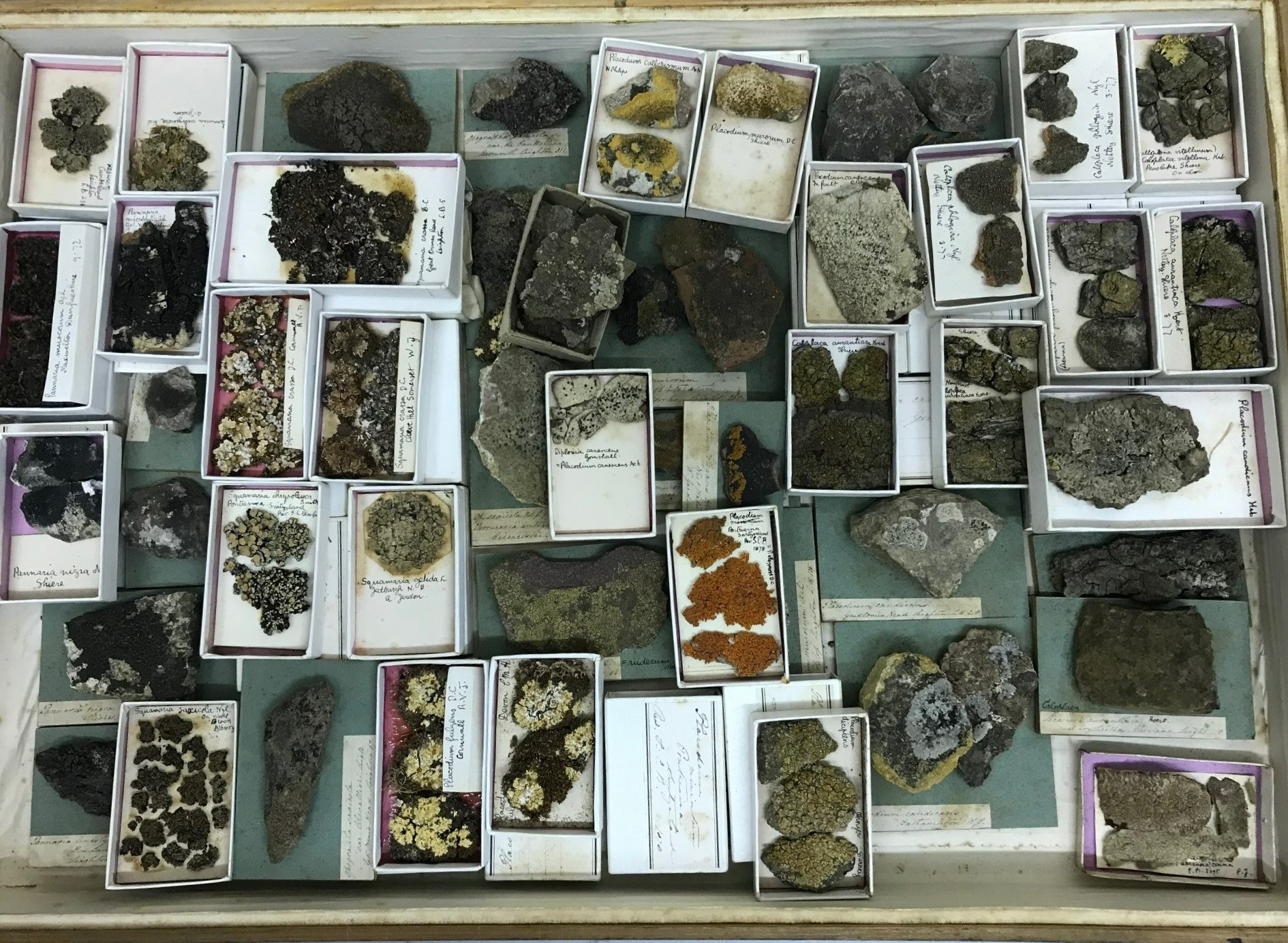
Image of lichen specimens in open trays
Fig. 1. Drawer of colourful specimens from the lichen cabinet.

The Herbarium

I have been cataloguing and studying the plant, fungi and lichen collections at Portsmouth Museums, and am learning a huge amount about past collecting practices, as well as taxonomy and the collectors themselves. There were so many! Sixty-two different names have cropped up whilst cataloguing the herbarium, with nearly 1000 plant specimens recorded on the database so far. There are around 10,000 plants in the Guermonprez Herbarium in total. How many more names will appear?

Henry Leopold Foster Guermonprez (1858-1924) was a taxidermist, ornithologist and “a botanist who should have been better known”.1 The herbarium is made up of plants collected by Guermonprez and members of his family, plants that were sent to him, and others that were purchased. The large collection was transferred from Bognor Regis Museum to Portsmouth Museum in the 1970’s. Many specimens were collected from West Sussex, where I have lived for most of my life.

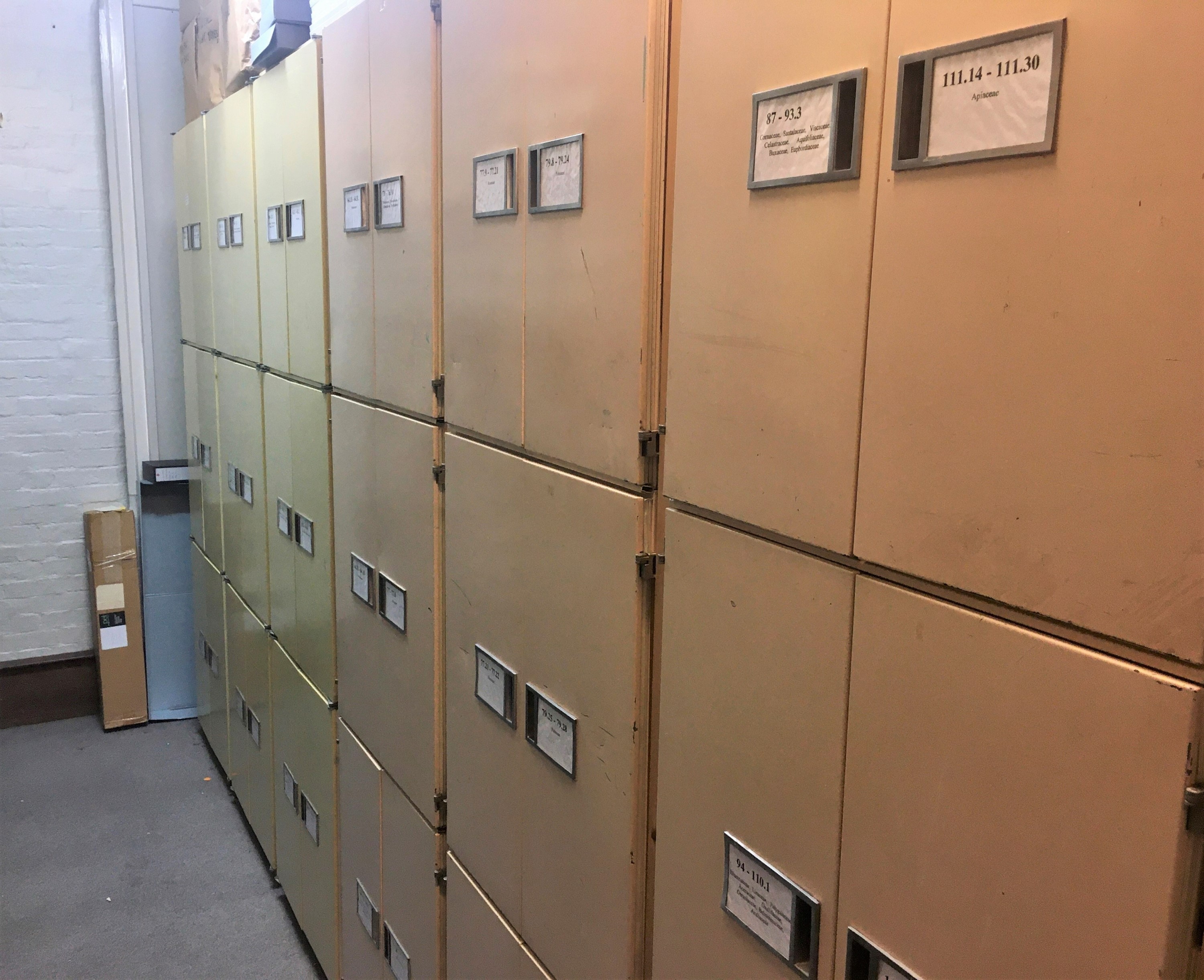
“Flora Explorer” builds on work carried out during the “Wild about Portsmouth” project, funded by the National Lottery Heritage Fund. The herbarium is organised into taxonomic order, stored in sealed herbarium cabinets, and the specimens are being catalogued using the relational database used by over 650 museums in the UK, Modes Complete. Digitising the collection has many benefits as it increases access for researchers, and for people who may need the data but can only obtain it remotely. Through the process I have also been updating the taxonomy where necessary, which adds further value to the collection.

Image of herbarium cabinets at Portsmouth City Museum
Fig. 2. Herbarium cabinets at Portsmouth City Museum, containing plant specimens arranged into taxonomic order.
Continue reading

Top NatSCA Blogs of 2022

Compiled by Jen Gallichan, NatSCA Blog Editor.

A very Happy New Year to all of our readers and contributors! Being the blog editor is a great job as I get to read all of your fantastic posts first and hear about all of the great work going on out there with natural history collections. To reflect on this, here is a round up of the most read blogs that came out in 2022 in case you missed any of them. A huge thank you to everyone who contributed an article, the blog continues to go from strength to strength and this is purely as a result of your work and writing. The 2023 calendar is half full already – so if you are considering submitting something for later in the year, do drop me a line and get it scheduled in.

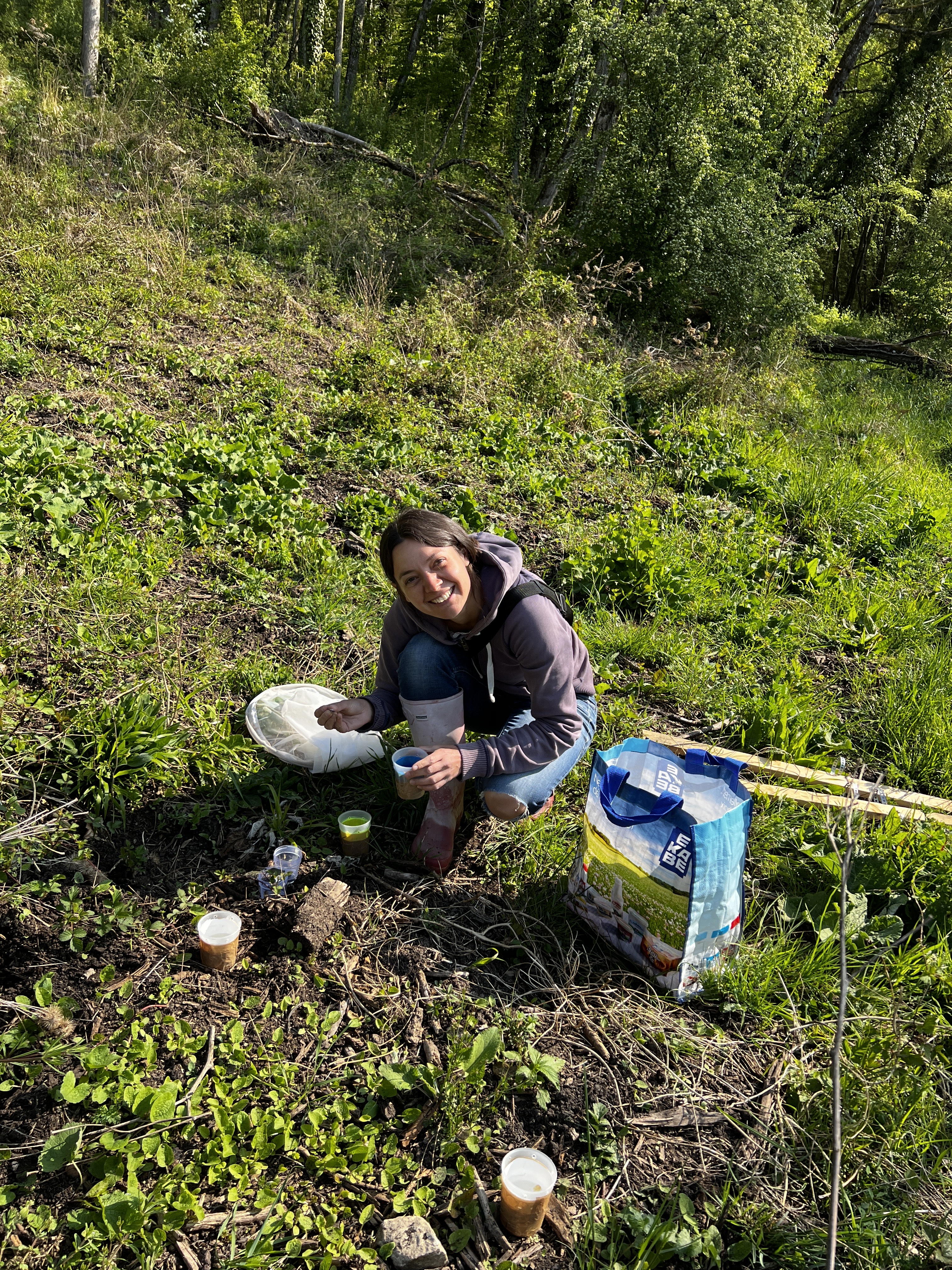
10. A Foot In The Door – Finding Collections Work As A Trailing Spouse In A Foreign Country. Written by Caroline Grounds, Freelance Zoological Collections Assistant, Musée national d’histoire naturelle, Luxembourg. A lovely blog about finding your niche in a new country, and showing that collections work has no borders.

My happy place: sorting bees from by-catch from pan traps which we set up throughout the country. © Dylan Thissen

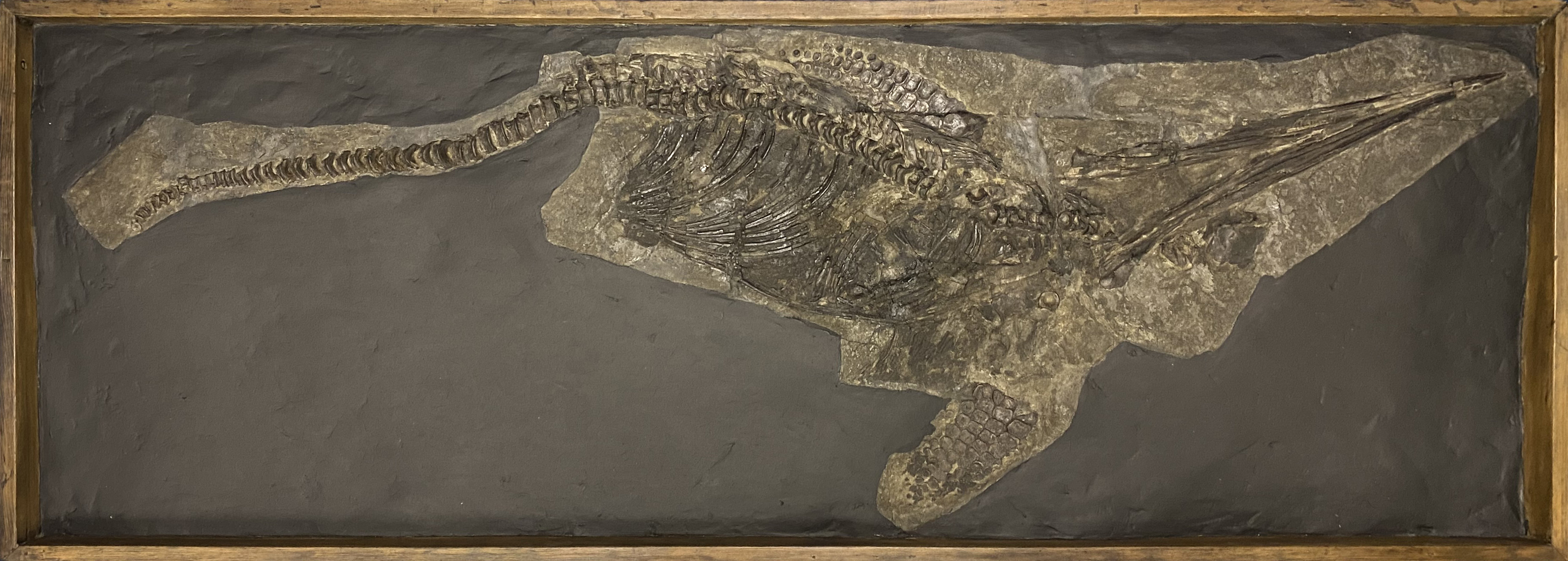
9. Thomas Bateman’s Ichthyosaurs. Written by Alistair McLean, Curator of Natural Science, Sheffield Museums Trust. Documenting the conservation work (part funded by the Bill Pettit award) that helped restore two beautiful Ichthyosaur specimens.

Continue reading

A Foot In The Door – Finding Collections Work As A Trailing Spouse In A Foreign Country

Written by Caroline Grounds, Freelance Zoological Collections Assistant, Musée national d’histoire naturelle, Luxembourg.

I arrived in Luxembourg 8 years ago when my husband accepted a job offer here, not knowing much about the tiny country (“where exactly is Luxembourg?”), and with a new baby in tow.

I had become accustomed to the trailing expat spouse role, so I was happy for a new adventure, though the hardest part about moving, especially to a country where you don’t speak the language, is finding your niche in which you can carve out something of your own.

As a former Biology teacher, most of my previous museum experience was in science education, as a volunteer at the NHM in London, and the George C. Page museum (La Brea Tar Pits) in Los Angeles, and I was keen to get involved in the Luxembourg Natural History Museum in any way, shape or form. Something about being around the wonders of nature, whether outside or housed in a building, is inspiring to me and, surrounded by like-minded people, where I truly feel like I’m supposed to be.

Not speaking any of the official local languages however (Luxembourgish, German and French), I quickly found that it would be difficult to find work, even on a voluntary basis as I had before. I submitted my CV to the museum anyway, and endured a rather painful phone call in very bad schoolgirl French (mine, not theirs!), which, much to my amazement, led to one of the researchers contacting me for help proofreading his research papers, which were being published in English. That schoolgirl French came in useful after all!

Continue reading

NatSCA Digital Digest – August 2022

Compiled by Milo Phillips, Assistant Curator of Entomology for Leeds Museums and Galleries.

Welcome to the August edition of NatSCA Digital Digest.

A monthly blog series featuring the latest on where to go, what to see and do in the natural history sector including jobs, exhibitions, conferences and training opportunities. We are really keen to hear more about new exhibitions, conferences and anything that you would like to promote. If you have any top tips and recommendations for our next Digest please drop an email to blog@natsca.org.

Sector News

Yorkshire Natural History Museum

The Yorkshire Natural History Museum is a new, small public museum opening in Sheffield this Saturday August 13th 2022! The museum includes geology, palaeontology and botany collections with a significant research collection of fossils from the Yorkshire Lias. Their website is still under construction but they can be found on twitter as @YorkshireNHM.

NatSCA Lunchtime Chats

After a brief hiatus, our NatSCA Lunchtime Chats are back! Last week we heard from Jazmine Miles-Long about mitigating freezer-burn when freezing your museum specimens. You can read more about it in her recent blog post if you missed the talk. Stay tuned for information on our next lunchtime chat later in the month. These lunchtime chats are for members only and normally run on the last Thursday of every month.

Continue reading