The Robot Zoo: A Must-See Exhibition

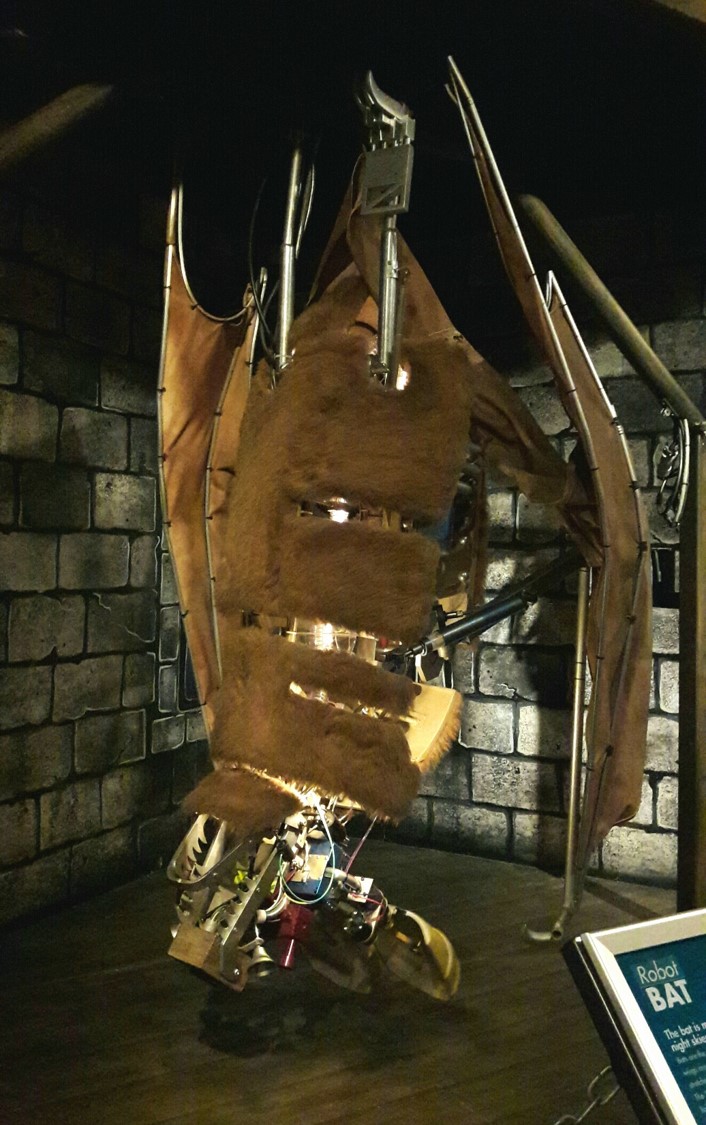
This bat robot is nearly 20 x life-size. The Robot Zoo, Horniman Museum and Gardens

This bat robot is nearly 20 x life-size. The Robot Zoo, Horniman Museum and Gardens

The reaching-for-the-moon aim of any natural history exhibition is to get the perfect combination of knock-your-socks-off-fun and wow-I-didn’t-know-that-informative, for both children and adults, because (obviously) that attracts the biggest crowd.

Appealing to everyone is pretty much an unobtainable goal. A wise man, who I call Dad, once relayed the phrase to me ‘You can please some of the people all of the time, you can please all of the people some of the time, but you can’t please all of the people all of the time’*. However some, albeit rare, exhibitions, through some manner of dark magic combined with an alignment of moons from all over the universe manage to come together in such a way that the exhibition is branded as ‘outstanding’ and ‘captivating’ by journalists and listed as ‘fun for all the family’ on websites and What to do with the kids this half-term guides. These exhibitions are termed blockbusters and are the envy of their less popular exhibition counterparts.

The Robot Zoo, you will probably have guessed by that prologue, is one such exhibition. I had nothing to do with its inception nor its creation, it’s a touring exhibition that has nested temporarily at the Horniman Museum until October. However, as Deputy Keeper of Natural History at said Museum, I feel a level of temporary ownership and pride in its success. Thus I shall sing and dance about it from now until October when it leaves us for another galaxy gallery far, far away. Continue reading

Top Ten Most Read Blogs of 2016

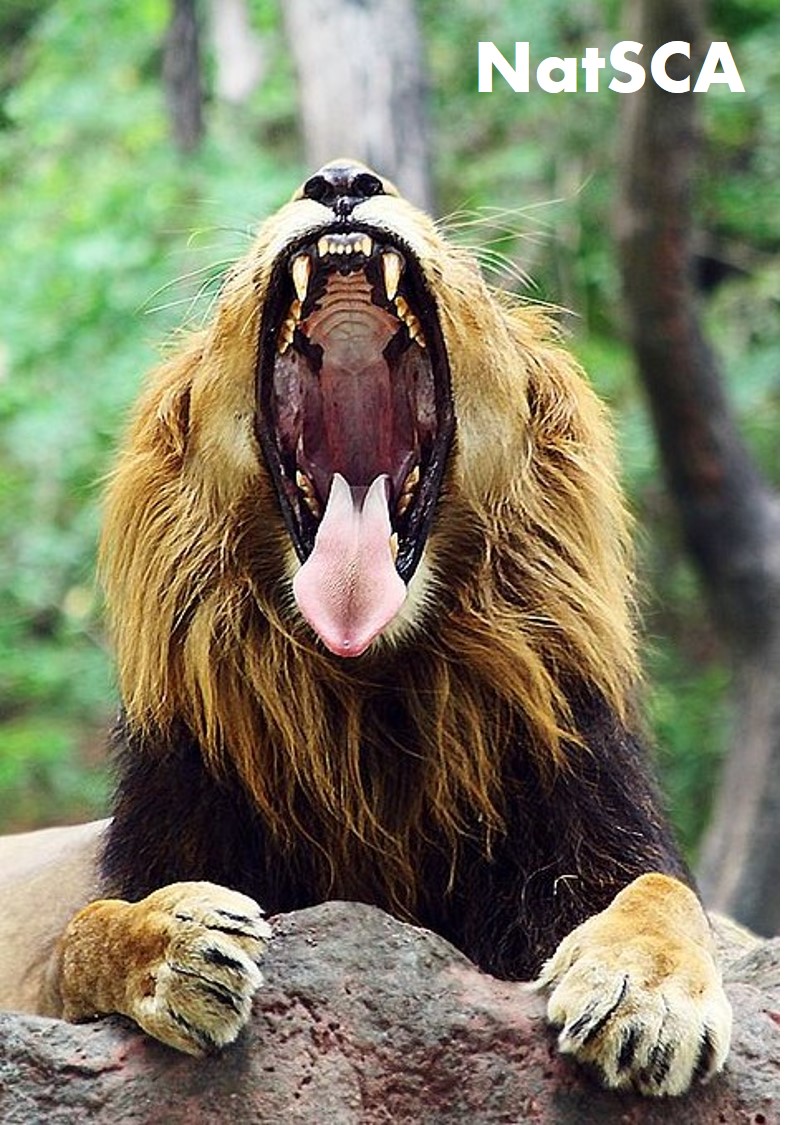
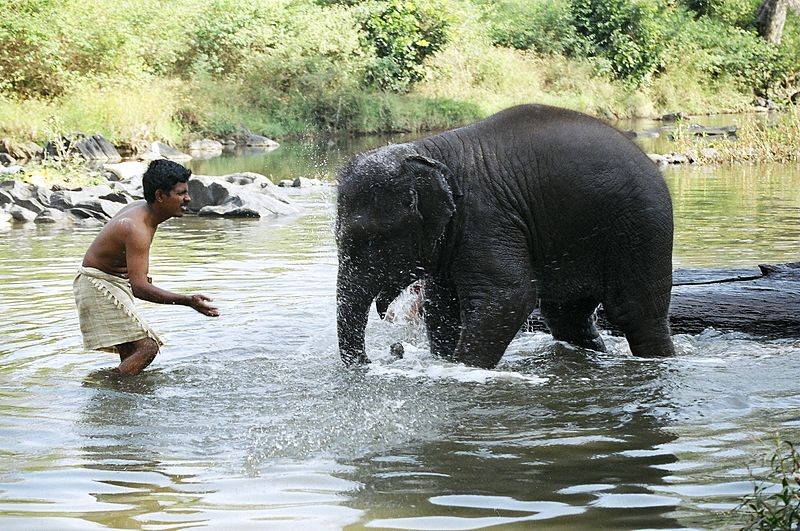
Blogs to shout about (Dakshin, 2013, image in public domain)

Blogs to shout about (Dakshin, 2013, image in public domain)

2016 was a busy year for the NatSCA blog, we published 26 blogs from a super range of authors on an exciting variety of topics. When looking at the analytics of the blog to see what’s popular, it became apparent that people don’t just read what’s current in terms of publication date, they read what’s relevant to them at the time. This means that on top of the 26 blogs published last year, a further 102 blogs dating back to 2012 were also viewed from our archive, in 2016.

Since its inception in August 2012, there have been 182 blogs published on the NatSCA website, and so with such a large number, it’s really interesting to see what grabbed people’s attention, or search engines, the most. Continue reading

Nature Notes

In 2016 the Herbert held its first in-house natural history exhibition since a major redevelopment was completed in 2008. The exhibition, Nature Notes, explored the seasonal changes in local wildlife by displaying taxidermy, nests, insects, botany and fungi, botanical watercolours, oil paintings and contemporary artworks. It encouraged visitors to look at the natural world around them and the artworks aimed to inspire visitors to respond to nature in a creative way.

Nature Notes was designed to be enjoyed by all and accessibility was a key consideration in developing the interpretation and interactives. Additions to the exhibition included Makaton on the text panels and interactive tables; and the provision of accessibility aids such as torches, magnifying sheets and ear defenders. We considered contradictory needs such specific learning difficulties and visual impairments by producing lower contrast labels and providing high contrast large print text to take round the space.

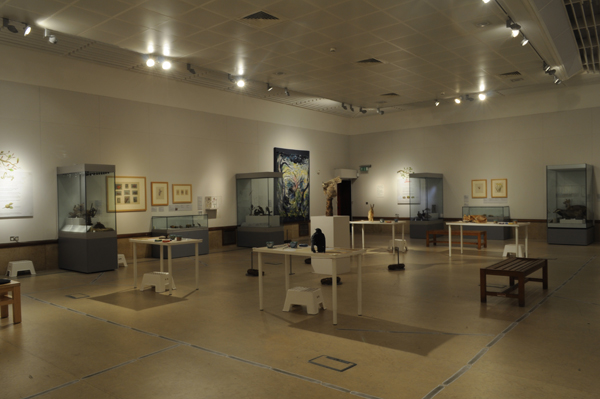
Gallery view of Nature Notes.

Gallery view of Nature Notes. The seasonal display runs around the wall, with interactives and handling specimens in the centre.

The most popular part of the exhibition was the multi-sensory interactive tables with things to touch, smell and listen to. These were created by using low cost tables with adjustable legs with a vinyl graphic applied so they tied in with the exhibition’s design. Five pieces of taxidermy were commissioned – one of each season, plus a spare mouse. We worked with a local group of disabled and non-disabled teenagers to help us choose the right smells for each table – only the brave dared to smell the otter dung! As each offered the same experience of touch, smell and sound this meant queues did not form around one table, allowing for a better visitor experience. Continue reading

SPNHC Annual Meeting 2016

The Society for the Preservation of Natural History Collections (SPNHC) Annual Meeting – Berlin, Germany June 2016

Green Museum – How to Practice what we  Preach

The 31st annual meeting of SPNHC was jointly hosted by the Museum fur Naturkunde (Leibniz Institute for Evolution and Biodiversity Science) and the Botanic Garden and Botanical Museum, Berlin (Freie Universitat Berlin).  The GGBN conference on genomics ran in parallel with a joint opening session, trade show and dinner at the Botanical Garden; in all there were probably around four hundred delegates.

The venue was Hotel andel’s with its substantial conference facility, on the northeastern side of the central part of the city.  Unlike the five other SPNHC annual meetings I’ve been able to attend, on this occasion, the conference poster, trade fair and presentations and most of the delegates (other than those of us who sought out cheaper accommodation) were based on one site.  That this was not a museum did feel a bit strange. Evening networking was aided by some great organised activities – a pub quiz at a beer garden in Spandau, a bicycle tour of the city centre (including a stop at the reconstructed section of the Berlin wall) and a meal and dancing at the Botanical Garden.  Museum tours were available in conjunction with the icebreaker session on the Friday afternoon.  The main conference ran from midday Tuesday to midday Friday. The extensive poster display was located within the trade fair and lunch venue so was easy to access.  Voting slips and prizes for the best posters encouraged delegates to engage with this part of the conference.  Unfortunately, I was not able to stay for the weekend of post-conference workshops or enjoy any of the pre-conference trips.
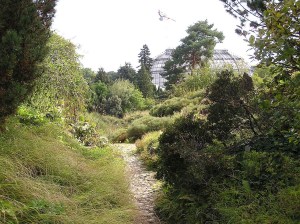
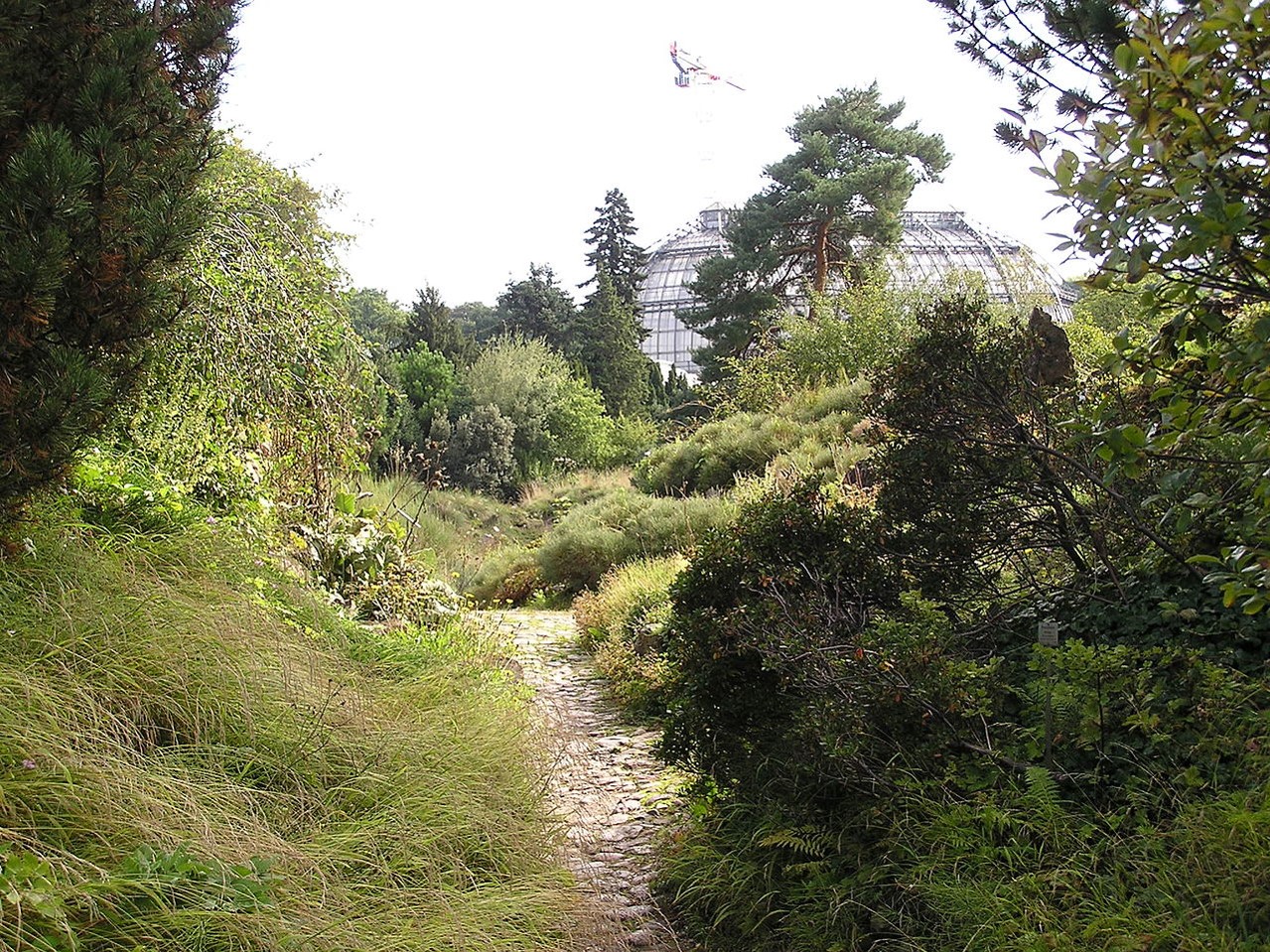
A view within the Botanic Garden, Berlin. (Mauruszat, 2006, image in public domain).

A view within the Botanic Gardens, Berlin. (Mauruszat, 2006, image in public domain).

My reason for attending was to update my knowledge of digitisation and find out what other natural science museums had tried out and succeeded within this field, as well as to promote the geology collection digitisation project at Ludlow Museum via a presentation.  I therefore attended mainly imaging and digitisation sessions.  Sessions covered preventative conservation, iDigBio, SYNTHESIS, GBIF, collections for the future and the Green Museum theme.  By Thursday, in order to accommodate the large number of practitioner presentations, the number of parallel sessions and different themes became rather overwhelming.  Although sessions largely kept to time allowing delegates the option of planning a ‘play-list’ of presentations to attend, the number of concurrent sessions, late nights, 8.30am starts and possibly also the acronyms, meant that audiences were a little sparse in some sessions.

At 200 pages long, the conference publication contained the programme, normal length abstracts of the posters and something I’ve not come across before; two or three page short papers complete with illustrations and references for most of the oral presentations.   This has allowed me to check back, post-conference, on what it was that I missed. However, it was really rather too dense to absorb during the meeting itself.

Highlights – as ever, the multidisciplinary nature of SPNHC meant that people from all branches of the natural sciences and all museum roles were at the meeting allowing for a rich free flowing of ideas.  Paul Mayer of the Field Museum Chicago presented on how digitisation tamed the Tully monster, describing how in three weeks, digital images taken in low angle and polarised light of 1305 specimens in siderite nodules from the US Mazon Creek Formation, Westpahlian D, were used to identify the frequency of morphological features.  The result was the classification of a creature, well known from specimens (and presentations at at least two previous SPNHC meetings) but until this project, un-classified, as an Agnathan fish. This really jumped into focus standing next to Paul looking at hammerhead sharks in the fluid collection gallery on the Museum tour.  Personally, I  was also able to catch up with friends and former colleagues from across the world, some of whom I  haven’t seen for more than a decade.

Presentations ranged from the cutting edge and erudite, through practical solutions, to the wicked issues of collections management.  I learnt that babies could be carbon positive if nappies were cellulose based and recycled into compost, that the synthetic black delegate bag was probably the least green thing about the conference and that as well as benefiting biodiversity, garden based agriculture was far more efficient than large scale agribusiness.  In a twist on the usual apes and human statistic, I was pleased to hear that Homo sapiens and elephants share 70% of the same DNA.  I was also taken back to a task I was allocated in 1988 by ‘a rock is just a rock if it has no data’ in a presentation covering the rationalisation and curation of university Ph.D. research collections.  I was pleased to hear that tight climate control in museums is slowly coming to be recognised as potentially damaging due to rapid fluctuations around the set point, unnecessary and too expensive to operate.  In the refurbishment of the upper floors of the Museum fur Naturkunde it is also deemed to be un-affordable.  The solution developed in the fluid collection gallery is cooling of the gallery walls with buried pipes routing chilled water, and in the upper floor areas currently being refurbished, a sorbent earth based render and plaster wall finish (described as loam) which will serve to buffer extremes of relative humidity.  The pressure to use resources effectively (including the knowledge and ideas to achieve this) was a common theme across all types of museums present at the meeting, with austerity worldwide a key driver – a very different feel to annual meetings I attended early in my museum career where good practice (but also a degree of one upmanship) was the main driver and financial considerations for larger institutions didn’t really come in to it.
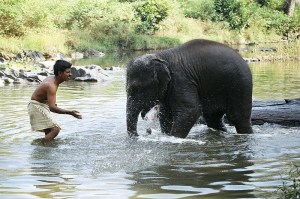
Humans and elephants share 70% of the same DNA. (Franklin, 2005, image in public domain).

Humans and elephants share 70% of the same DNA. (Franklin, 2005, image in public domain).

The SPNHC business meeting included a well-deserved award to David Pinniger for his work in developing Integrated Pest Management systems for museums.  It also provided the opportunity to showcase the venue for SPNHC 2017 (Denver, Colorado) and for the team from Otago, New Zealand to present on their proposal to host the meeting in a few years’ time.

Organising a SPNHC annual meeting and conference is a hugely complex process. This meeting was one of the biggest natural history meetings I have ever attended, so must have been especially difficult.  Congratulations must go to the local organising committee, I hope they enjoyed a well earned rest before getting back to their museum jobs.  I would also like to thank the Friends of Ludlow Museum for supporting a significant part of the cost of my attendance at the meeting from the FISH digitization project funds and NatSCA for a training bursary.

By Kate Andrew


Cold Case Curation

Museums have many curious objects behind closed doors. Recently, volunteers discovered some ‘cold ones’ at Tullie House Museum and Art Gallery Trust.

Behind Closed Doors

If museums are icebergs, then museum exhibits are just the tip; and the remaining 90% or so of specimens are tucked away safely behind closed doors. Many people, lucky enough to have visited these museum storage areas (‘behind-the-scenes’), will be familiar with almost endless rows of racks and shelves packed with all sorts of different objects, ranging from Chinese vases to taxidermy monitor lizards. But few non-curators would be familiar with the idea of freezers full of dead animals!

We have two large freezers, at our off-site storage facility, packed full of animals; we needed to know exactly how many animals were in there and where they were from, hence this project- Cold Case Curation. The specimens also have excellent provenance; labels with location details including specific grid references and dates. Therefore this Cold Case Curation project was as much a biological survey (albeit indoors) as a detailed museum inventory.

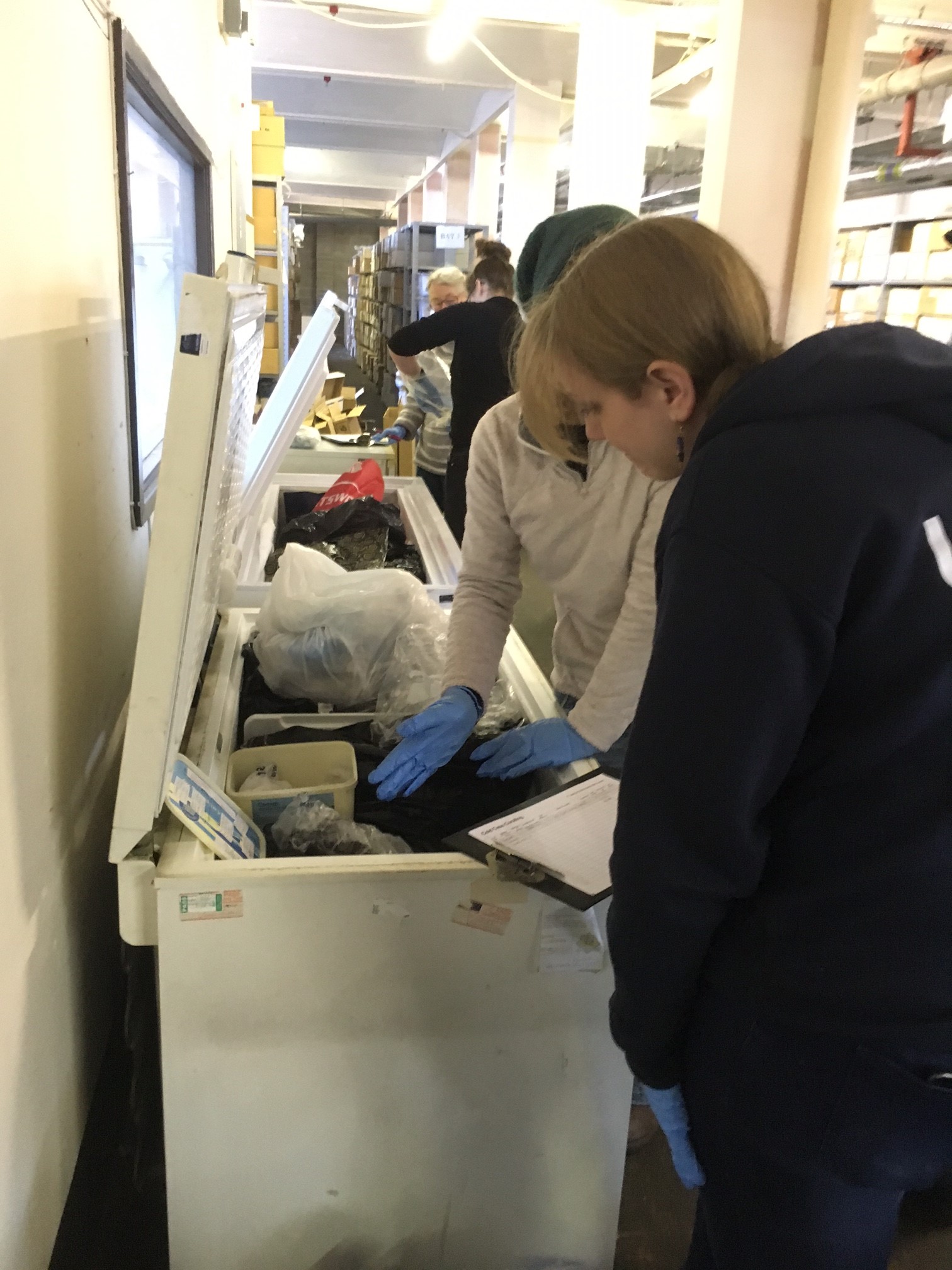
Cold Case Curation in action; the team of five volunteers “surveying” the “fauna” of our freezers

Cold Case Curation in action; the team of five volunteers surveying the ‘Fauna of our Freezers’.

Volunteer-Power

Enter our team of volunteers. They were specially recruited for a day for this Cold Case Curation task; to survey the frozen fauna, matching specimens against existing inventory records. This was a joint initiative with our Cumbria Biodiversity Data Centre (hosted at the Museum), to capture biological records. Most of our volunteers are long-term with the Museum and the Centre, and are current university students.

As our team of five volunteers eagerly crowded around the two huge freezers, they were fascinated with the idea of freezing animals to preserve them before they are stuffed and prepared as taxidermy specimens (but don’t worry, they all died naturally!).

In teams, the volunteers enthusiastically worked their way through documenting the freezer contents. 241 individual specimens later, we had documented 11 species of mammal and 48 species of bird. Interesting discoveries included a bittern, a little grebe chick, 10 waxwings and a white-tailed tropic bird (with stomach contents). Volunteers delighted in handling iconic British species including 54 red squirrels and 24 barn owls.

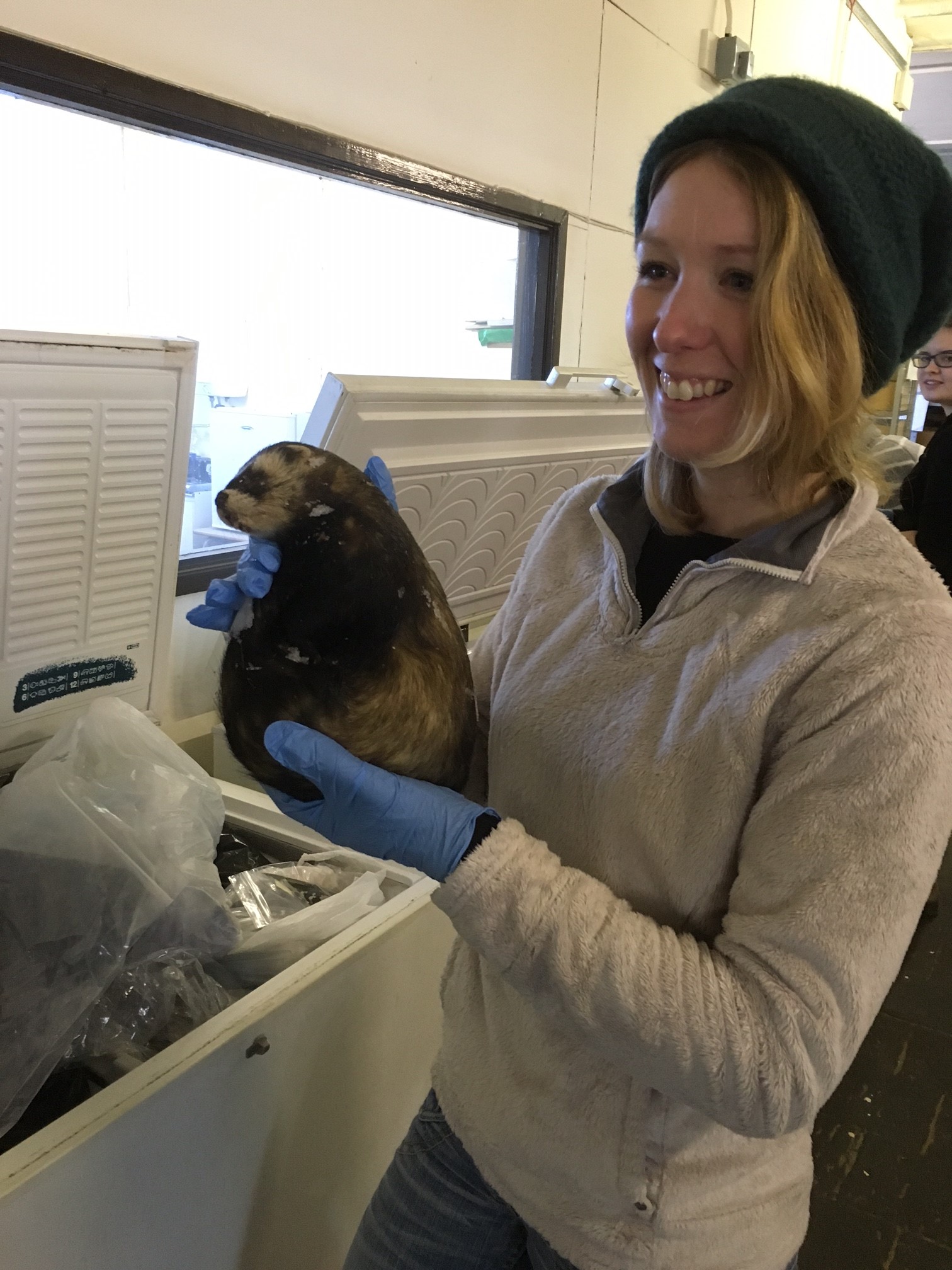
Volunteer, Jessica Mitchell proudly wielding a polecat from the freezer “faunal assemblage"

Volunteer, Jessica Mitchell proudly wielding a polecat from the freezer faunal assemblage.

Their experiences are best summarised in their own words;

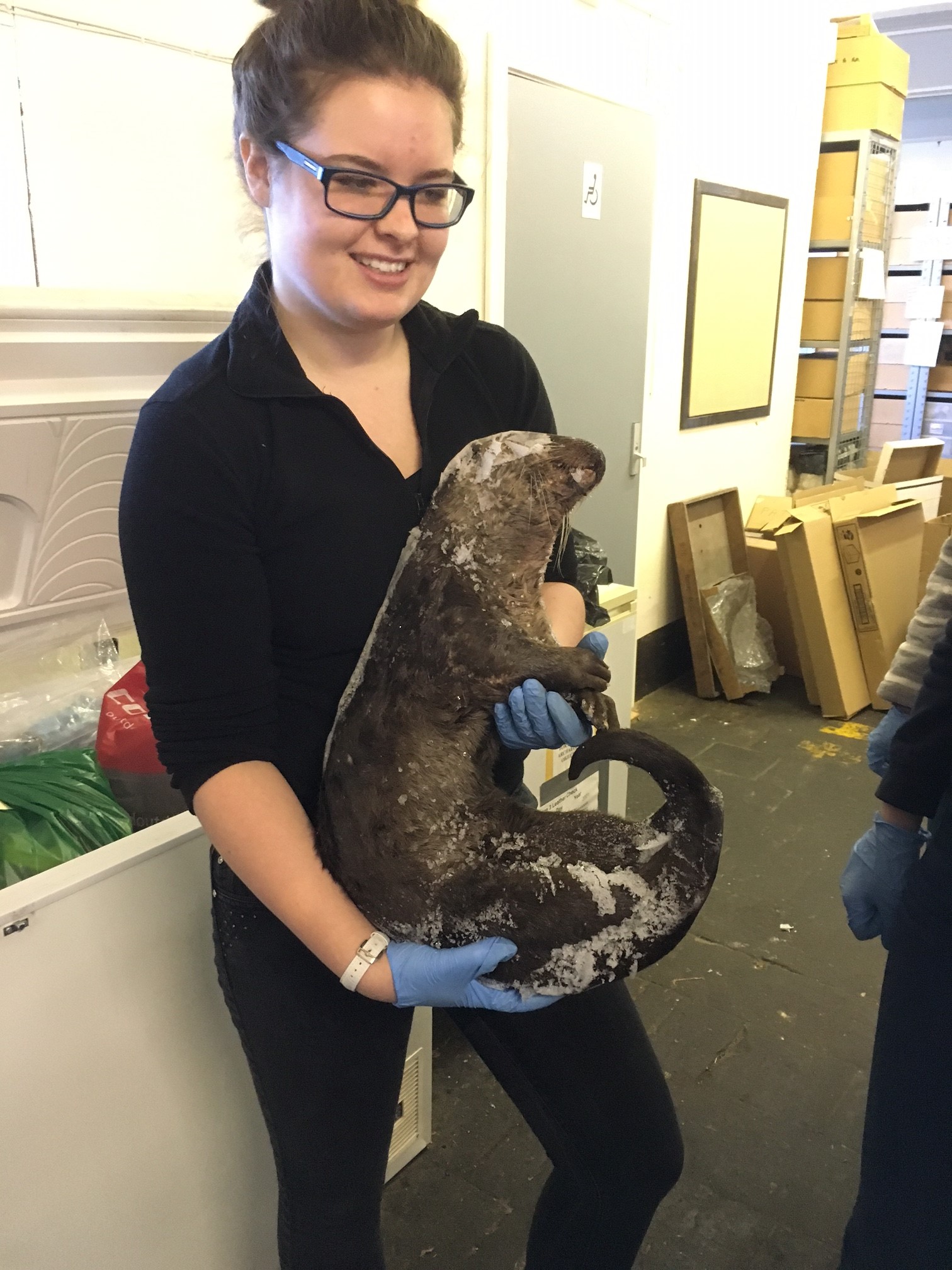
“After helping out at Tullie House with their cold case curation, recording everything they had in the freezers, we found some amazing specimens from polecats to owls, your typical garden birds to brown hares, but I have to say my favourite by far was the river otter. This otter was fantastic and it was brilliant to see it so upclose as it is a creature I have only seen from afar in the wild. This event was extremely educational and rewarding to myself as I’m studying zoology here in Carlisle”.  Volunteer, Laura Carter.

Volunteer, Laura Carter with River Otter discovery from freezer

Volunteer, Laura Carter with a River Otter discovery from the freezer.

Another volunteer, Donna Salter was also drawn to the otter:

“It’s a bit obvious to go for the big, furry, cute mammal, but my favourite has to be the otter. I was somewhat of an otter obsessed child: other girls wrote fan letters to Mark Owen or Ronan Keating while I wrote to Philip Wayre, founder of the Otter Trust (he sent back a signed visitors guide – I still have it). So for me, getting to hold and see the details of an otter can’t really be beaten!”

Cold Case Reflections; Learning from the Model

The Museum has greatly benefited from this exercise with our detailed inventories and biological records which will go into our database and ultimately end up on the Global Biodiversity Network Gateway for public access (and we also have the data we need to make more informed decisions over which specimens we decide to formally accession). However, this project proved to be a particularly successful public engagement event. It was a combination of the fact that volunteers were seeing and handling a variety of animals and that they were ‘discovering specimens’, whilst working together as a team, which is vastly more enjoyable than lone working. The event was enhanced with use of Twitter  (#coldcasecuration), which captured some of the magical moments of discovery.

This exercise illustrates how a relatively routine (inventory) collections management exercise can be turned into an exciting public engagement project, capturing critical data for the museum and inspiring a future generation of potential young scientists and curators.

By Simon Jackson, Curator, Tullie House Museum and Art Gallery Trust