Size Matters: Pesticides in Large Mounted Vertebrate Specimens

Written by Becky Desjardins (Senior Museum Preparator & Conservator), Georgia Kay & Kim König (MSc students Museums & Collections – Leiden University; Naturalis Interns), Naturalis Biodiversity Center.

Back in 2013, Naturalis conducted a research project about arsenic in the museums’ specimens. The goal was to determine if arsenic was spreading from the collection areas into staff and or public areas of the museum. We tested many specimens with an XRF but also tested the elevators, door handles, floors, shelves, keyboards, etc. From this testing we developed protocols about handling specimens and how we use the spaces in the collection. You can read all about that project over here.

What didn’t get tested were the large mounted vertebrates. Back in 2013 the Naturalis collections were spread over a number of warehouses around Leiden. Because these external buildings were considered depots only (meaning no offices/canteens in these spaces) there was less concern about arsenic contamination in non-collection areas. The large vertebrates were considered to be high risk specimens (so very toxic), and were handled as such, they never had their moment with the XRF.

Continue reading

NatSCA Digital Digest – July

Compiled by Lily Nadine Wilkes, NatSCA Volunteer.

Welcome to the July edition of NatSCA Digital Digest.

A monthly blog series featuring the latest on where to go, what to see and do in the natural history sector including jobs, exhibitions, conferences and training opportunities. We are really keen to hear more about exhibition launches, conferences (live or virtual) and webinars, and new or interesting online content. If you have any top tips and recommendations for our next Digest please drop an email to blog@natsca.org.

What To See & Do

The ‘Insectarium: Fascination and Fear’ exhibition present artwork on the feelings that insects inspire in us. If you can’t make it to Aberlady, Scotland, you can view the art online here.

If you’re looking for something crafty to do there are plenty of online workshops to take part in. With the Oxford University Museum of Natural History on 14th July at 8pm participate and enjoy ‘Drawn to Nature: Conservation’. In this online event you will hear about the art of conservation before taking a chance to draw some natural history specimens. The Natural History Museum are offering making sessions where you can create a crochet dinosaur or make your own plant pot.

Continue reading

Book Review: Managing Natural Science Collections

Written by Jan Freedman, Curator of Natural History, The Box, Plymouth.

Working with natural science collections is quite a unique role. The specimens we care for, the stories they tell, the research we carry out or help facilitate, and the engagement with the public, are just a few rewarding jobs that we carry out daily. Sometimes there are barriers between those working with natural science collections and those at a higher management level. This is mainly due to a lack of understanding of the importance of these types of collections. “Why are there so many flies?“, “It’s just taxidermy, bring it out for people to stroke“, “It’s just a rock”. Just a few of things many of us have heard being said about natural science collections.

Whilst we can respond to these kinds of comments, some of us may find it more difficult to respond in a strategic way: in a language that makes sense to high level managers or funders. I have in the past, and I’ve found that frustrating, because I know the importance of the collections I look after. I was very pleased to be asked to review a new book about management of collections, focusing on strategy and development, Managing Natural Science Collections: A guide to strategy, planning and resourcing which was released this year and it couldn’t have come at a better time. A time when the country is recovering from an economic slump after the Covid pandemic. A time when cuts to the museum sector are inevitable.

Continue reading

NatSCA Digital Digest – June

Compiled by Olivia Beavers, Assistant Curator of Natural Science at The Potteries Museum & Art Gallery.

Welcome to the June edition of NatSCA Digital Digest.

A monthly blog series featuring the latest on where to go, what to see and do in the natural history sector including jobs, exhibitions, conferences and training opportunities. We are really keen to hear more about museum re-openings, exhibition launches, virtual conferences and webinars, and new and interesting online content. If you have any top tips and recommendations for our next Digest please drop an email to blog@natsca.org.

Where to Visit

The Museum Association is hosting a series of webinars including: Future of Museums: Curation on June 10th and Coronavirus Conversations: Learning and Engagement Manifesto on June 17th.

The Science Museum invites you to a climate talk: How are our oceans responding to climate change? It is a free online event from 19:30 – 20:45 and you can book your place here.

The European Association of Vertebrate Palaeontologists (EAVP) will be having their 18th Conference (online) starting July 6th to 9th – more information about the event can be found here.

Continue reading

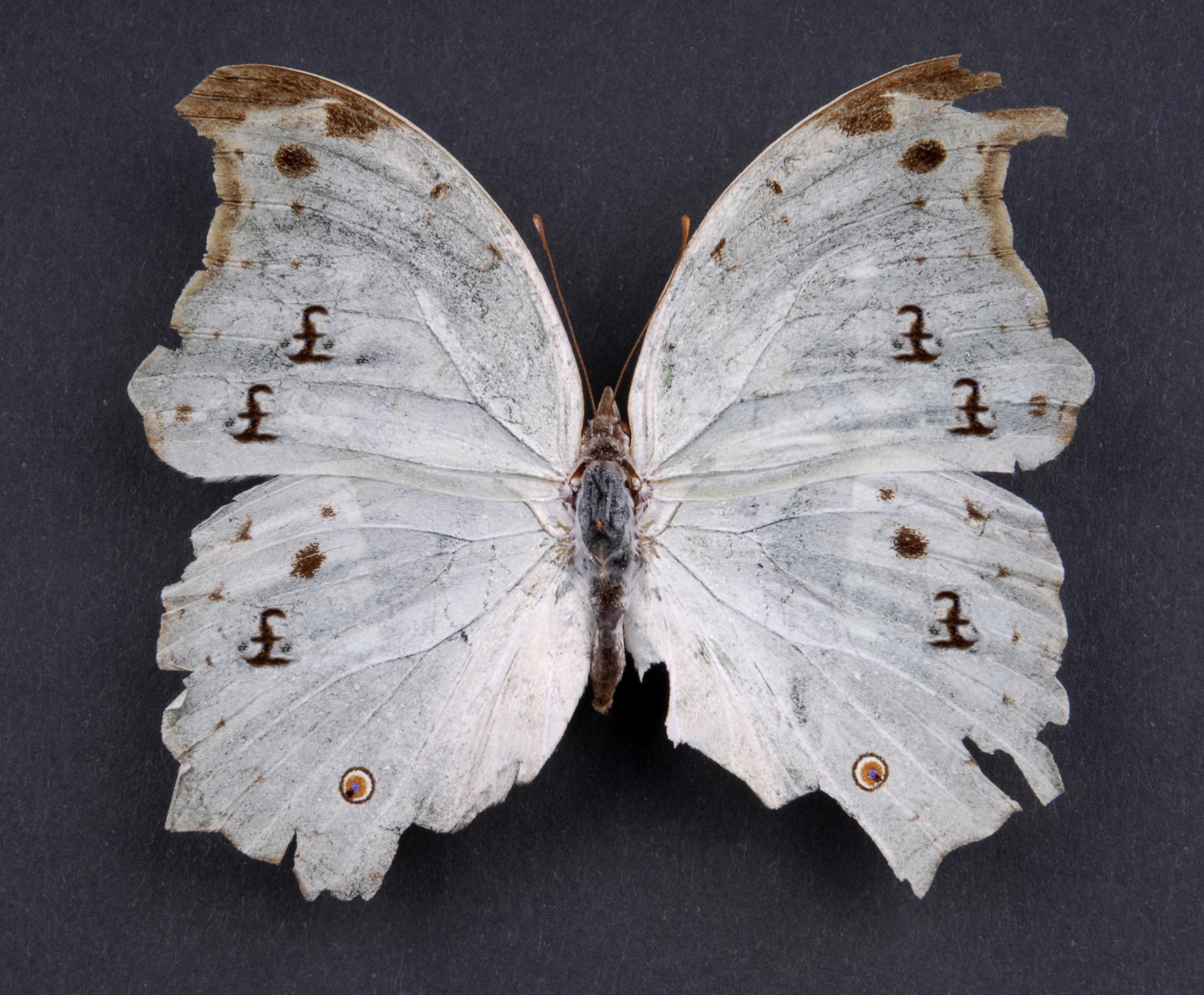
Loot For Coots/Dough For Crows/Brass For Bass/Dosh For Moss etc.: Fundraising For Natural Science Collections

Written by Clare Brown, Curator of Natural Science, Leeds Museums and Galleries.

Money, it doesn’t need an introduction or any commentary on how hard it is to do anything without it. However, I will say that trying to get hold of it for natural science collections is not impossible and definitely worth pursuing. At Leeds, despite not having a fundraiser on staff, we’ve had quite a few >£100,000 natural science collection grant applications succeed (and fail) over the past few years and I would encourage everyone to put ‘try and get some grant money’ into their work plan.

© Leeds Museums and Galleries

Where To Go For Money

Looking for who will fund you is half the battle. There are paid-for databases out there (Grantfinder, Grants Online, Funds Online etc.) and free ones (Get Grants, Government Funding Database etc.). I’m not endorsing any of these but they can be helpful if you want an idea of who might fund your project. Be wary of eligibility though, as part of a local authority, Leeds Museums and Galleries are not allowed to apply for loads of grants. Sob.

In the summer of 2019, Sarah Briggs of the UK Museums Association spoke at NatSCA’s conference in Dublin about the lack of applications the Esmee Fairbairn Collections Fund receives from natural science collections. She would like to see more and the board seem keen on projects that look to help the environment.

Well known funders of natural science collections would be: National Lottery Heritage Fund, Esmee Fairbairn Foundation, Esmee Fairbairn Collections Fund (administered by the Museums Association), The Wolfson Foundation, The John Ellerman Foundation, Garfield Weston Foundation but there are plenty more.

The John Ellerman Foundation has a good background story. Ellerman was the son of the richest person in England at the beginning of the 20th century. He could have gone into business but instead decided to concentrate on collecting rodents.

Your local area charities/friends group/learned society might well offer a grant scheme and so it’s worth asking around and making local connections.

Last, but not least, NatSCA offer yearly grants to natural science collections through the Bill Pettit Memorial Fund scheme. You can apply for anything – not just conservation or collections management work.

Continue reading