Many Hands Make Light Work

Written by Milo Phillips, Assistant Curator of Entomology at Leeds Museums and Galleries.

The past couple of years have seen a significant shift toward digital alternatives throughout the museum sector, from online exhibitions to webinars and remote conferencing, with our collections and their stories reaching a potentially global audience, more so than ever before. While much is being done to boost engagement with collections in new and exciting ways, museums on the whole have yet to harness the power of this shift when it comes to collections management.

The value of our natural science collections lies in their accessibility, in how open they are to this growing audience, from our local schools to researchers around the world and everyone in-between.
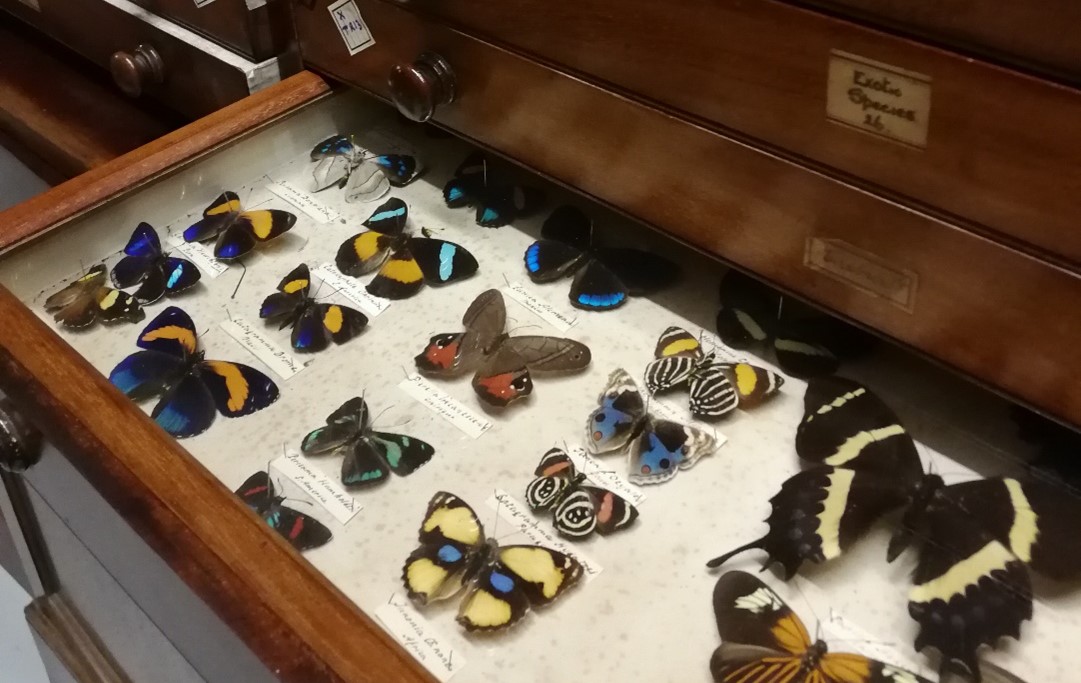
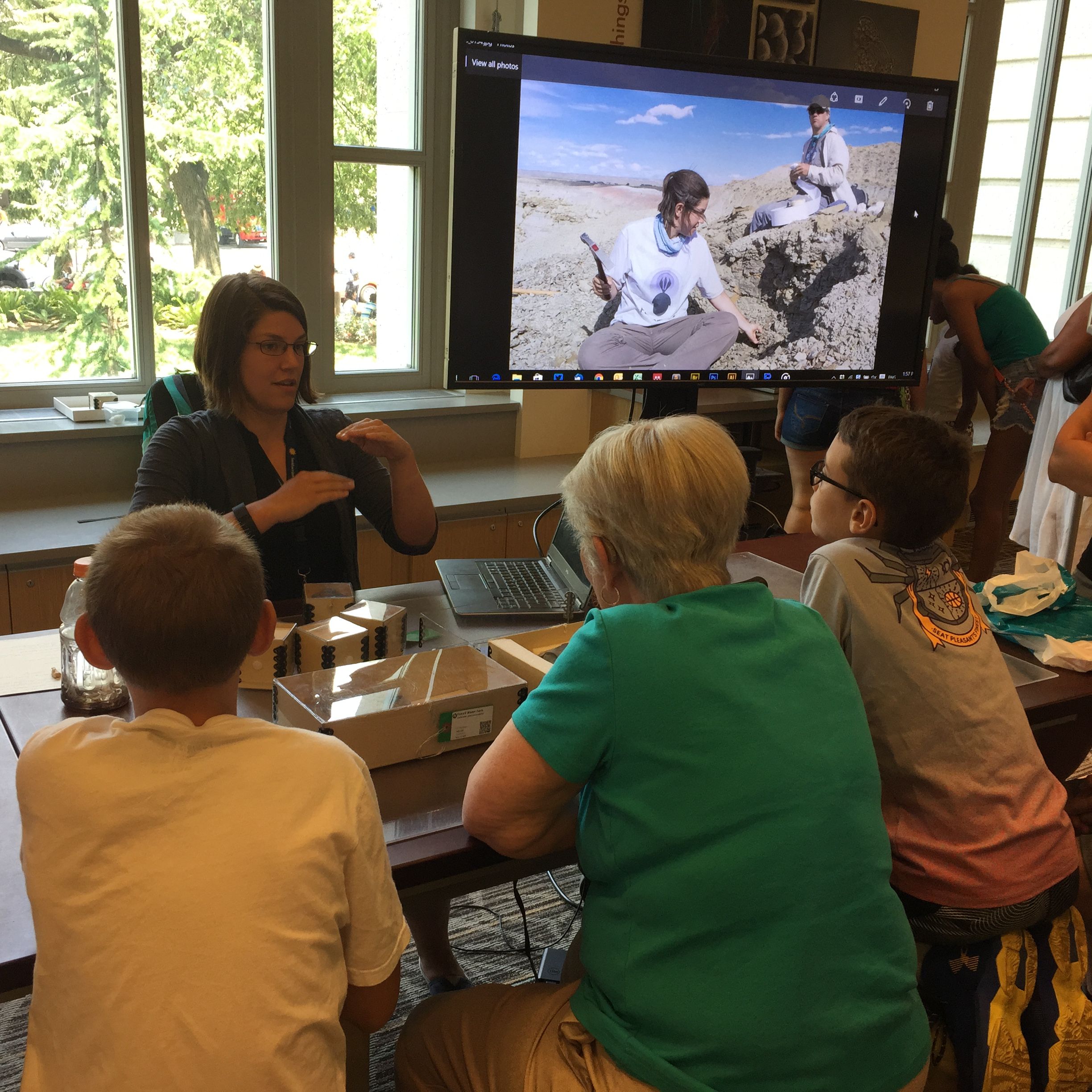
As our collections grow and our technology improves, digitization has become an important part of maintaining natural history collections. Using a citizen science approach, and bringing museum audiences on-board, we can turn collection management into a way of improving our collections, while simultaneously facilitating a deeper and more meaningful level of engagement with our objects and their stories.

Zooniverse is a free online platform built to facilitate a crowdsourced approach to large data sets and, while traditionally used by academic research groups, is an ideal solution to tackling tasks with much more efficiency than lone curators or even dedicated teams might be able to achieve. Projects can either be restricted to a specific group of users or opened up to the public for anyone to contribute their time to.

Continue reading

The SS Great Britain’s ‘Final Passenger’

Written by Nick Booth, Head of Collections, SS Great Britain Trust.

Drakon Heritage and Conservation can be contacted via their website – https://drakonheritage.co.uk/.

This blog explores conservation work and public engagement activities focused on a natural history specimen found in an unlikely museum setting, made possible thanks to the Bill Pettit Memorial Award 2020.

Brunel’s SS Great Britain is a museum and visitor attraction on the harbour side in Bristol. The site centres around the Steamship Great Britain, which sits within the drydock she was originally built in and launched from on the 19th July 1843. The famous Victorian Engineer, Isambard Kingdom Brunel, acted as her Chief Engineer. She returned to the same drydock on the 19th July, 1970 – a gap of 127 years during when she steamed or sailed to every continent in the world, excluding the Antarctic, and circumnavigated the globe 32 times. The site also includes two museums – the Dockyard Museum, which tells the story of the SS Great Britain from construction to her return to Bristol, and the Being Brunel Museum, which explored the life and works of IK Brunel. The Trusts Collections were Designated in 2014.

In March 2020 the SS Great Britain Trust applied for funding as part of the Bill Pettit Memorial Award.

Continue reading

Meet The Committee – Laura Soul

Name

Laura Soul

What is your role on the NatSCA committee?

I am new to the committee, so I am helping out wherever I am useful, which to start off with has been assisting with planning training and our approach to diversity and inclusion.

Job Title and Institution

I’m the Manager of National Learning Programmes and Partnerships at the Natural History Museum, London.

Twitter Username

@soul_sci

Continue reading

Creating the River Otter Beaver

Written by Jazmine Miles Long, Ethical Taxidermist, Artist, Educator and Natural History Restorer, https://www.jazminemileslong.com, Twitter: @TaxidermyLondon; Instagram: @Jazmine_miles_long

Jazmine with the River Otter Beaver in process

In April 2019 Holly Morgenroth (Collections Officer at The Royal Albert Memorial Museum) gave me a call to say she had acquired a dead beaver that was in good condition for taxidermy. This was significant because this beaver was part of the River Otter Beaver Trial. All deceased beavers should now be sent to the Zoological Society of London for medical autopsies, which means they are usually not in good enough condition for taxidermy after the procedure. This particular beaver, originally from a population of beavers in Scotland, had been introduced to the River Otter in April 2019 to expand the gene pool of the population. Sadly she was found dead – it is possible she drowned in salt water as there were no visible injuries from conflict or a road traffic accident. Devon Wildlife Trust decided she did not need a post mortem and very kindly handed her over to Holly at the museum. Holly jumped at the opportunity and expertly packed her into a large plastic tub and placed her in the museum’s chest freezer and got to work obtaining funding to have her processed into taxidermy and a full skeleton.

Continue reading

A Very Important Beaver

Written by Holly Morgenroth, Collections Officer / Natural Sciences Curator, RAMM.

A New Acquisition for RAMM

This blog post tells the story of a new and very important acquisition for the Royal Albert Memorial Museum & Art Gallery (RAMM) in Exeter. I grew up in a small Devon village called Otterton and spent many happy hours wandering the banks of the River Otter observing the rich wildlife it had to offer. So when in 2013 news broke that a family of beavers (a species extinct in the wild in Britain for over 400 years) had made the river their home I watched with great interest.

Their arrival divided opinions. The Government planned to remove them from the river. But the beavers captured the hearts of the public and Devon Wildlife Trust (DWT) saw a unique opportunity for research. The beavers became part of a five year scientific trial run by DWT to assess their impact on local geography, ecology and people. The results of the trial were overwhelmingly positive.

Continue reading