The Dead and the Living: Natural History’s Two Key Pillars in New Art Exhibition

Written by Jack Ashby, Manager of the University Museum of Zoology, Cambridge, and curator of ‘Evolution as Inspiration’

Over the past year, I’ve been working with one of the world’s leading naturalists, Jonathan Kingdon, to produce an exhibition of his artworks, entitled Evolution as Inspiration. Translating his science through his art, Kingdon has sought to explore and explain the how’s of why’s of animal appearances.
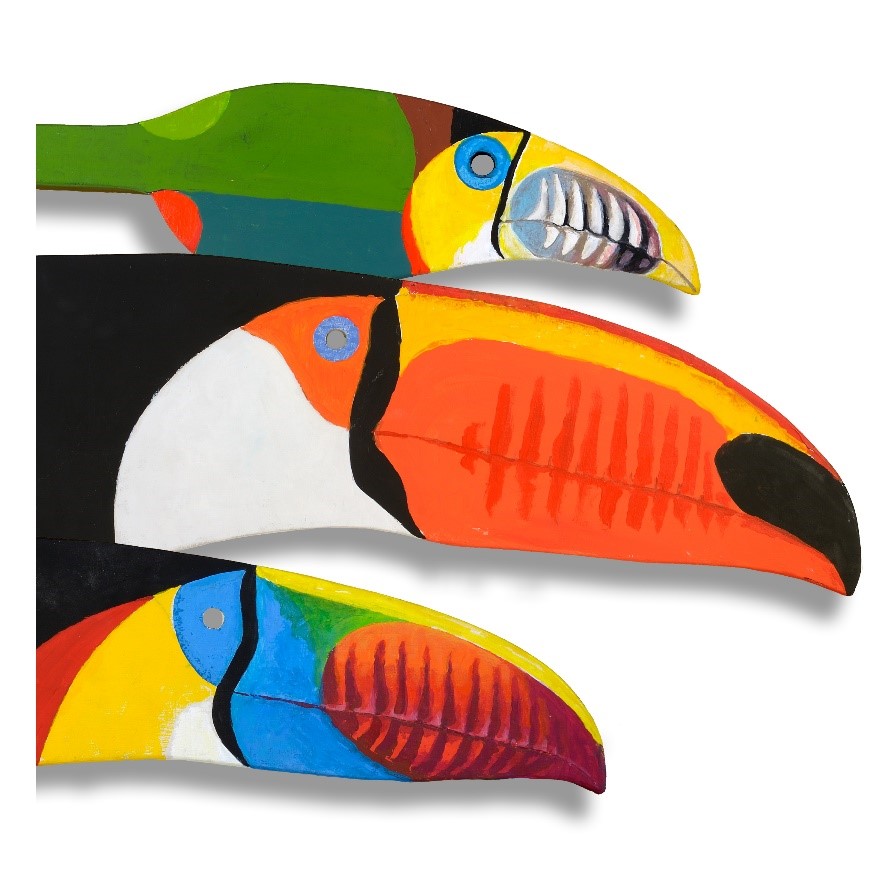
Beaks as Flags (detail), 2010. Jonathan Kingdon

Although it is an art exhibition of ceramics, sculpture, paintings and drawings, in several senses a natural history museum like ours is the perfect place for this show. Evolution as Inspiration is arranged in two parts. One focusses on the drawings Kingdon made whilst dissecting animal carcasses as he sought to document and understand the adaptations beneath the skin; the other explores his scientific analysis of the evolution of animal signalling and colouration, resulting from decades of observing the behaviours of wild animals.

These two elements of Kingdon’s work reflect two central pillars of natural history: what we can learn from dead specimens is very different to what we can understand by watching live animals in the field. These dual strands of zoological research are also embodied by the history of our collections, and by the people who work and study here in the Museum, in the University of Cambridge’s Department of Zoology in which we are embedded, and in the Cambridge Conservation Initiative (CCI) with whom we worked with to co-curate this exhibition.

Continue reading

Wild About Portsmouth – Discovering and Uncovering a Little Known Natural History Collection

Written by Christine Taylor, Curator of Natural History, Portsmouth Museums

Wild about Portsmouth is a two-year Heritage Lottery Funded project to share and raise the profile of the city’s natural history collections.  In addition to enabling visitors to get more hands on with the collections through events and activities, work is being carried out to make them more accessible for museum staff and researchers.

Challenges

The collections are held at three sites across the city and housed in environmentally controlled stores with many specimens held in archival quality boxes. However, the absence of a natural history curator for over 10 years has led to a series of challenges with accessing them:

Little Knowledge of Collections

Apart from the sizeable and substantial HLF Guermonprez Collection transferred from Bognor Regis Museum in the 1970s, very little was known about the collectors associated with the remainder of the natural history collections. In-depth knowledge of the HLF Guermonprez Collection has also been lost over time, although it is occasionally cited in publications by Sussex naturalists.

Continue reading

Beauty in the Eye of the Turtle Holder

Written by Becky Desjardins, Senior Preparator, Naturalis Biodiversity Center

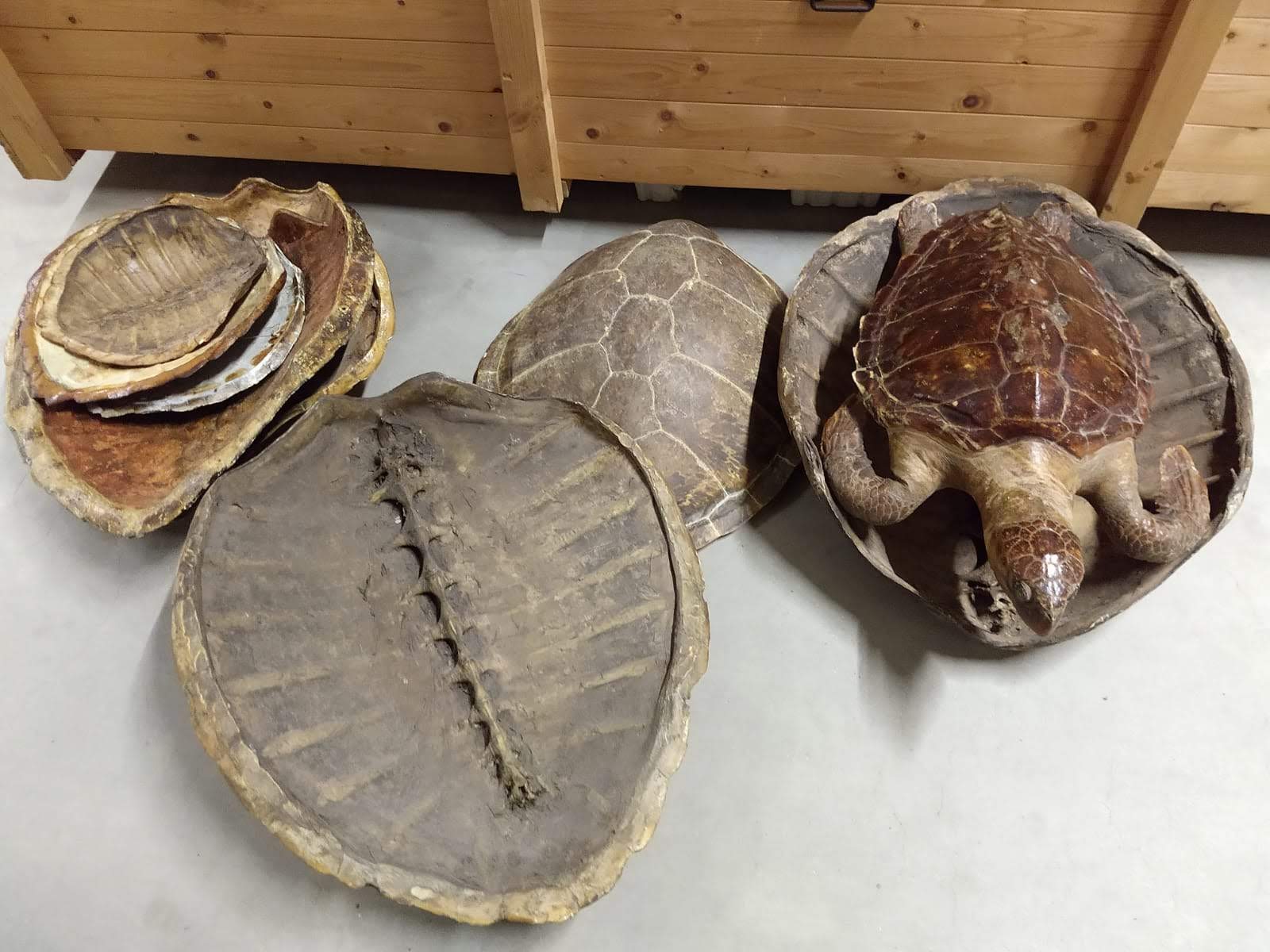
Recently, we were cleaning up some mounted turtles and turtle shells destined to go in the new Live Science Hall. All of these came from Amsterdam Schipol airport, where they had been confiscated by customs agents.

© Becky Desjardins

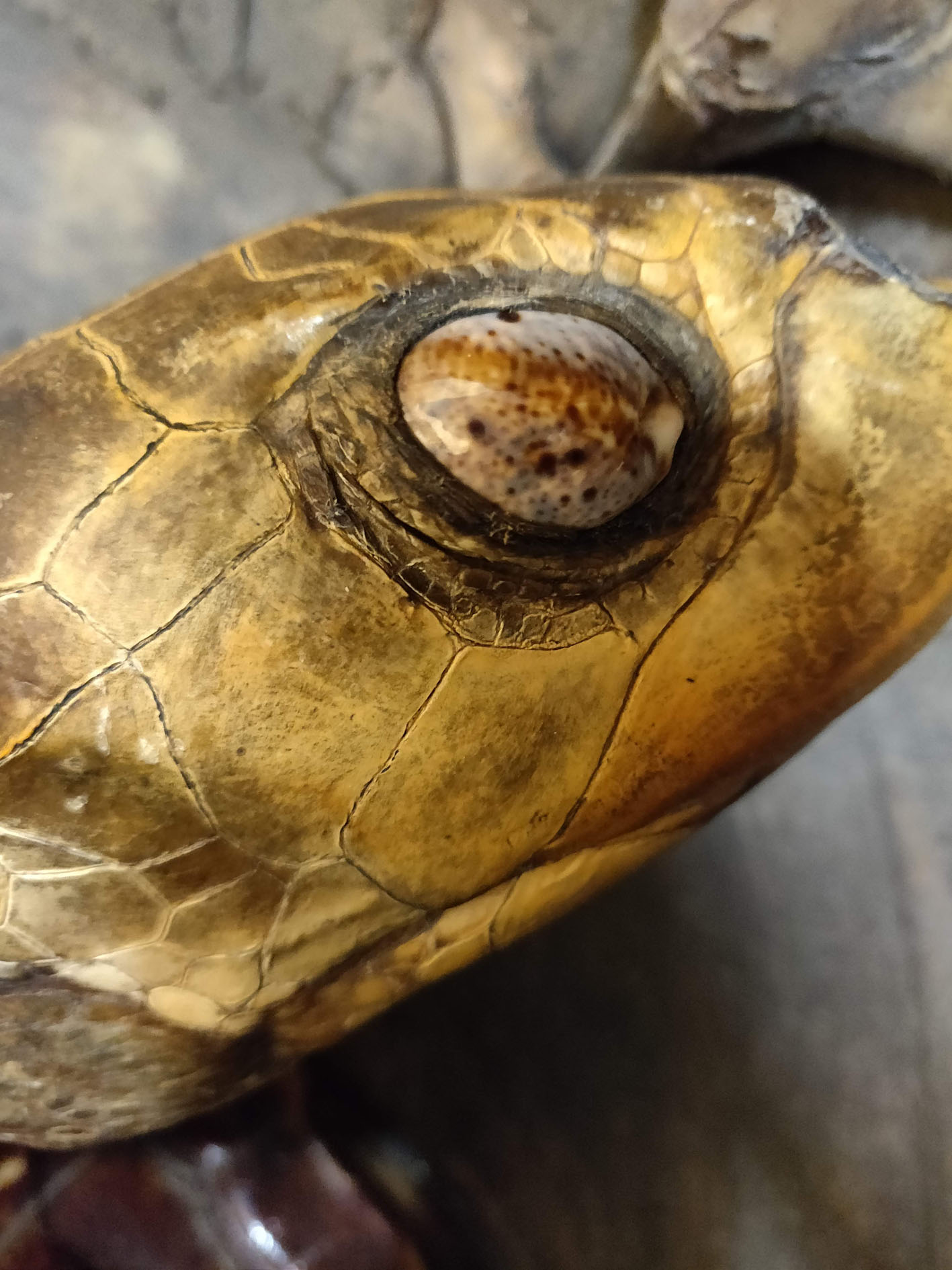
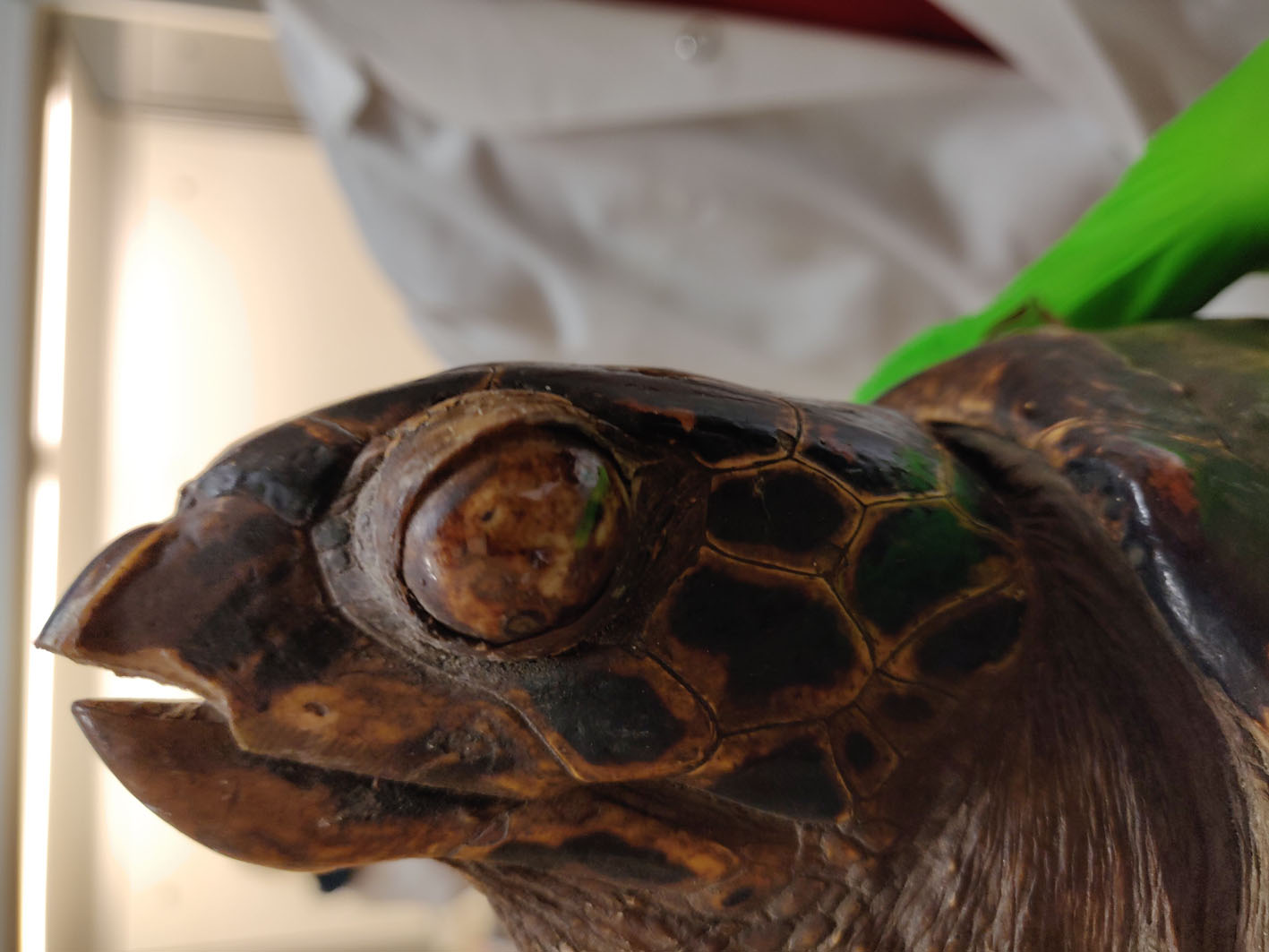
When taking a closer look at these animals we noticed that none of these specimens had the normal glass eyes used in taxidermy. Instead they were made of other materials less commonly used for mounting animals.

Quite a few of the turtles had eyes made from shells. Some appear to be cowrie, but we could not identify them all, and a few other shells were painted black making them impossible to identify.

© Becky Desjardins

© Becky Desjardins

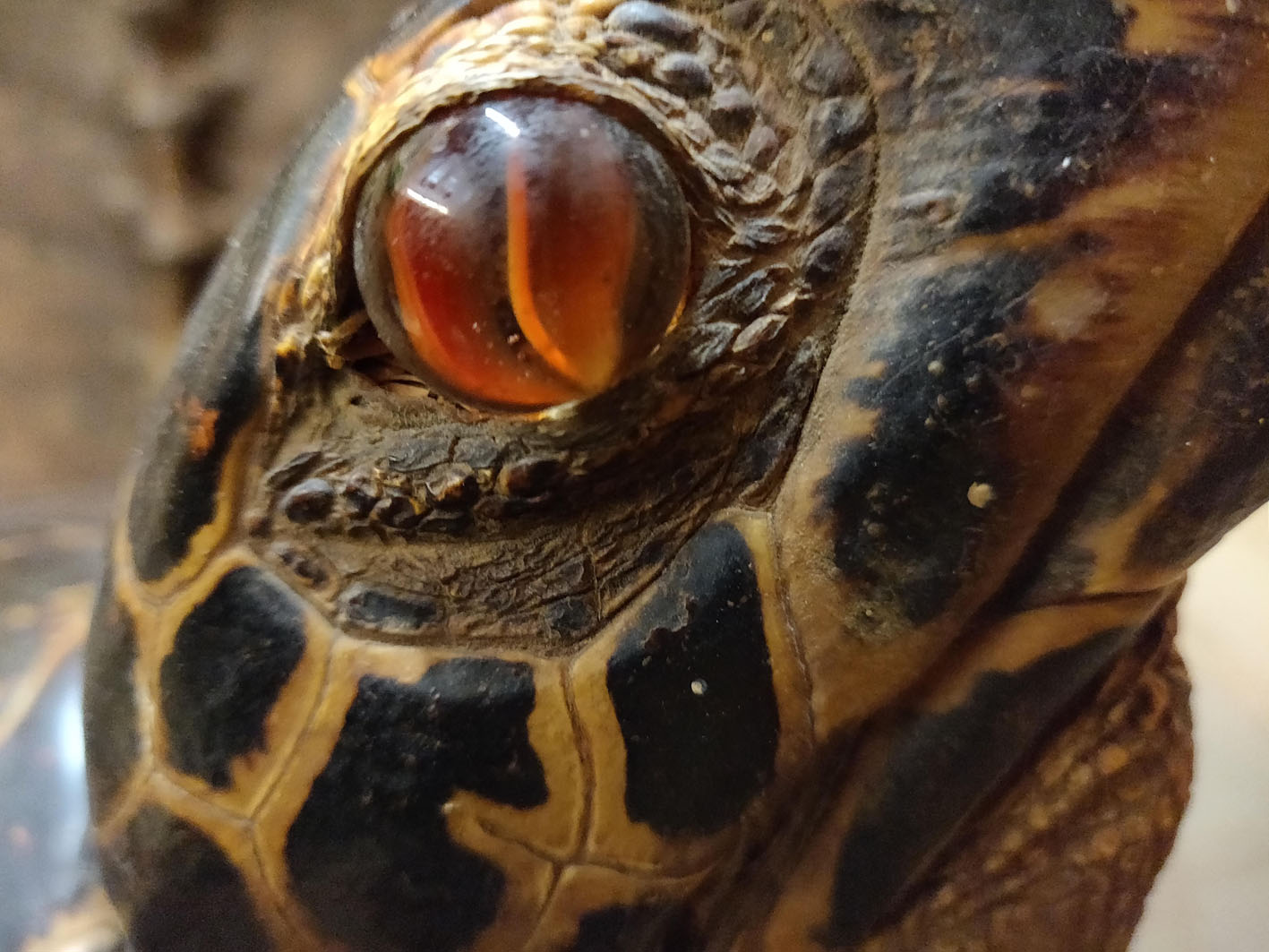
Then we came across one turtle with a glass eyes made from a marble. Funnily enough, they used a “cat’s eye” marble and the coloured core actually made the eye look quite lifelike.

© Becky Desjardins

Continue reading

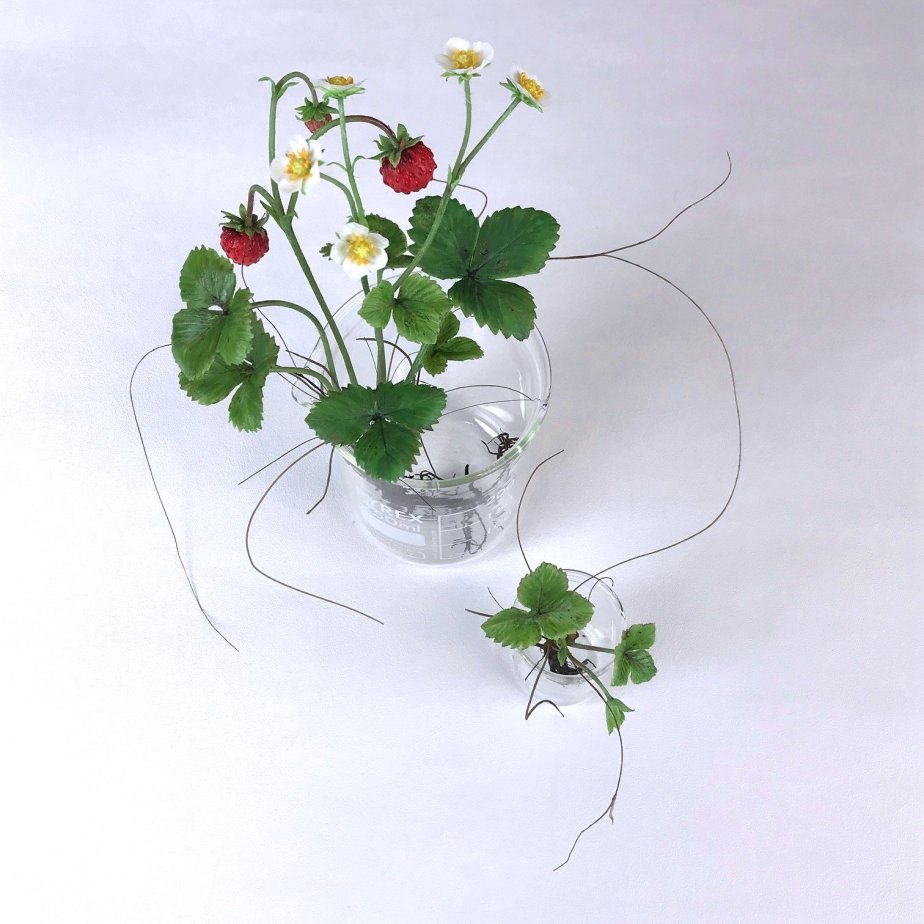
Making a Wild Strawberry Sculpture from Honey Bee Wax. A Scientific Art Collaboration with Cornell University, New York.

Written by Annette Townsend, Natural History Artist, Designer, Maker, Cardiff.

© Annette Townsend

In November 2017 I attended the Cross-pollination, Revaluing Pollinators through Arts and Science Collaboration conference at Swansea College of Art. The conference marked the end of a successful and pioneering project funded by both the Arts and Humanities Research Council (AHRC) and the Arts Council of Wales, combining Art with Science to explore new insight into perceptions of the value of honeybees and wild pollinators.

As an artist I’ve spent most of my career working alongside scientists on science communication projects and my current work focuses on the protection of nature and features pollinating insects, so the project was of great interest to me.

At the conference I heard many fascinating lectures and discussions but it was my chance conversation with Assistant Professor Scott McArt, from the
Entomology Department at Cornell University, that sparked a creative idea which has developed into a collaborative piece of artwork, which is now on display in the new PolliNation exhibition at the Mann Gallery in Cornell.

Continue reading

Global Biodiversity Collections: Becoming Part of the Open Data Community

Written by Isla Gladstone, Senior Curator Natural Sciences, Bristol Museums

On 13th March I travelled to Sofia in Bulgaria, my mind buzzing with questions about biodiversity data…

I had been awarded one of 30 funded places on the first training school of Mobilise, an EU initiative to mobilise data, experts and policies in scientific collections. More specifically, Mobilise is an EU COST Action: a bottom-up network funded over four years to boost research, innovation and careers by COST, an intergovernmental framework for European Cooperation in Science and Technology.

Digitisation and data management challenges in small collections promised new skills in the key basics of data quality and cleaning. It also offered a chance to meet colleagues from around the world, and connect to a bigger picture.

At a time of unprecedented human-caused climate change, biodiversity loss and environmental degradation, it feels more urgent than ever to connect museum collections to real-world change. Natural sciences collections offer precious opportunities here. Alongside huge potential to engage communities and inspire debate, specimens are unique sources of the scientific evidence urgently needed to unlock sustainable development solutions:

“There is more information about biodiversity in [the world’s] natural sciences collections than all other sources of information combined.” iDigBio

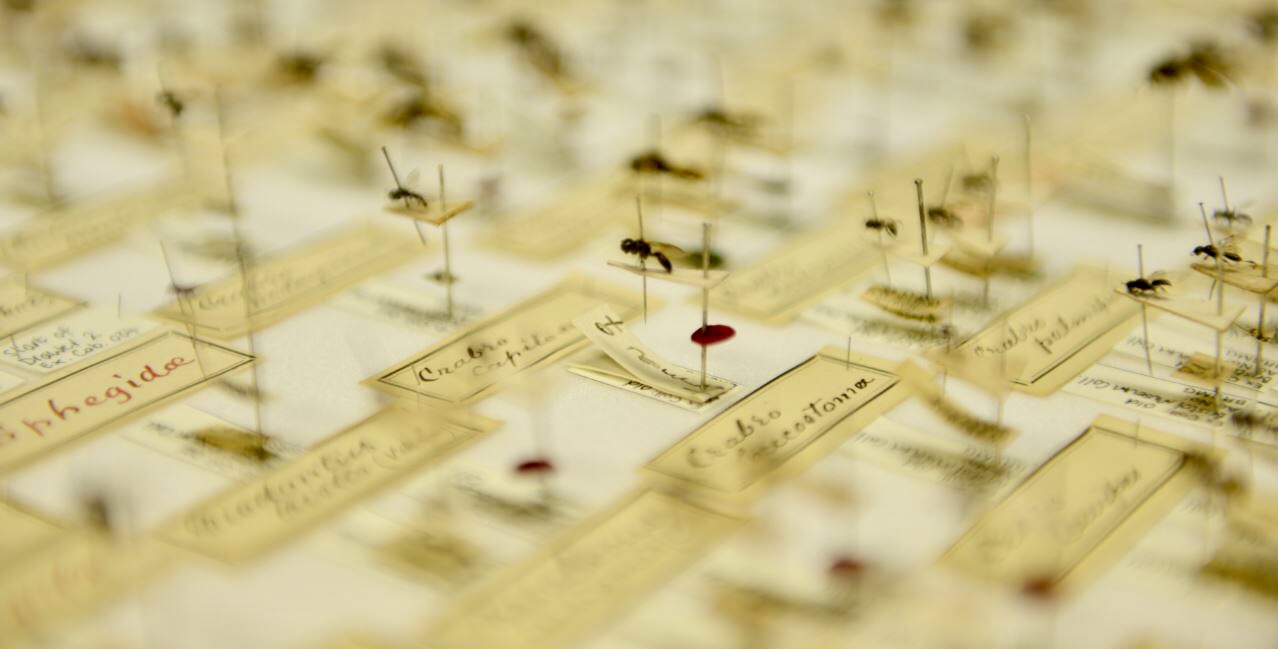
Collections’ biodiversity data: the what, when, where, who collected attached to many biological and palaeontological specimens © Bristol Museums

Continue reading