Giving Collections An Extra Life – Making Video Games That Promote Collections Engagement (For Free)

Written by Glenn Roadley, NatSCA Committee Member, Curator of Natural Science at The Potteries Museum & Art Gallery.

(Note: this article includes interactive games. If they don’t work, your organisation may have blocked game websites through your network)

You might think that playing video games falls at the opposite end of the hobby-spectrum when compared to getting engaged with nature. But the immersion and creativity allowed often provides many of the same benefits, and nature is used as inspiration for many of the most popular video games. In this way video games can become a gateway to learning about nature in the real world – did you know that the highest grossing media franchise of all time (step aside, Marvel) started as a video game about collecting fictional animals to help a scientist with their biological recording project? You’ve probably heard of it. And the Animal Crossing franchise, a game series where a core activity involves collecting insects and fish to donate to the local museum, has sold over 70 million copies.

Games like Pokémon and Animal Crossing show that natural science collections are already on to a winner when it comes to subject matter and gaming. The collections are full of characters and stories, and games should be considered as another way to provide access to these.

The benefits of games are well-established (stress relief, improvement of memory and development of problem-solving skills are among the benefits often cited) and Learning Through Play is already a central part of how museums engage with their audiences. Many museums have used computer games to bring their interpretation to life (https://www.museumnext.com/article/how-can-games-in-museums-enhance-visitor-experience/).

Continue reading
Many Hands Make Light Work

Written by Milo Phillips, Assistant Curator of Entomology at Leeds Museums and Galleries.

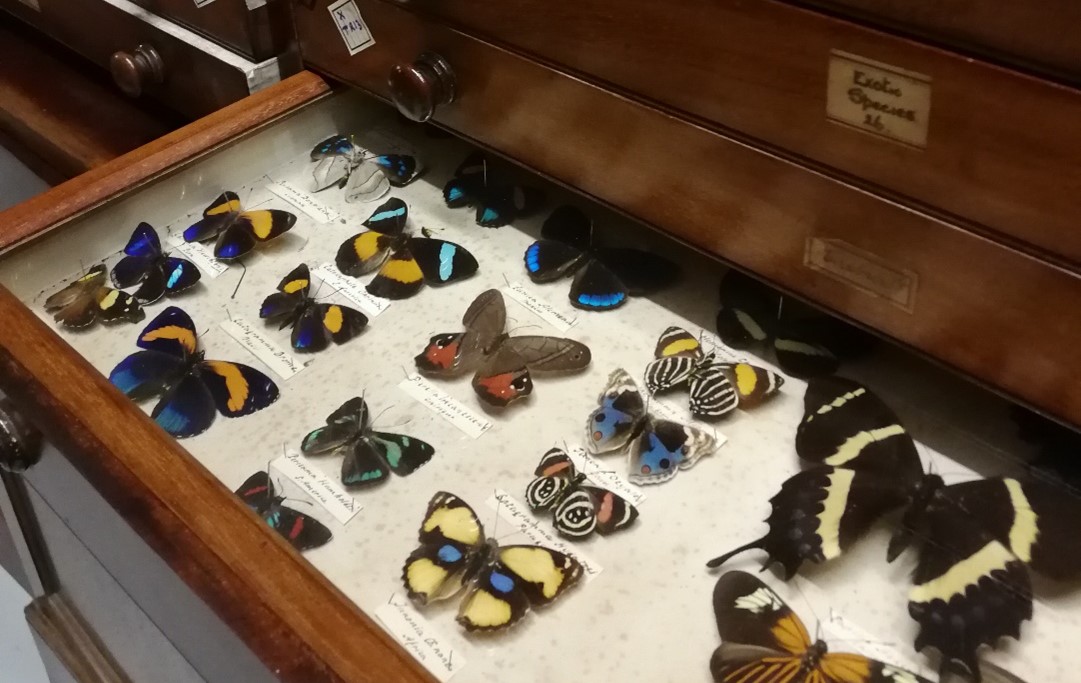
The past couple of years have seen a significant shift toward digital alternatives throughout the museum sector, from online exhibitions to webinars and remote conferencing, with our collections and their stories reaching a potentially global audience, more so than ever before. While much is being done to boost engagement with collections in new and exciting ways, museums on the whole have yet to harness the power of this shift when it comes to collections management.

The value of our natural science collections lies in their accessibility, in how open they are to this growing audience, from our local schools to researchers around the world and everyone in-between.

As our collections grow and our technology improves, digitization has become an important part of maintaining natural history collections. Using a citizen science approach, and bringing museum audiences on-board, we can turn collection management into a way of improving our collections, while simultaneously facilitating a deeper and more meaningful level of engagement with our objects and their stories.

Zooniverse is a free online platform built to facilitate a crowdsourced approach to large data sets and, while traditionally used by academic research groups, is an ideal solution to tackling tasks with much more efficiency than lone curators or even dedicated teams might be able to achieve. Projects can either be restricted to a specific group of users or opened up to the public for anyone to contribute their time to.

Continue reading

NatSCA Digital Digest – July

Compiled by Lily Nadine Wilkes, NatSCA Volunteer.

Welcome to the July edition of NatSCA Digital Digest.

A monthly blog series featuring the latest on where to go, what to see and do in the natural history sector including jobs, exhibitions, conferences and training opportunities. We are really keen to hear more about exhibition launches, conferences (live or virtual) and webinars, and new or interesting online content. If you have any top tips and recommendations for our next Digest please drop an email to blog@natsca.org.

What To See & Do

The ‘Insectarium: Fascination and Fear’ exhibition present artwork on the feelings that insects inspire in us. If you can’t make it to Aberlady, Scotland, you can view the art online here.

If you’re looking for something crafty to do there are plenty of online workshops to take part in. With the Oxford University Museum of Natural History on 14th July at 8pm participate and enjoy ‘Drawn to Nature: Conservation’. In this online event you will hear about the art of conservation before taking a chance to draw some natural history specimens. The Natural History Museum are offering making sessions where you can create a crochet dinosaur or make your own plant pot.

Continue reading

NatSCA Digital Digest – April

Compiled by Lily Nadine Wilkes. NatSCA Volunteer.

Welcome to the April edition of NatSCA Digital Digest.

A monthly blog series featuring some interesting things to see and do in the natural history sector including jobs, exhibitions, conferences and training opportunities. We are really keen to hear more about museum re-openings, exhibition launches, virtual conferences and webinars, and new and interesting online content. If you have any top tips and recommendations for our next Digest please drop an email to blog@natsca.org.

Where to Visit

The Lost-Wax for Lost-Species online exhibition brings together over 100 artists and five independent founders to collectively make a Noah’s Ark of endangered species.

Visit the Field Museum of Chicago’s egg vault with Alie Ward and Dr John Bates with this Oology podcast.

Virtually visit the Natural History Museum’s Wildlife Photographer of the Year Trail, search for clues to be in with the chance of winning some amazing prizes.

The third in City of Trees’ Natural World Webinars on Wednesday 14th April are joined by Rachel Webster, Curator of Botany at Manchester Museum, as the world of blossoms is explored. They will be taking a closer look at some flowers and thinking about the science of blooming.

Continue reading

NatSCA Digital Digest – March

Compiled by Olivia Beavers, Assistant Curator of Natural Science at The Potteries Museum & Art Gallery.

Welcome to the March edition of NatSCA Digital Digest.

A monthly blog series featuring the latest on where to go, what to see and do in the natural history sector including jobs, exhibitions, conferences and training opportunities. We are really keen to hear more about museum re-openings, exhibition launches, virtual conferences and webinars, and new and interesting online content. If you have any top tips and recommendations for our next Digest please drop an email to blog@natsca.org.

Where to visit

As we move closer to spring, the Museum of Zoology Cambridge and Cambridge University Garden will be broadcasting a Wildlife Diaries livestream at 5pm on Thursday 1st April. The series of blog posts will be available on YouTube: https://youtu.be/RScsiUeR5aQ accompanied by a panel of wildlife experts who will be ready to answer your questions. You can revisit some of their 2020 BioBlitz highlights here.

The Museum Association’s Moving on Up conference is taking place on March 17th. This is for anyone working in any area of the museum sector, and those employed in a different sector who want to bring their skills to a museum setting.

The Tanyptera Trust webinars are continuing this month with Mining Bees on March 19th and Shieldbugs & Allies 31st March.

Continue reading