Transforming Scientific Natural History 3D Data into an Immersive Interactive Exhibition Experience

Interspectral is a Swedish company that provides an interactive exhibition system called Inside Explorer using 3D volumetric scanning, such as CT and micro CT, real-time graphics visualisation and a large touch table to enable gallery visitors to interactively explore natural history subjects using modern science techniques.

Inside Explorer is today used at museums worldwide, for example the British Museum, Natural History Museum London, Utah Natural History Museum, Denver Museum of Science and Nature and many more.

A recent collaboration between Interspectral and Wakehurst; Kew’s wild botanic garden for their Millennium Seed Bank Visitor Atrium, has resulted in some spectacular results. These can be seen in the specially commissioned Secret Structures exhibition. The Inside Explorer system at the exhibition enables visitors to the Millennium Seed Bank to not only marvel at plants, but to learn from them and to understand our need to protect them. The Inside Explorer Digital Table invites them to peel back the layers of intriguing, scanned objects from RBG Kew’s collections; a Brazil nut, a piece of oak, an orchid and a carved walnut shell.
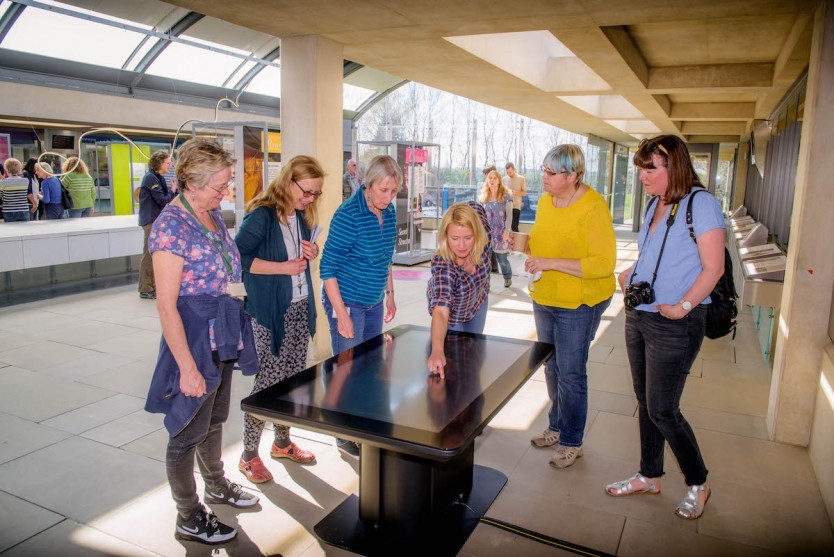
© Kew Gardens

Wakehurst and Interspectral worked with London’s Natural History Museum’s imaging labs to micro CT scan the subjects for the exhibits. These were then produced for exhibition by Interspectral and Wakehurst.

Continue reading

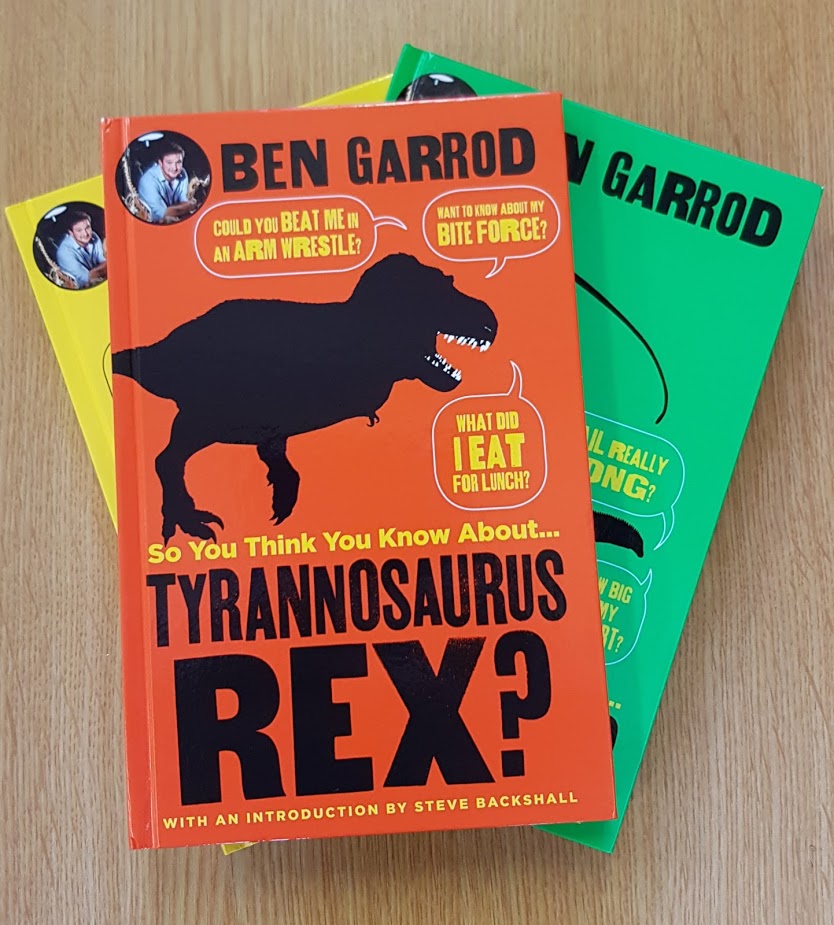
So You Think You Know About Dinosaurs?

Ben Garrod’s new book series could be a hit with audiences of all ages.

So you think you know about dinosaurs? The evocative title perfectly reflects the contradictory upbeat attitude and challenging facts of Ben Garrod‘s series of dinosaur books for children. Each book is focused on a different dino species and is chock full of hard facts and science aimed at enthralling, teaching and challenging kids to think for themselves. While at an absolutely ANCIENT age of 23 years I am perhaps not the demographic that Ben is aiming at, nonetheless I immensely enjoyed these charming books and surprised myself by learning a lot about Triceratops, Diplodocus and Tyrannosaurus Rex.

Continue reading

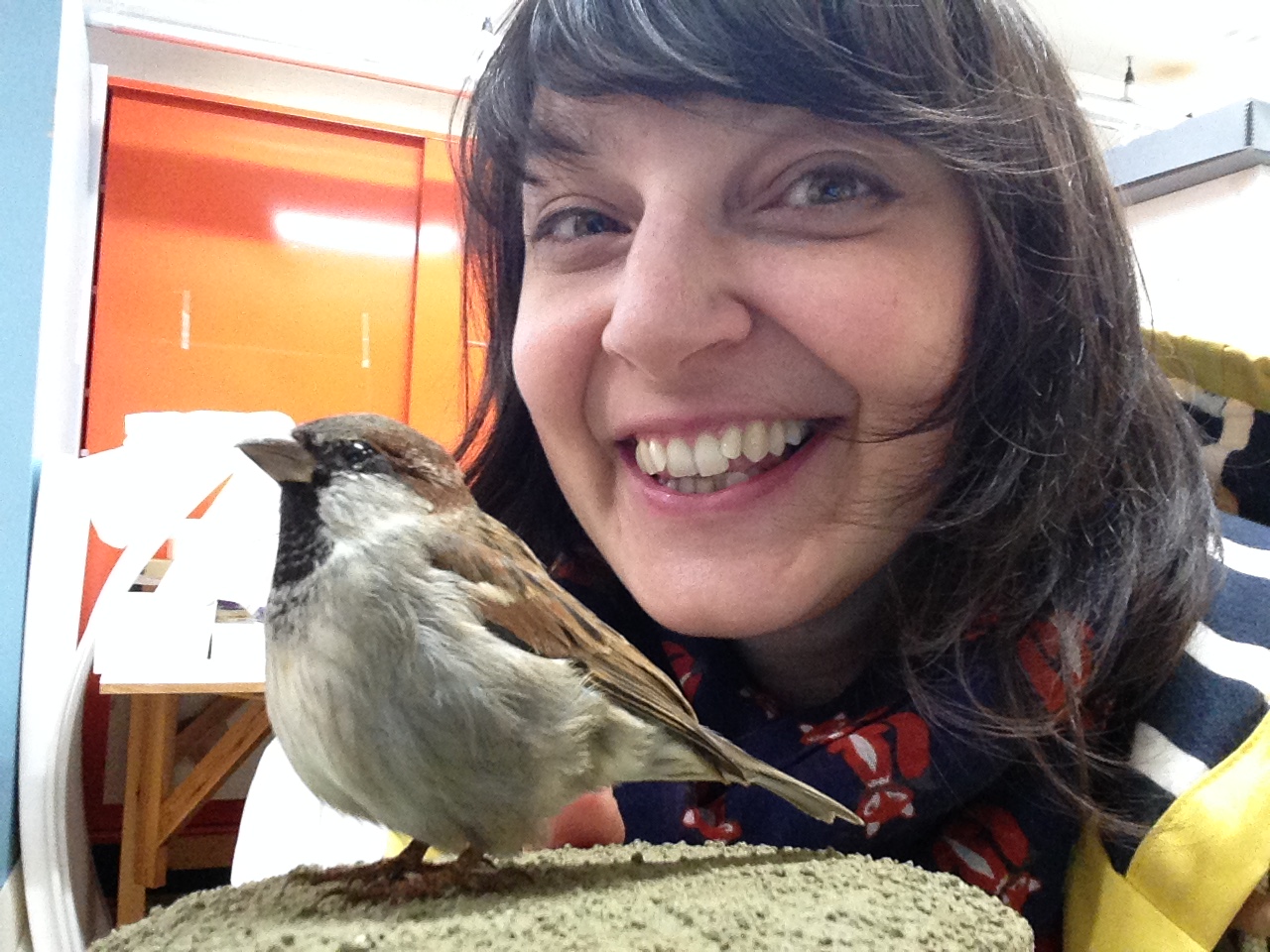
Meet the Committee – Jennifer Gallichan

What is your role on the NatSCA committee?

I am new to the NatSCA committee so am just starting to feel my way and find what my role might be as an Ordinary Member. I have considered joining the committee for many years, so I am really excited to finally be a part of it and just looking forward to getting involved, helping out and learning as much as I can.

Job title and institution

Curator: Mollusca & Vertebrates at Amgueddfa Cymru – National Museum Wales, Cardiff

Twitter Username

@jennifergallich

Tell us about your day job

I have been at National Museum Cardiff for 17 years and for the large part of this time my role has been to work as part of the team curating the mollusc collections. We have one of the largest collections of molluscs in the UK, and it is taxonomically and historically significant. In recent years however, I have also taken on the role of facilitating access to the Vertebrate Collections. As you can imagine, this has been a significant learning curve and I am still in the process of developing in this role. As with many curators, a large part of my job is making collections accessible to everyone, be it through enquiries, loans, collection tours, open days, workshops, talks, visits and everything else. My job also includes curation – adding collections to our databases, sorting labels, etc, but with so many things to cover, I don’t get as much opportunity to do this as I would like. In recent years I have been involved with collections-based research, locating and investigating Type specimens in both our own collections and those in other institutions.

Continue reading

NatSCA Digital Digest – June

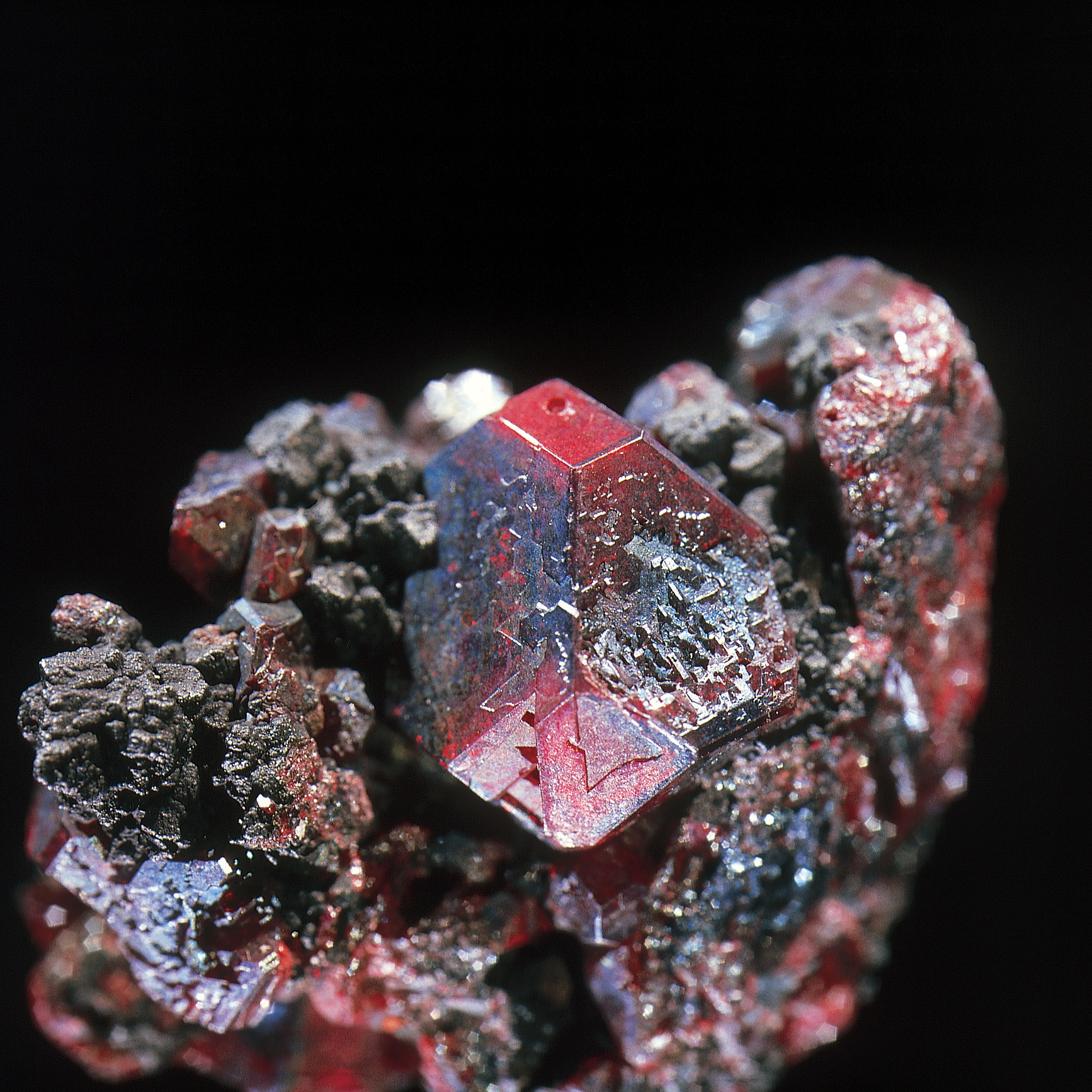
The beautiful mineral Cuprite, from Phoenix Mine, Cornwall. (© Plymouth Museums, Galleries, Archives).

Post-Conference Blues

It’s been a few months since our 2018 conference and AGM at Leeds City Museum. It was wonderful to see so many people there – to catch up with old friends and to meet new ones. And as always, I am so sad when it is over. I guess this is why it’s nice to revisit what went on for the two days. There have been a few different write ups about the conference:

David Waterhouse, Senior Curator of Natural History, Norfolk Museums Service, wrote his first blog post ever all about his time at the conference here.

Glenys Wass, Heritage Collections Manager at Peterborough Museum wrote about her summary of the conference talks here.

Jan Freedman (me), Curator of Natural History, at Plymouth Museums, Galleries, Archives, shared my experiences of the conference here.

Plus, the talks from the conference will be written up either for the NatSCA blog, the Notes & Comments, or the Journal of Natural Science Collections.

The Future of Museum Collections

Leading on from the conference, one talk by Alistair Brown at the Museums Association, looked at where collections will be in 2030. This new research project will be working with museum staff to understand issues that currently face museums and where they want them to be in less than 15 years time. A write up of the Collections 2030 project can be found here.

Continue reading

Collections 2030: What’s Next for Museum Collections?

What does the next decade look like for museum collections in the UK? This is the question that the Museums Association’s new research project, Collections 2030, is asking.

Over the course of this year, we’ll be working with museum workers, researchers and users to think about the big issues that the sector needs to have on its radar as we plan for the next decade. What trends do we need to adapt to? Will the way that we treat and value collections change? What are the implications of a new generation taking charge in our museums? And will we have the infrastructure that we need not only to pass on collections, but to make them valued by the wider public?

When asked about the future, it can be tempting to let our imaginations run away with ourselves.

But if we’re going to consider what museum collections might look like in 12 years or so, it’s worth casting our minds back the same distance. Over that period, technological changes have been huge, and have led to much experimentation in museums but not always greater impact. The financial crisis has radically changed the workforce and business model for many museums, with major implications for collections knowledge and management.

But our museum collections themselves can seem oddly absent from this picture of change.

Collections have not grown much, and to the extent that ‘pure’ collections issues enter into our discussions, we have seen a period with much to talk about. But not a huge amount of change in practice, about disposals, about storage, about where to put everything, and occasionally, and with much trepidation, whether we should give some of our stuff back to those who made it.

Continue reading