Making the Most of What You’ve Got

Written by Dr Emma Nicholls, Deputy Keeper of Natural History, Horniman Museum and Gardens

The Collection

The Horniman Museum is the custodian of a collection of ca. 175,000 fossil specimens, collected by Walter Hellyer Bennett (1892-1971). A mining geologist and palaeontology enthusiast, Bennett collected somewhat indiscriminately, not pausing to favour geography, strata, or taxa, which makes it a collection of great interest to a wide variety of academics, and for other uses such as exhibitions and loans.

This huge collection was bequeathed to the Croydon Natural History and Scientific Society in the 1970s, where choice pieces were put out on open display whilst the rest remained stored in Bennett’s original wooden cabinets. It contains some beautiful material, such as this Isotelus gigas trilobite, and Eryon propinguus lobster.
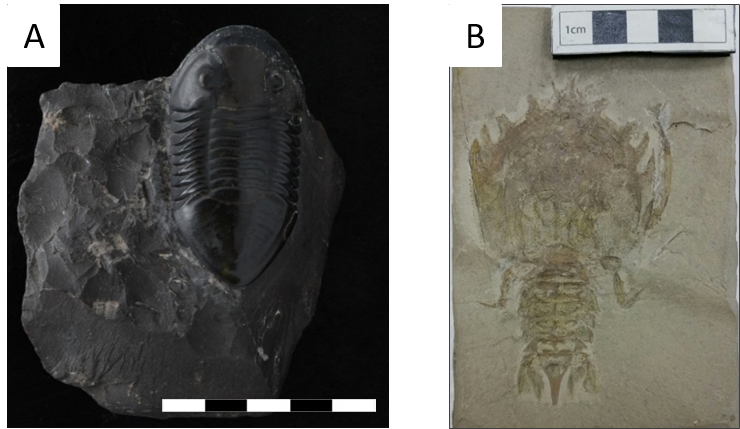
A) Isotelus gigas, and Ordovician trilobite from the Trenton Limestone. B) Eryon propinquus, a Jurassic lobster from the Solnhofen Limestone. © Horniman Museum and Gardens.

The collection is approximately 10% vertebrate material, 85% invertebrates, and 5% plants and trace fossils. In case you are interested in particular taxonomic groups (as we are keen on facilitating research enquiries and visits… fyi) the invertebrates are mostly bivalves, brachiopods, cephalopods, corals, and gastropods, with a large variety of other taxonomic groups represented in small numbers as well (please do get in touch if you’re interested in getting more information), and the vertebrates are primarily conodonts, crocodilians, dinosaurs, fish (including sharks), ichthyosaurs, mammals, plesiosaurs, pterosaurs, and turtles. Geographically, around 87% of the material was collected within Europe, primarily from the UK (50%) and France (15%). A further 10% is from North America whilst small amounts of material were collected from across Africa, South America, the Middle East, Asia and Australasia. Notable sites include the Solnhofen Limestone and the Burgess Shale.

Continue reading

Wild About Portsmouth – Discovering and Uncovering a Little Known Natural History Collection

Written by Christine Taylor, Curator of Natural History, Portsmouth Museums

Wild about Portsmouth is a two-year Heritage Lottery Funded project to share and raise the profile of the city’s natural history collections.  In addition to enabling visitors to get more hands on with the collections through events and activities, work is being carried out to make them more accessible for museum staff and researchers.

Challenges

The collections are held at three sites across the city and housed in environmentally controlled stores with many specimens held in archival quality boxes. However, the absence of a natural history curator for over 10 years has led to a series of challenges with accessing them:

Little Knowledge of Collections

Apart from the sizeable and substantial HLF Guermonprez Collection transferred from Bognor Regis Museum in the 1970s, very little was known about the collectors associated with the remainder of the natural history collections. In-depth knowledge of the HLF Guermonprez Collection has also been lost over time, although it is occasionally cited in publications by Sussex naturalists.

Continue reading

Beauty in the Eye of the Turtle Holder

Written by Becky Desjardins, Senior Preparator, Naturalis Biodiversity Center

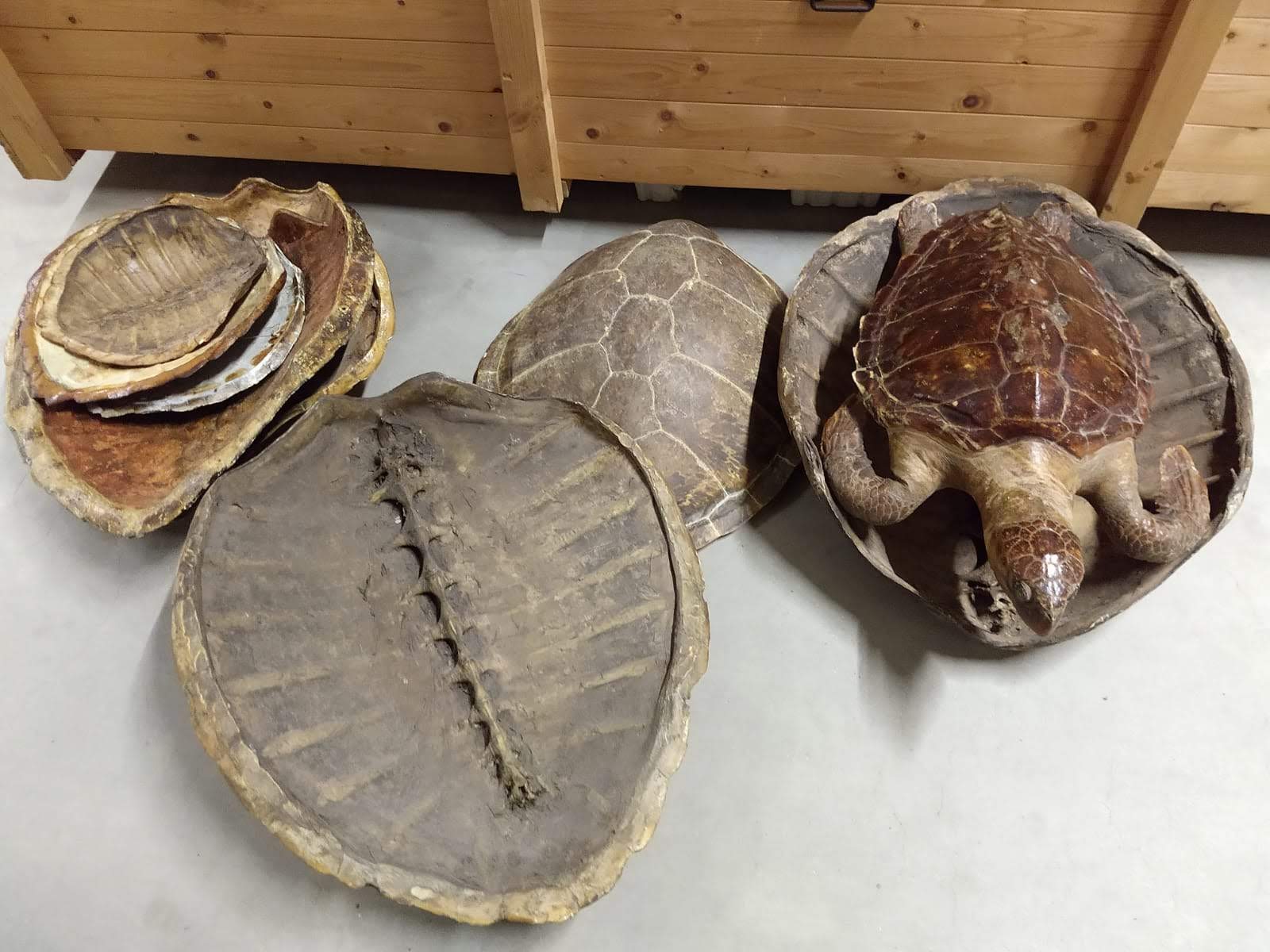
Recently, we were cleaning up some mounted turtles and turtle shells destined to go in the new Live Science Hall. All of these came from Amsterdam Schipol airport, where they had been confiscated by customs agents.

© Becky Desjardins

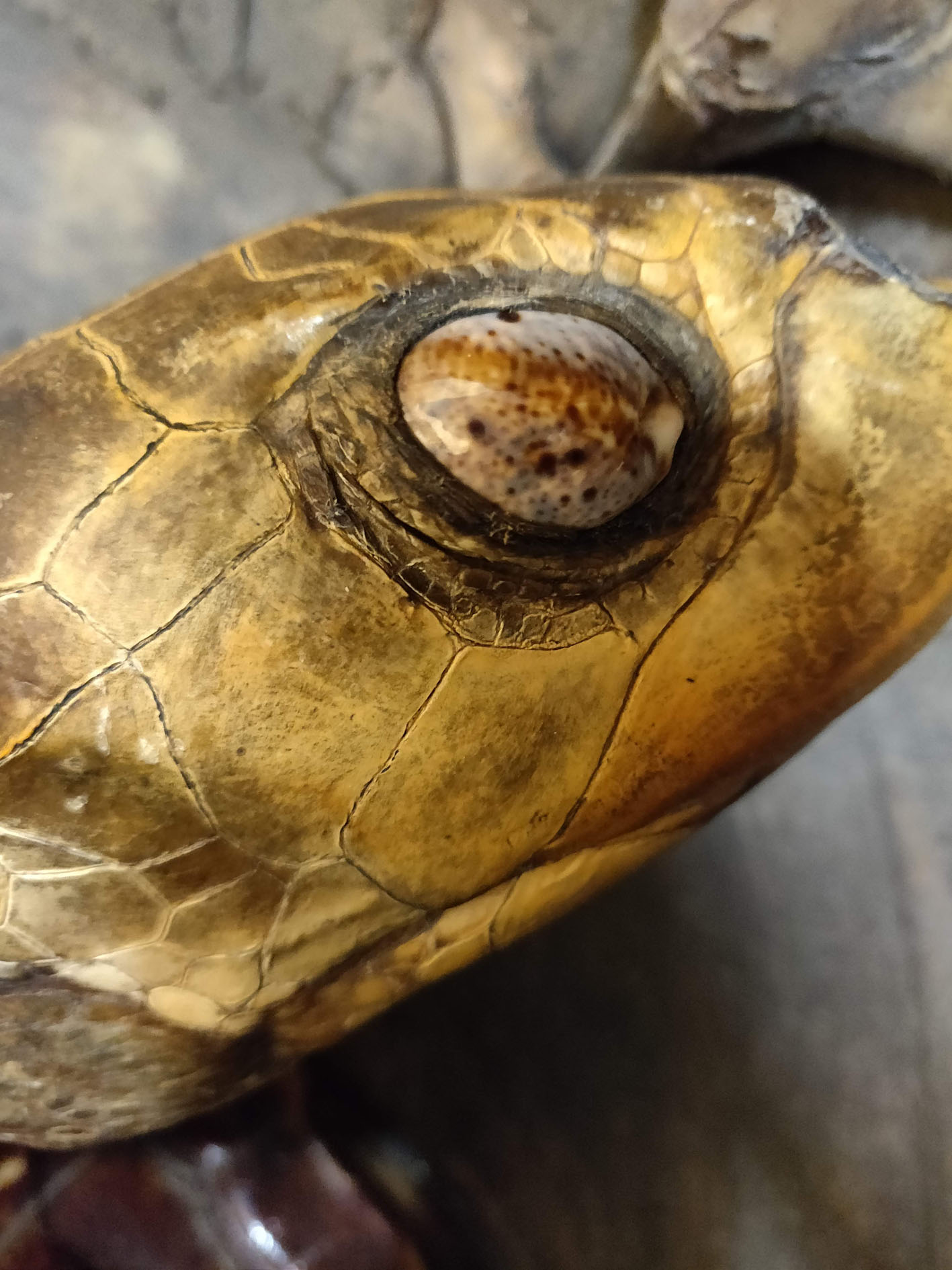
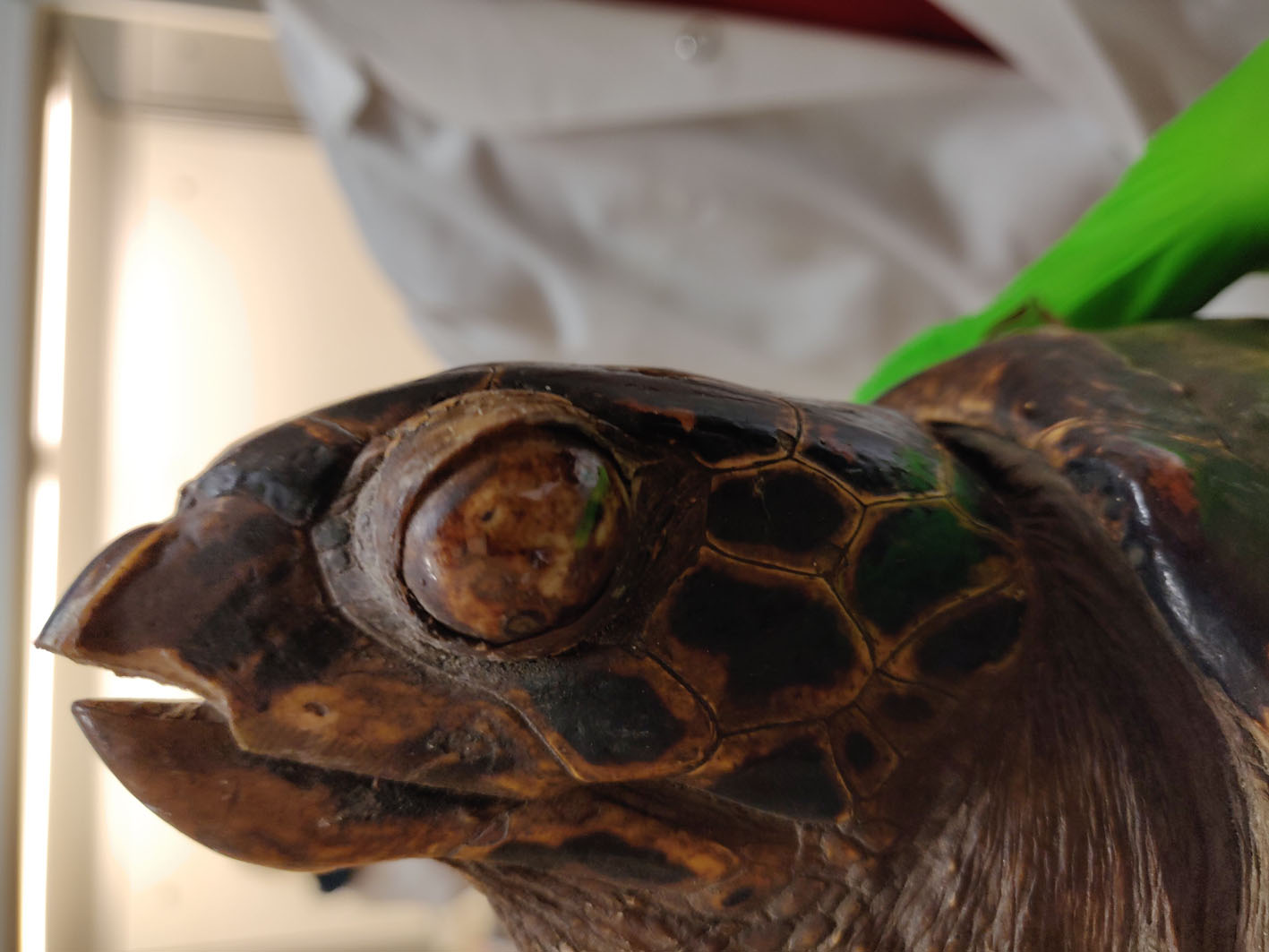
When taking a closer look at these animals we noticed that none of these specimens had the normal glass eyes used in taxidermy. Instead they were made of other materials less commonly used for mounting animals.

Quite a few of the turtles had eyes made from shells. Some appear to be cowrie, but we could not identify them all, and a few other shells were painted black making them impossible to identify.

© Becky Desjardins

© Becky Desjardins

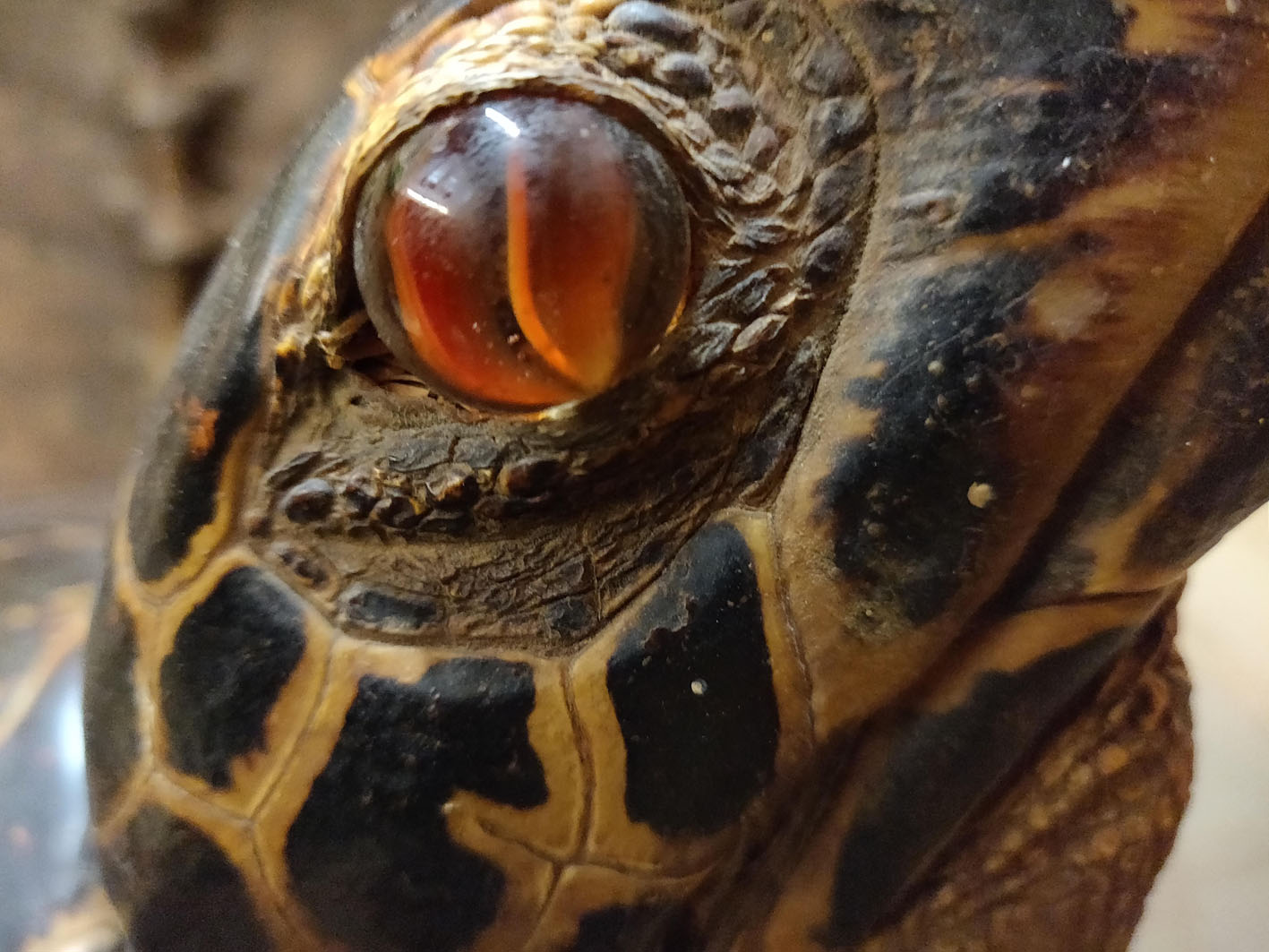
Then we came across one turtle with a glass eyes made from a marble. Funnily enough, they used a “cat’s eye” marble and the coloured core actually made the eye look quite lifelike.

© Becky Desjardins

Continue reading

Brexit and the Customs Union: The Practical Impact on Museums

Written by Clare Brown, Curator of Natural Science, Leeds Museums and Galleries.

Who knows where you are and when you are reading this and so this blog comes with a few provisos:

  • Really importantly this is NOT LEGAL ADVICE OR NOTICE. NatSCA has been asked to share information from Defra on this situation but if you need clarification please speak to Defra or a solicitor.
  • The information in this blog pertains to the movement of material between the UK and the EU, it does not apply to non-EU countries, or internal UK movement/material use.
  • The information in this blog is only relevant in the event of a so-called “no-deal Brexit”.
  • This blog was written in May 2019 and so any reference to “current” or “present” refers to this time.

© Leeds Museums and Galleries

With the UK in the EU, Convention on the International Trade in Endangered Species (CITES) listed species in Annexes B to D can be freely traded and moved within the EU. The main change, in the event of a no-deal Brexit, will be that you will need CITES permits to move CITES good between the UK and the EU for species listed in Annexes B to D.

Please click here for an up to date list of Annex B to D species.

Continue reading

Global Biodiversity Collections: Becoming Part of the Open Data Community

Written by Isla Gladstone, Senior Curator Natural Sciences, Bristol Museums

On 13th March I travelled to Sofia in Bulgaria, my mind buzzing with questions about biodiversity data…

I had been awarded one of 30 funded places on the first training school of Mobilise, an EU initiative to mobilise data, experts and policies in scientific collections. More specifically, Mobilise is an EU COST Action: a bottom-up network funded over four years to boost research, innovation and careers by COST, an intergovernmental framework for European Cooperation in Science and Technology.

Digitisation and data management challenges in small collections promised new skills in the key basics of data quality and cleaning. It also offered a chance to meet colleagues from around the world, and connect to a bigger picture.

At a time of unprecedented human-caused climate change, biodiversity loss and environmental degradation, it feels more urgent than ever to connect museum collections to real-world change. Natural sciences collections offer precious opportunities here. Alongside huge potential to engage communities and inspire debate, specimens are unique sources of the scientific evidence urgently needed to unlock sustainable development solutions:

“There is more information about biodiversity in [the world’s] natural sciences collections than all other sources of information combined.” iDigBio

Collections’ biodiversity data: the what, when, where, who collected attached to many biological and palaeontological specimens © Bristol Museums

Continue reading