NatSCA Digital Digest – September 2023

Compiled by Olivia Beavers, Assistant Curator of Vertebrate Zoology at World Museum, National Museums Liverpool.

Welcome to the September edition of NatSCA Digital Digest.

A monthly blog series featuring the latest on where to go, what to see and do in the natural history sector including jobs, exhibitions, conferences, and training opportunities. We are keen to hear from you if you have any top tips and recommendations for our next Digest, please drop an email to blog@natsca.org.

Sector News

Museum Association Conference 2023: The Power of Museums

This years’ Museum Association Conference is being held in Gateshead on 7th-9th November. The conference will explore how we can help our communities flourish by having a positive impact on health and wellbeing, placemaking, economic regeneration and by providing space to reflect on the pressing issues that we face. The cost of living crisis, discrimination and climate change are all having an impact on our communities. What do people need from us in times of upheaval and change? Follow the link to find out about the registration fees and to book your place: https://www.museumsassociation.org/events/conference-2023/

#BlackInNHMs – Black in Natural History Week – Registration is now open!

The 3rd Annual Black in Natural History Museums (#BlackInNHMs) Week runs from Sunday 15th – Saturday 21st October. Anyone can join in: non-black and black colleagues are invited to a series of online events planned for the week. Follow this link to register and find out more: https://www.blackinnhms.org/2023-binhms-week

Continue reading

NatSCA Digital Digest – August 2023

Compiled by Glenn Roadley, NatSCA Committee Member, Curator of Natural Science at The Potteries Museum & Art Gallery.

Welcome to the August edition of NatSCA Digital Digest.

A monthly blog series featuring the latest on where to go, what to see and do in the natural history sector including jobs, exhibitions, conferences, and training opportunities. We are keen to hear from you if you have any top tips and recommendations for our next Digest, please drop an email to blog@natsca.org.

Sector News

#SPPC2023 – Registration is now open!

Registration is now open for the 2023 Symposium on Palaeontological Preparation and Conservation which will be held on 6th September 2023 at the University of Lincoln, UK.

#SPPC2023 will take place at the Minerva Building, Lincoln UK, in conjunction with the Symposium on Vertebrate Palaeontology and Comparative Anatomy. Platform presentations will take place in the morning, with time during tea break and lunch for delegates to view posters. You can register here. Registration closes: Monday 21 August 2023.

For more information please contact sppc@geocurator.org

Continue reading

NatSCA Digital Digest – March 2023

Welcome to the March edition of NatSCA Digital Digest.

Compiled by Olivia Beavers, Assistant Curator of Vertebrate Zoology at World Museum, National Museums Liverpool.

A monthly blog series featuring the latest on where to go, what to see and do in the natural history sector including jobs, exhibitions, conferences, and training opportunities. We are keen to hear from you if you have any top tips and recommendations for our next Digest, please drop an email to blog@natsca.org.

Sector News

NatSCA Conference 2023

Registration is open for the Annual Conference & AGM of the Natural Sciences Collections Association will be held on Thursday 27th and Friday 28th April 2023. Stoke-on-Trent Museums will be hosting the conference at The Potteries Museum & Art Gallery. The conference will include gallery and collection tours, presentations, poster sessions and the annual AGM. The focus this year is:

So how do we actually do all this? Hopeful futures and turning theory into practice for big issues in natural history collections

This is the “How To…” conference for people working with natural history collections. The last few years have seen unprecedented changes in the expectations for what the museum sector can deliver. Global and local social and environmental issues have coincided to reinforce the needs of museums to consider their reinvention and relevance.

Register via Eventbrite through the NatSCA website: https://www.natsca.org/natsca2023. Members can access discounted booking rates by entering a promo code which has been distributed. If you are a NatSCA member and have not received a code via email, please contact membership@natsca.org. We look forward to seeing you in April!

SPNHC Conference

The 38th Annual Meeting of The Society for the Preservation of Natural History Collections is being held in San Francisco, California 28 May – 2 June 2023. Full details here.

Unnatural History Museum session

This session will be held on 22nd March 2023 on the topic of decolonising natural history museums. 

“We are at a crucial historical moment, in which the International Union for Conservation of Nature Red List has announced a catastrophic decline in global biodiversity. Yet nature is, necessarily, interpreted in museums, through taxidermy dioramas and skeletal mounts; virtual tours and digital databases; image, text and film. The Unnatural History Museum brings together museum professionals and academics across disciplines to platform vital conversations about the museum mediation of the natural world during the sixth mass extinction.”

Each session is hosted on Zoom to allow for international participation, and takes the format of short presentations focussed around a specific theme, followed by a synthesised Q&A and roundtable discussion. To register and find out more click here.

Continue reading

Top NatSCA Blogs of 2022

Compiled by Jen Gallichan, NatSCA Blog Editor.

A very Happy New Year to all of our readers and contributors! Being the blog editor is a great job as I get to read all of your fantastic posts first and hear about all of the great work going on out there with natural history collections. To reflect on this, here is a round up of the most read blogs that came out in 2022 in case you missed any of them. A huge thank you to everyone who contributed an article, the blog continues to go from strength to strength and this is purely as a result of your work and writing. The 2023 calendar is half full already – so if you are considering submitting something for later in the year, do drop me a line and get it scheduled in.

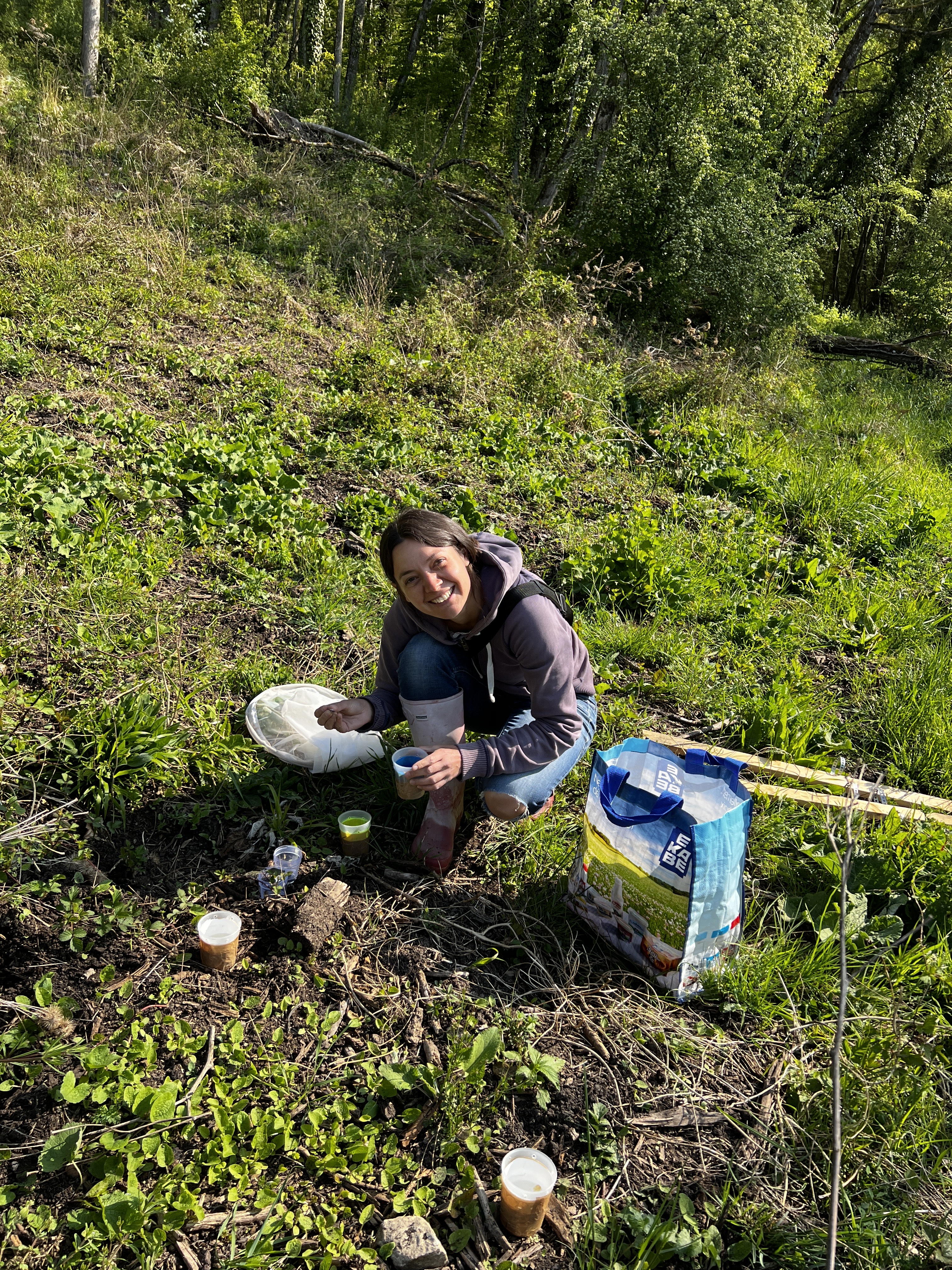
10. A Foot In The Door – Finding Collections Work As A Trailing Spouse In A Foreign Country. Written by Caroline Grounds, Freelance Zoological Collections Assistant, Musée national d’histoire naturelle, Luxembourg. A lovely blog about finding your niche in a new country, and showing that collections work has no borders.

My happy place: sorting bees from by-catch from pan traps which we set up throughout the country. © Dylan Thissen

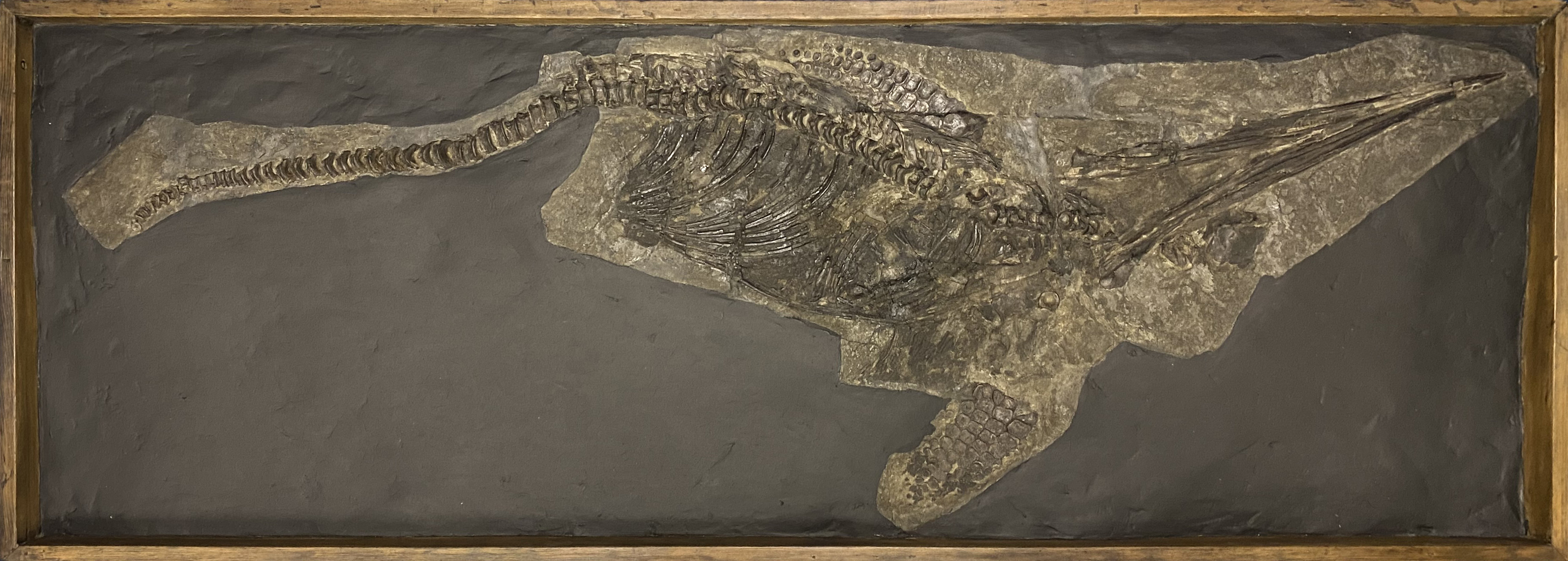
9. Thomas Bateman’s Ichthyosaurs. Written by Alistair McLean, Curator of Natural Science, Sheffield Museums Trust. Documenting the conservation work (part funded by the Bill Pettit award) that helped restore two beautiful Ichthyosaur specimens.

Continue reading

NatSCA Digital Digest – October 2022

Compiled by Glenn Roadley, NatSCA Committee Member, Curator of Natural Science at The Potteries Museum & Art Gallery.

Welcome to the October edition of NatSCA Digital Digest.

A monthly blog series featuring the latest on where to go, what to see and do in the natural history sector including jobs, exhibitions, conferences and training opportunities. We are really keen to hear from you if you have any top tips and recommendations for our next Digest, please drop an email to blog@natsca.org.

Sector News

COP27 and Action for Climate Empowerment
COP27 will be happening in Egypt, in November, as the international meeting of governments to progress climate action. The main programme for the Paris Agreement and the UN Framework Convention on Climate Change (UNFCCC) that relates to the work of museums was already adopted at COP26, in Glasgow. This is called the Glasgow Work Programme on Action for Climate Empowerment and runs from 2021-31. It covers the public-facing aspect of the UNFCCC and Paris Agreement, relating to education, training, public awareness, access to information, public participation and international co-operation on climate change matters. The new programme also sets out a framework for stronger climate action, through effective policies, co-ordinated action, sharing tools and support, and more effective monitoring and communication of climate actions. The new programme specifically points out the important role of a range of sectors, including museums, educational and cultural institutions. Climate action is not just for COP, nor is it just for governments, and the new programme is both a recognition and an invitation for sectors to play their part.

Continue reading