Museums Beyond Covid

Written by Jan Freedman, Curator of Natural History, The Box, Plymouth.

The sun was hot on my neck as I walked up the stone steps of the largest museum in America. The Smithsonian National Museum of Natural History is on every natural curators museums to visit list, and I was full of youthful excitement!

Inside was cool, and I was met with a grand hall, with a beautiful taxidermy elephant in the centre. The space buzzes with the echoing chatter and the scuttling of excited little feet. I walk on to the stairs, past the large mass of people queuing for the lift, and head up the stairs, patiently waiting for people to pass, so I can meet my ancestors. Here in the Human Origins gallery, there are wonderful displays and interactives all about the evolution of our species. Children run from case to case. Prams block display panels. Interactives are bashed.

I move along to the mammal gallery, where it seems like twenty different schools have chosen to visit at the same time. The cases are two deep with visitors peering at mammals from continents away: children squashed at the front, adults squeezing and pushing to get a glimpse. Reminiscent of a Friday night at our student bar. The air is stale and dry. The noise of a thousand different conversations ring loud in my head. There’s a feeling of being moved along by an invisible force of hunger: not for food, but to ‘see’ the next thing.
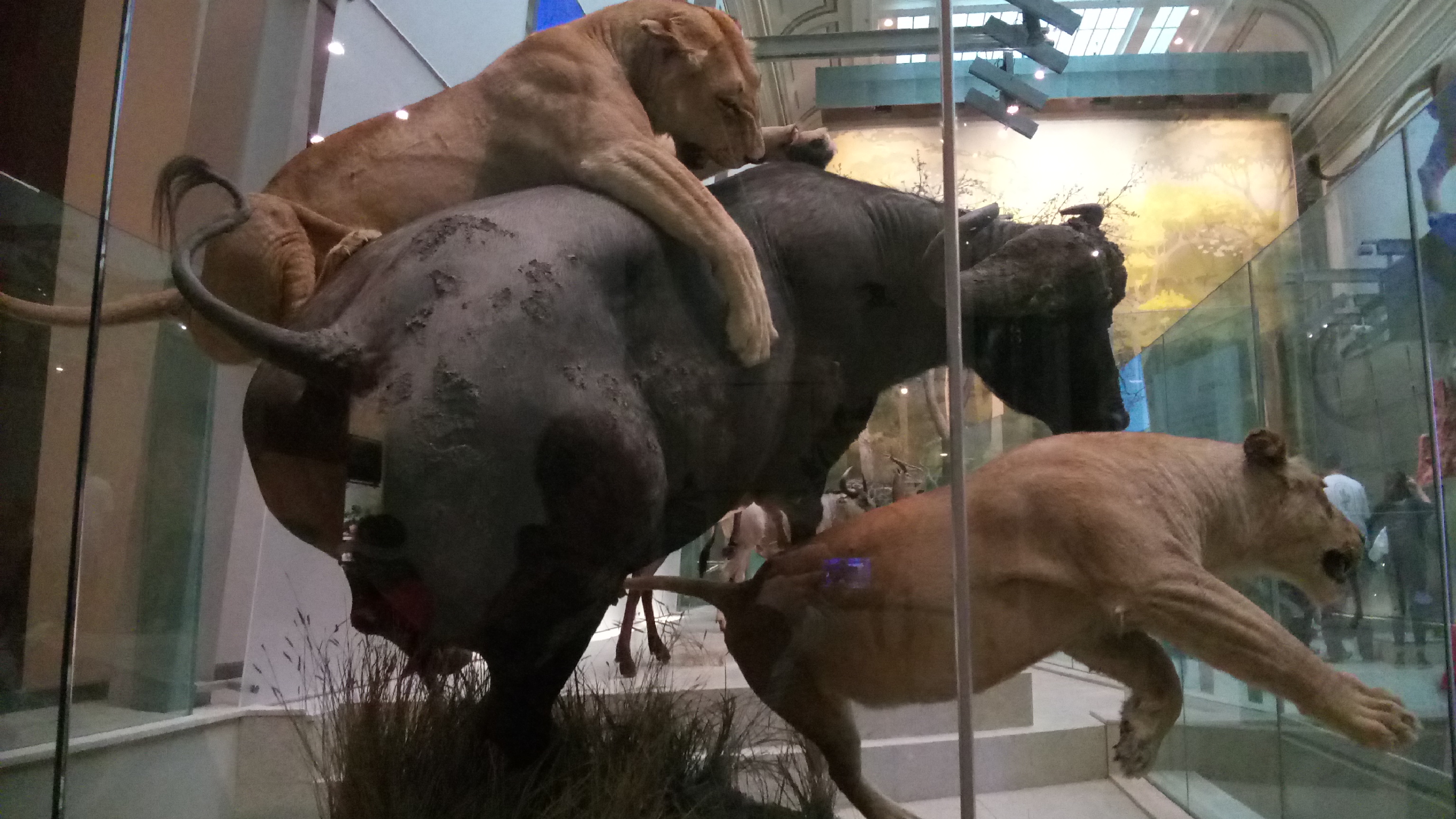
Beautiful taxidermy work of lions attacking a buffalo. I patiently waited 15 minutes until the case was clear of visitors for this photo. Photo by Jan Freedman.

Continue reading →

Collecting with Lao Chao [Zhao Chengzhang]: Decolonising the Collecting Trips of George Forrest

Written by Yvette Harvey, Keeper of the Herbarium, Royal Horticultural Society, RHS Garden Wisley.

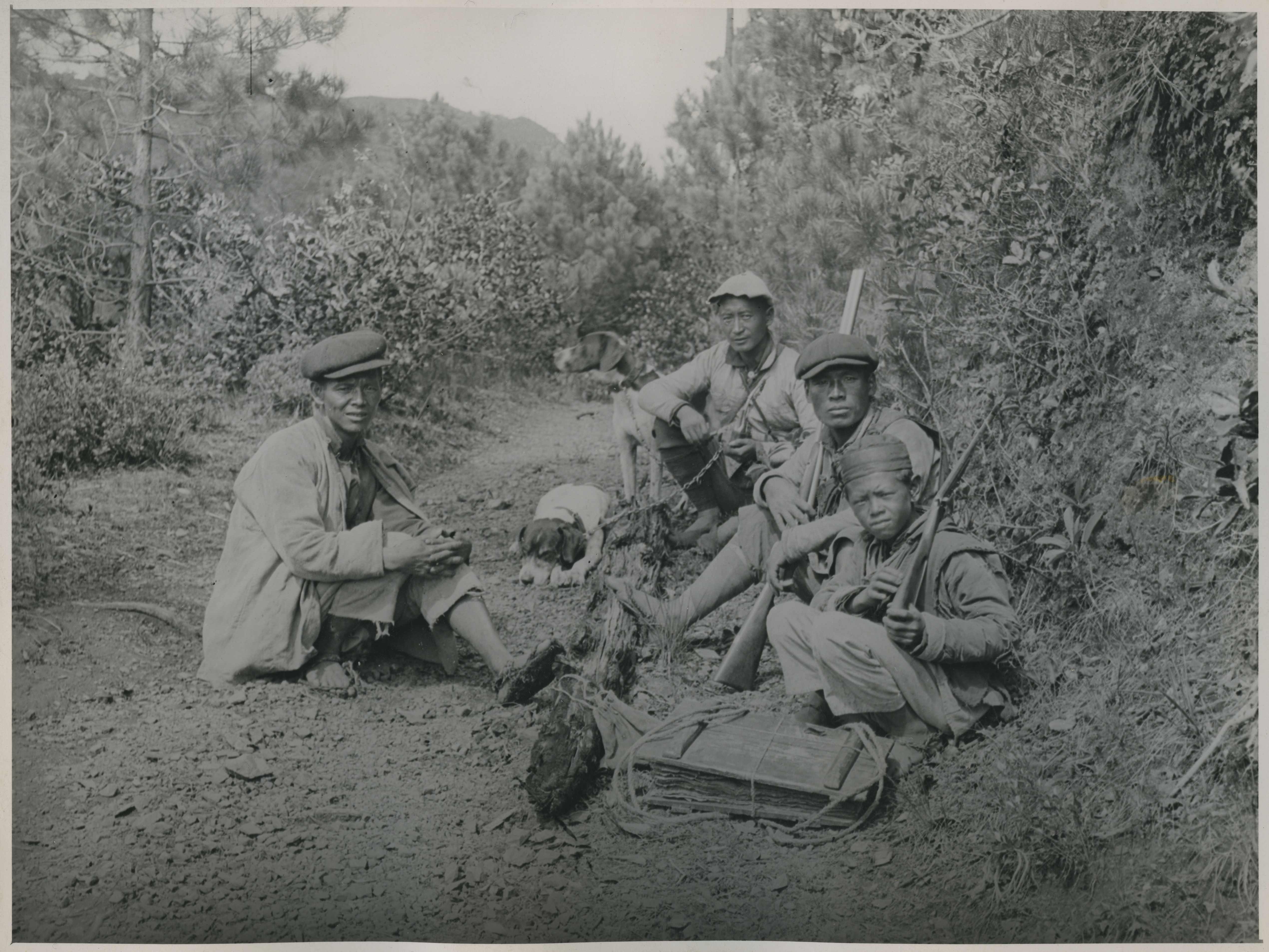
Lao Chao (left) and team. McLean (2004: 193) wrote that Forrest called Lao Chao his ‘best card in this business’ © The Royal Horticultural Society and Royal Botanic Garden Edinburgh

This is the essence of a talk that was recently presented at the virtual conference of the US based Society for the Preservation of Natural History Collections (SPNHC). Inspired by Das & Lowe in their 2017 NatSCA conference talk and subsequent paper (2018), in a similar way mentioned by Machin (2020) in her recent blog, I have started looking at stories by and about some of our revered plant collectors, or rather, hunting for small clues about their escapades from the perspective of others on their teams. This is with the aim of decolonising narratives for present and future interpretation, having finally opened my eyes and realised that current interpretation for living collections can fall way short of acknowledging what really happened and where credit should lie. And being mindful of different concepts of decolonisation, discussed by Gelsthorpe (2020) in an earlier blog.

For years, the curators of museums and living collections, and their visitors have been programmed to respond to and expect talks of the grand, death-defying adventures of our collectors – so much so that we appear to have closed our minds to the realities and injustices of what really happened on expeditions.

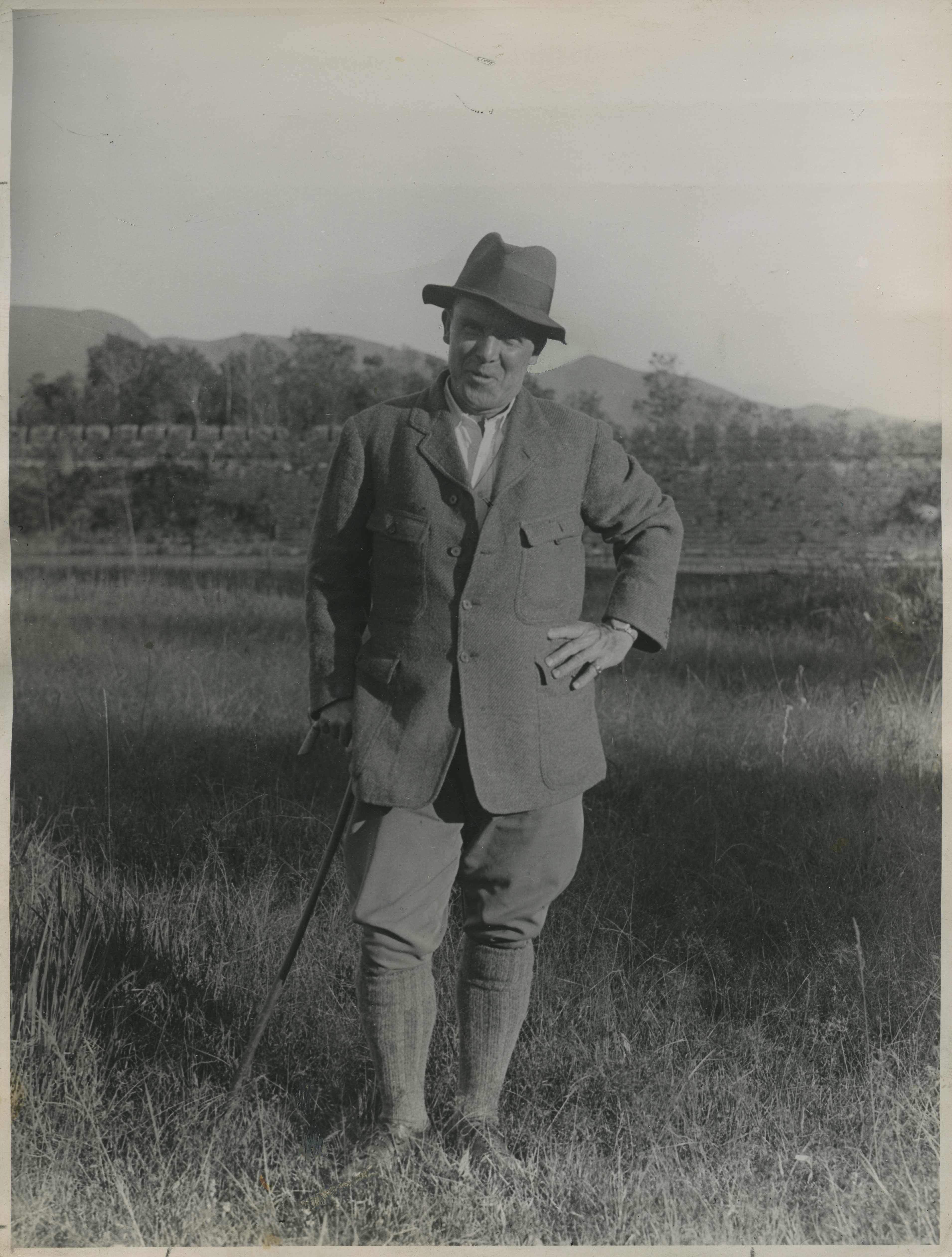
George Forrest © The Royal Horticultural Society and Royal Botanic Garden Edinburgh

The main focus here is on George Forrest, born in 1873, the Scottish plant collector whose collections still have a huge impact on what is grown in our gardens today. Son of a draper’s shop assistant, Forrest had an interesting earlier career after leaving school at 18 – he worked in a pharmaceutical chemists prior to getting a small inheritance that gave him the opportunity to travel to Australia where he undertook a few jobs including sheep shearing and gold-mining (McLean 2004). On his return to the UK, through a serendipitous stroke of luck in discovering a rare archaeological find whilst out botanising, he landed a job as an assistant in the herbarium of the Royal Botanic Garden Edinburgh in 1903 – gaining curatorial skills and insights necessary to make him an ideal plant collector in the field.

Continue reading →

Wild about Portsmouth – Life in Lockdown

Written by Christine Taylor (Curator of Natural History), Bradley Foster (Natural History Collections Assistant), Portsmouth Museums.

Until lockdown, the Wild about Portsmouth project, funded by the National Lottery Heritage Fund, had been a whirlwind of activity, working with volunteers to re-house, reorganise and catalogue the natural history collections, developing school sessions, putting on and attending events as well as setting up displays.

In the four weeks prior to lockdown, the curator, volunteers and the newly appointed (14 February 2020) Natural History Collections Assistant installed an exhibition, ‘D is for Dodo, E is for Extinct’; attended a work placement fair at the University of Portsmouth, a family fun day at Dinosaur Isle, a STEM fair and the HBIC Hampshire Recorders Forum. We also created a Pop-Up Museum one-day event and ran a trial school session on rocks and fossils at Cumberland House Natural History Museum.

One of the online activities created for Cumberland House Natural History Museum website © Portsmouth Museum

Continue reading →

Playing with Wire: The Conservation of a Wallaby Skeleton

Written by Caitlin Jenkins, MSc Conservation Practice student, Cardiff University and volunteer at National Museum Cardiff.

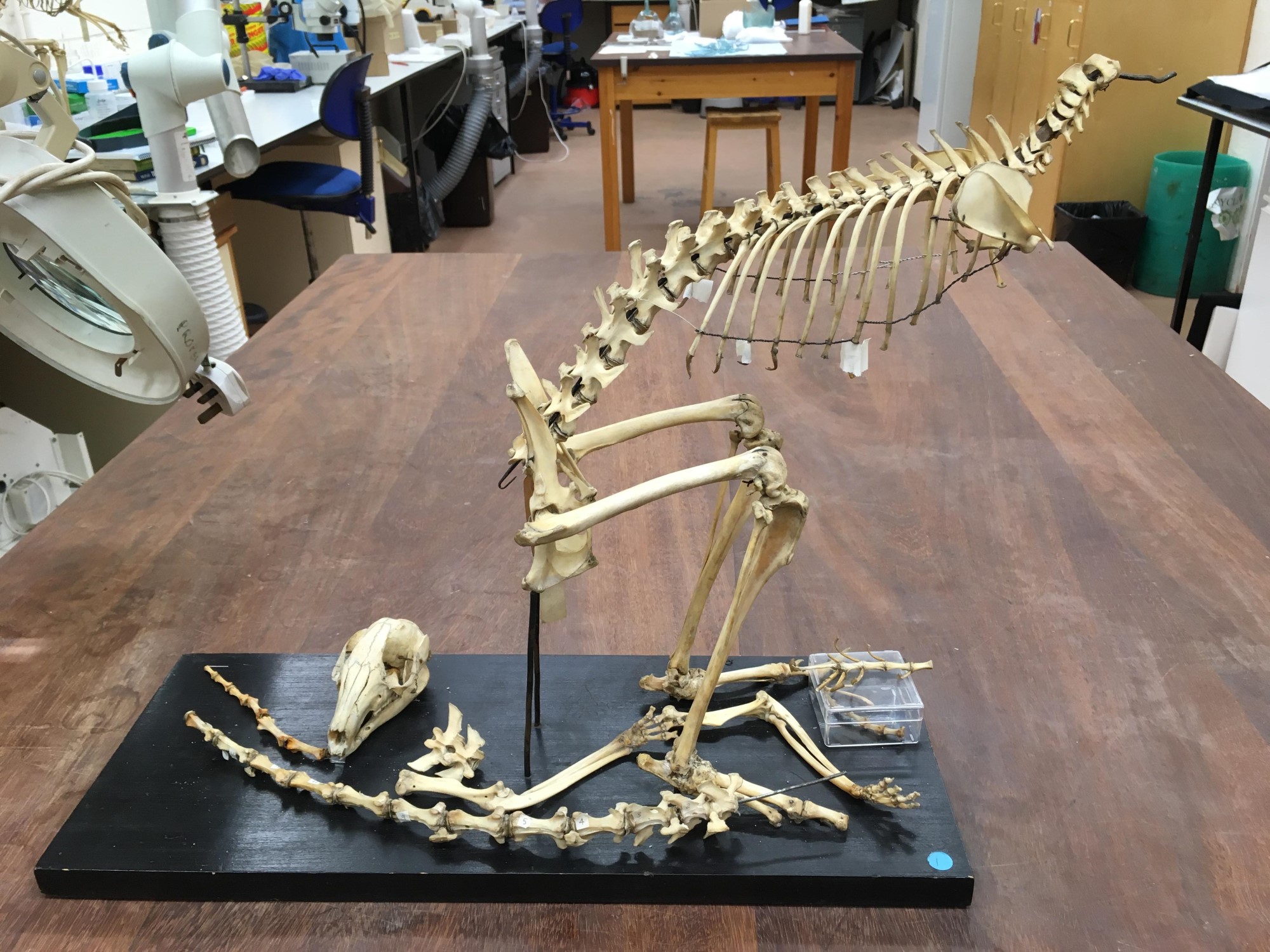
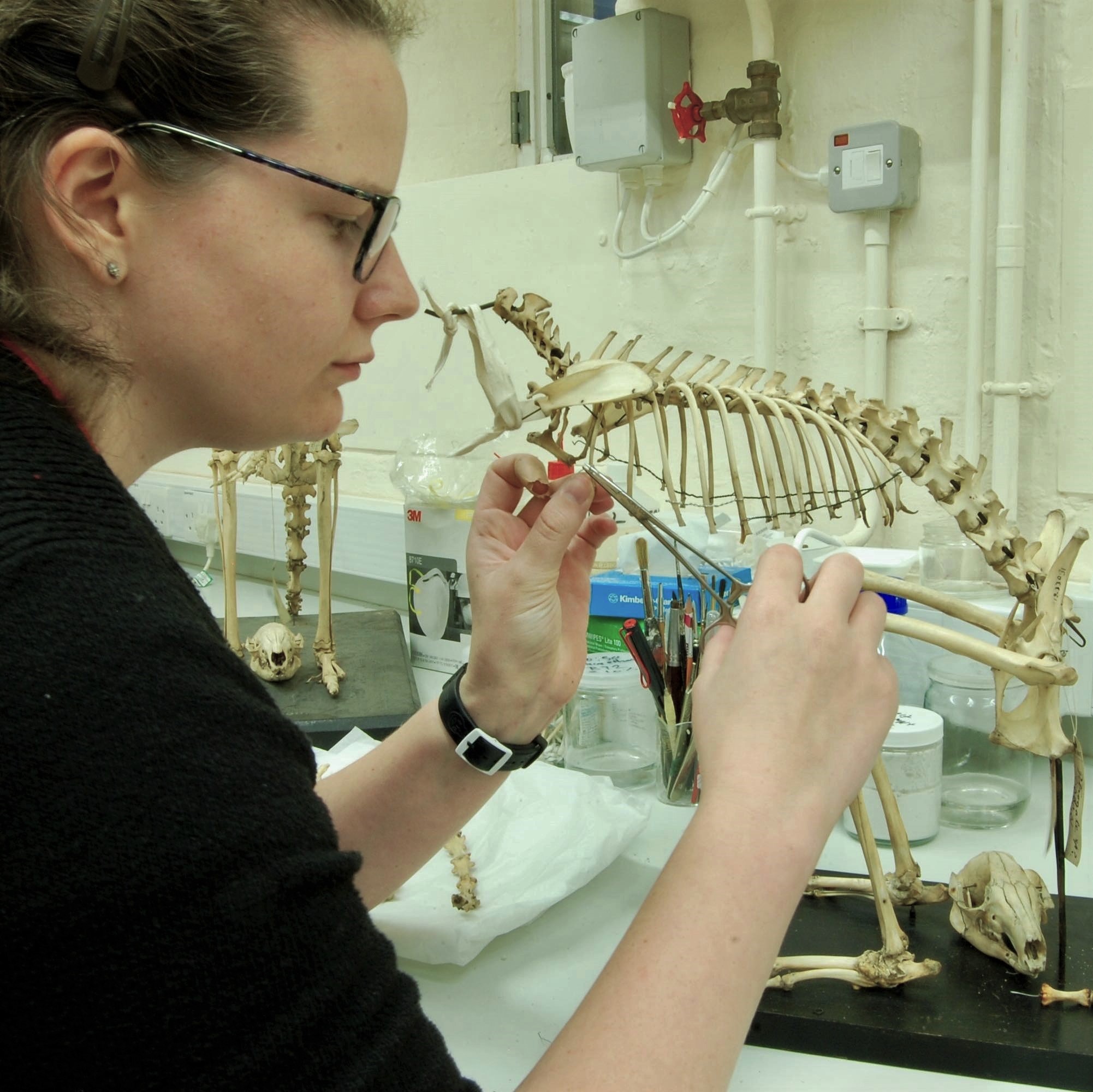
While volunteering with natural history conservator Julian Carter at National Museum Cardiff, I was given the opportunity to work on a wallaby skeleton. This was the first skeleton of any kind I had conserved. Although it initially appeared to be in relatively good condition, there were lots of small areas needing attention that made it a surprisingly complicated job.

A bony jigsaw…

The first step was to remove dirt that had built up on the bones over the years. This was cleaned away using cotton swabs and small interdental brushes dipped in a sodium bicarbonate solution; care was taken to not over-wet the bones as this can damage them.

One of the main conservation tasks was to re-wire a portion of ribcage that was hanging loose and distorting the alignment of the left side. In keeping with the pre-existing work, this required me to stabilise the free end of each rib using a single piece of wire twisted at intervals. This provided support and appropriate spacing of the bones. I had previously made jewellery using a similar technique, so my experience came in handy during the fiddliest parts!

Beginning the ribcage wiring

Continue reading →

Virtual Fieldwork during Lockdown – Part 2

Travelling to Socotra with the British and Liverpool Museums Expedition (1898/99).

This is part two of a blog written by John-James Wilson, Curator of Vertebrate Zoology, World Museum, National Museums Liverpool. See Part One here.

The journey continues…

Homhil proved a “successful and delightful sojourn, adding largely to both the flora and fauna [collected]”. The camp, surrounded by the iconic Dragon’s Blood Trees (see them yourself here), had an ideal climate, 26°C during the day, 18°C at night.

Sketch of the cucumber tree of Socotra by J. R. Wellsted, another unusual endemic tree, made during an earlier expedition to Socotra. The sketch is part of the Royle collection at LIV herbarium, World Museum. © National Museums Liverpool (World Museum).

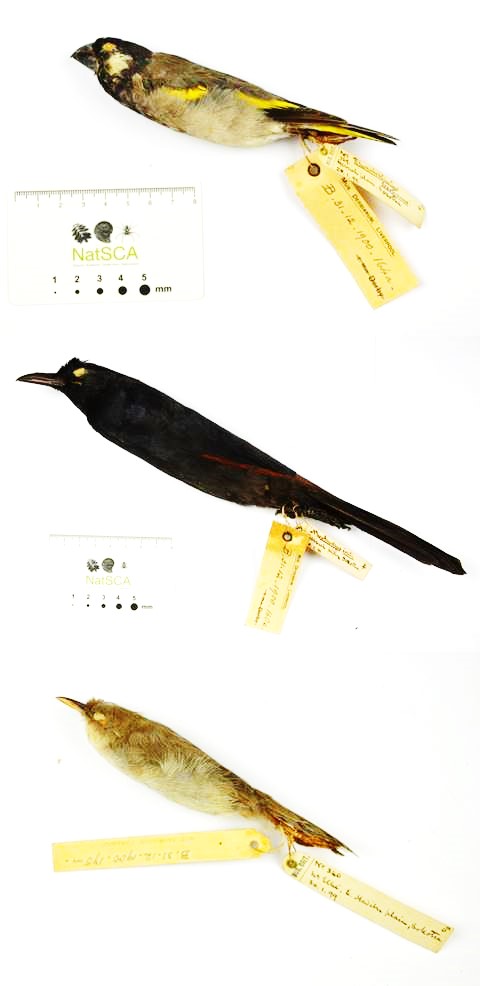
Ten days later, after difficulties agreeing the onward route, the party retraced their steps to the Hadibu Plain. Turning southwards they pitched tents at Elhe and spent two days preparing fresh camels. On the second day, Forbes forgot to put one of his gaiters on and suffered a severe sunburn on his leg (having my own prominent sunburn scar, this is another field experience I can empathise with). While back on the plain, Ogilvie-Grant collected the endemic – Socotra Grosbeak, Socotra Starling, and Socotra Warbler – amongst other animals.

Socotra Grosbeak – Rhynchostruthus socotranus Sclater and Hartlaub, 1881 [accession number: 31.12.1900.164a] (top); Socotra Starling – Onychognathus fratus (Sclater and Hartlaub, 1881) [accession number: 31.12.1900.160e] (middle); and Socotra Warbler – Incana incana (Slater and Hartlaub, 1881) [accession number: 31.12.1900.175m] (bottom). © National Museums Liverpool (World Museum).

The party resumed their trek into the mountains, reaching an elevation with stunning sea views. They remained at Adho Dimellus (also spelt Adhoh di-Melhoh), the “roof of Sokotra”, until February 17th. Fieldwork often fuels friendships and an evening was spent entertaining an Austrian expedition party Forbes had met earlier in Aden.

Photograph of the camp at Adho Dimellus (H. O. Forbes from The Natural History of Sokotra and Abd-el-Kuri). Public Domain.

Continue reading →