NatSCA Digital Digest – July 2026

Compiled by Milo Phillips, Digitisation Co-ordinator at the Royal Botanic Garden Edinburgh.

Welcome to the July edition of NatSCA Digital Digest.

A monthly blog series featuring the latest on where to go, what to see and do in the natural history sector including jobs, exhibitions, conferences, and training opportunities. We are keen to hear from you if you have any top tips and recommendations for our next Digest, please drop an email to blog@natsca.org.

Sector News

Call for Abstracts – GCG Winter Seminar – Unnatural Disaster: fighting back against the steady erosion of geological collections

Despite their clear public popularity, the future of geological collections, as well as that of the people and institutions who care for them, feels constantly under threat. The 2026 GCG Winter Seminar will serve as a ‘call to arms’ for those in our community to present on and discuss the public and scientific benefits of our collections.

The Winter Seminar and AGM will take place on the 18th November 2026 at Manchester Museum. A fieldtrip to the Peak District (max. capacity 20) and tours of the Manchester Museum collections (max. capacity 10) will take place on19th November.

The deadline for abstracts is the 31st of July 2026. Find more information here.

Continue reading →

Twisted Tales of Gallery Oldham’s Collection of Fish Casts

Written by Patricia Francis, Natural History Curator, Gallery Oldham. 

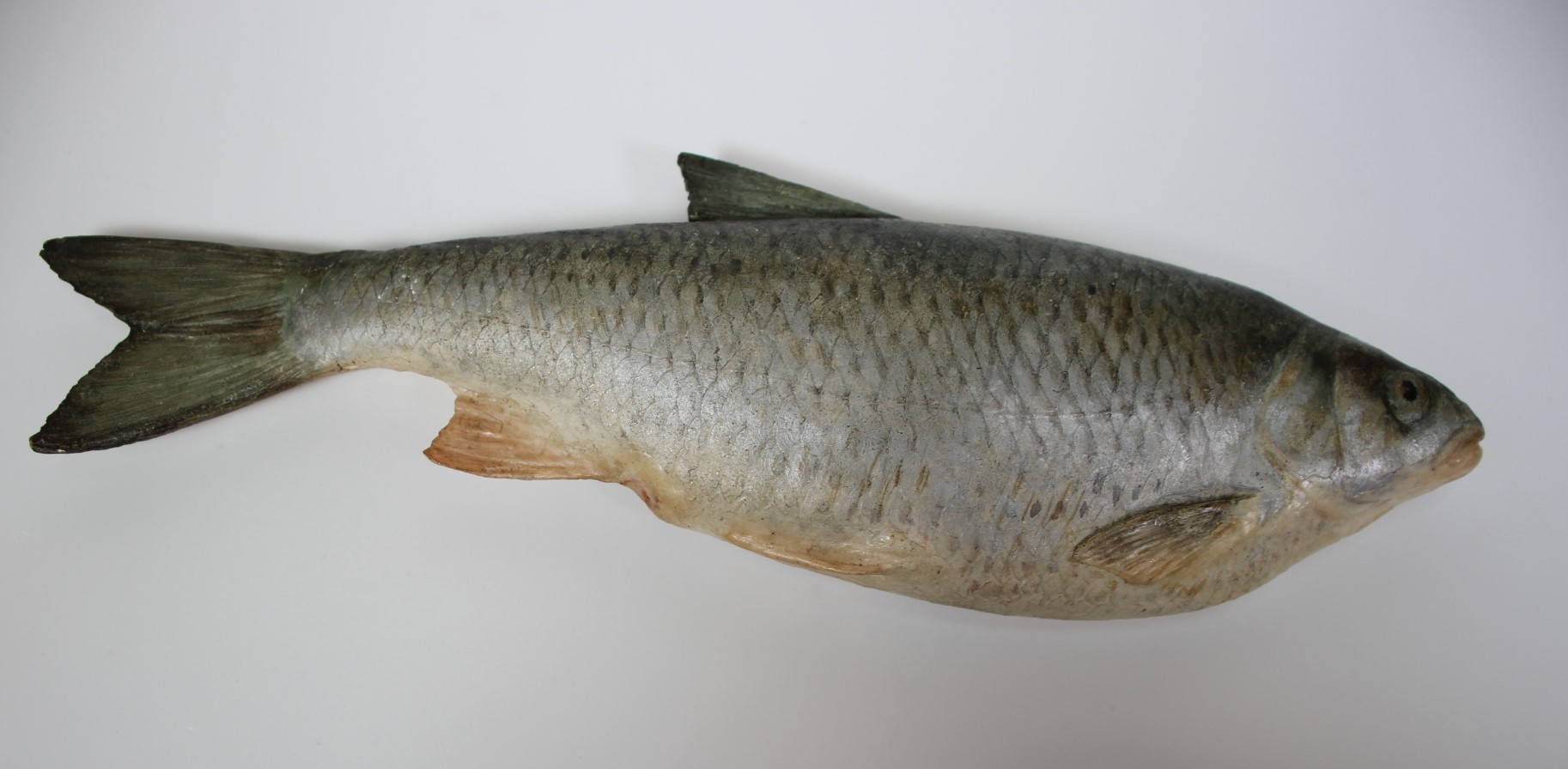
So, what’s a fish cast? Fish are particularly difficult creatures to preserve. Fish taxidermy is tricky as even a freshly dead specimen rapidly loses it colour and can quickly start to decay. Fish skin is thin and tears easily and obtaining the work of an experienced fish taxidermist is very expensive while fluid preservation involves the use of chemicals which alter the skin colouration.

Dace (1932-54 )

Modelling or casting is often chosen as an alternative way to represent the animal rather than using the actual fish skin as taxidermy does. A cast now might be made using a resin but historically plaster has been used. Then comes the clever bit, accurate painting of the cast to appear like the living animal.

Continue reading →

NatSCA Digital Digest – June 2026

Compiled by Olivia Beavers, Assistant Curator of Vertebrate Zoology at World Museum, National Museums Liverpool.

Welcome to the June edition of NatSCA Digital Digest.

A monthly blog series featuring the latest on where to go, what to see and do in the natural history sector including jobs, exhibitions, conferences, and training opportunities. We are keen to hear from you if you have any top tips and recommendations for our next Digest, please drop an email to blog@natsca.org.

Sector News

Journal of Natural Science Collections – Call for Papers

The deadline for submissions to the 15th Volume of the Journal of Natural Science Collections is 30th June. If you have projects and practices to share that will benefit the museum community, please send your manuscript to editor@natsca.org

The Journal represents all areas of work with natural science collections, and includes articles on best practice and latest research across disciplines, including conservation, curation, learning, and exhibitions. Articles should be relevant and accessible to our diverse membership.

If you would like to contribute to the Journal, please contact the editor (editor@natsca.org) and see our guidelines for authors.

All submissions are peer reviewed, resulting in high quality articles. If you are interested in contributing to the Journal by acting as a reviewer, please contact editor@natsca.org, along with the areas of specialism you would be confident reviewing (e.g. bird curation, mineralogy, conservation techniques, etc). You can read our information for reviewers here.

Continue reading →

Scott Wilson’s Iʻiwi: Colouring the Past

Written by Dan Gordon, Keeper of Biology, The Great North Museum: Hancock.

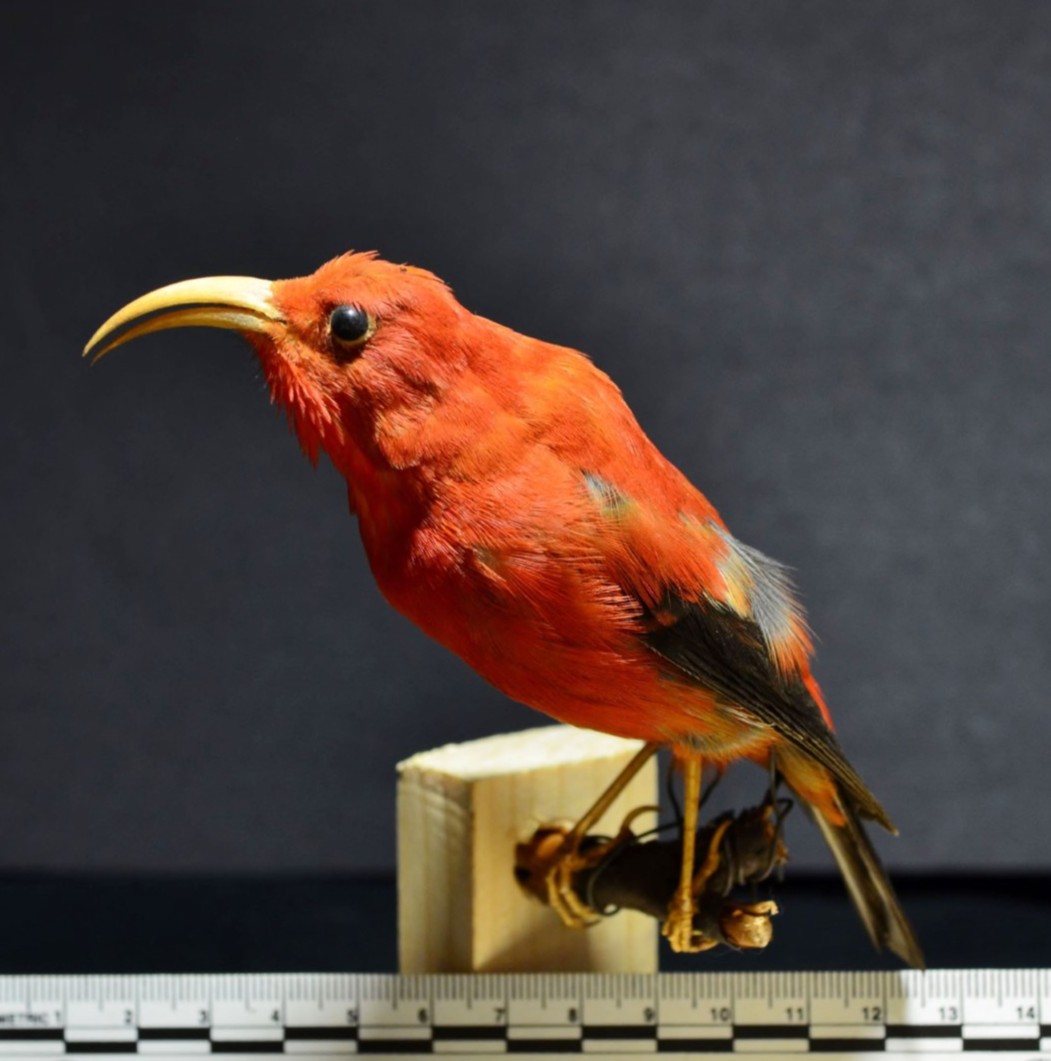
Sometimes you come across something in the stores that catches your eye. Something a little puzzling, maybe something hiding in plain sight, or in a drawer you’d never had cause to open before. For me, the specimen in question was a bright red bird. Clearly historic by its beady glass eyes, but seemingly lacking any other provenance, and identity unknown. The appearance was striking, with bright scarlet feathers and a long, curved bill like a scimitar. This made identifying it the easiest step – an I’iwi (ee-EE-wi) one of the Hawaiian Honeycreepers, and a little surprising, given its rarity. It sat alone, without context, among a flock of other small birds, drawing your eye as a patch of scarlet amongst the browns and greys. A mystery, then.

NEWHM : 2016.H5 – I’iwi (Drepanis coccinea) collected by Scott B. Wilson 1888. All images credited to The Natural History Society of Northumbria.

A bit of digging in the archives began to shed some light. Two of a Honey-Eater from Keauhou, Kona – Presented per J. Hancock by Scott Wilson Esq. looked like a likely candidate. One of a pair, collected from the Big Island, Hawaii, reached us here in 1889. The Natural History Society of Northumbria were keen collectors of specimens from all over the world at that time, but this one seemed unusual. Who was Scott Wilson, and why might he have sent them here?

Continue reading →

Meet the Taxidermist – A New Way to Engage the Public with Taxidermy

Written by Julie Griffith, Property Experience Curator, Calke Abbey – National Trust & Sarah Burhouse, Taxidermist, Birdhouse Taxidermy.

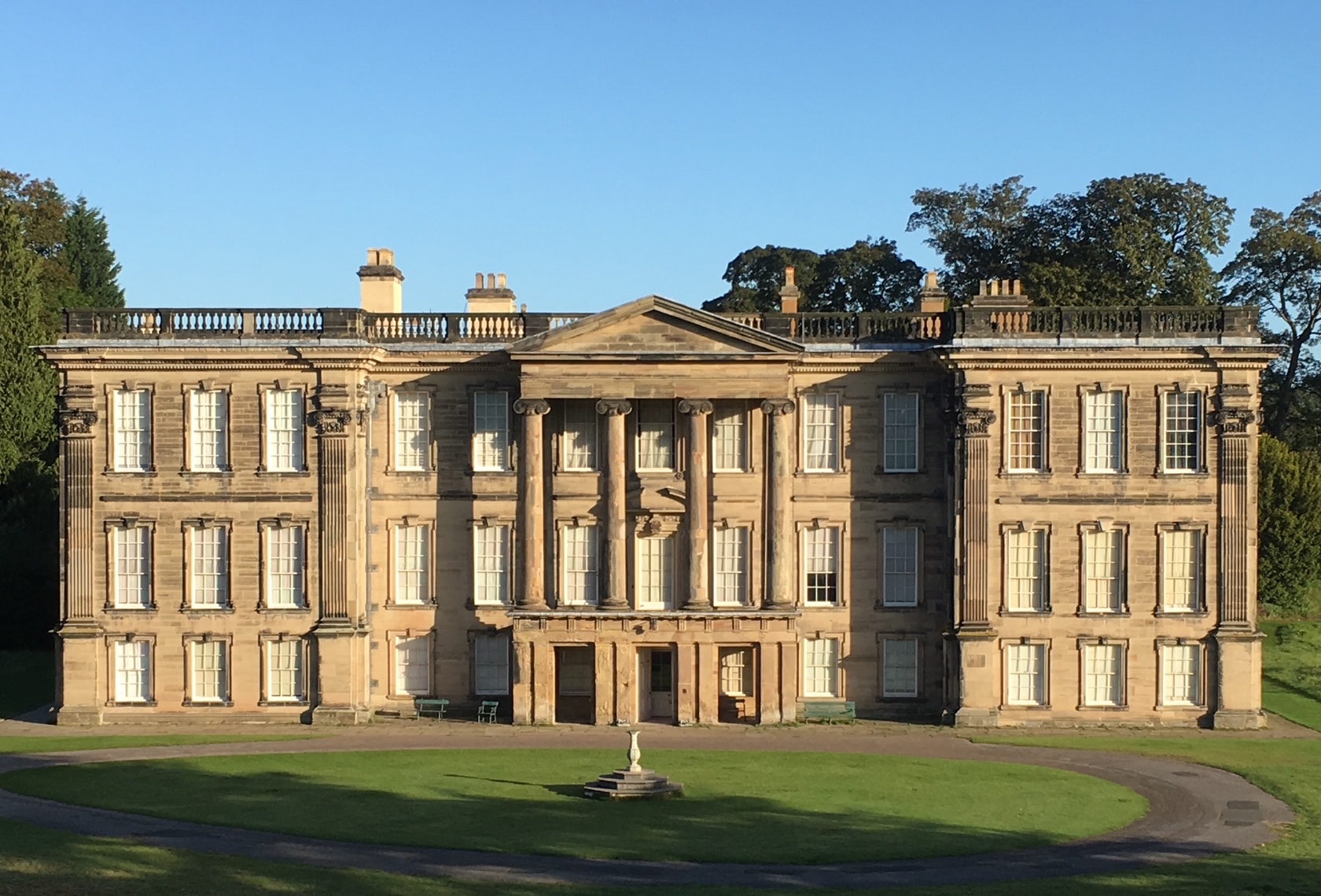
How to challenge negative pre-conceptions of taxidermy and facilitate deeper, positive engagement with the objects – this was the challenge faced at Calke Abbey, a National Trust property in Derbyshire.

Credit – National Trust/Julie Griffith

Julie – Calke Abbey

Integral to Calke Abbey’s identity, the natural history collection demonstrates the interests and collecting of several generations of the Harpur Crewe family. Most visible is the taxidermy, present in over 10 rooms of the house and ranging from high quality finished dioramas to unfinished mounts hanging upside down in overcrowded cases. In the Saloon, large cases of birds even obscure a painting of Harpur Crewe children, demonstrating the importance placed on these objects by their historical owners.

Continue reading →