Where are the Women? Uncovering Hidden Connections to Calke Abbey’s Natural History Collection

Written by Julie Griffith, Property Experience Curator, Calke Abbey, National Trust.

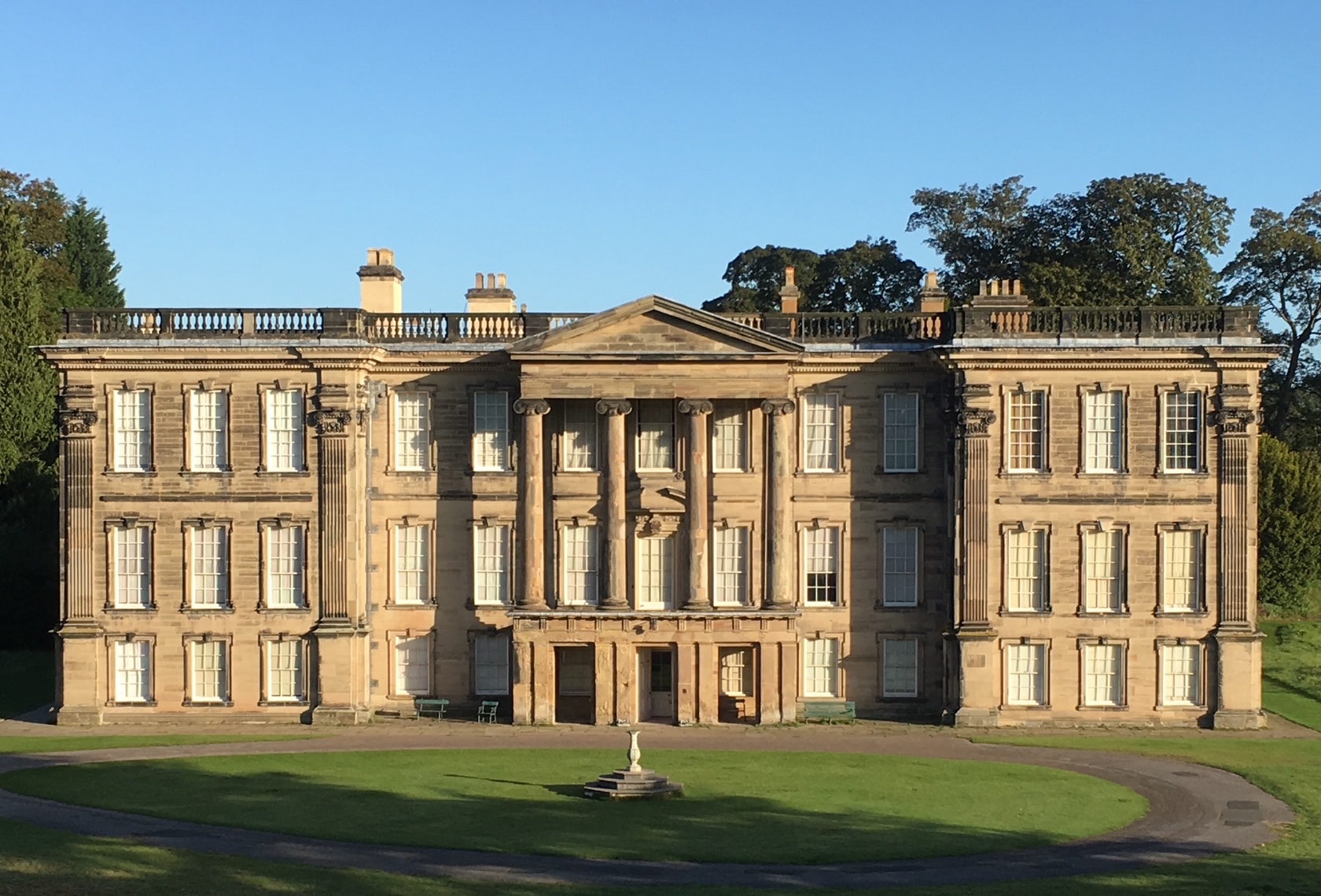
Exploring the stories of Selina (1822-1905), Georgiana (1824-1910) and Matilda (1831-1899) Lovell, uncovers three curious and accomplished women. With interests in botany and conchology and stretching from Derbyshire to Australia, their story is of both individual achievement and natural history connecting sisters across the globe.

With existing narratives around Calke Abbey’s natural history collection overwhelmingly male focussed, recent research into the three Lovell sisters aims to bring women’s stories and connections to natural history into the spotlight at this country house property.

Who were the Lovell sisters?

The Lovell sisters were closely related to the Harpur Crewe family of Calke Abbey through their mother, Selina Crewe (d.1838), a daughter of Sir Henry, Calke’s 7th Baronet and Nanny, Lady Crewe. Their father, Vice-Admiral William Stanhope Lovell (c.1788-1859) was a distinguished naval officer and veteran of the Battle of Trafalgar.

Continue reading →

From Dioramas to The Red List: Conserving Felbrigg Hall’s Taxidermy Birds for a New Conservation Story.

Written by Louise Green, Project Manager and Collections & House Manager, Felbrigg Hall, National Trust, and Martha Infray, Regional Conservator, National Trust.

Introduction

The Bird Corridor at Felbrigg Hall, Norfolk, houses a nationally significant natural history collection. Consisting of taxidermy bird dioramas collected by Thomas Wyndham Cremer (1834-1894), the displays document many of the resident and migratory bird species historically found in East Anglia.

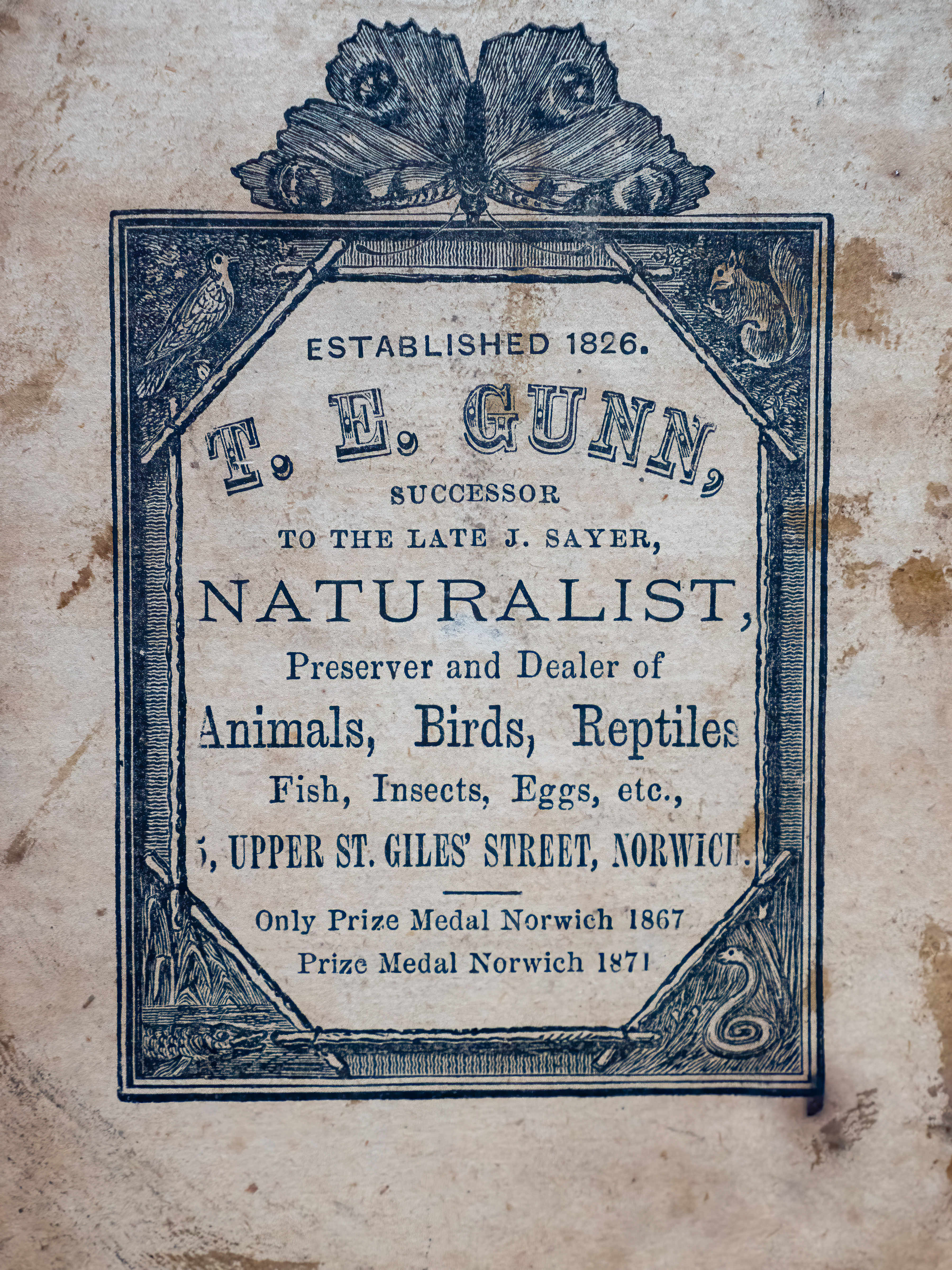
Created by renowned nineteenth-century taxidermists Gunn of Norwich and Pratt of Brighton, the dioramas are a first-hand resource documenting the ornithological scene in East Anglia during the 19th-century.

Following the successful completion of the first Phase of conservation treatment in 2025, the second and final phase is nearing completion, with only two weeks of treatment remaining this autumn.

Historic label by Thomas Gunn, attached to the back of a diorama © National Trust/ Rob Coleman

Continue reading →

Meet the Taxidermist – A New Way to Engage the Public with Taxidermy

Written by Julie Griffith, Property Experience Curator, Calke Abbey – National Trust & Sarah Burhouse, Taxidermist, Birdhouse Taxidermy.

How to challenge negative pre-conceptions of taxidermy and facilitate deeper, positive engagement with the objects – this was the challenge faced at Calke Abbey, a National Trust property in Derbyshire.

Credit – National Trust/Julie Griffith

Julie – Calke Abbey

Integral to Calke Abbey’s identity, the natural history collection demonstrates the interests and collecting of several generations of the Harpur Crewe family. Most visible is the taxidermy, present in over 10 rooms of the house and ranging from high quality finished dioramas to unfinished mounts hanging upside down in overcrowded cases. In the Saloon, large cases of birds even obscure a painting of Harpur Crewe children, demonstrating the importance placed on these objects by their historical owners.

Continue reading →

Taxidermy and the Country House: Information Needed!

birdpic

Today we would like to share a research request from historic taxidermy expert Pat Morris. Pat says:

I have been commissioned by the National Trust (NT) and English Heritage (EH) to write a book about ‘Taxidermy and the Country House’. I know about collections in houses managed by NT and EH, but finding out what’s where in privately owned mansions is proving difficult. I have been checking 19th century literature (county avifaunas particularly) for references to past collections, and I am trying to find out how many are still extant. I have also been asking around, which is what I’m doing now. If you know of any old collections of birds or hunting trophies in major country houses, I would be glad to know where, please. Many of the big houses, especially in East Anglia and in Shropshire, had substantial taxidermy collections that ended up in local museums, having been donated when no longer wanted at the Big House. If you know of any of these collections, who collected them and the house in which they were previously displayed, I would be grateful for your assistance.

If you have any information that could help in this matter, please contact Pat Morris at: pat.morris5@outlook.com