Our Top Ten Most Fantastic Blogs of 2018

Written by Dr Emma Nicholls, Deputy Keeper of Natural History at the Horniman Museum and Gardens.

In case you missed out on any of our articles from last year, here is a handy round-up of the ‘must-reads’, as voted* for by you, the public. It is always useful for us at NatSCA to look back at what blogs from the previous year readers have found the most interesting. It helps to inform us of what types of articles we should look to be publishing in the coming months. Last year you seemed captivated by a wide variety of things, from Crochetdermy® to conservation, and booze to bones. Here’s a look back at 2018, and the top ten most read NatSCA blogs of the year!

Coming in at number 10…

10- Private Bone/Taxidermy Collection: The Good, The Bad and The Illegal

9- Wild About Portsmouth – Discovering Portsmouth’s Natural History Collection

8- Caring for Natural Science Collections – My First NatSCA Conference

7- Harry Higginson: Distributing Dodos in the 1860s

6- Transforming Scientific Natural History 3D Data into an Immersive Interactive Exhibition Experience

5- NatSCA Conservation Photo Competition

4- Crochetdermy® at the Horniman

3- The Curious Life of a Museum Curator

2- When Art Recreates the Workings of Natural History it can Stimulate Curiosity and Emotion

…and in first place…

1- When Museums Get it Wrong – Did We Accidentally Accession Someone’s Holiday Booze?

If you have an idea for an article you would like to submit, or if you would like to write something but need help with the inspiration, do get in touch with us at blog@NatSCA.org.

* These articles received the top number of hits for the year. We didn’t take an actual vote!

NatSCA Digital Digest – February

Compiled by Sam Barnett, NatSCA Volunteer and PubSci Committee Member.

What should I read?

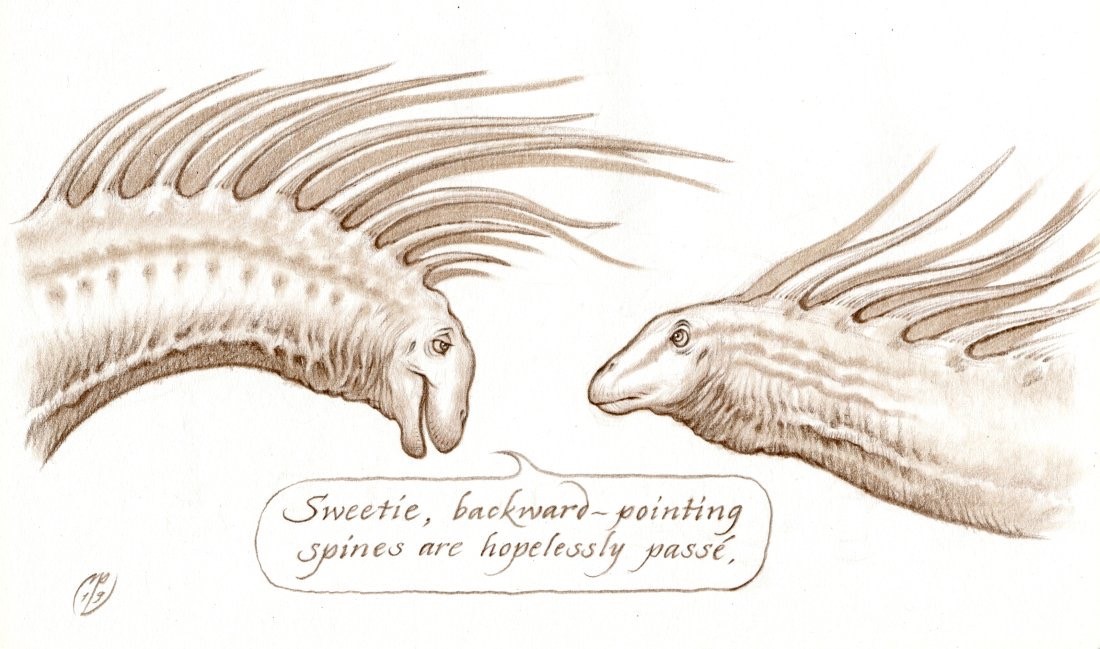
If you’ve not been keeping up with your South American sauropod discoveries, this next item might have completely passed you by. A new dinosaur has been named Bajadasaurus pronuspinax and hails from the Bajada formation of Patagonia. It bears a similarity to Dave Hone’s favourite dinosaur Amargasaurus but with far more flamboyant adornments – as illustrated here by Natee Himmapaan. You can read all about Bajadasaurus over at Nature or you can find a very good piece on it by Ed Yong here.

Bajadasaurus pronuspinax. (C) Natee Himmapaan.

In China, Qiang Fu and colleagues have proposed an earlier date for flowering plants; much, much earlier. This has been met with some cynicism from the palaeobotanical community and we’re looking forward to seeing how that plays out. Continue reading →

The Bill Pettit Memorial Award

The Bill Pettit Memorial Award – £2000

NatSCA is pleased to invite applications to this year’s Bill Pettit Memorial Award. Up to £2,000 of grant money, is available to NatSCA members this year to support projects including the conservation, access and use of natural science collections.

Charles Arthur William ‘Bill’ Pettit (1937-2009) started his career with the National Institute of Oceanography but moved to the Manchester Museum in 1975 to become Assistant Keeper of Zoology. In his time at Manchester, Bill worked tirelessly for the collections and was instrumental in projects such as FENSCORE as well as numerous publications. It is in recognition of his commitment to natural science collections that we would like to offer this annual award.

Projects will be assessed against NatSCA’s mission to promote collections care, use and access of Natural Science collections. We are looking for projects that can be delivered on time and budget, leaving a tangible legacy. Each project will be considered on its own merits by the NatSCA committee and the committee’s decision, including not awarding any money that year, will be final. 

Continue reading →

NatSCA Digital Digest – January

Compiled by Dr Emma Nicholls, Deputy Keeper of Natural History at the Horniman Museum and Gardens.

What Should I Read?

Prolific author Darren Naish (of TetZoo) has pulled together a collection of exciting tetrapod-based scientific discoveries of 2018 in his latest article The Most Amazing TetZoo Themed Discoveries of 2018.

The government of New Zealand is under pressure to act on the trade of moa bones. This article is good food for thought re private sales of fossils; Moa for sale: trade in extinct birds’ bones threatens New Zealand’s history.

Of interest to many more of us than just curators, the top three most popular 2018 blogs posted on the Geological Curators’ Group website are:

1) Pyrite Oxidation: Where Are We Now? an excellent and informative article on the menace of pyrite decay

2) Up Inside Historic Dinosaurs about the Crystal Palace Dinosaurs, and

3) Contradictions, Conundrums and Lies which looks at the issues we face in museums!

Continue reading →

Caring for Natural Science Collections – My First NatSCA Conference

Written by Hannah Clarke, Curatorial Assistant (Collections Access) University of Aberdeen, Museum Collections Centre.

This October I was lucky enough to attend my first ever NatSCA conference, thanks to funding from one of the NatSCA bursaries. I was originally a little daunted, as this was my first Natural History Conference, but I knew that I had to throw myself in the deep end!

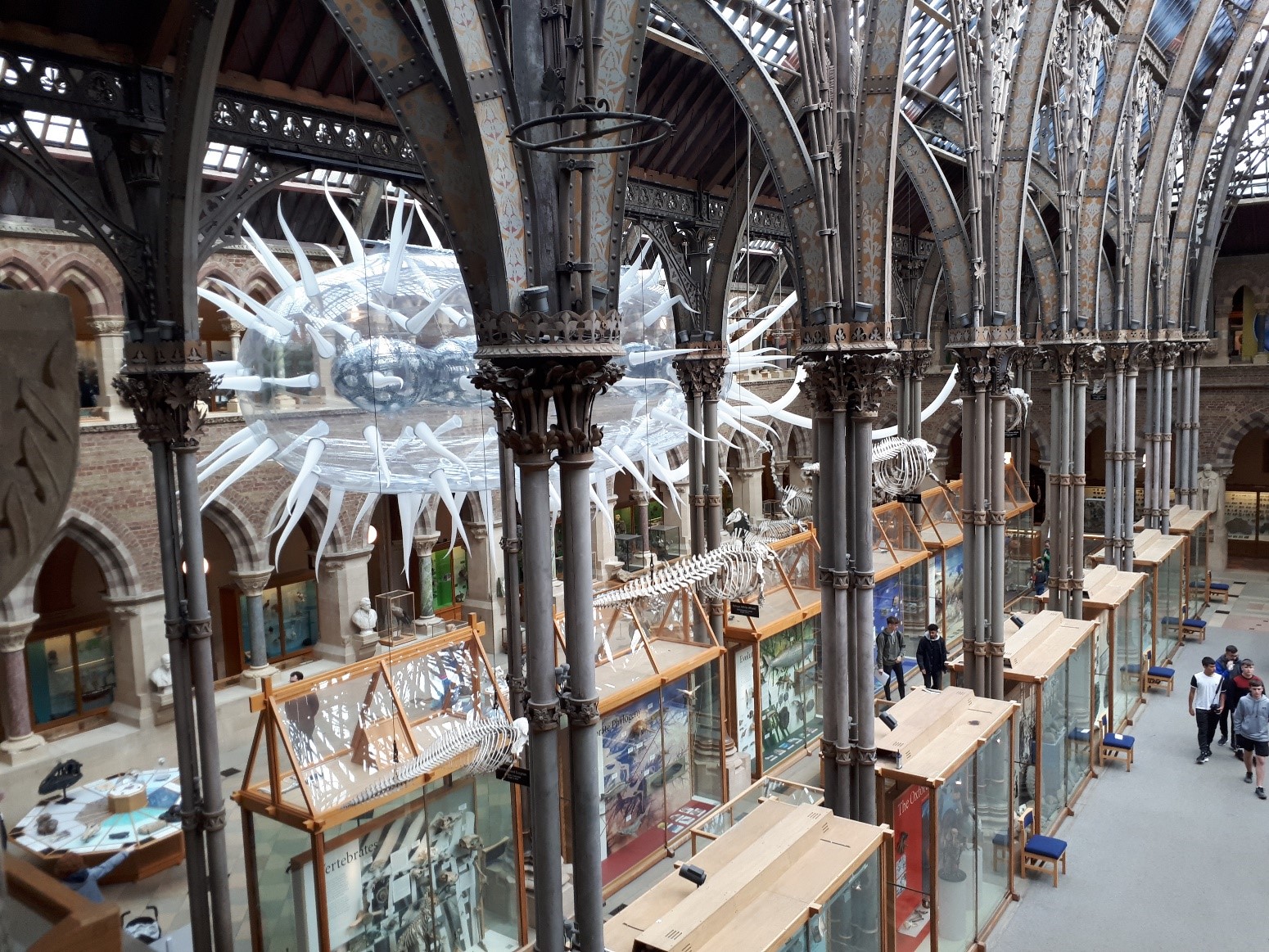
However, these worries soon dissolved, as everyone was really friendly, passionate about their specialism and eager to share their knowledge and experiences with everyone else in the room. Not only this, but the setting at Oxford University Museum of Natural History was a real treat, and I had a chance to take in the collection from above during coffee breaks.

View from the first floor at Oxford University Museum of Natural History, showcasing the impressive architecture and collections below. © Hannah Clarke.

Having originally trained as a conservator, I am now working in a collections access role, with responsibility for the upkeep of the Zoology Museum within my institution. Having been more focused on collections care in the last few years, I was keen to learn more about current advances in the conservation of natural history collections.

There were many highlights from the day, and as always at these kinds of events, new connections were made and advice offered openly to those with questions in the audience.

Continue reading →