NatSCA Digital Digest – January

Compiled by Jennifer Gallichan, Curator of Molluscs & Vertebrates at National Museum Cardiff.
Welcome to the January edition of Digital Digest and a Happy New Year to you all.

I am dedicating this first Digital Digest to conferences, as calls for papers seem to be coming thick and fast. There are some fab events this year so get planning, submitting and registering.

NatSCA Conference & AGM 2020 .

Changing the World: Environmental Breakdown, Decolonisation and Natural Science collections

Thursday 14th & Friday 15th May 2020. National Museum Wales, Cardiff.

The #NatSCA2020 conference invites proposals for presentations exploring the role of natural science collections in addressing or engaging with ‘big issue’ challenges, both in the environment and in society. For example:

  • Have you been involved in a research project using natural science collections to inform decision/policy makers on the implications of climate change, biodiversity loss or biosecurity threats?
  • Are you developing plans to reconceptualise and decolonise your collections?

We would like to hear from anyone and everyone who uses natural science collections to interact with important global topics.

Deadline for submission: 7th February. Click here for more info about how to submit your abstract.

Continue reading

Meet The NatSCA Committee – Amanda Callaghan

Written by Amanda Callaghan, Curator/Director of the Cole Museum of Zoology at the University of Reading.

What is your role on the NatSCA Committee?

I only recently joined the Committee but will be taking over the organisation of training courses from Clare Brown in the New Year. NatSCA offers really interesting and relevant courses for people working in this sector and I would welcome any ideas of courses you would like to see, or repeats of courses you missed. I attended a couple of these recently, including by far the smelliest day I have ever spent, at the skeleton preparation course at Fort Cumberland in Portsmouth.

Job title and Institution

Curator/Director of the Cole Museum of Zoology at the University of Reading/Professor of Invertebrate Zoology.

Twitter username

@ACallaZoo

Tell us about your day job?

Working as a University academic means that you have lots of hats. My hats include teaching undergraduate zoology, supervising PhD and undergraduate student research and no end of random teaching leadership roles. These roles are all very interesting but by far the best part of my working week is spent in the Cole Museum where I have been the curator for the past 15 years.

Continue reading

NatSCA Digital Digest – December

Compiled by Jan Freedman, Curator of Natural History, Plymouth Museums Galleries Archives.

Welcome to the December edition of NatSCA Digital Digest!

A monthly blog series featuring the latest on where to go, what to see and do in the natural history sector. If you have something to say about a current topic, have visited an exciting new exhibition or museum, or perhaps you want to tell us what you’ve been working on, please drop an email to blog@natsca.org.

Changing the World: Environmental Breakdown, Decolonisation and Natural Science collections

Save the date for the best annual conference, and catch up with colleagues from across the country. The Conference & AGM of the Natural Sciences Collections Association will be held on Thursday 14th & Friday 15th May 2020. National Museum Wales will be hosting the conference at two venues in Cardiff: St Fagans National Museum of History and National Museum Cardiff.

The #NatSCA2020 conference invites proposals for presentations exploring the role of natural science collections in addressing or engaging with ‘big issue’ challenges, both in the environment and in society. We would like to hear from anyone and everyone who uses natural science collections to interact with important global topics. For more details visit: https://www.natsca.org/natsca2020

Continue reading

Our Top Ten Blogs of 2019

Written by Jennifer Gallichan, Curator of Molluscs & Vertebrates at National Museum Cardiff.

2019 was an interesting year for me as I took on the role of NatSCA blog editor. It has been a great year and I have very much enjoyed reading all of the articles from our amazing contributors. To celebrate this, I wanted to bring together a list of our top ten most viewed blogs from 2019 in case you missed any of them.

Top scorers this year include a surprising number of botanical articles, with four of the ten written by our plant loving colleagues.

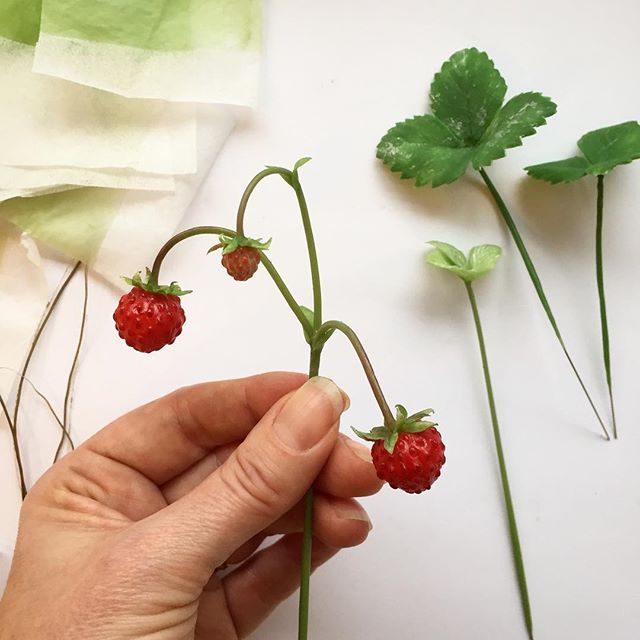
Strawberry fruits made from dressmaking beads coated in molten wax and attached to waxed wire stems. © Annette Townsend

Some of my personal favourites, although not top scorers, are actually two articles which we were kindly allowed to re-blog: Annette Townsend’s beautiful and mesmerising work in how to make a wild strawberry sculpture from honey bee wax, and John Wilson’s fantastic article about the orang-utan specimens sent to World Museum, Liverpool by Alfred Russell Wallace.

But, here are the top ten most read NatSCA blogs by your good selves…

Continue reading

Provenance, Provenance, Provenance

Written by Yvette Harvey, Keeper of the Herbarium, Royal Horticultural Society, RHS Garden Wisley, Surrey.

When all is quiet, the crowds have long-gone home and the lights have been dimmed, the back rooms come alive for the curators who have long finished their official hours. For it is the time for tracking down rogue specimens, delving into the past or anticipating the future. What I am trying to say is that it is the time for research and the inevitable Miss Marple style adventures to be discovered when finding details to add to the current knowledge of a historic specimen. I say current because invariably details will have been lost or not even deemed worthy to have been recorded on labels, or written in a language so obscure as to not be recognised by the modern eye.

Perhaps lost details are just a phenomenon of the botanical world, but I suspect not, and I will explain what I am alluding to above using just a couple of examples of specimens made by a single collector, John Forbes, who undertook a voyage from 1822 until his death in 1823, almost 200 years ago.

John Forbes was one of the Horticultural Society of London’s (now the Royal Horticultural Society) early plant collectors. Head-hunted from the Liverpool Botanical Garden for his horticultural skills, he was employed to travel to Southern Africa to bring back plants to introduce to British gardens. He sailed with Captain Owen on the HMS Leven, a voyage tasked with making a survey of the east coast of Africa, visiting (in the following order): Madeira, Tenerife, Santa Cruz, Cape Verde Islands, Brazil, South Africa, Mozambique (Forbes is noted as the second botanist to collect there (Exell & Hayes: 130)), Madagascar, Comoros, Mozambique, South Africa and finally Mozambique (where Forbes died, 16th August 1823).

Continue reading