Meet the NatSCA Committee – Lucie Mascord

Meet the NatSCA Committee: Ordinary Member

Name: Lucie Mascord

What is your role on the NatSCA Committee? I am the new Conservation Representative

Job title and institution: Conservator of Natural History, Lancashire Conservation Studios

Twitter username: @LuceGraham

Tell us about your day job: I am a specialist natural history conservator, working for a museums service and my own business. In both, I provide conservation services to the heritage and private sector. This is mainly in the North West – everywhere from Cumbria or to Cheshire, but my work has taken me all over the country which means I get to visit lots of new collections.

My role covers all scope of natural history collections but I specialise in bone, fluid preserved collections and taxidermy. My work is incredibly varied; as well as a conservator I am a preparator – preparing bone, skins, taxidermy and fluid preserved material. I can spend 200 hours plus conserving a single specimen, or carry out a whole collection survey in 72 hours! I also provide training to institutions in natural history collections care.


Visiting the Galerie de Paléontologie et d’anatomie comparée

Natural science collections are very popular with visitors. Why do you think this is?

Overall, I think it is about innate curiosity – the natural world is deeply fascinating and diverse. The reason natural history collections are popular with children is they are still in that stage of uninhibited curiosity.

Continue reading

NatSCA Digital Digest – July

What Should I Read?

If you like a good nose, the second part of TetZoo’s Elephant Seal article has just been published, which you can read here. And here is a thoughtfully placed link to the first part in case you missed it and wanted to catch up.

For a fun bit of ‘history of natural history’, this article is all about the secret that the Natural History Museum’s blue whale has been hiding since the 1930s, unknown to anyone until it’s recent clean prior to the big unveiling next week. Those naughty conservators… chuckle.

Whilst some of this article raised my quizzical-shark-scientist’s-eyebrow, such as the scale bar for instance, researchers believe they have uncovered a big clue as to why the Megalodon went extinct. Definitely worth a read if, like everyone, you like sharks. Although this article came out in January, it is receiving media attention at the moment so I thought I’d treat you to it.

Continue reading

NatSCA Digital Digest – June

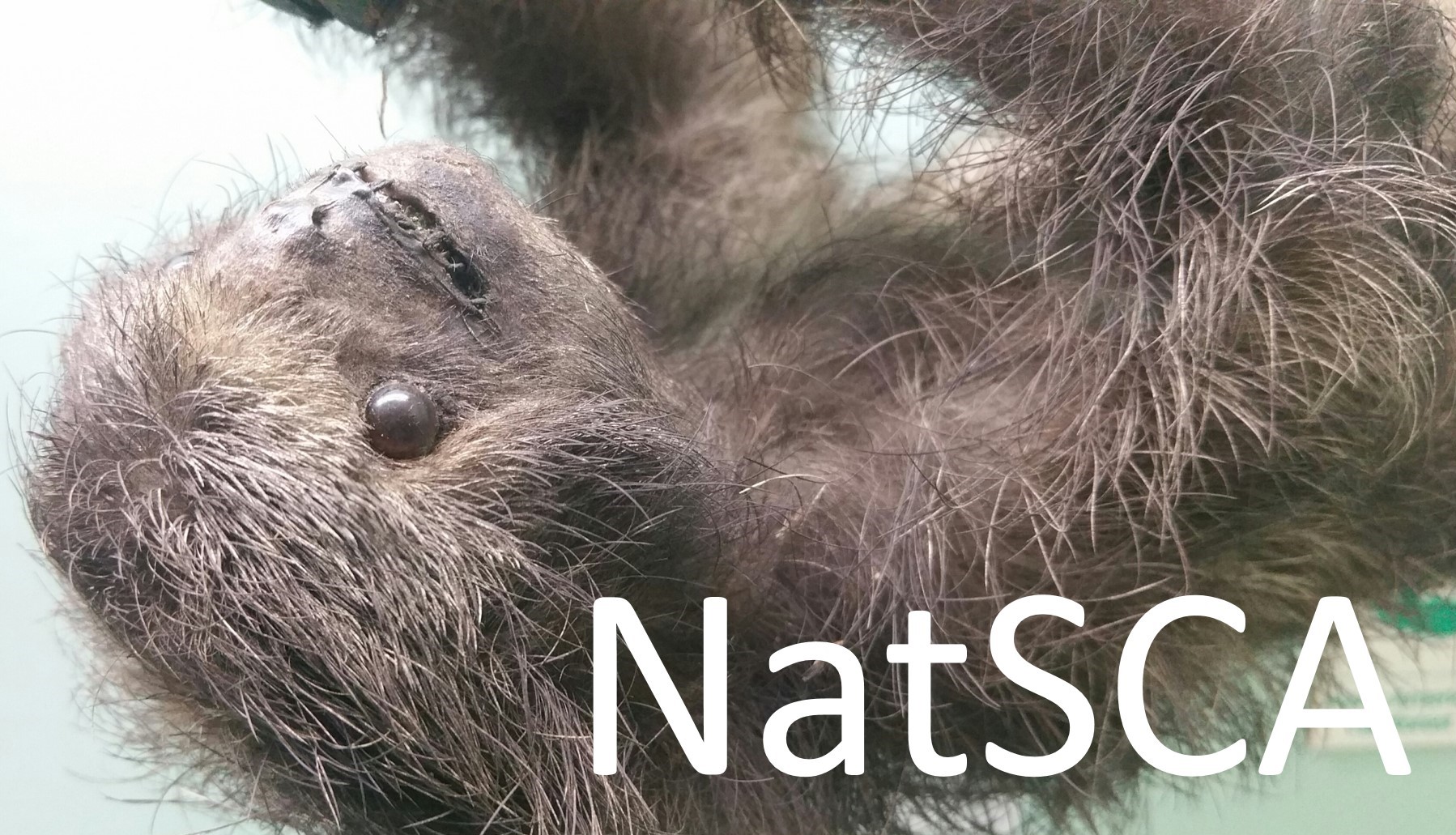
Three-toed sloth (C) Horniman Museum and Gardens

What Should I Read?

Four new dinosaurs all under one article, plus a good reason to check what’s in your museum stores more carefully. Dr Dave Hone introduces a cavalcade of new giant dinosaurs.

We all want to live in a perfect world where all museum records are available online, so why don’t we just digitise everything huh? Peel Art Gallery, Museum and Archives tackles The Question so many of us seem to get asked: Why don’t archivists digitize everything?

Not so much a blog or article to read, but definitely something to have a quick look at for it’s wow factor alone. If you’re looking for inspiration for your next event, be it for children or adults, it doesn’t come much better than these balloon animals and insects. These incredible balloon sculptures are by artist Masayoshi Matsumoto, and are just amazing. Continue reading

NatSCA Digital Digest – May

nddLogo2017-05-04

What a month we’ve had! The Conference at Cambridge on the 20th to 21st April was a roaring success. Over 100 museum delegates gathered together beneath the mantle of a Finback whale skeleton, to swap notes and revive old connections. Many heated exchanges were had over issues ranging from fungi to frocked wolves. No museum-based conference is complete without a tour of the stores – big thanks once again to the Zoology Museum for having us. We got a sneak-preview of the new gallery space too and, while I can’t post pictures of that, I can tell you that you have to go and see it when they open. Highlights for me included an elephant from Sri Lanka with links to Stanley Kubrik, and a Diorama of a beach with added surprises for future conservators. Continue reading

NatSCA Digital Digest – April

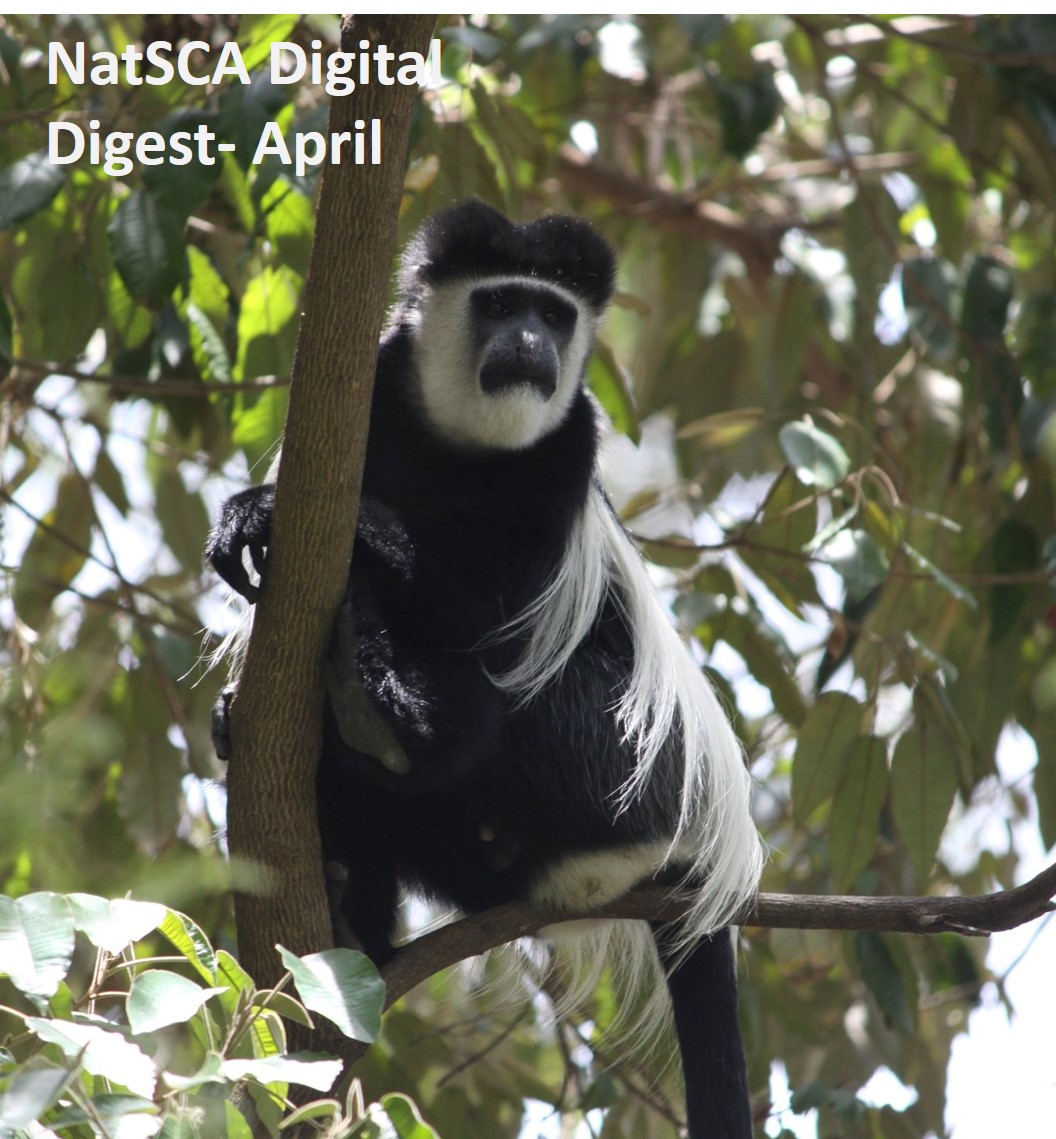
Colobus monkey © E-L Nicholls

What Should I Read?

I came across a very entertaining blog by Lily Nadine Wilks which looks at the frustrations of museum documentation in Mysteries of the Past. She has been working on the Charles Lyell digitisation project at the Oxford University Museum of Natural History.

Having noticed lately that there are more harlequin ladybirds in my house than there are Lego sets*, I was interested to come across A decade of invasion – a story of Harlequin Ladybird in the UK. I can’t believe THAT many ladybirds exist in the UK having only arrived in 2004. They are clearly a prolific species, if only I could teach them to write research papers. Continue reading