4th MOBILISE Training School: “Next Step in the Digitisation Process of Natural History collections: Publishing of Biological, Geological, Palaeontological and Mineralogical data”.

Written by Olivia Beavers, Assistant Curator of Vertebrate Zoology at World Museum, National Museums Liverpool.

In December I was selected, along with 17 others, to attend the 4th MOBILISE Action Training School held in Brussels, 6–7th February. This training school gave an opportunity for students and professionals of Natural History Institutions from Europe and Israel to learn more about the publishing of our collections’ data sets. A crucial aim of the training school was to learn how to map data to the Darwin Core Standard, and as a result, create a Darwin Core Archive file to be uploaded to GBIF.

The Training School consisted of two parts: the first was an introduction to the group. This was conducted online and addressed theoretical issues associated with our datasets. Part 2 was the two-day, face to face trip to Brussels to check the cleaning and validation of our data for it to be ready for publishing on GBIF (for Biological Data) or GeoCASe (for Geological, Palaeontological and/or Mineralogical data).

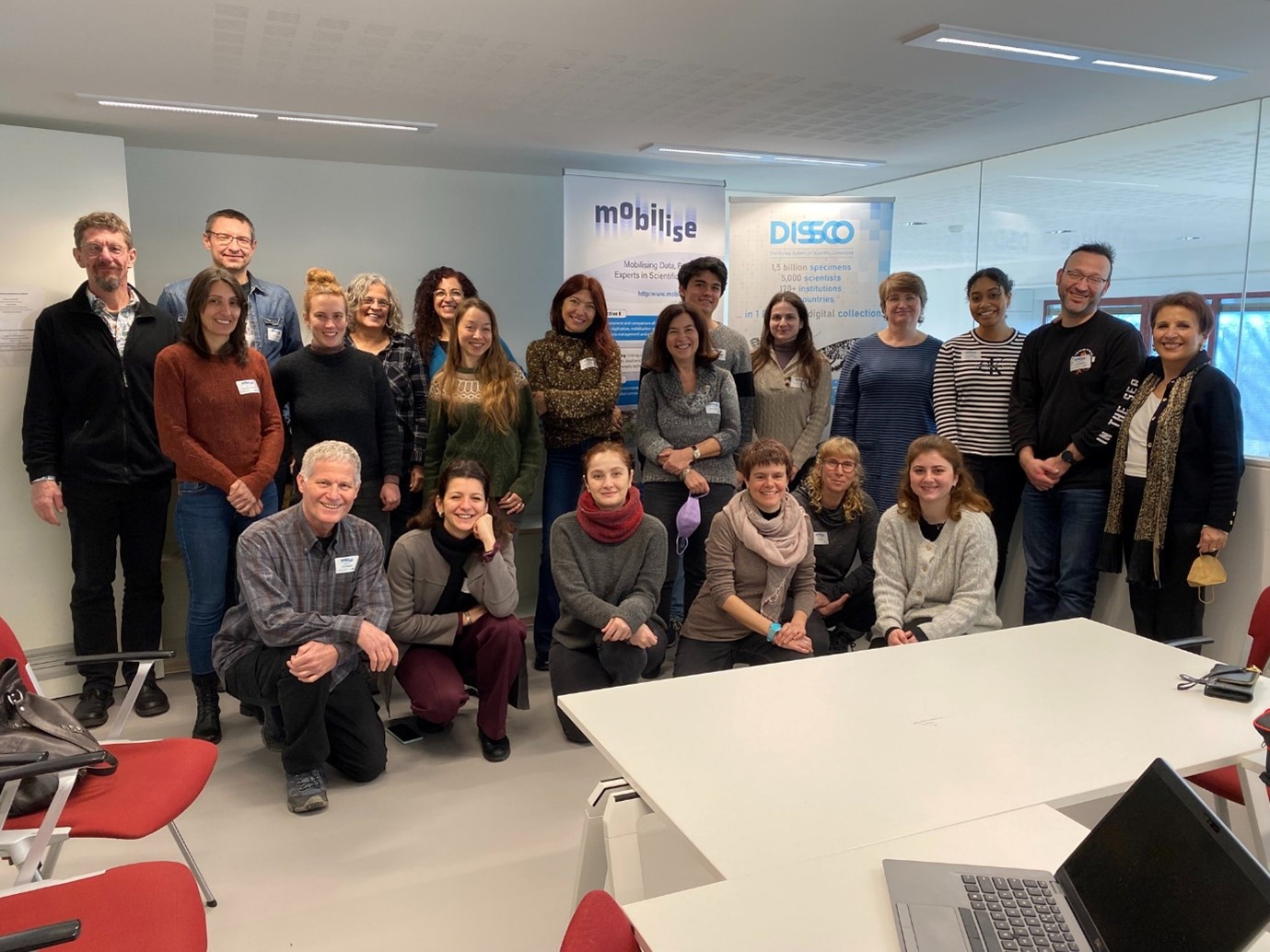
A group photo of the 21 attendees and group leaders at the 4th MOBILISE Action Training School, Brussels
Figure: 1 A group photo of the attendees and group leaders at the 4th MOBILISE Action Training School, Brussels ©Katerina Voreadou
Continue reading

NatSCA Digital Digest – February 2023

Compiled by Glenn Roadley, NatSCA Committee Member, Curator of Natural Science at The Potteries Museum & Art Gallery.

Welcome to the February edition of NatSCA Digital Digest.

A monthly blog series featuring the latest on where to go, what to see and do in the natural history sector including jobs, exhibitions, conferences, and training opportunities. We are keen to hear from you if you have any top tips and recommendations for our next Digest, please drop an email to blog@natsca.org.

Sector News

NatSCA Conference

The NatSCA annual conference and AGM will be held at The Potteries Museum & Art Gallery on Thursday 27th and Friday 28th April 2023. The focus this year is:

So how do we actually do all this? Hopeful futures and turning theory into practice for big issues in natural history collections.

This is the “How To…” conference for people working with natural history collections. The last few years have seen unprecedented changes in the expectations for what the museum sector can deliver. Global and local social and environmental issues have coincided to reinforce the needs of museums to consider their reinvention and relevance. Booking will open shortly, so keep an eye on our website and social media channels for updates.

SPNHC Conference

The 38th Annual Meeting of The Society for the Preservation of Natural History Collections is being held in San Francisco, California 28 May – 2 June 2023. Full details here.

DiSSCo UK Community Event

The next DiSSCo UK event will be held on March 3rd, 14:30-16:30 via Microsoft Teams. Please save this date in your calendars! A general update on DiSSCo UK activities and future plans will be provided, and we will hear from our colleagues at Kew regarding their digitisation project, and will discuss the affiliation between natural science collections and the humanities sector. For details, contact Tara Wainwright (tara.wainwright@nhm.ac.uk)

Bursaries for People and Plants workshop 2 at Royal Botanic Gardens, Kew (Friday March 10th 2023)

Applications are now open for 4 funded spaces at workshop 2 of the AHRC funded project ‘People and Plants: reactivating ethnobotanical collections as material archives of Indigenous ecological knowledge’.

Four bursaries of up to £225 each are available. This sum may be set against your travel costs or accommodation costs.

Conditions:

  • Only members of the Natural Science Collections Association and the Museum Ethnographers Group can apply for a bursary.
  • All successful applicants must provide a write up for the NatSCA or MEG blog.
  • Due the funds available, applications are limited to UK residents only.
  • Bursaries are only open to individual members.

To apply for a bursary please write no more than 500 words on how the workshop would be useful for your own personal or professional development, how this fits with your interests and what you might bring to the discussion.

Preference will be given to those lacking institutional support to attend workshops, early career museum professionals and students.

All bursaries are given at the discretion of the project team and the NatSCA and MEG committee. Applicants will be notified by February 20th if they have been successful and travel and accommodation will be booked by the project.

Applications should be sent to: Ali Clark a.clark@nms.ac.uk by Friday February 17th at 5pm.

Details of the workshop: March 10th Royal Botanic Gardens, Kew

This workshop will be run in partnership with the Department of Cultures and Languages, Birkbeck, University of London and Museu Goeldi, Brazil. Discussions will be centred around the ecological value of ethnobotanical collections, including a focus on the interaction of western botanical nomenclature and traditional knowledge which forms the basis of an existing British Academy Knowledge Frontiers project. The Richard Spruce collection (1849-1864) will be the basis of a case study for how culture, plants and environment in the northwest Amazon have changed over the last 160 years.

Speakers include: Luciana Martins (Birkbeck), Dagoberto Lima Azevedo (Tukano Indigenous Researcher), Claudia-Leonor Lopez Garces (Museu Paraense Emilio Goeldi) and Cinthya Lana (University of Gothenburg)

Continue reading

Top NatSCA Blogs of 2022

Compiled by Jen Gallichan, NatSCA Blog Editor.

A very Happy New Year to all of our readers and contributors! Being the blog editor is a great job as I get to read all of your fantastic posts first and hear about all of the great work going on out there with natural history collections. To reflect on this, here is a round up of the most read blogs that came out in 2022 in case you missed any of them. A huge thank you to everyone who contributed an article, the blog continues to go from strength to strength and this is purely as a result of your work and writing. The 2023 calendar is half full already – so if you are considering submitting something for later in the year, do drop me a line and get it scheduled in.

10. A Foot In The Door – Finding Collections Work As A Trailing Spouse In A Foreign Country. Written by Caroline Grounds, Freelance Zoological Collections Assistant, Musée national d’histoire naturelle, Luxembourg. A lovely blog about finding your niche in a new country, and showing that collections work has no borders.

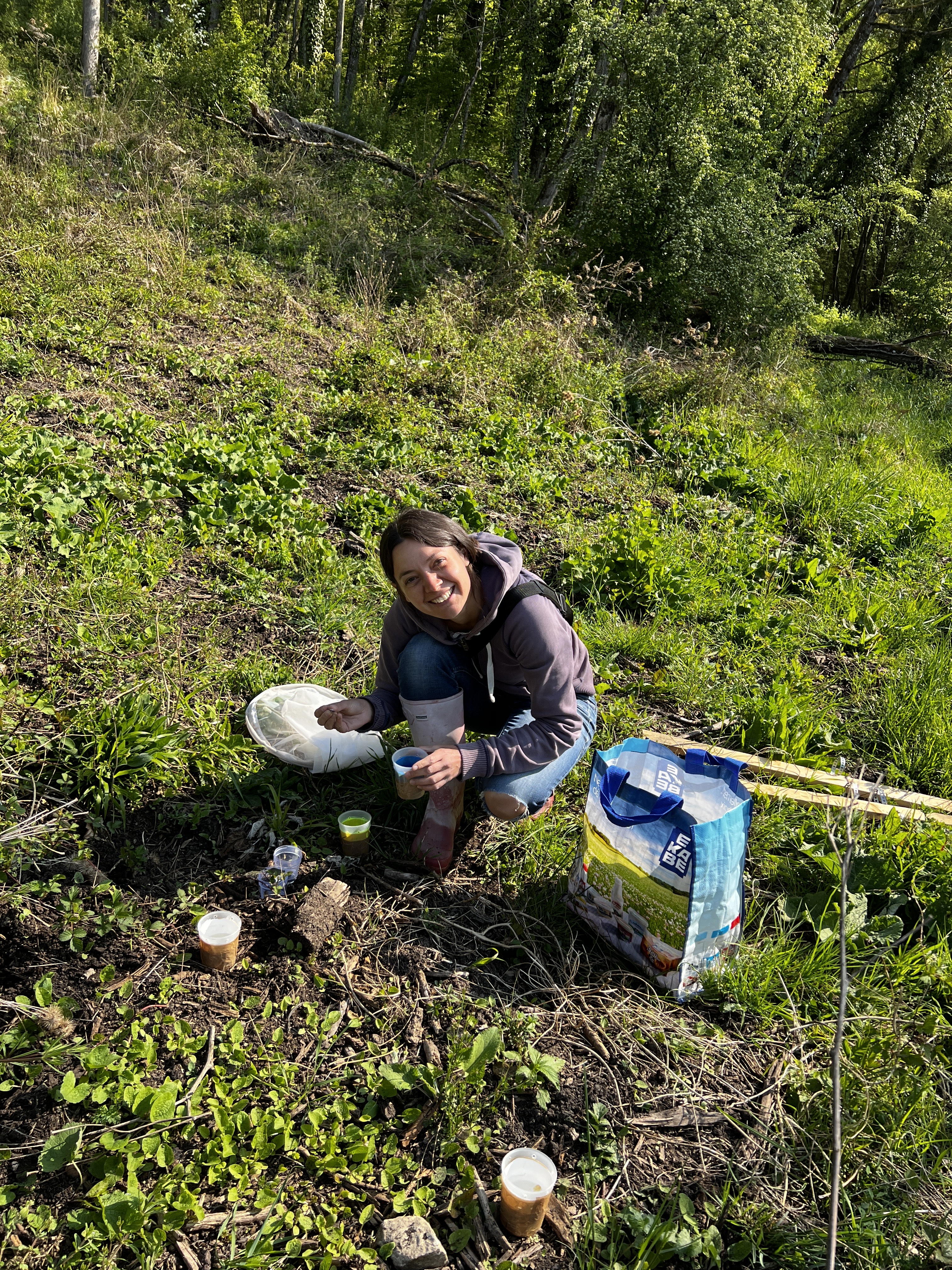
My happy place: sorting bees from by-catch from pan traps which we set up throughout the country. © Dylan Thissen

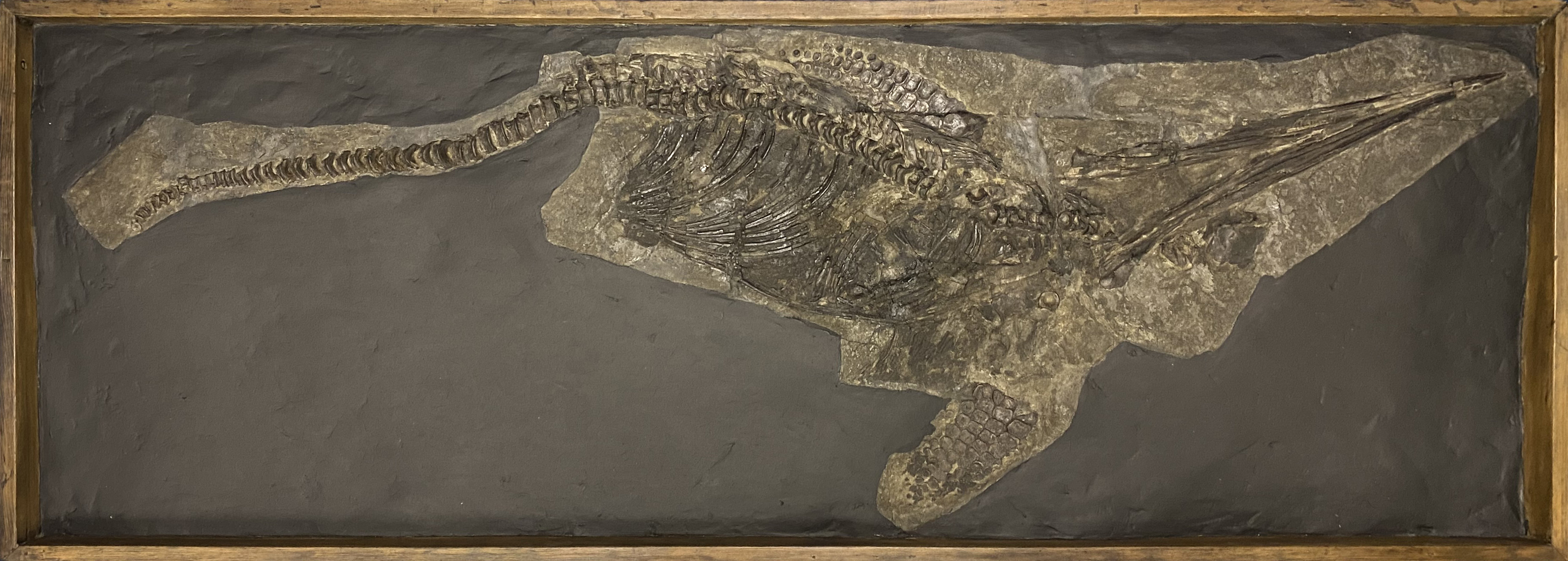
9. Thomas Bateman’s Ichthyosaurs. Written by Alistair McLean, Curator of Natural Science, Sheffield Museums Trust. Documenting the conservation work (part funded by the Bill Pettit award) that helped restore two beautiful Ichthyosaur specimens.

Continue reading

NatSCA Digital Digest – January 2023

Compiled by Claire Dean, Project Curator, Tullie House Museum & Art Gallery.

Welcome to the January edition of NatSCA Digital Digest.

A monthly blog series featuring the latest on where to go, what to see and do in the natural history sector including jobs, exhibitions, conferences, and training opportunities. We are keen to hear from you if you have any top tips and recommendations for our next Digest, please drop an email to blog@natsca.org.

Sector News

The NatSCA annual conference and AGM will be held at The Potteries Museum & Art Gallery on Thursday 27th and Friday 28th April 2023. The focus this year is So how do we actually do all this? Hopeful futures and turning theory into practice for big issues in natural history collections.

We are looking for 20-minute presentations, 5-minute lightning talks, and posters. Work can be presented in-person or digitally. All the details you need are here. The deadline for submission is 5pm GMT Monday 30th January.

Abstract submissions are also now open for SPNHC 2023. The 38th Annual Meeting of The Society for the Preservation of Natural History Collections is being held in San Francisco, California 28 May – 2 June 2023. Full details here.

Continue reading

Listening and learning: Reflections on the Second Workshop of the People and Plants Project

Written by Fiona Roberts. Collaborative ESRC PhD student, Cardiff University and Amgueddfa Cymru-National Museum Wales Decolonising biocultural curation of South Asian medicinal plants.

Monday 7th November, National Museums Collections Centre

In early November, a group of academics, researchers, curators, artists and knowledge holders gathered at Edinburgh’s National Museums Collections Centre. The second workshop of the year-long AHRC-funded ‘People and Plants’ project focused on ‘reactivating ethnobotanical collections as material archives of Indigenous ecological knowledge.’

During the object handling session (Photo by Dr Ali Clark, National Museums Scotland)

The People and Plants Project

Led by National Museums Scotland, Royal Botanic Gardens, Kew and the Powell-Cotton Museum, the project investigates current debates on decolonising museum practices, including the interplay between natural history and ethnography collections, creating a conversation about these among varied experts.

The project’s previous workshop, held at the Powell-Cotton Museum in March 2022, brought together Somali knowledge holders from UK diasporic communities and was run in partnership with the University of Kent’s School of Anthropology and Conservation and the NOMAD project, which engages Somali communities in heritage projects. To read more, see this previous blogpost, and view workshop talks on YouTube [People and Plants – YouTube].

Continue reading