‘Dino Takedown’ at the Natural History Museum of Denmark.

Written by Bethany Palumbo, ACR, Head of Conservation Unit, The Natural History Museum of Denmark.

At the Natural History Museum of Denmark, work is currently underway to prepare and move thousands of specimens to a new building, located in the Botanical Gardens in Copenhagen. One such specimen is ‘Misty’ our beloved 17-meter-long Diplodocus. Misty has been welcoming visitors to the Zoological Museum since 2014 and is a much-loved part of our exhibitions.

Taking this specimen down was symbolic in many ways. It was a goodbye to the old building but also a celebration of the new building and future of the museum. We wanted to commemorate this milestone and so we decided to make the Diplodocus deinstallation into an outreach event called the ‘Dino Takedown’. This would create a rare opportunity for the public to watch the deinstallation process, ask questions and further understand the types of conservation work we do in a museum.

Continue reading
Aliens Escape the Herbarium

Written by Annette Townsend (Interdisciplinary Natural History Artist) & Sally Whyman (Curator: Botany Curator, Amgueddfa Cymru – National Museum Wales).

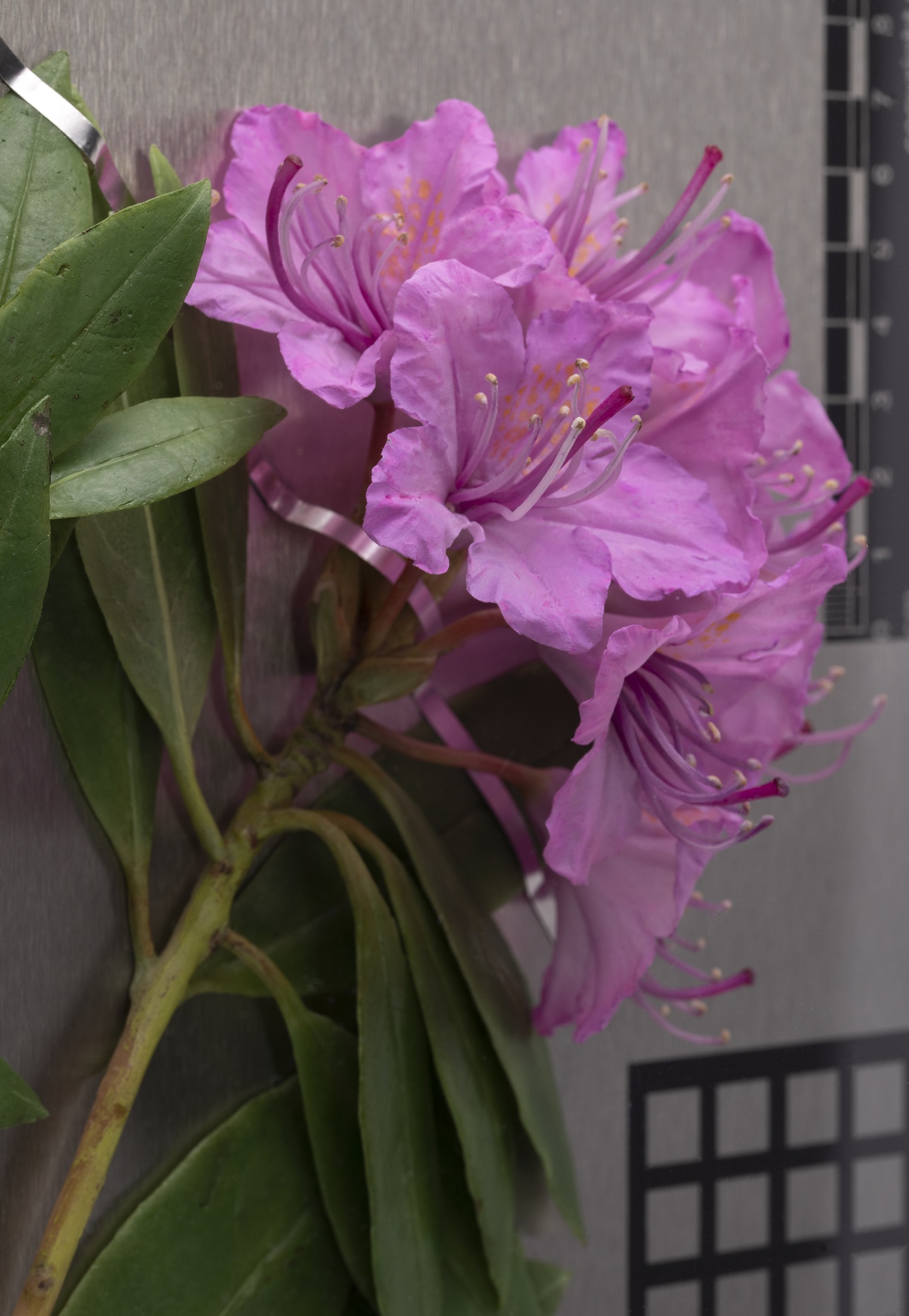
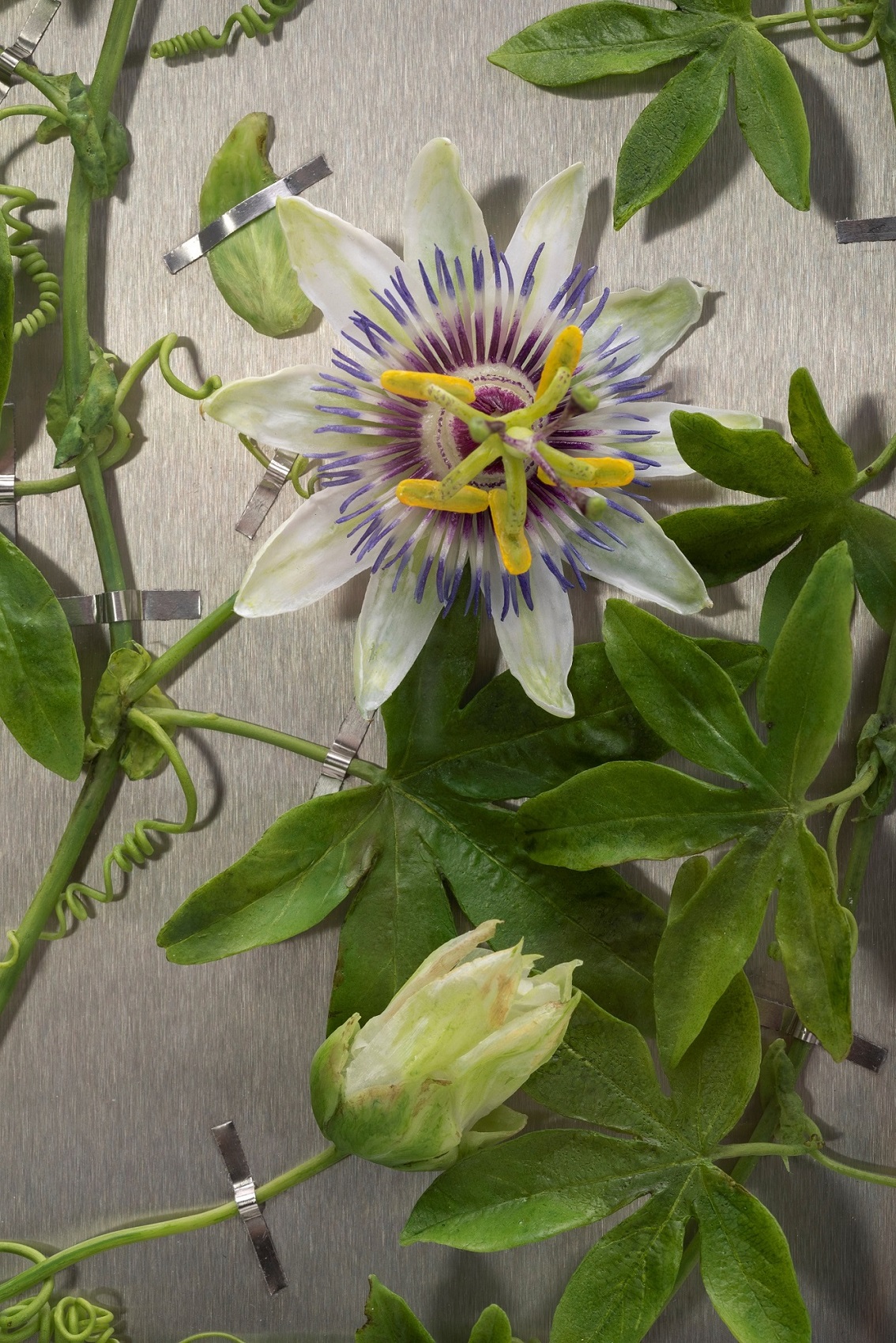
Aliens 1956. Close-up. Annette Marie Townsend. Image Dewi Tannatt Lloyd

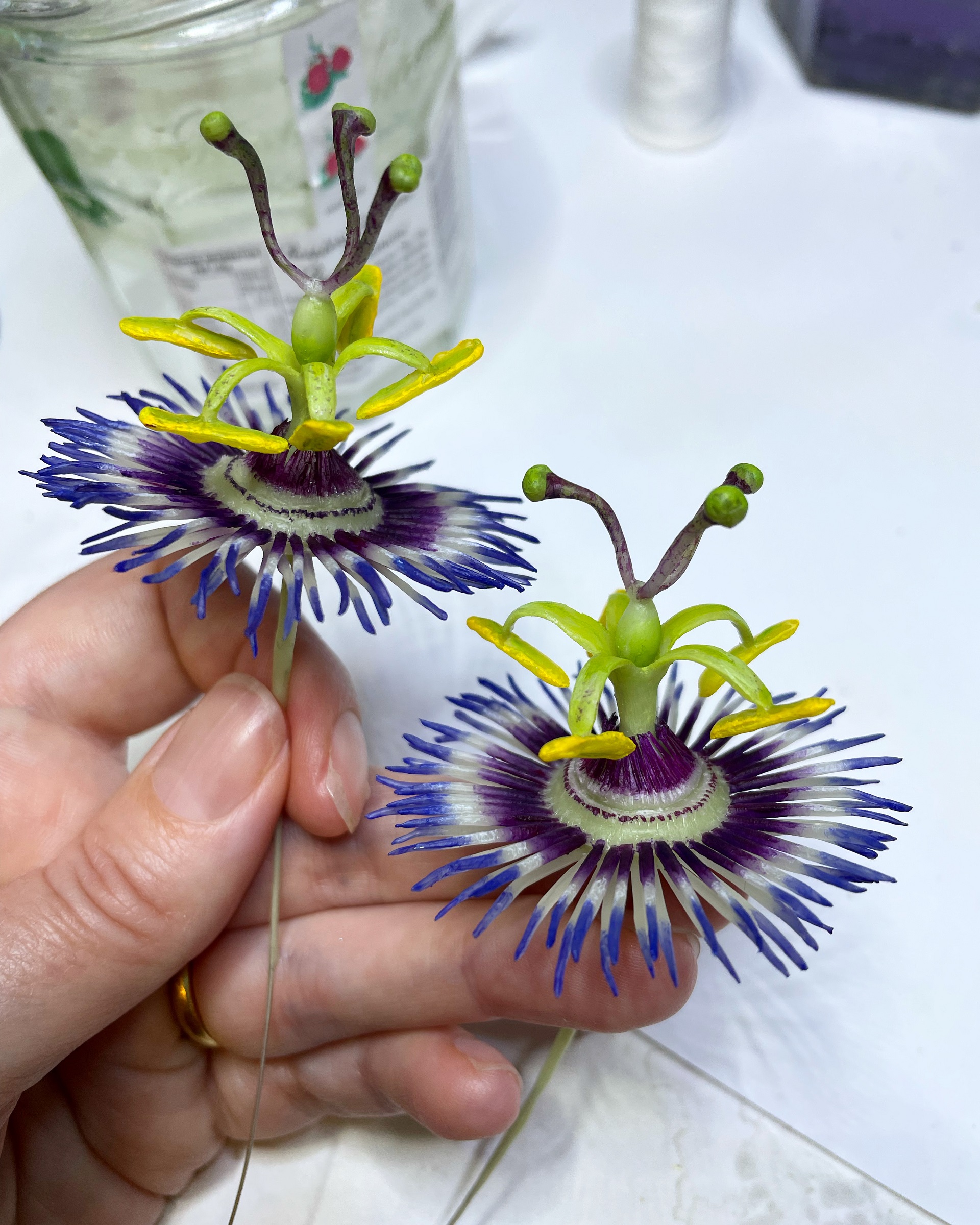
Plants growing on the wall of a London art gallery!! On closer inspection you discover they are alien plants, introduced to the UK. Looking even closer you realise they are delicate sculptures, handmade from beeswax, paraffin wax, tinned copper wire, tissue paper, cotton thread, artists’ pigments, acrylic paint and acrylic varnish.

Aliens 1992. Close-up. Annette Marie Townsend. Image Dewi Tannatt Lloyd

Mounted on stainless steel plates with stainless steel strips, and epoxy printed collector labels, in a juxtaposition of historic and modern materials and techniques, each sculpture mimics a real herbarium sheet, found in the Welsh National Herbarium, Amgueddfa Cymru.   

Wax passion flowers in progress. Image A.M. Townsend

The brainchild of Annette Marie Townsend and Sally Whyman who wanted to combine the skill, vision and dexterity of the artist with the depth of collection knowledge of the curator, allowing the plants to come to life and escape the confining folders and cabinets of the herbarium. This Aliens series allows the plants tell their stories of biodiversity change and invasive species to new audiences, further afield than museum visitors and botanical researchers.    

Continue reading

Top NatSCA Blogs of 2022

Compiled by Jen Gallichan, NatSCA Blog Editor.

A very Happy New Year to all of our readers and contributors! Being the blog editor is a great job as I get to read all of your fantastic posts first and hear about all of the great work going on out there with natural history collections. To reflect on this, here is a round up of the most read blogs that came out in 2022 in case you missed any of them. A huge thank you to everyone who contributed an article, the blog continues to go from strength to strength and this is purely as a result of your work and writing. The 2023 calendar is half full already – so if you are considering submitting something for later in the year, do drop me a line and get it scheduled in.

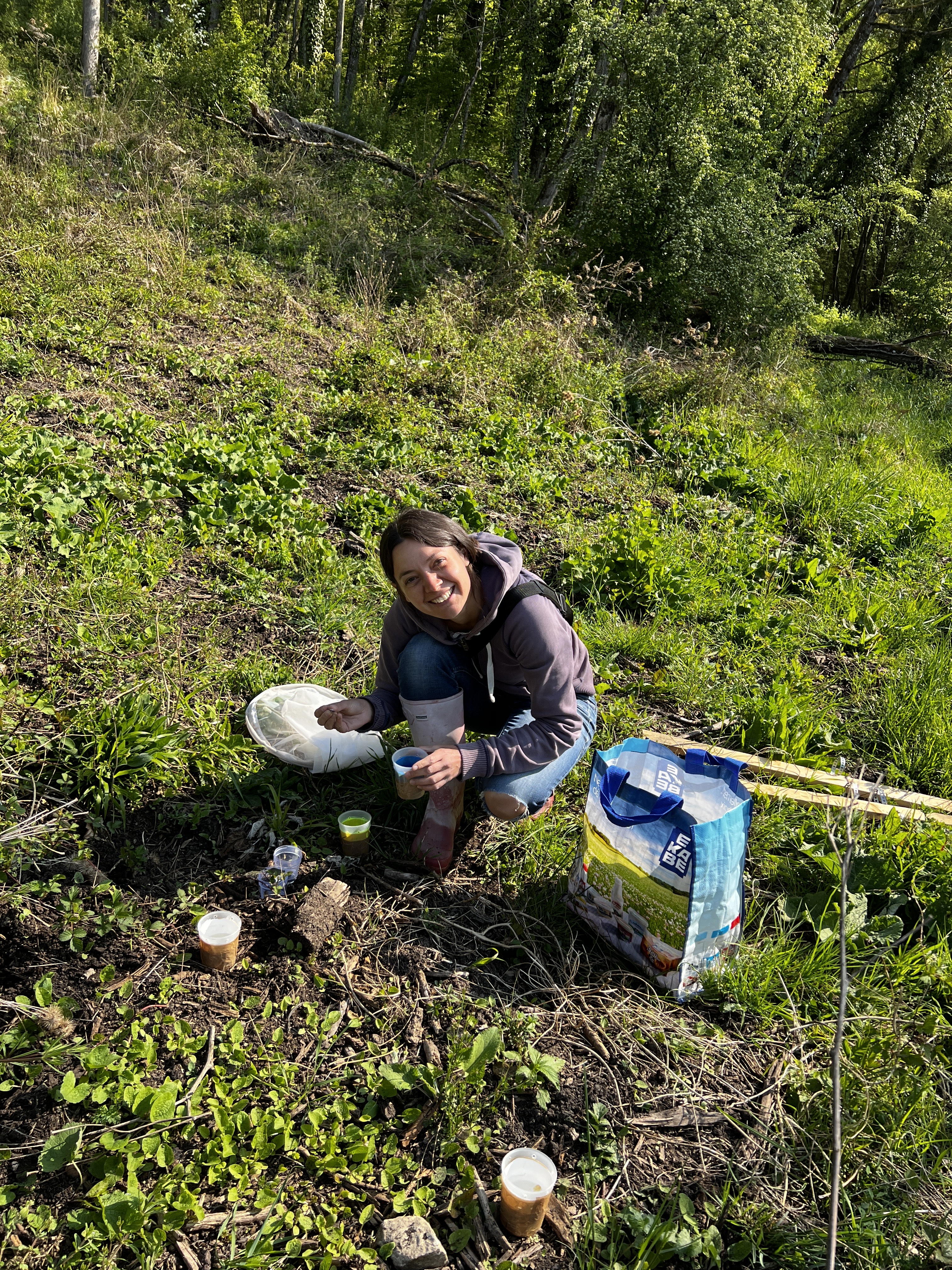
10. A Foot In The Door – Finding Collections Work As A Trailing Spouse In A Foreign Country. Written by Caroline Grounds, Freelance Zoological Collections Assistant, Musée national d’histoire naturelle, Luxembourg. A lovely blog about finding your niche in a new country, and showing that collections work has no borders.

My happy place: sorting bees from by-catch from pan traps which we set up throughout the country. © Dylan Thissen

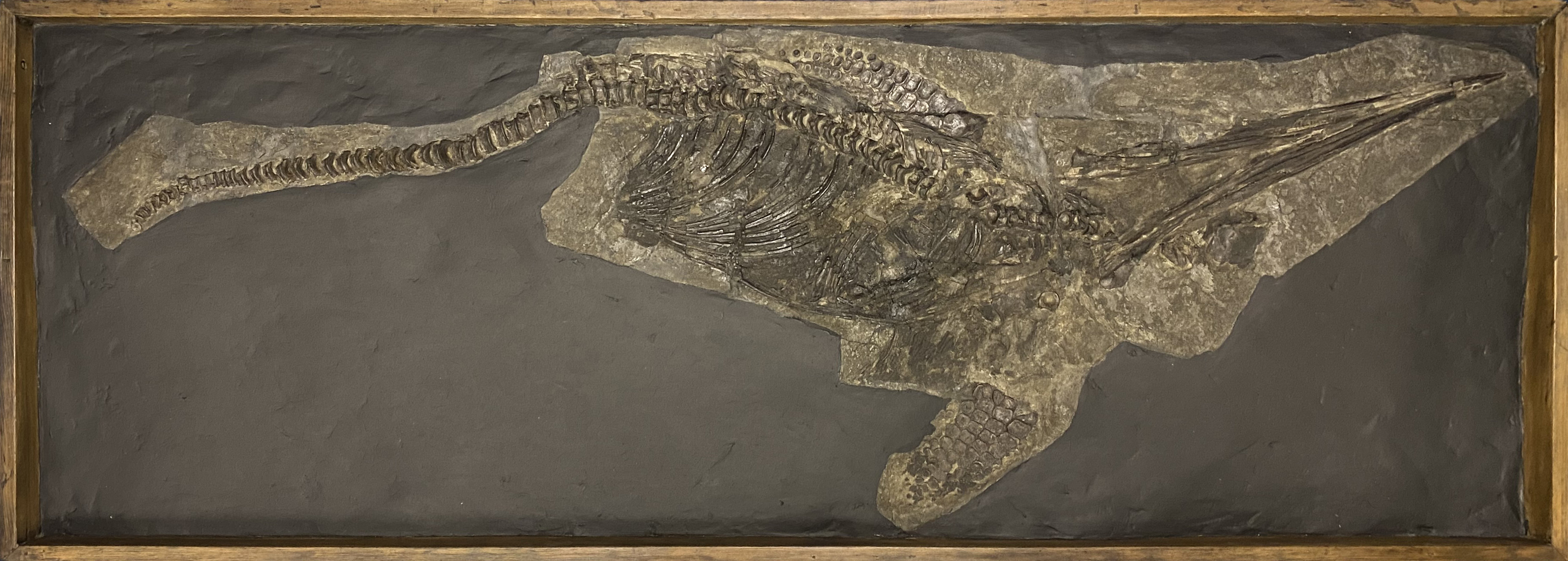
9. Thomas Bateman’s Ichthyosaurs. Written by Alistair McLean, Curator of Natural Science, Sheffield Museums Trust. Documenting the conservation work (part funded by the Bill Pettit award) that helped restore two beautiful Ichthyosaur specimens.

Continue reading

Naturalis’ New Hall of Evolution

Written by Becky Desjardins, Senior Preparateur, Naturalis Biodiversity Center.

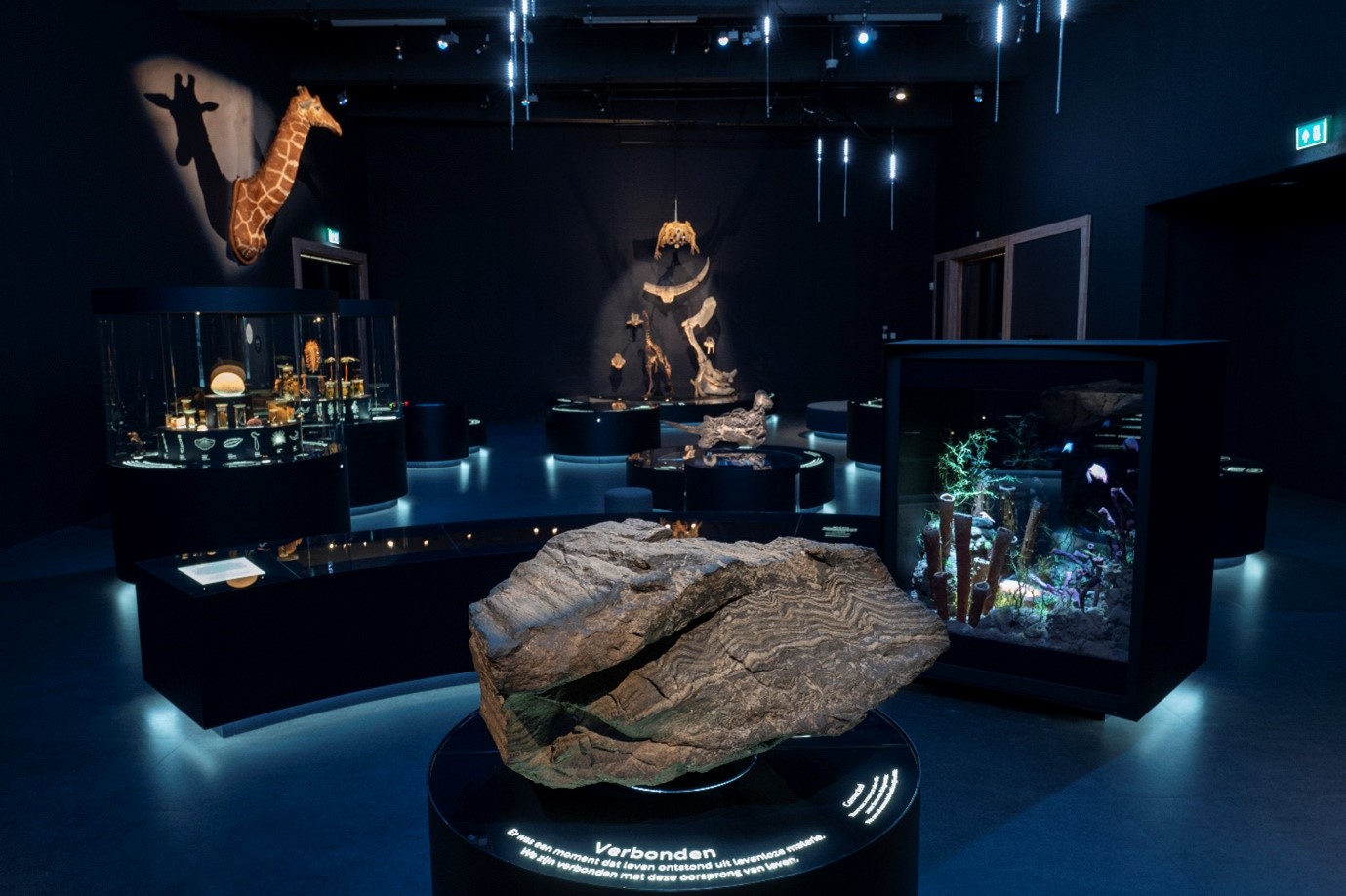
In 2019 Naturalis opened a new building with eight permanent exhibit halls. We are happy to announce that we have opened the ninth hall, Evolution. The exhibit designer, Marijke Besselink, told me that the concept for the hall was developed after she heard how visitors reacted to a stone that was in the former Naturalis prehistory exhibit. This stone came from Greenland and dates to 3.76 billion years ago. In this rock you can see layers that indicate the presence of oxygen that might have been produced by single celled organisms. It is one of the earliest signs of life on earth. One of the museum educators told Marijke how in the old exhibit, visitors were astonished that the rock was so old, and would touch it with awe. Now this centerpiece is in the front centre of the dark blue exhibit, and when a visitor touches the stone, it starts up a light and sound interaction which connects to other vitrines around the exhibit. This gives the visitor a feeling of connection, that everything on Earth is intertwined: we are all related.

© Henk Caspers

Around the stone we can find fossils from the Burgess Shale, a Canadian formation that includes more than 500-million-year-old ancestors of most modern animals. Marijke wanted to make it clear to the public what the animals preserved as fossils looked like as to the casual observer these small fossils sometimes look like a dark grey smudge! Projections help the fossil organisms manifest out of their slate beds and move across the vitrine and into an aquarium filled with creatures from the so-called Cambrian explosion. The aquarium, made with the Pepper’s Ghost technique, is one of the highlights of the hall. Besides being very cool looking, visitors see how these prehistoric animals moved, and see how similar they are to modern animals.

Continue reading

Listening and learning: Reflections on the Second Workshop of the People and Plants Project

Written by Fiona Roberts. Collaborative ESRC PhD student, Cardiff University and Amgueddfa Cymru-National Museum Wales Decolonising biocultural curation of South Asian medicinal plants.

Monday 7th November, National Museums Collections Centre

In early November, a group of academics, researchers, curators, artists and knowledge holders gathered at Edinburgh’s National Museums Collections Centre. The second workshop of the year-long AHRC-funded ‘People and Plants’ project focused on ‘reactivating ethnobotanical collections as material archives of Indigenous ecological knowledge.’

During the object handling session (Photo by Dr Ali Clark, National Museums Scotland)

The People and Plants Project

Led by National Museums Scotland, Royal Botanic Gardens, Kew and the Powell-Cotton Museum, the project investigates current debates on decolonising museum practices, including the interplay between natural history and ethnography collections, creating a conversation about these among varied experts.

The project’s previous workshop, held at the Powell-Cotton Museum in March 2022, brought together Somali knowledge holders from UK diasporic communities and was run in partnership with the University of Kent’s School of Anthropology and Conservation and the NOMAD project, which engages Somali communities in heritage projects. To read more, see this previous blogpost, and view workshop talks on YouTube [People and Plants – YouTube].

Continue reading