NatSCA Digital Digest – July 2026

Compiled by Milo Phillips, Digitisation Co-ordinator at the Royal Botanic Garden Edinburgh.

Welcome to the July edition of NatSCA Digital Digest.

A monthly blog series featuring the latest on where to go, what to see and do in the natural history sector including jobs, exhibitions, conferences, and training opportunities. We are keen to hear from you if you have any top tips and recommendations for our next Digest, please drop an email to blog@natsca.org.

Sector News

Call for Abstracts – GCG Winter Seminar – Unnatural Disaster: fighting back against the steady erosion of geological collections

Despite their clear public popularity, the future of geological collections, as well as that of the people and institutions who care for them, feels constantly under threat. The 2026 GCG Winter Seminar will serve as a ‘call to arms’ for those in our community to present on and discuss the public and scientific benefits of our collections.

The Winter Seminar and AGM will take place on the 18th November 2026 at Manchester Museum. A fieldtrip to the Peak District (max. capacity 20) and tours of the Manchester Museum collections (max. capacity 10) will take place on19th November.

The deadline for abstracts is the 31st of July 2026. Find more information here.

Continue reading

Twisted Tales of Gallery Oldham’s Collection of Fish Casts

Written by Patricia Francis, Natural History Curator, Gallery Oldham

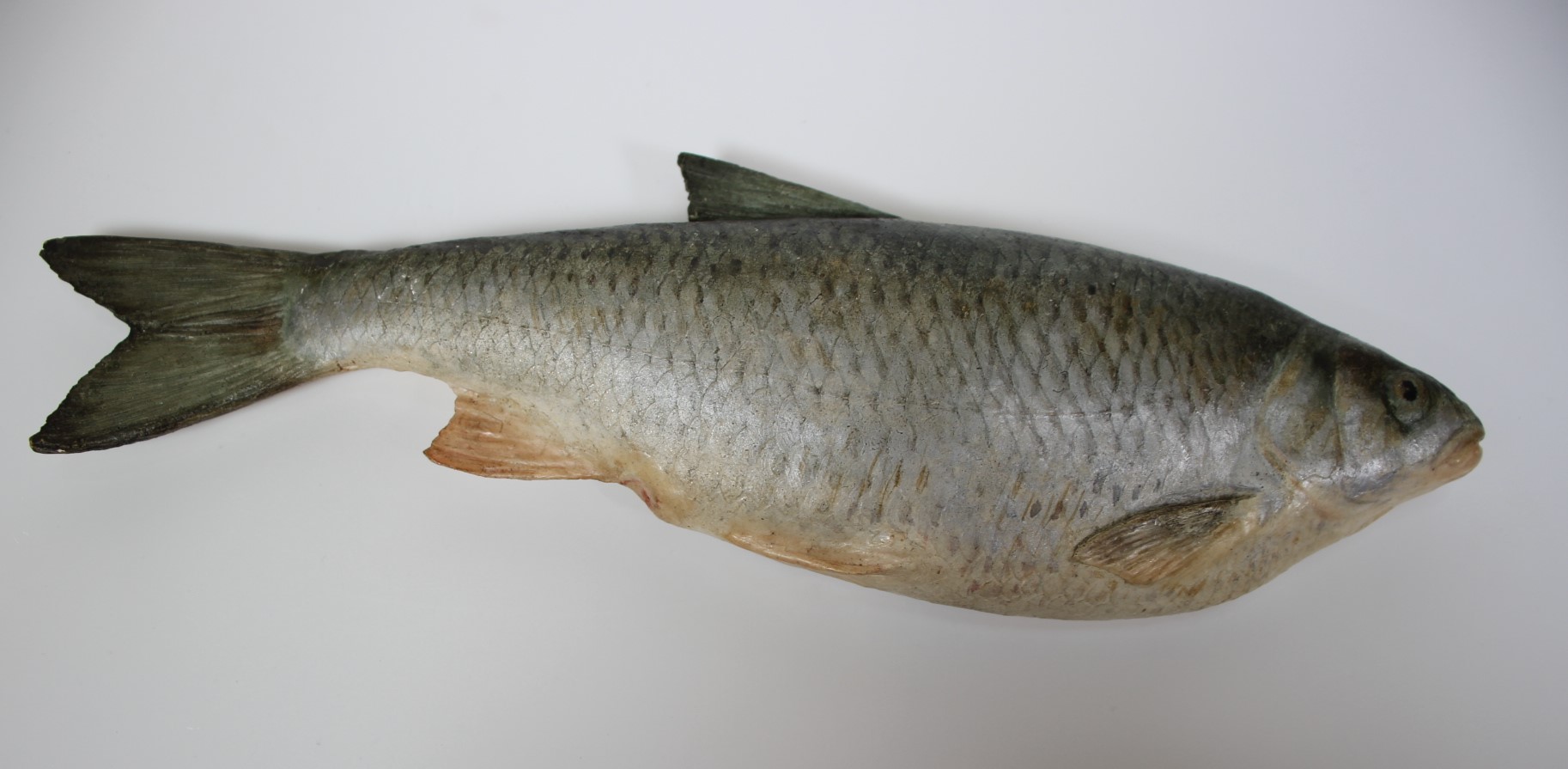
So, what’s a fish cast? Fish are particularly difficult creatures to preserve. Fish taxidermy is tricky as even a freshly dead specimen rapidly loses it colour and can quickly start to decay. Fish skin is thin and tears easily and obtaining the work of an experienced fish taxidermist is very expensive while fluid preservation involves the use of chemicals which alter the skin colouration.

Dace (1932-54 )

Modelling or casting is often chosen as an alternative way to represent the animal rather than using the actual fish skin as taxidermy does. A cast now might be made using a resin but historically plaster has been used. Then comes the clever bit, accurate painting of the cast to appear like the living animal.

Continue reading

The Okapi: Biology, Conservation, and Why this Elusive Species matters to Collections

Written by Emma Winnard, Sixth form student studying A-level Biology, Chemistry, and Geology, with a strong interest in zoology, botany, and museum collections.

The okapi (Okapia johnstoni) is one of the most distinctive large mammals in the world, yet it remains one of the least well understood. Endemic to the dense tropical forests of the Democratic Republic of the Congo, the okapi occupies an ecological niche that is both geographically restricted and extremely difficult to study directly. As a result, much of what we know about the species has been built not only from limited field observations, but also from museum specimens, archival records, and associated botanical and habitat material held in natural science collections.

This is what makes the okapi such a useful example for thinking about collections. When an animal is rarely seen, difficult to survey, and increasingly threatened, preserved specimens and older records can become far more than historical curiosities.

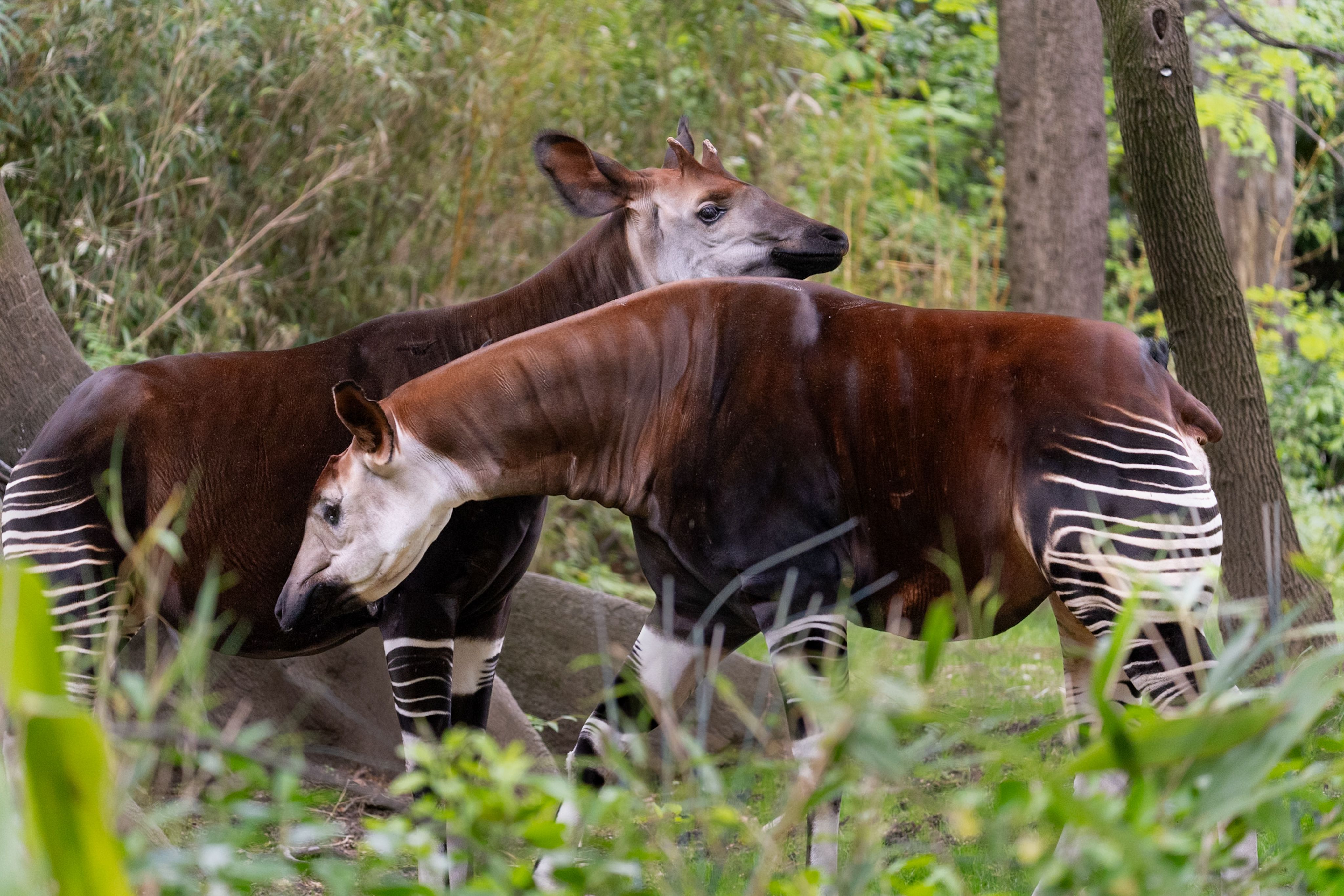
A pair of okapi in a lush forest setting. The species’ striped legs and dark coat help break up its outline in the dappled light of dense forest habitat.
© Photo by Brett Aukburg, via Pexels. Pexels Licence.

Continue reading

Unpacking the Entanglements in Liverpool’s Lost Drawer of White-eyes.

By John-James Wilson, Lead Curator of Zoology, World Museum, National Museums Liverpool.

It started with the discovery of a letter tucked away in the collection history files. In 1948, the curator of the Raffles Museum in Singapore was trying to track down the type specimen of Zosterops difficilis (a subspecies of Mountain White-eye) and had written to the director at Liverpool Museum (now World Museum) to ask if the specimen was there. What began as a simple curiosity-led search for a single specimen quickly snowballed. This 77-year-old enquiry had suddenly launched me into a deep dive into entangled stories of colonial history, war time losses and bird taxonomy.

I found myself re-examining the records of 250 White-eye specimens from the Liverpool collection, many with outdated or ambiguous taxonomic names, obscure references in scientific literature, and possible name-bearing-status. My recent article – Ghosts and entanglements in one drawer of a natural history collection – explains how I cross-referenced historical documents, species descriptions, and records of specimens in other collections around the world to establish modern names and types status for these specimens.

Continue reading

NatSCA Digital Digest – May 2026

Compiled by Ellie Clark, Curator of Fossil Cnidaria at the Natural History Museum.

Welcome to the May edition of NatSCA Digital Digest.

Digital Digest is a monthly blog series featuring the latest on where to go, what to see and do in the natural history sector including jobs, exhibitions, conferences, and training opportunities. We are keen to hear from you if you have any top tips and recommendations for our next Digest, please drop an email to blog@natsca.org.

Sector News

Registration Open for SHNH Summer Meeting 2026

After months in the planning, registration is now open for ‘The Zoological Society of London (ZSL) at 200: Science, Society and the Natural World’, the SHNH International Summer Meeting in partnership with The Zoological Society of London (ZSL).

This three-day conference, held in SHNH’s 90th year, will mark the bicentenary of the Zoological Society of London (ZSL) and delve into its history and impact on our knowledge of the natural world. Founded in the age of empire and Enlightenment science, ZSL has shaped – and been shaped by – transformations in zoological knowledge, conservation practice, and human-animal relations. The bicentenary offers a timely opportunity to explore ZSL’s history and to reflect on its legacy in Britain and beyond.

Location: Hybrid – Huxley Lecture Theatre, Zoological Society of London, and Online

Dates: 1-3 July 2026

Programme: https://shnh.org.uk/the-zoological-society-of-london-zsl…/

Tickets: https://www.eventbrite.co.uk/…/zsl-at-200-shnh-summer…

Registration will close at 6pm (BST) on 12th June 2026.

Continue reading