NatSCA Digital Digest – March 2023

Welcome to the March edition of NatSCA Digital Digest.

Compiled by Olivia Beavers, Assistant Curator of Vertebrate Zoology at World Museum, National Museums Liverpool.

A monthly blog series featuring the latest on where to go, what to see and do in the natural history sector including jobs, exhibitions, conferences, and training opportunities. We are keen to hear from you if you have any top tips and recommendations for our next Digest, please drop an email to blog@natsca.org.
Sector News

NatSCA Conference 2023

Registration is open for the Annual Conference & AGM of the Natural Sciences Collections Association will be held on Thursday 27th and Friday 28th April 2023. Stoke-on-Trent Museums will be hosting the conference at The Potteries Museum & Art Gallery. The conference will include gallery and collection tours, presentations, poster sessions and the annual AGM. The focus this year is:

So how do we actually do all this? Hopeful futures and turning theory into practice for big issues in natural history collections

This is the “How To…” conference for people working with natural history collections. The last few years have seen unprecedented changes in the expectations for what the museum sector can deliver. Global and local social and environmental issues have coincided to reinforce the needs of museums to consider their reinvention and relevance.

Register via Eventbrite through the NatSCA website: https://www.natsca.org/natsca2023. Members can access discounted booking rates by entering a promo code which has been distributed. If you are a NatSCA member and have not received a code via email, please contact membership@natsca.org. We look forward to seeing you in April!

SPNHC Conference

The 38th Annual Meeting of The Society for the Preservation of Natural History Collections is being held in San Francisco, California 28 May – 2 June 2023. Full details here.

Unnatural History Museum session

This session will be held on 22nd March 2023 on the topic of decolonising natural history museums. 

“We are at a crucial historical moment, in which the International Union for Conservation of Nature Red List has announced a catastrophic decline in global biodiversity. Yet nature is, necessarily, interpreted in museums, through taxidermy dioramas and skeletal mounts; virtual tours and digital databases; image, text and film. The Unnatural History Museum brings together museum professionals and academics across disciplines to platform vital conversations about the museum mediation of the natural world during the sixth mass extinction.”

Each session is hosted on Zoom to allow for international participation, and takes the format of short presentations focussed around a specific theme, followed by a synthesised Q&A and roundtable discussion. To register and find out more click here.

Continue reading
Aliens Escape the Herbarium

Written by Annette Townsend (Interdisciplinary Natural History Artist) & Sally Whyman (Curator: Botany Curator, Amgueddfa Cymru – National Museum Wales).

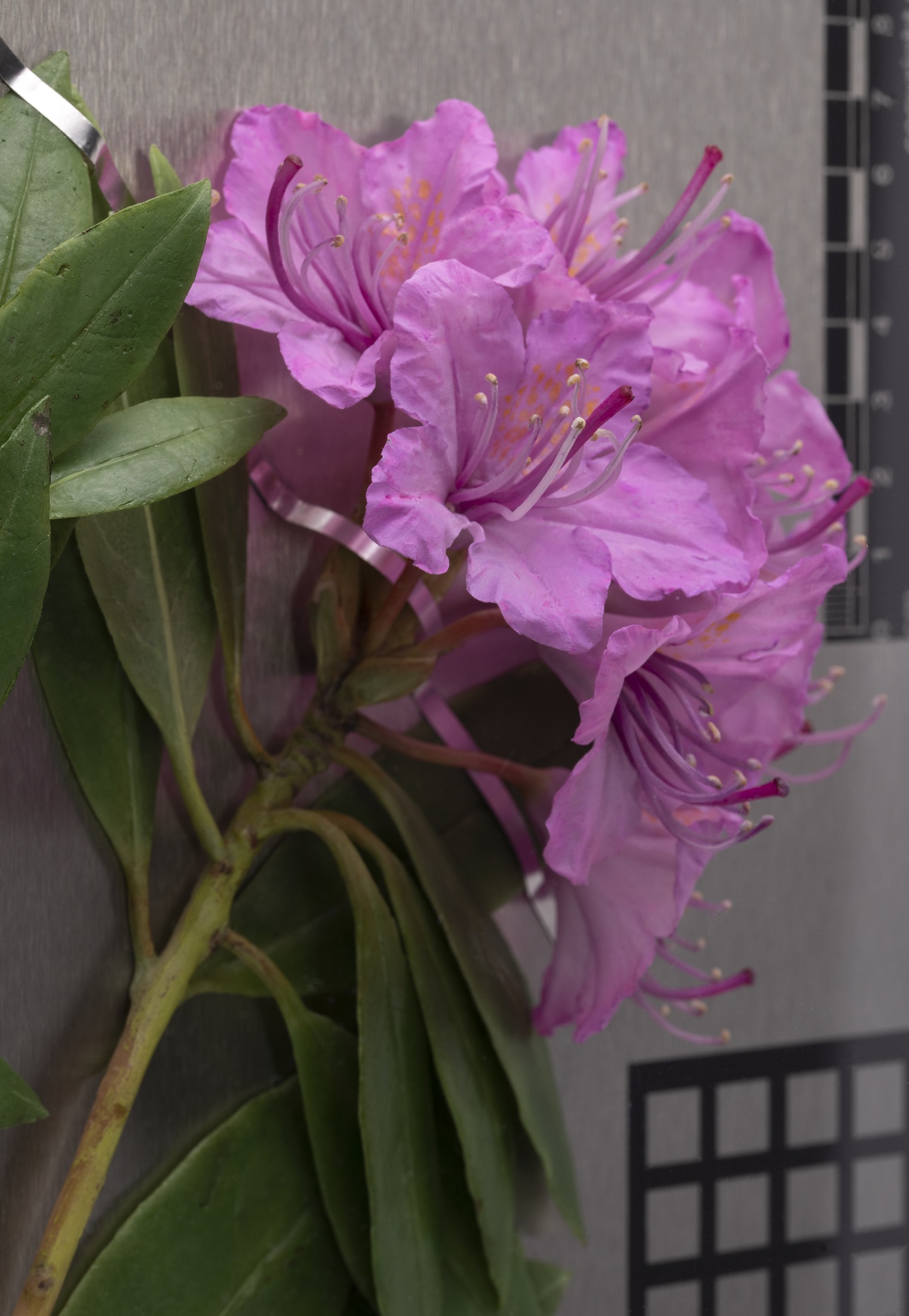
Aliens 1956. Close-up. Annette Marie Townsend. Image Dewi Tannatt Lloyd

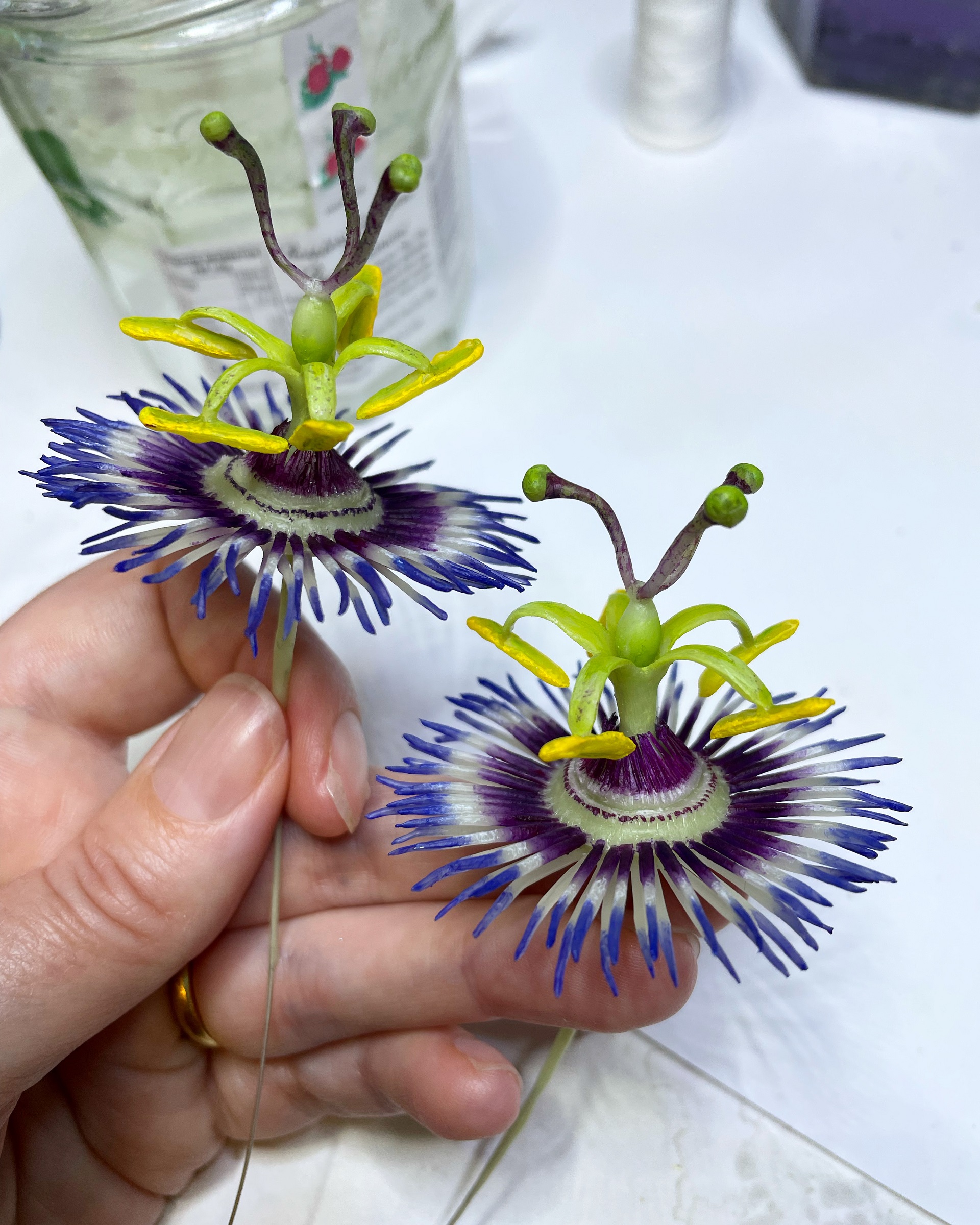
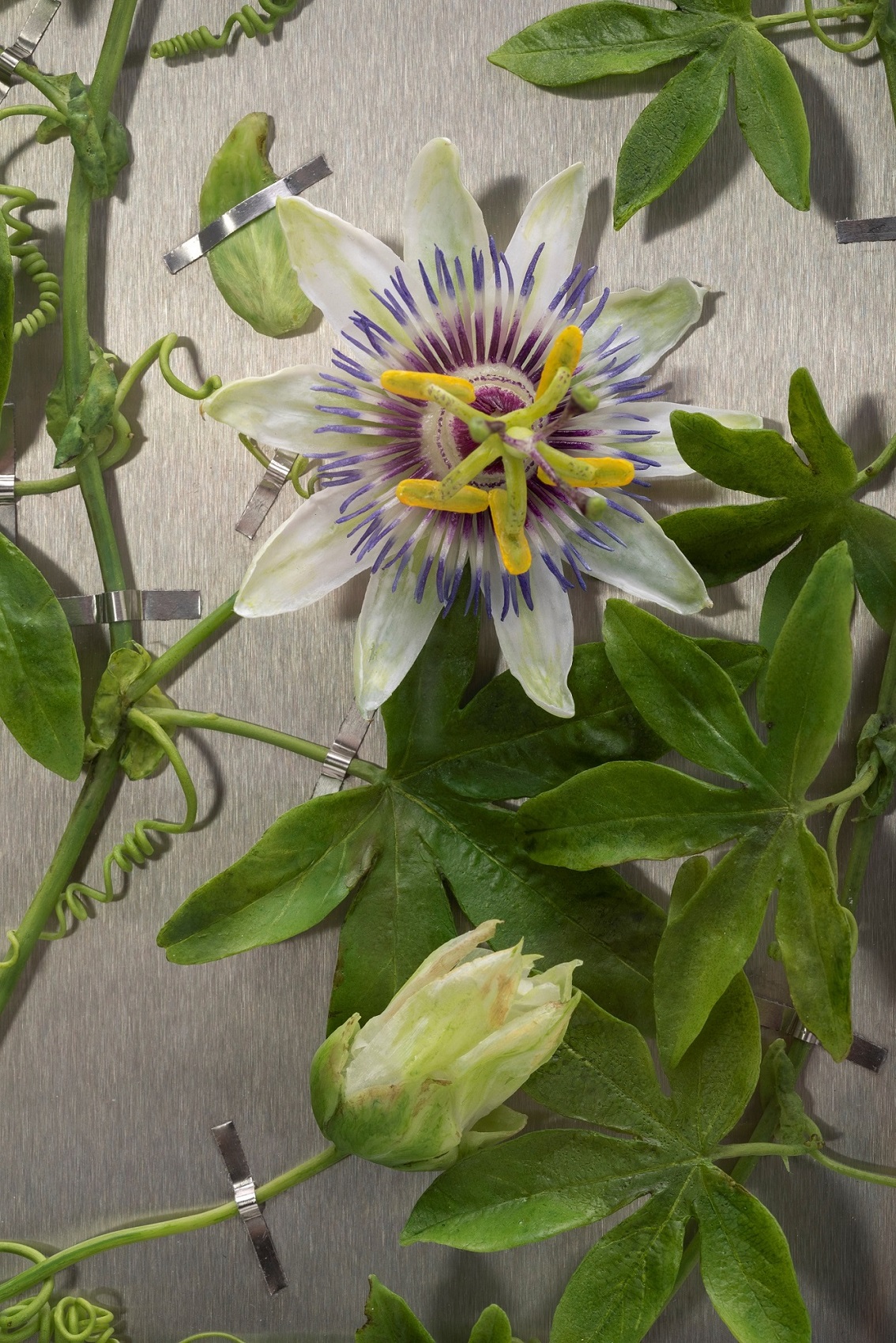
Plants growing on the wall of a London art gallery!! On closer inspection you discover they are alien plants, introduced to the UK. Looking even closer you realise they are delicate sculptures, handmade from beeswax, paraffin wax, tinned copper wire, tissue paper, cotton thread, artists’ pigments, acrylic paint and acrylic varnish.

Aliens 1992. Close-up. Annette Marie Townsend. Image Dewi Tannatt Lloyd

Mounted on stainless steel plates with stainless steel strips, and epoxy printed collector labels, in a juxtaposition of historic and modern materials and techniques, each sculpture mimics a real herbarium sheet, found in the Welsh National Herbarium, Amgueddfa Cymru.   

Wax passion flowers in progress. Image A.M. Townsend

The brainchild of Annette Marie Townsend and Sally Whyman who wanted to combine the skill, vision and dexterity of the artist with the depth of collection knowledge of the curator, allowing the plants to come to life and escape the confining folders and cabinets of the herbarium. This Aliens series allows the plants tell their stories of biodiversity change and invasive species to new audiences, further afield than museum visitors and botanical researchers.    

Continue reading

Top NatSCA Blogs of 2022

Compiled by Jen Gallichan, NatSCA Blog Editor.

A very Happy New Year to all of our readers and contributors! Being the blog editor is a great job as I get to read all of your fantastic posts first and hear about all of the great work going on out there with natural history collections. To reflect on this, here is a round up of the most read blogs that came out in 2022 in case you missed any of them. A huge thank you to everyone who contributed an article, the blog continues to go from strength to strength and this is purely as a result of your work and writing. The 2023 calendar is half full already – so if you are considering submitting something for later in the year, do drop me a line and get it scheduled in.

10. A Foot In The Door – Finding Collections Work As A Trailing Spouse In A Foreign Country. Written by Caroline Grounds, Freelance Zoological Collections Assistant, Musée national d’histoire naturelle, Luxembourg. A lovely blog about finding your niche in a new country, and showing that collections work has no borders.

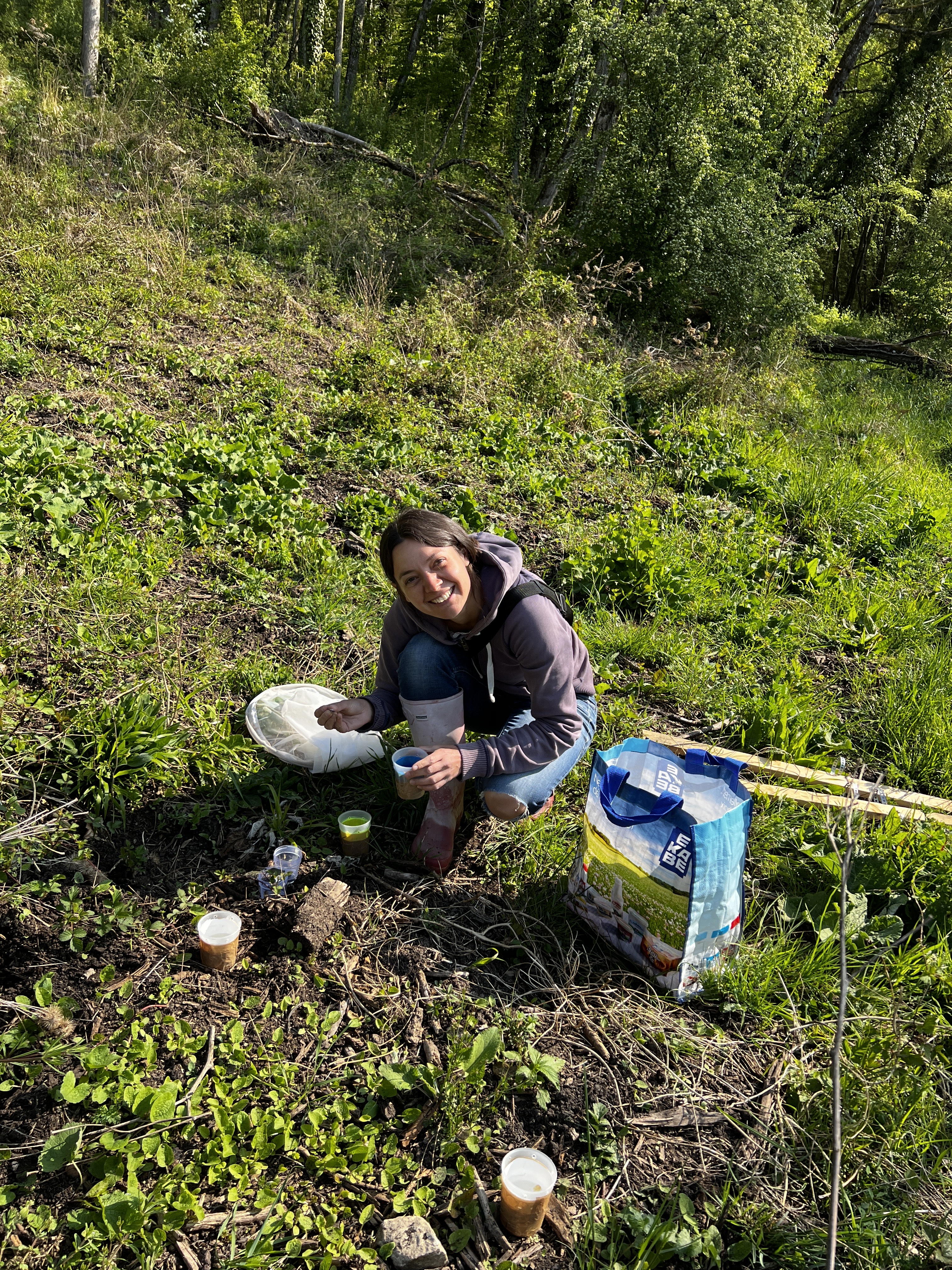
My happy place: sorting bees from by-catch from pan traps which we set up throughout the country. © Dylan Thissen

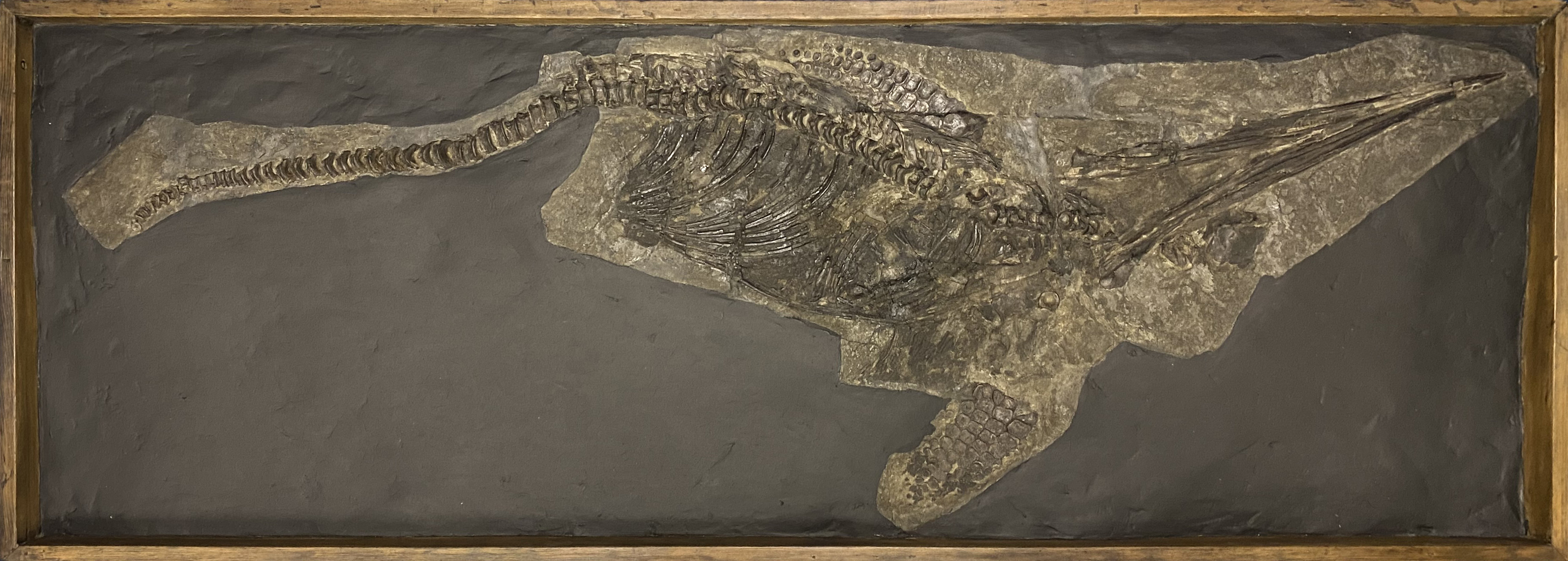
9. Thomas Bateman’s Ichthyosaurs. Written by Alistair McLean, Curator of Natural Science, Sheffield Museums Trust. Documenting the conservation work (part funded by the Bill Pettit award) that helped restore two beautiful Ichthyosaur specimens.

Continue reading

A Foot In The Door – Finding Collections Work As A Trailing Spouse In A Foreign Country

Written by Caroline Grounds, Freelance Zoological Collections Assistant, Musée national d’histoire naturelle, Luxembourg.

I arrived in Luxembourg 8 years ago when my husband accepted a job offer here, not knowing much about the tiny country (“where exactly is Luxembourg?”), and with a new baby in tow.

I had become accustomed to the trailing expat spouse role, so I was happy for a new adventure, though the hardest part about moving, especially to a country where you don’t speak the language, is finding your niche in which you can carve out something of your own.

As a former Biology teacher, most of my previous museum experience was in science education, as a volunteer at the NHM in London, and the George C. Page museum (La Brea Tar Pits) in Los Angeles, and I was keen to get involved in the Luxembourg Natural History Museum in any way, shape or form. Something about being around the wonders of nature, whether outside or housed in a building, is inspiring to me and, surrounded by like-minded people, where I truly feel like I’m supposed to be.

Not speaking any of the official local languages however (Luxembourgish, German and French), I quickly found that it would be difficult to find work, even on a voluntary basis as I had before. I submitted my CV to the museum anyway, and endured a rather painful phone call in very bad schoolgirl French (mine, not theirs!), which, much to my amazement, led to one of the researchers contacting me for help proofreading his research papers, which were being published in English. That schoolgirl French came in useful after all!

Continue reading

Year Of The Student: Attracting College Students To Campus Museums

Written by Patti Wood Finkle, Collections Manager, Pennsylvania State University, based on a presentation with Valerie Innella Maiers, Ph.D., Professor of Museum Studies, Casper College at the joint SPNHC & NatSCA conference in Edinburgh, Scotland, June 2022.

“Year of the Student” focuses on how college and university museum staff can attract students to their museums by employing a variety of programs and collaborations. Like many campuses natural history museums, the Werner Wildlife Museum had difficulty attracting college students who either had no idea it was there, or only remembered it as a dark and dusty place with a towering, menacing polar bear. After attending a few New Student Orientation events (there are several each semester) to chat with incoming freshmen, we realized that we needed to show them that the museum was inviting and relevant. After brainstorming, several ideas came to the forefront. One was to work with the museum studies program, which the museum had done successfully in the past, and another was to develop programs and partnerships that would bring new groups to the museum.

The museum studies class was an engaging group to work with. In collaboration with staff, the most recent group curated both an art show that featured works from the Casper College permanent collection and juried a community art show. The students researched artists, and artwork, designed and produced the exhibition pamphlet, took professional photographs for curation records, and installed both shows. They also planned and executed an opening reception in the museum space. The program attracted the attention of their fellow art students, faculty, and engaged the public who attended the opening.

Casper College Museum Studies student putting the finishing touches on the art show installation. Credit- Patti Wood Finkle

Another program that engaged both current students and the public were creative writing workshops that were offered in the evenings in collaboration with the English faculty. These programs were created to engage a new audience and to utilize the museum in a less traditional (at least to us) manner. Several of the faculty members are published authors who enjoy delving into their preferred writing style and were encouraged to do so in these workshops. Using the specimens in the museum as inspiration during the cold winter nights, participants were able to tap into experiences and creativity that surprised even the most seasoned writers. From poetry to reductive writing, to traditional storytelling, each participant produced works that were gathered and published in house. This publication was the first time some of the students had shared their work with a wider audience.

Other outreach efforts centred around visiting the students where they gathered. We attended more orientation events and developed an on campus “passport” that brought students to the campus museums, the art gallery, the archive, the greenhouse, and other overlooked destinations. Staff started bringing touch specimens to the dorms one evening each month. By the third month, we had a few regulars who would stop by to see what new objects we had brought with us. Work-study students assisted at these events, giving them the opportunity to engage with their peers, which can be less intimidating for the students on both sides of the table.

Casper College Museum Studies students interacting with visitors at the art show opening. Credit- Valerie Innella Maiers & Patti Wood Finkle

These engagement strategies worked well and both campus museums saw an increase in student visitation. The takeaway lesson museum staff learned was that talking to the students one on one, through courses, or in small groups; demystifying the visitor experience through peer-to-peer engagement; and outreach to student dominated areas (dorms, welcome fairs) increased awareness and interest in the institutions. Student engagement is an ongoing process that should be adaptative, interesting, and educational while supporting the museums and the students they serve.