Decolonising Manchester Museum’s Mineral Collection – A Call To Action

Presented by David Gelsthorpe, Manchester Museum.

Abstract

The history of Black people, people from indigenous cultures and the role of empire in museum natural history collections is largely ignored. This talk uses Manchester Museum’s mineral collection to take the first steps to uncover these stories, analyse the role of empire and expose racism. For the first time, archive photographs from the early 1900s are used in a new display, to tell the story of the people who mined the Museum’s South African gold ore specimens. Recent research and the Museum’s Sierra Leone diamond are used to tell the story of ‘Blood Diamonds’. Data analysis of the mineral collection reveals that 24% of the collection comes from colonial countries. 50% of the Museum’s minerals from the British Empire are Australian, of which 33% came from the Imperial Institute. This research has shown that Manchester Museum’s mineral collection is intimately connected to empire, but the history of Black and indigenous people is ignored or unknown. This is institutional racism and museums need to be proactive in addressing this. There are enormous opportunities to develop this research through fostering partnerships with source communities around the world. This paper is a call to action.

Continue reading

Top 10 Blogs of 2020

Written by Jennifer Gallichan, NatSCA Blog Editor; Curator (Vertebrates/Mollusca), National Museum Cardiff.

2020 – what a year! Well done on getting through it, and a heartfelt thanks from me for all of the fantastic blog contributions this year. We saw a marked increase in online engagement when the first lockdown hit, with more of you reading and engaging with our blog page than in any other year. I have very much enjoyed reading all of the articles, and I hope you have too.

To reflect on the year, here are your Top Ten most read NatSCA blog articles from 2020. Covid obviously features, as well as a strong focus on discussions surrounding decolonising collections. I am also pleased to see that there is a healthy dose of solid natural history conservation practice this year. I know I have taken great solace from the fact that no matter what was happening in the world, time seemed to stand still the minute I entered the stores. I hope that focusing on the practicalities of caring and conserving our collections has been a healthy and hopefully reassuring distraction from the craziness surrounding us all.

10. Frequently Asked Questions about Taxidermy

Written by Ella Berry amateur taxidermist & MSc Conservation Practice student, Cardiff University. Attempting to deal with some of those tricky taxidermy questions.

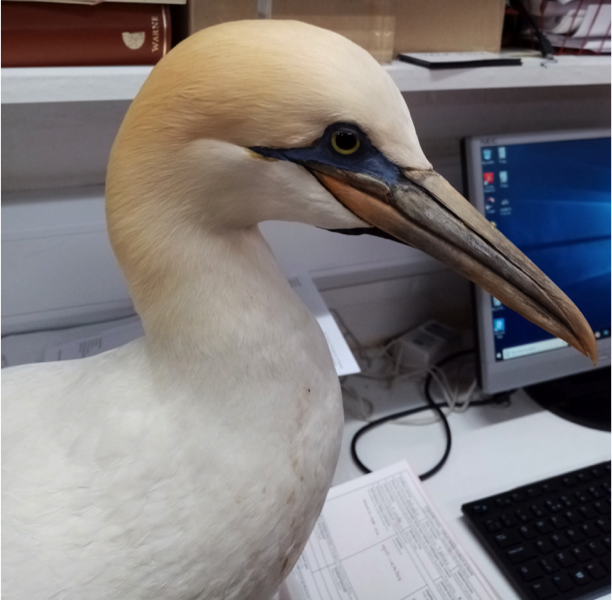
Photo of the taxidermy Gannet (Morus bassanus) waiting patiently(!) to go on display before the event. Photo by author.

9. Museums Beyond Covid

Written by Jan Freedman, Curator of Natural History, The Box, Plymouth. Exploring how our museum spaces and experiences might be very different in the future.

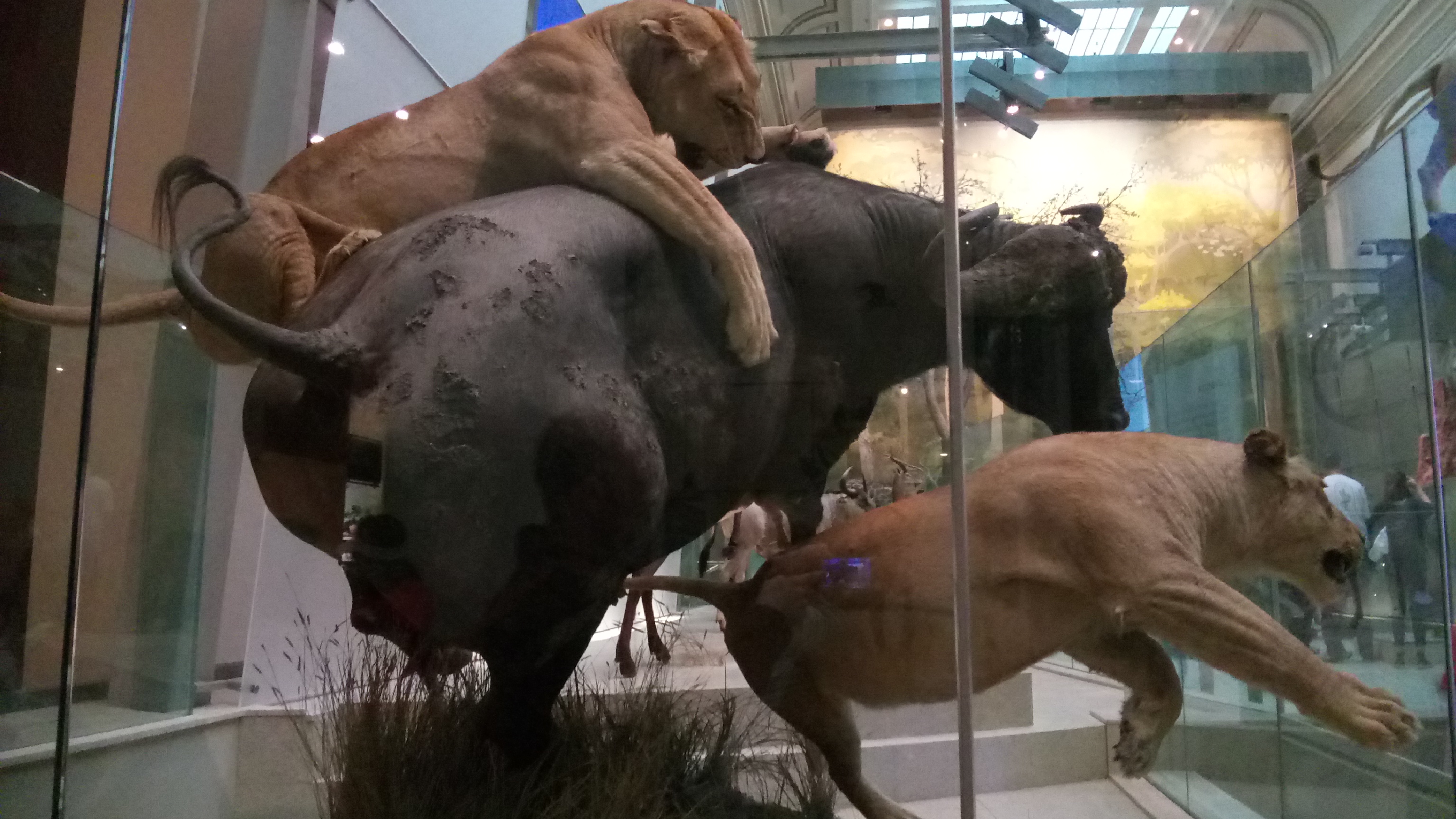
Beautiful taxidermy work of lions attacking a buffalo. I patiently waited 15 minutes until the case was clear of visitors for this photo. Photo by Jan Freedman.

Continue reading

NatSCA Digital Digest – December

Compiled by Jennifer Gallichan, NatSCA Blog Editor; Curator at Amgueddfa Genedlaethol Caerdydd – National Museum Cardiff.

Welcome to the December edition of NatSCA Digital Digest.

This month’s Digest dispenses with the usual format and focuses on all things Christmas. Apologies to all those Scrooges out there, but all things considered, this year needs as much sparkle and fairy lights as we can throw at it people!

There are some super virtual advent calendars going on. I am off course recommending my very own institutions @CardiffCurator account. This year our annual #MuseumAdvent calendar meets #NatureOnYourDoorstep. We launched our nature #WinterBingo challenge on the 1st December. Find all 24 things before Christmas, tag them in and they’ll retweet your finds.

Then there is the wonderful Leeds Discovery Centre Video Advent Calendar. Every day, open a door to see what object their curators and staff have found in the Store. Also an excellent opportunity for a virtual nose around their stores.

And this year, Manchester Museum are bringing you a #Caring Christmas advent calendar. Each day their gift to you is a little story of wonder, celebrating how we care for our world and each other.

Continue reading

#NatSCAConservation Twitter Conference

Written by Lucie Mascord, NatSCA committee conservation representative.

During the week of the 18th January 2021 NatSCA will be hosting their first ever Twitter conference all on the subject of conservation.

Following on from the success of our inaugural conservation conference “Caring for Natural Science Collections” held at Oxford University Museum of Natural History back in October 2018, the NatSCA conservation working group had hopes of another conference this year. However, it was not to be, so we are changing the format and coming to you in 2021!

The attendees of the “Caring for Natural Science Collections” one-day conference at Oxford University Museum of Natural History in 2018. ©Bethany Palumbo @bethany_bug

Given how strange this year has been we are keeping it simple. Just follow us on the week of 18th January (programme with exact dates and times to follow) on the hashtag #NatSCAConservation and we will bring the unique world of natural science conservation to you for free! Join us for this great opportunity to explore conservation work relating to the range of natural materials including bone, taxidermy, fluid preserved collections, geology, botany and entomology.

Continue reading

Diving into a Coral Reef with Cambridge Communities

Written by Sara Steele, Museum Education Assistant, Museum of Zoology and Roz Wade, Learning Officer, Museum of Zoology.

This article was first published as a blog for University of Cambridge Museums, 1st June 2020.

Our audiences are full of creativity, something we see in bucketfuls at our events and workshops. We wanted to go further, and showcase audience creations and collaborations in our programming and displays.

As a Museum celebrating the wonders of the natural world, we have an innate desire to protect it. We have committed to embedding sustainability into our public programme : tackling the materials we use and considering the impacts of activity outputs. Not all craft day creations end up on the fridge, let alone as an item cherished for life. Could we bear the thought of our logo sitting atop a landfill?

With this focus on collaboration and sustainability in mind, and with the help of the artistic mind of volunteer Fanny Bara Moreau, we designed a summer activity with longevity at its core.

Every summer, the University of Cambridge Museums box up their wares and head out into the weather with themed activities to communities across the city with Cambridge City Council’s Big Weekend and Children and Young People’s Participation Service (ChYpPs). Summer 2019 had a tropical oceans theme at the Museum of Zoology, with the goal of inspiring conversations around the conservation of our coral reefs. We wanted to use this as an opportunity to bring audiences together through shared making and showcase their creations in our programmes and displays.

Continue reading