The Missing Lynx: The Past and Future of Britain’s Lost Mammals

Written by Jack Ashby, Manager of the University Museum of Zoology, Cambridge, and author of Animal Kingdom: A Natural History in 100 Objects.
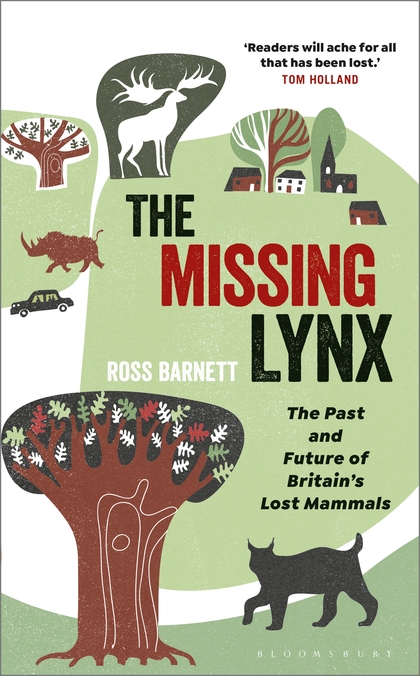
A good title goes a long way, and based on that alone I was excited to receive a review copy of Ross Barnett’s new book through the post. I knew of Ross from Twitter – and I can heartily recommend following him for a whole host of natural history-related wonders, particularly around climate change, ancient mammal DNA and palaeontology. As a result, I was slightly surprised that he had written a book that I assumed – from the clever title – was about reintroducing the lynx to Britain.

That is, in fact, not what the book is about. Instead, it takes us species-by-species, chapter-by-chapter, through the incredible range of beasts that have disappeared from the British Isles in recent millennia (I should have paid more attention to the subtitle). We learn about the woolly mammoths and rhinos, the huge cave bears and their slightly smaller relatives, cave lions and cave hyenas, sabretooth cats, massive species of cattle and deer, as well as wolves, beavers and, yes, lynx. All of these stories are told in the voice of a person clearly fascinated and excited by the things he has been studying all his life, and with a dry sense of humour.

Continue reading

Stories from Pressed Plant Books in the Botany Collections

Written by Katherine Slade, Curator: Botany (Lower Plants), Amgueddfa Cymru – National Museum Wales (AC-NMW)

This article was first published as a blog for AC-NMW, 17 May 2019.

Within Amgueddfa Cymru’s botany collections are books of dried plant specimens created by scientists and enthusiasts. Each specimen has been carefully dried and pressed, before being added to the books, sometimes with handwritten or printed notes alongside. The books are of enormous importance both in terms of modern scientific research into climate change and biodiversity, and as a way to see first hand the history of botanical exploration.

You can now look through a catalogue of the 36 books that contain non-flowering plants, fungi, lichens and seaweeds. You can read about a few of the stories surrounding these books below. For more detailed information about each book, please visit the website.

These books show the changes in how we collect, classify and name plants over two centuries from 1800 to present day. An old volume which probably dates from the 19th century entitled “New Zealand Mosses”, contains more than just mosses. Lichens, algae and even some pressed hydrozoans (tiny marine animals) have been included by the unknown collector who chose to group these superficially similar ‘moss-like’ specimens together. This donation entered the Museum’s collections after its Royal Charter was received and before work had begun on the present Cathays Park building.

Continue reading

The Dead and the Living: Natural History’s Two Key Pillars in New Art Exhibition

Written by Jack Ashby, Manager of the University Museum of Zoology, Cambridge, and curator of ‘Evolution as Inspiration’

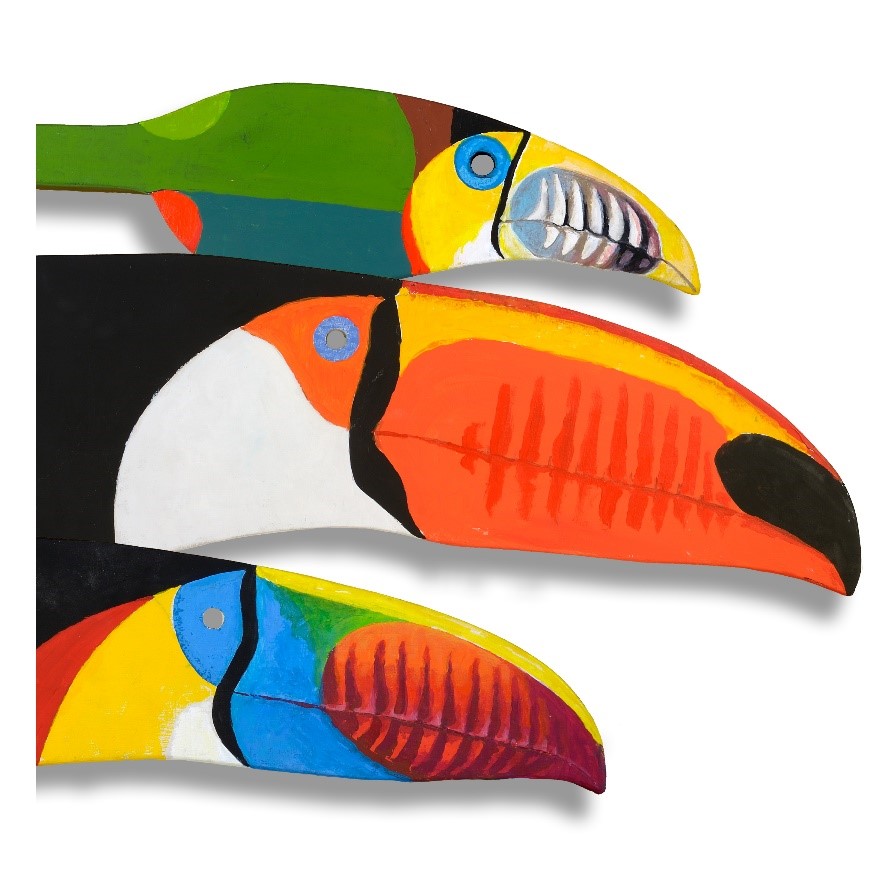
Over the past year, I’ve been working with one of the world’s leading naturalists, Jonathan Kingdon, to produce an exhibition of his artworks, entitled Evolution as Inspiration. Translating his science through his art, Kingdon has sought to explore and explain the how’s of why’s of animal appearances.

Beaks as Flags (detail), 2010. Jonathan Kingdon

Although it is an art exhibition of ceramics, sculpture, paintings and drawings, in several senses a natural history museum like ours is the perfect place for this show. Evolution as Inspiration is arranged in two parts. One focusses on the drawings Kingdon made whilst dissecting animal carcasses as he sought to document and understand the adaptations beneath the skin; the other explores his scientific analysis of the evolution of animal signalling and colouration, resulting from decades of observing the behaviours of wild animals.

These two elements of Kingdon’s work reflect two central pillars of natural history: what we can learn from dead specimens is very different to what we can understand by watching live animals in the field. These dual strands of zoological research are also embodied by the history of our collections, and by the people who work and study here in the Museum, in the University of Cambridge’s Department of Zoology in which we are embedded, and in the Cambridge Conservation Initiative (CCI) with whom we worked with to co-curate this exhibition.

Continue reading

Wild About Portsmouth – Discovering and Uncovering a Little Known Natural History Collection

Written by Christine Taylor, Curator of Natural History, Portsmouth Museums

Wild about Portsmouth is a two-year Heritage Lottery Funded project to share and raise the profile of the city’s natural history collections.  In addition to enabling visitors to get more hands on with the collections through events and activities, work is being carried out to make them more accessible for museum staff and researchers.

Challenges

The collections are held at three sites across the city and housed in environmentally controlled stores with many specimens held in archival quality boxes. However, the absence of a natural history curator for over 10 years has led to a series of challenges with accessing them:

Little Knowledge of Collections

Apart from the sizeable and substantial HLF Guermonprez Collection transferred from Bognor Regis Museum in the 1970s, very little was known about the collectors associated with the remainder of the natural history collections. In-depth knowledge of the HLF Guermonprez Collection has also been lost over time, although it is occasionally cited in publications by Sussex naturalists.

Continue reading

Global Biodiversity Collections: Becoming Part of the Open Data Community

Written by Isla Gladstone, Senior Curator Natural Sciences, Bristol Museums

On 13th March I travelled to Sofia in Bulgaria, my mind buzzing with questions about biodiversity data…

I had been awarded one of 30 funded places on the first training school of Mobilise, an EU initiative to mobilise data, experts and policies in scientific collections. More specifically, Mobilise is an EU COST Action: a bottom-up network funded over four years to boost research, innovation and careers by COST, an intergovernmental framework for European Cooperation in Science and Technology.

Digitisation and data management challenges in small collections promised new skills in the key basics of data quality and cleaning. It also offered a chance to meet colleagues from around the world, and connect to a bigger picture.

At a time of unprecedented human-caused climate change, biodiversity loss and environmental degradation, it feels more urgent than ever to connect museum collections to real-world change. Natural sciences collections offer precious opportunities here. Alongside huge potential to engage communities and inspire debate, specimens are unique sources of the scientific evidence urgently needed to unlock sustainable development solutions:

“There is more information about biodiversity in [the world’s] natural sciences collections than all other sources of information combined.” iDigBio

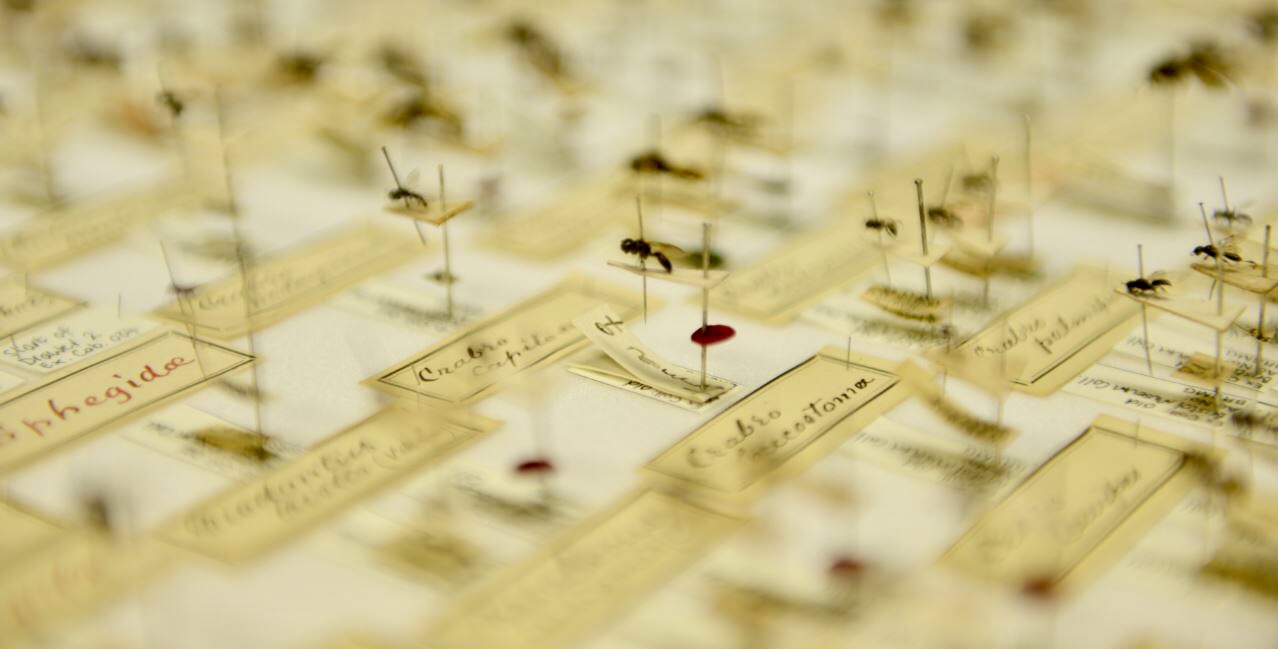
Collections’ biodiversity data: the what, when, where, who collected attached to many biological and palaeontological specimens © Bristol Museums

Continue reading