Twisted Tales of Gallery Oldham’s Collection of Fish Casts

Written by Patricia Francis, Natural History Curator, Gallery Oldham

So, what’s a fish cast? Fish are particularly difficult creatures to preserve. Fish taxidermy is tricky as even a freshly dead specimen rapidly loses it colour and can quickly start to decay. Fish skin is thin and tears easily and obtaining the work of an experienced fish taxidermist is very expensive while fluid preservation involves the use of chemicals which alter the skin colouration.
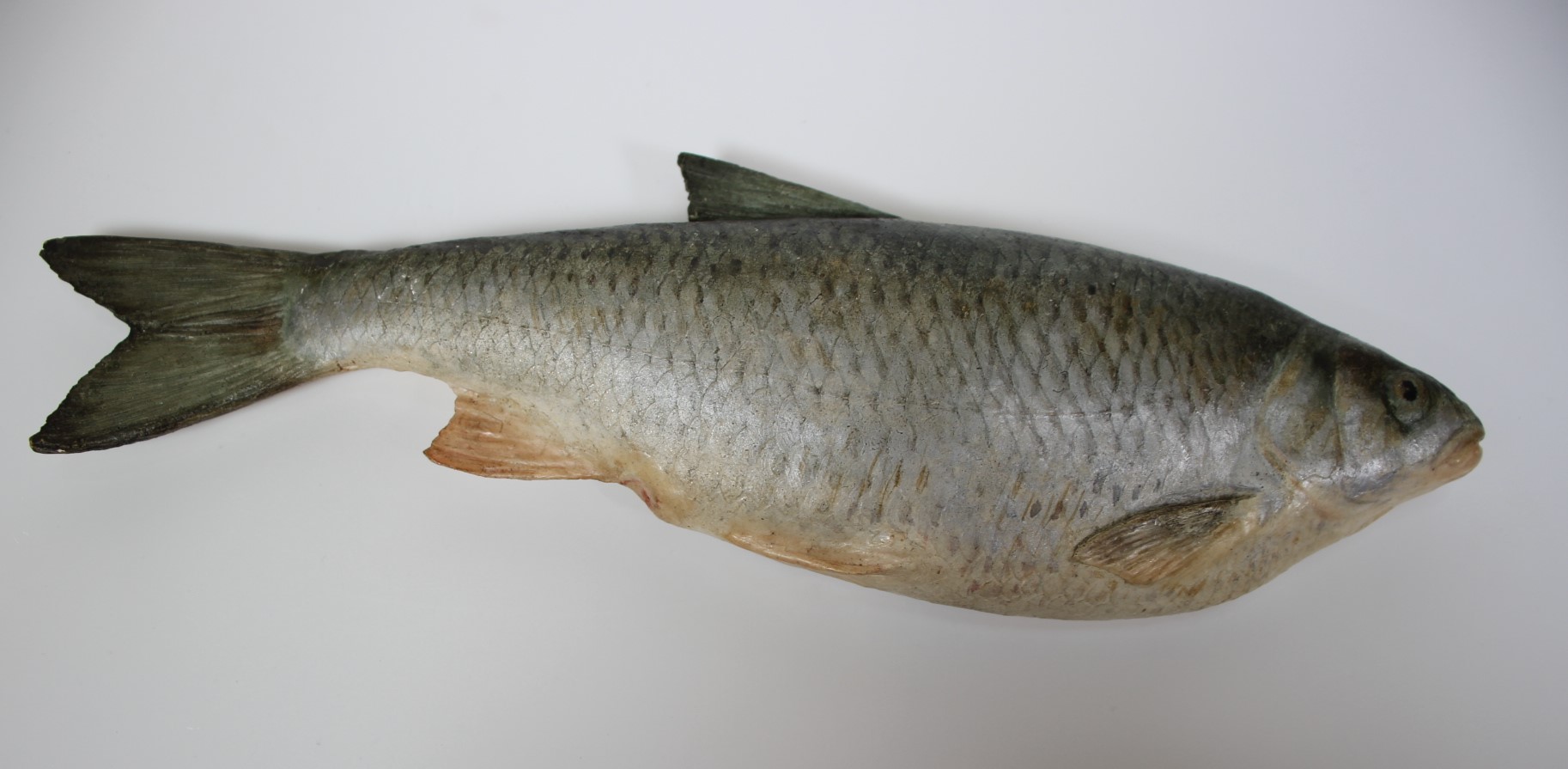
Dace (1932-54 )

Modelling or casting is often chosen as an alternative way to represent the animal rather than using the actual fish skin as taxidermy does. A cast now might be made using a resin but historically plaster has been used. Then comes the clever bit, accurate painting of the cast to appear like the living animal.

Continue reading

The Okapi: Biology, Conservation, and Why this Elusive Species matters to Collections

Written by Emma Winnard, Sixth form student studying A-level Biology, Chemistry, and Geology, with a strong interest in zoology, botany, and museum collections.

The okapi (Okapia johnstoni) is one of the most distinctive large mammals in the world, yet it remains one of the least well understood. Endemic to the dense tropical forests of the Democratic Republic of the Congo, the okapi occupies an ecological niche that is both geographically restricted and extremely difficult to study directly. As a result, much of what we know about the species has been built not only from limited field observations, but also from museum specimens, archival records, and associated botanical and habitat material held in natural science collections.

This is what makes the okapi such a useful example for thinking about collections. When an animal is rarely seen, difficult to survey, and increasingly threatened, preserved specimens and older records can become far more than historical curiosities.

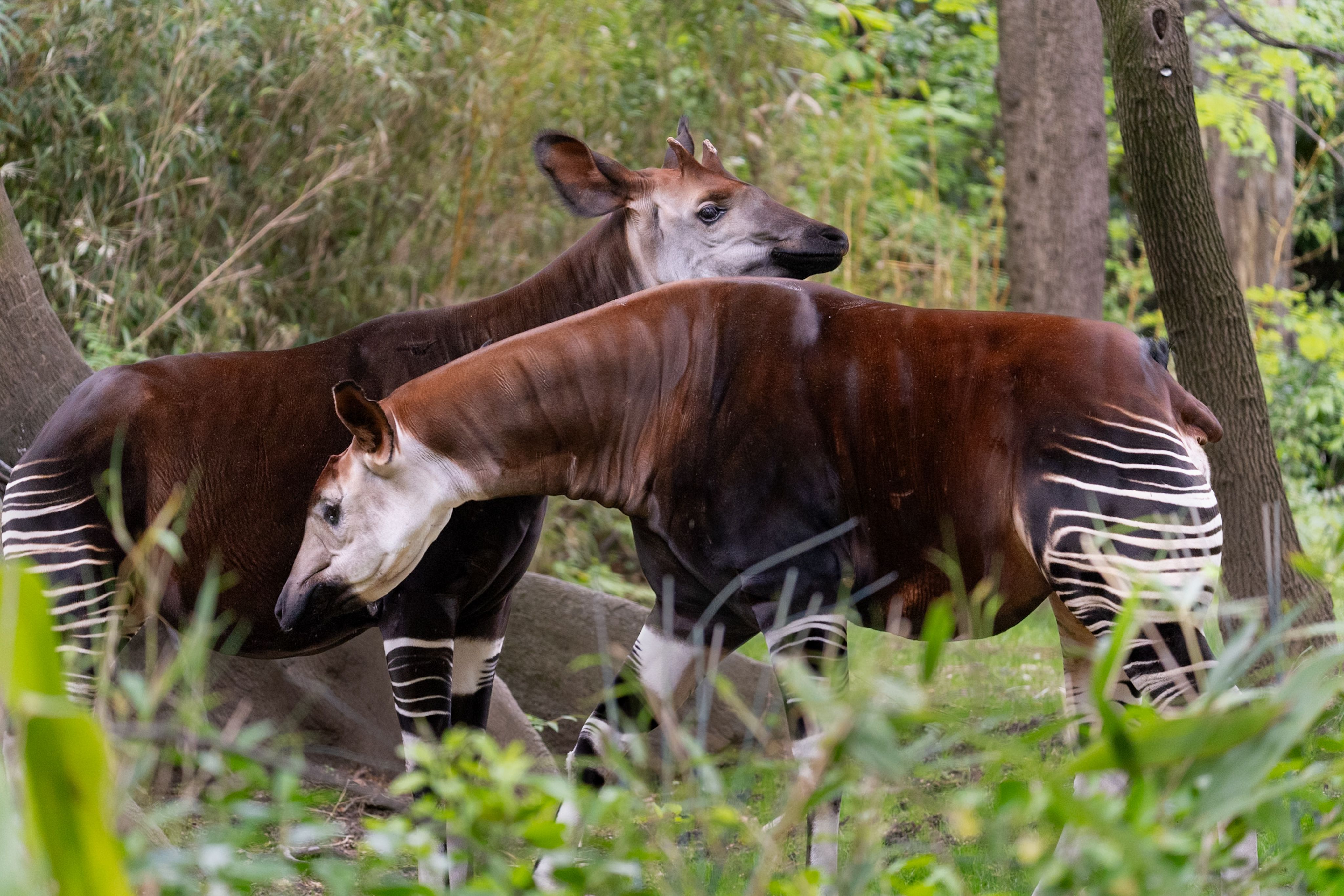
A pair of okapi in a lush forest setting. The species’ striped legs and dark coat help break up its outline in the dappled light of dense forest habitat.
© Photo by Brett Aukburg, via Pexels. Pexels Licence.

Continue reading

An Acre of Yorkshire to Revitalise Botany Education

Written by Sebastian Stroud, Teaching Fellow in Ecology, School of Biology, University of Leeds.

Did you ever visit the experimental gardens of the University of Leeds? For the vast majority of you, I imagine not. It’s more than likely you’ve never even heard of the old gardens, and that’s because they’ve been shut down entirely. Demolished in the mid-noughties, the collections were disbanded and moved to other institutions. A story not unheard of for university living collections.

For those interested, there exists a fascinating history – a story told by the garden’s former plantsman, Martin Lappage (Lappage and Redshaw, 2021). Although, like many of you, I never stepped foot in the old experimental garden, reading Lappage’s book conjured inspiration as though I’d been there with him. From fascinating figs and their minuscule wasp pollinators to award-winning orchid collections, the old garden was a botanist’s dream.

Continue reading

Meet the Taxidermist – A New Way to Engage the Public with Taxidermy

Written by Julie Griffith, Property Experience Curator, Calke Abbey – National Trust & Sarah Burhouse, Taxidermist, Birdhouse Taxidermy.

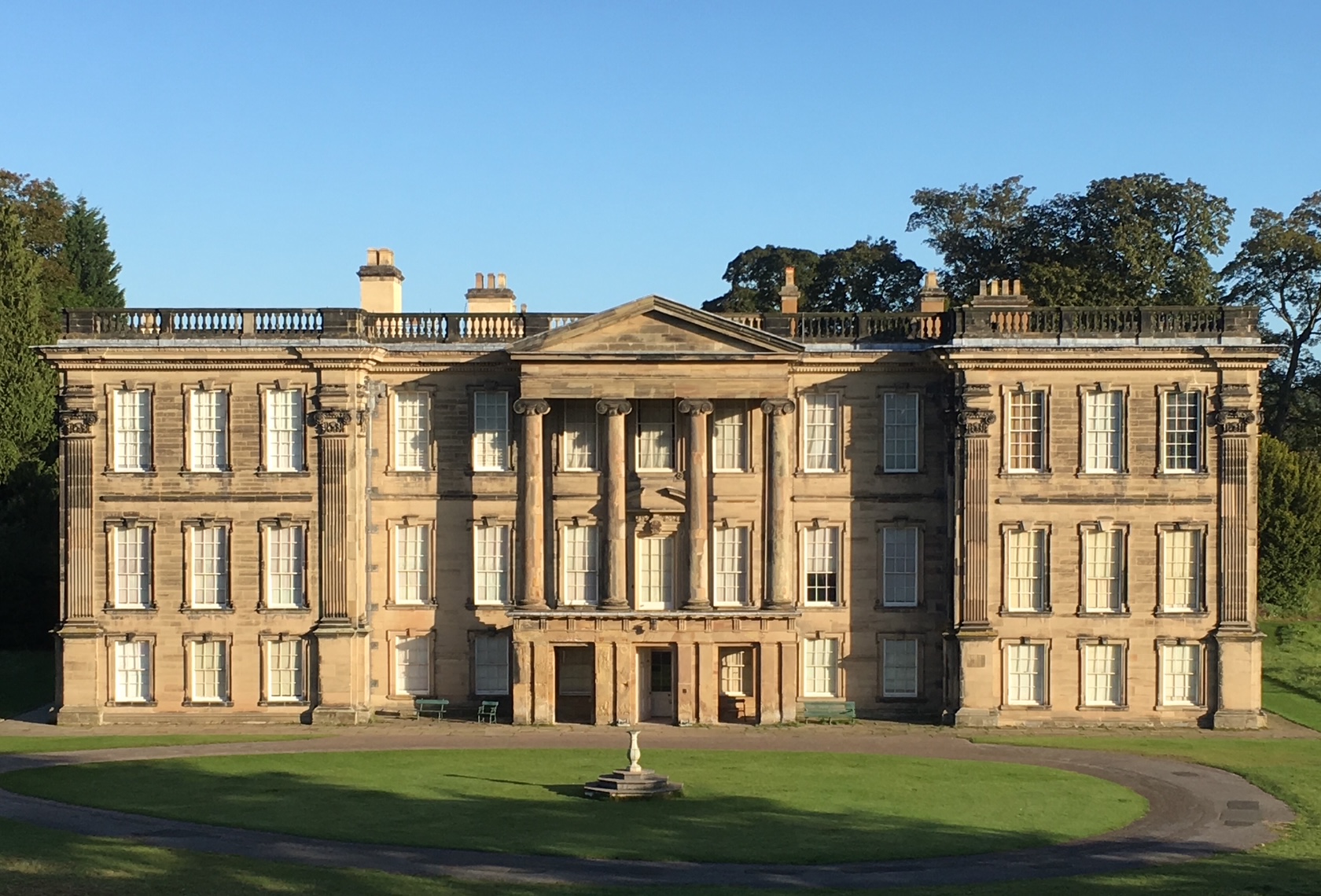
How to challenge negative pre-conceptions of taxidermy and facilitate deeper, positive engagement with the objects – this was the challenge faced at Calke Abbey, a National Trust property in Derbyshire.

Credit – National Trust/Julie Griffith

Julie – Calke Abbey

Integral to Calke Abbey’s identity, the natural history collection demonstrates the interests and collecting of several generations of the Harpur Crewe family. Most visible is the taxidermy, present in over 10 rooms of the house and ranging from high quality finished dioramas to unfinished mounts hanging upside down in overcrowded cases. In the Saloon, large cases of birds even obscure a painting of Harpur Crewe children, demonstrating the importance placed on these objects by their historical owners.

Continue reading

NatSCA Digital Digest – March 2026

Compiled by Olivia Beavers, Assistant Curator of Vertebrate Zoology at World Museum, National Museums Liverpool.

Welcome to the March edition of NatSCA Digital Digest.

A monthly blog series featuring the latest on where to go, what to see and do in the natural history sector including jobs, exhibitions, conferences, and training opportunities. We are keen to hear from you if you have any top tips and recommendations for our next Digest, please drop an email to blog@natsca.org.

Sector News

NatSCA Annual Conference & AGM 2026: Registration Now OPEN!

Booking is now open for the Annual Conference & AGM of the Natural Sciences Collections Association (NatSCA) held on Thursday 14th and Friday 15th May 2026 at The Ulster Museum in Belfast, Northern Ireland. This year’s theme is: Collaborating and Connecting with Natural History.

Continue reading