Improving Specimen-Data Recording and Access in a Life Sciences Museum

The Museum of Life Sciences at King’s College London contains teaching and research material from King’s College London (KCL) and elsewhere. The collections include Botany, Zoology and Pharmacy specimens, including microscope slides, from around the world and a small, unique exhibition of glass sculptures recently created to commemorate the role of KCL in the discovery of the structure of DNA.

Paper and electronic (Access) databases were first created in 2003 and contained data for the then KCL Zoology and Botany Collections. In the last few years, volunteers have been recording specimens in paper (form-based) or electronic (Excel) formats and we have all been learning ‘on the job’. Inevitably specimens have been catalogued in different ways to record various kinds of information and many specimens remain uncatalogued. Some groups of specimens from a single collector/preparer or from a single source have been catalogued together as eg ‘The Daws Collection’, The Challenger Collection’.  The accumulating data were becoming unwieldy as there are now more than 8000 records. Continue reading →

Nature Notes

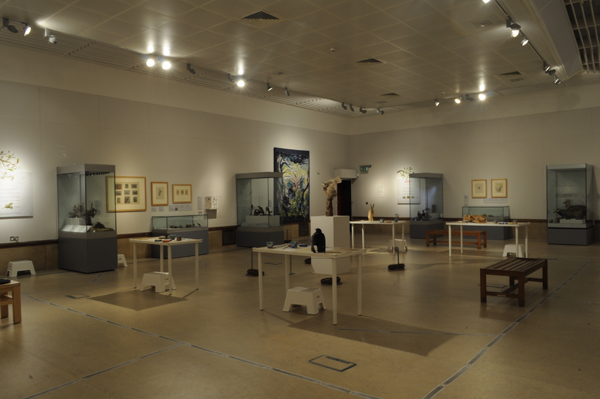
In 2016 the Herbert held its first in-house natural history exhibition since a major redevelopment was completed in 2008. The exhibition, Nature Notes, explored the seasonal changes in local wildlife by displaying taxidermy, nests, insects, botany and fungi, botanical watercolours, oil paintings and contemporary artworks. It encouraged visitors to look at the natural world around them and the artworks aimed to inspire visitors to respond to nature in a creative way.

Nature Notes was designed to be enjoyed by all and accessibility was a key consideration in developing the interpretation and interactives. Additions to the exhibition included Makaton on the text panels and interactive tables; and the provision of accessibility aids such as torches, magnifying sheets and ear defenders. We considered contradictory needs such specific learning difficulties and visual impairments by producing lower contrast labels and providing high contrast large print text to take round the space.

Gallery view of Nature Notes.

Gallery view of Nature Notes. The seasonal display runs around the wall, with interactives and handling specimens in the centre.

The most popular part of the exhibition was the multi-sensory interactive tables with things to touch, smell and listen to. These were created by using low cost tables with adjustable legs with a vinyl graphic applied so they tied in with the exhibition’s design. Five pieces of taxidermy were commissioned – one of each season, plus a spare mouse. We worked with a local group of disabled and non-disabled teenagers to help us choose the right smells for each table – only the brave dared to smell the otter dung! As each offered the same experience of touch, smell and sound this meant queues did not form around one table, allowing for a better visitor experience. Continue reading →

NatSCA Digital Digest- January

Colorado potato beetle, Chalupský 2004, Image in public domain

Colorado potato beetle. Chalupský 2004, Image in public domain

It’s the first NatSCA Digital Digest of the New Year, a time when everyone feels new, fresh, and fully motivated to read everything and do everything… yippee!


What’s New to Read?

In the prettiest blog I’ve ever seen, the science education whizzes at ARKive bring you ‘The Magical, Mystical World of Bioluminescence!‘.

In a beautifully written article called Hidden Sea Dragons: Discovering new species of ichthyosaurs in museum collections, guest writer to Earth Archives Dean Lomax writes about recent Ichthyosaur discoveries that are bringing him fame and fortune. Maybe just fame, there are no fortunes to be had in palaeontology… but fame is good enough for us. Continue reading →

SPNHC Annual Meeting 2016

The Society for the Preservation of Natural History Collections (SPNHC) Annual Meeting – Berlin, Germany June 2016

Green Museum – How to Practice what we  Preach

The 31st annual meeting of SPNHC was jointly hosted by the Museum fur Naturkunde (Leibniz Institute for Evolution and Biodiversity Science) and the Botanic Garden and Botanical Museum, Berlin (Freie Universitat Berlin).  The GGBN conference on genomics ran in parallel with a joint opening session, trade show and dinner at the Botanical Garden; in all there were probably around four hundred delegates.

The venue was Hotel andel’s with its substantial conference facility, on the northeastern side of the central part of the city.  Unlike the five other SPNHC annual meetings I’ve been able to attend, on this occasion, the conference poster, trade fair and presentations and most of the delegates (other than those of us who sought out cheaper accommodation) were based on one site.  That this was not a museum did feel a bit strange. Evening networking was aided by some great organised activities – a pub quiz at a beer garden in Spandau, a bicycle tour of the city centre (including a stop at the reconstructed section of the Berlin wall) and a meal and dancing at the Botanical Garden.  Museum tours were available in conjunction with the icebreaker session on the Friday afternoon.  The main conference ran from midday Tuesday to midday Friday. The extensive poster display was located within the trade fair and lunch venue so was easy to access.  Voting slips and prizes for the best posters encouraged delegates to engage with this part of the conference.  Unfortunately, I was not able to stay for the weekend of post-conference workshops or enjoy any of the pre-conference trips.
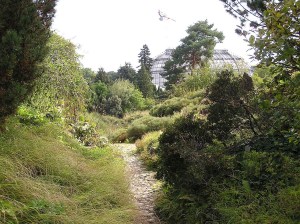
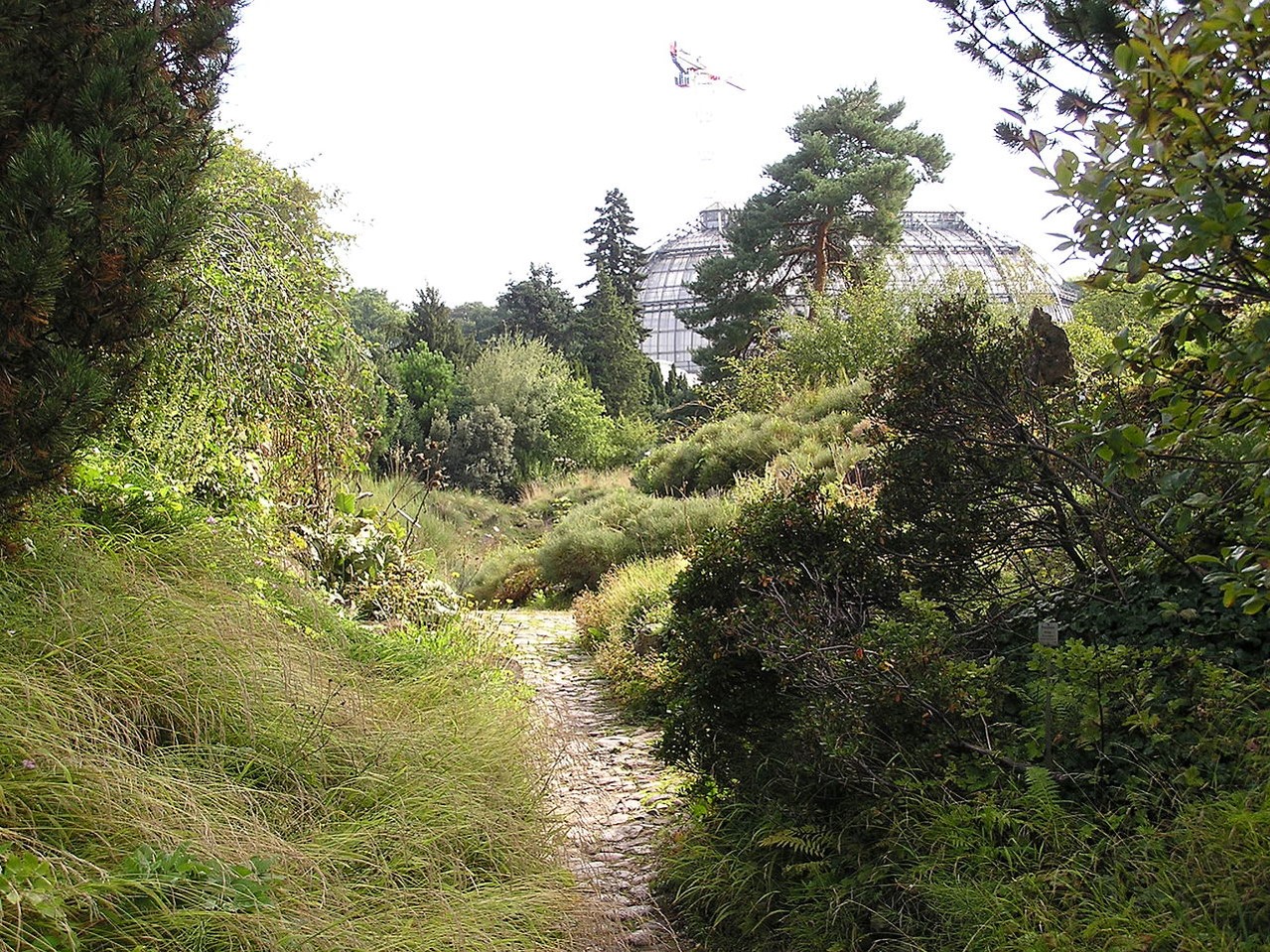
A view within the Botanic Garden, Berlin. (Mauruszat, 2006, image in public domain).

A view within the Botanic Gardens, Berlin. (Mauruszat, 2006, image in public domain).

My reason for attending was to update my knowledge of digitisation and find out what other natural science museums had tried out and succeeded within this field, as well as to promote the geology collection digitisation project at Ludlow Museum via a presentation.  I therefore attended mainly imaging and digitisation sessions.  Sessions covered preventative conservation, iDigBio, SYNTHESIS, GBIF, collections for the future and the Green Museum theme.  By Thursday, in order to accommodate the large number of practitioner presentations, the number of parallel sessions and different themes became rather overwhelming.  Although sessions largely kept to time allowing delegates the option of planning a ‘play-list’ of presentations to attend, the number of concurrent sessions, late nights, 8.30am starts and possibly also the acronyms, meant that audiences were a little sparse in some sessions.

At 200 pages long, the conference publication contained the programme, normal length abstracts of the posters and something I’ve not come across before; two or three page short papers complete with illustrations and references for most of the oral presentations.   This has allowed me to check back, post-conference, on what it was that I missed. However, it was really rather too dense to absorb during the meeting itself.

Highlights – as ever, the multidisciplinary nature of SPNHC meant that people from all branches of the natural sciences and all museum roles were at the meeting allowing for a rich free flowing of ideas.  Paul Mayer of the Field Museum Chicago presented on how digitisation tamed the Tully monster, describing how in three weeks, digital images taken in low angle and polarised light of 1305 specimens in siderite nodules from the US Mazon Creek Formation, Westpahlian D, were used to identify the frequency of morphological features.  The result was the classification of a creature, well known from specimens (and presentations at at least two previous SPNHC meetings) but until this project, un-classified, as an Agnathan fish. This really jumped into focus standing next to Paul looking at hammerhead sharks in the fluid collection gallery on the Museum tour.  Personally, I  was also able to catch up with friends and former colleagues from across the world, some of whom I  haven’t seen for more than a decade.

Presentations ranged from the cutting edge and erudite, through practical solutions, to the wicked issues of collections management.  I learnt that babies could be carbon positive if nappies were cellulose based and recycled into compost, that the synthetic black delegate bag was probably the least green thing about the conference and that as well as benefiting biodiversity, garden based agriculture was far more efficient than large scale agribusiness.  In a twist on the usual apes and human statistic, I was pleased to hear that Homo sapiens and elephants share 70% of the same DNA.  I was also taken back to a task I was allocated in 1988 by ‘a rock is just a rock if it has no data’ in a presentation covering the rationalisation and curation of university Ph.D. research collections.  I was pleased to hear that tight climate control in museums is slowly coming to be recognised as potentially damaging due to rapid fluctuations around the set point, unnecessary and too expensive to operate.  In the refurbishment of the upper floors of the Museum fur Naturkunde it is also deemed to be un-affordable.  The solution developed in the fluid collection gallery is cooling of the gallery walls with buried pipes routing chilled water, and in the upper floor areas currently being refurbished, a sorbent earth based render and plaster wall finish (described as loam) which will serve to buffer extremes of relative humidity.  The pressure to use resources effectively (including the knowledge and ideas to achieve this) was a common theme across all types of museums present at the meeting, with austerity worldwide a key driver – a very different feel to annual meetings I attended early in my museum career where good practice (but also a degree of one upmanship) was the main driver and financial considerations for larger institutions didn’t really come in to it.
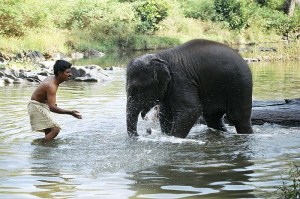
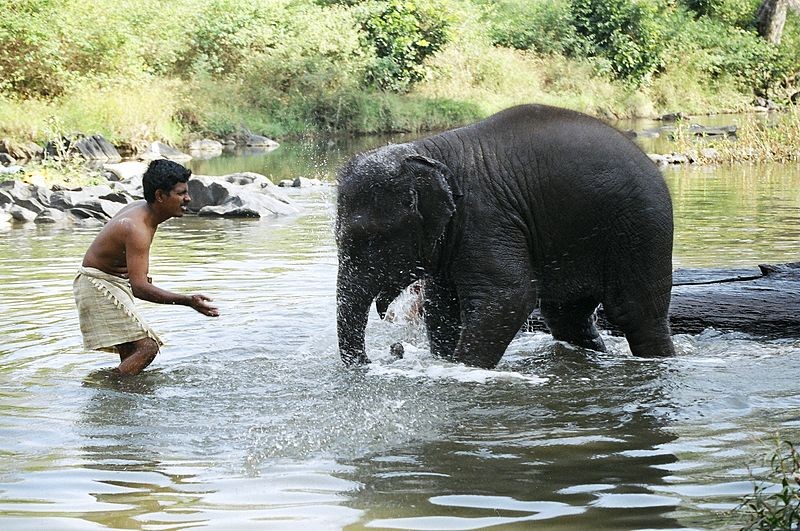
Humans and elephants share 70% of the same DNA. (Franklin, 2005, image in public domain).

Humans and elephants share 70% of the same DNA. (Franklin, 2005, image in public domain).

The SPNHC business meeting included a well-deserved award to David Pinniger for his work in developing Integrated Pest Management systems for museums.  It also provided the opportunity to showcase the venue for SPNHC 2017 (Denver, Colorado) and for the team from Otago, New Zealand to present on their proposal to host the meeting in a few years’ time.

Organising a SPNHC annual meeting and conference is a hugely complex process. This meeting was one of the biggest natural history meetings I have ever attended, so must have been especially difficult.  Congratulations must go to the local organising committee, I hope they enjoyed a well earned rest before getting back to their museum jobs.  I would also like to thank the Friends of Ludlow Museum for supporting a significant part of the cost of my attendance at the meeting from the FISH digitization project funds and NatSCA for a training bursary.

By Kate Andrew


How to Store Taxidermy

We all know that discussing issues with other museum professionals within Subject Specialist Networks is an efficient way of disseminating information within the sector, but the following article provides a perspective from a generalist commercial storage company; a voice we don’t usually hear from.

Safestore, the UK’s largest self-storage provider, recently made a video series called ‘Stuff is Great‘ which focused on collectors and their individual passions. Among other client case studies, the series featured Suzette Field and her collection of taxidermy specimens. The following article, How to Store Taxidermy, was written by Safestore themselves and provides useful guidance on how to use these public facilities for storing such material.

This taxidermy collection featured in the Safestore project 'Stuff is Great'. © Safestore

This taxidermy collection featured in the Safestore project ‘Stuff is Great’. © Safestore

As any taxidermy enthusiast will know, a sizable collection can take years to build.  During that time your life and circumstances will change; you may welcome children into your life, move home, change job, all the while accumulating more pieces.  At some point you may be faced with the challenge of storing your taxidermy and with the right know-how it’s not as painful a process as it sounds!

Safestore recently stored a taxidermy collection and found it to be the safest environment for high value taxidermy.  Your attic or garage may seem like a cheaper alternative but both locations are affected by the changing climate throughout the year, putting undue stress on your collection.

Follow these tips for storing your taxidermy safely…

  1. Use wooden crates.

Using a wooden crate for each taxidermy piece means you can affix the mounts to the inside of the crates.  This will keep the taxidermy from touching the inside of the crate and allow air to circulate the piece.  Cardboard isn’t sturdy enough for large taxidermy pieces and doesn’t offer the same protection.

  1. Keep the damp away.

Storage units are typically very dry but the climate can vary from time to time.  Add silica gel packets to each crate as they will absorb any moisture in the air and keep your taxidermy dry.

  1. Keep the pests away.

Moths and small bugs would love nothing more than nibbling away at your taxidermy pieces so using ‘no pest strips’ or moth killer strips will help to keep your crates critter free.

  1. Climate and humidity.

When looking for self storage units for your taxidermy, ensure your unit is somewhat climate controlled.  Units on the outer edge of the building may be more prone to temperature changes so ask for a unit that remains cool and dry throughout the year.

Taxidermy is expensive and some pieces are one of a kind, therefore it is imperative to ensure your items are safe and secure once in storage.  Look for self storage facilities with 24hr CCTV, restricted access, sole key holder policies and intruder alarms.

  1. Check!

It’s super important to check your taxidermy from time to time, especially if you’re storing for a number of months.  Make sure you replace the pest strips and silica packets and check for any signs of damage or stress.  It’s easier to rectify a problem sooner rather than later!

Ultimately taxidermy is for displaying and enjoying, however if you’re in need of an interim home for your collection you’re not short of options.  Keeping your pieces safe and in good condition is easy so long as each item is packed with due care and is stored somewhere out of harm’s reach.

By Tiffiny Franklin, Digital Outreach Executive, Safestore