NatSCA Digital Digest – August

Welcome to the slightly late August edition of the NatSCA Digital Digest!

What Shall I Do?

Don’t forget to book your places for the Caring for Natural Science Collections workshop on the 17th October, if you haven’t already. It’s being held at the Oxford Museum of Natural History and should be lots of fun.

If you were planning on attending TetzooCon this year, time is running out: the dinner is already booked up (there is an alt-dinner, speak to Beth Windle for details) and I’m given to understand that over half the tickets have been sold already. Don’t miss out, it’s going to be bigger and better than ever.

Continue reading

NatSCA Conservation Photo Competition

#NatSCAConservation #photocomp

In the run up to the NatSCA Caring for Natural Science Collections one-day conservation conference (Oxford University Museum of Natural History, 17th October 2018) we are running a social media photo competition.

We are looking for your original photographic entries featuring the conservation and collections care of natural history collections particularly those that focus on innovative techniques, modern advances, shared skills and preventative conservation.

We encourage entries from conservators (specialists, generalists and students alike), curators, volunteers, and anyone working with collections. Natural history collections may include bone, taxidermy, fluid preserved collections, geology, palaeontology, shell, botany, entomology, and more.

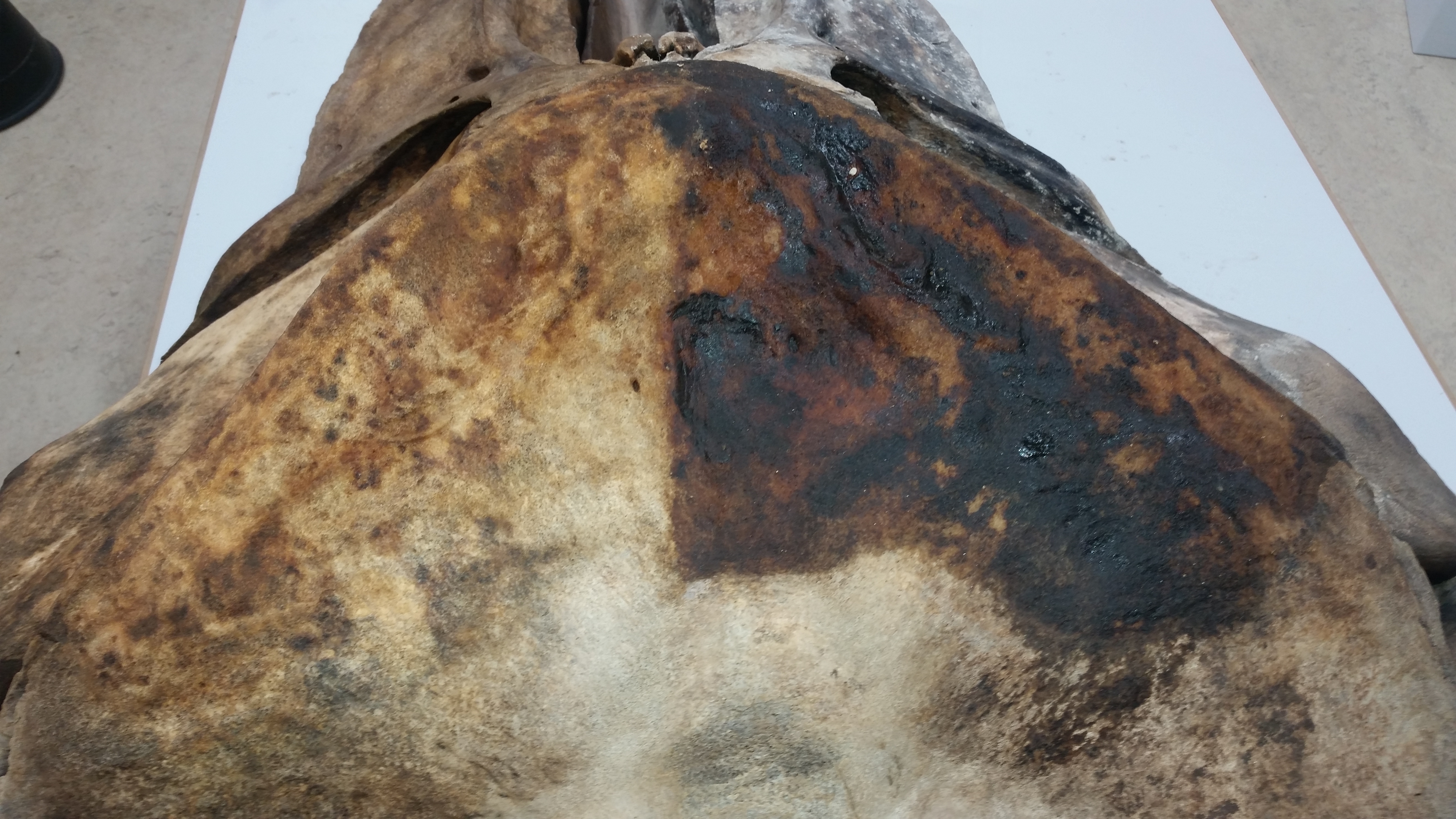
Removing oxidised oils from the surface of a Minke whale skull. ©Lucie Mascord.

Continue reading

A Year of Coraling and Coralling

International Year of the Reef

The Aquarium at the Horniman Museum and Gardens dates back, in one form or another, to the early 1900s. In more recent times the Aquarium has been home to Project Coral; where pioneering research is being undertaken in coral spawning. The project team, led by Aquarium Curator Jamie Craggs, is successfully developing in-vitro fertilisation techniques for captive corals and they have instigated the first successful spawning of captive coral in the world. Their research will further scientific understanding of the impact of climate change on coral reproduction and has potential to serve as a method of restoring damaged coral reefs.

Coral spawning taking place at the Horniman Museum Aquarium, as part of ongoing research by Project Coral under lead scientist Jamie Craggs. © Horniman Museum and Gardens and Jamie Craggs

Being the home of such an important coral conservation project made it an obvious thing to do to get involved with International Year of the Reef. 2018 marks the third IYOR (International Year of the Reef), and to celebrate it, the Horniman Museum is hosting a year of special events, exhibitions, online content and family activities to highlight both Project Coral, and the ongoing plight of coral reefs around the world. As Project Coordinator of the IYOR programme at the Horniman, my role was to help set up and run six projects devised by a team of collaborators. The project was extremely multidisciplinary; utilising the natural history collections, the live aquarium exhibits, art installations, dance performances, and collaborating with external researchers from around the world.

Continue reading

#NatSCA2018: Two Days That Made Me Feel Like a Part of Something

The NatSCA Annual Conference 2018 in Leeds – thoughts of a bursary awardee

My name is Meg Cathcart-James, and I am Project Officer for the Cole Museum of Zoology at the University of Reading. I graduated from the university with a BSc in Ecology and Wildlife Conservation, and was lucky enough to be employed in this role as I continue on to a PhD, also on the subject of ecology.

I mention this little introduction to my background for a reason; with no real zoological knowledge, museum training or experience, when I first started working for the Cole I felt a bit like an impostor, an outsider. Throughout my undergraduate degree and entering into postgraduate research, I have seen and experienced this before; I think it is quite a common feeling in the academic world and as I began to work closely with the museum’s curator, Professor Amanda Callaghan, and engage with other staff in the wider university museum team, I felt this more acutely. That is, until I went to the NatSCA Conference in Leeds earlier this year.

Continue reading

Impressions of My First NatSCA Conference

Last April I had the opportunity to attend the NatSCA conference at Leeds City Museum. I have been a member of NatSCA since I came to live in the UK three years ago and finally this year, thanks to one of the NatSCA bursaries, I was able to attend the conference. With more than 70 participants from all over the UK and beyond each day, more than 20 talks, interesting stands showing projects and new technology, good coffee and lunch in a uniquely-shaped hall, the event was very successful.

Over the two-day conference, I met colleagues from work, I recognised familiar faces from previous events and the most exciting part was to meet new people and to hear about the amazing projects and experiences from different experts in the museum environment. We also heard about the benefit of working with communities, schoolchildren, teachers, volunteers, undergraduate students, artists and many other groups.

After thinking carefully about what really impressed me (a difficult job with so many good talks), I would like to highlight the following topics.

Facing Challenges and Thinking Up New Strategies to Engage

The first two talks about the exhibition Dinosaurs of China in Nottingham really impressed me. The project involved extraordinary team work in organising the loans, the trips, the installation of the tallest dinosaur skeleton ever displayed in the UK, and the running of a very successful event with large numbers of visitors. The second talk showed brilliantly the role of theatre to enhance the visitor’s experience and engage the public while also showing a good marketing strategy. Moreover, selecting the artist with the required performance skills was very demanding work.

Continue reading