Conservation Matters in Wales – Christmas Conference 2023

Written by Sebastien Lherondel-Davies, 2nd year BSc student, Swansea University, whilst on placement at National Museum Cardiff and Swansea Museum.

On Wednesday 13th December 2023, conservators and curators from all over Wales gathered in Swansea for the first in-person Conservation Matters Wales Christmas Conference since the pandemic. Conservation Matters Wales is a collaboration between Amgueddfa Cymru – National Museum Wales, the Federation of Museums and Art Galleries in Wales, and Cardiff University. The event, hosted by the delightful Swansea Museum, was an opportunity for professionals in the museum collections conservation sector to come together and share the wide range of projects they have been working on. The conference provided us with the chance to present our research project on a historic Lepidoptera collection. 
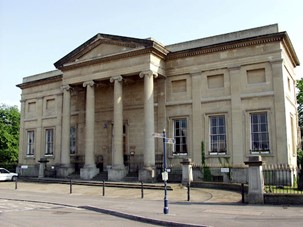
Swansea Museum
Continue reading

Make Plastic History

Written by Glenn Roadley, Curator of Natural Science, The Potteries Museum & Art Gallery, Stoke-on-Trent.

In May 2023, Professor Claire Gwinnett reached out to me with an opportunity to host a public event at The Potteries Museum & Art Gallery (PMAG). Claire, Professor of Forensic and Environmental Science at Staffordshire University, is an expert in the study of plastic pollution and has worked with the museum before to lead activities at our various science events, so immediately thought of us when seeing the call for applications for the British Academy’s SHAPE Involve and Engage grants. The programme offered grants of up to £8,000 for innovative engagement activities which highlight humanities research, with partnerships between academic and cultural institutions eligible to apply. Claire and I put our heads together and came up with a plan for a day of family-friendly activities aimed at raising awareness of plastic pollution and the research being undertaken to tackle it. At the centre of these activities would be a workshop run by Dan Lewis, an artist who uses plastic fragments found on the beach to create works of art.

Continue reading

NatSCA Digital Digest – October 2024

Compiled by Milo Phillips, Digitisation Coordinator at the Royal Botanic Garden Edinburgh.

Welcome to the October edition of NatSCA Digital Digest.

A monthly blog series featuring the latest on where to go, what to see and do in the natural history sector including jobs, exhibitions, conferences, and training opportunities. We are keen to hear from you if you have any top tips and recommendations for our next Digest, please drop an email to blog@natsca.org.

Sector News

Forensic Solutions to Pangolin Poaching

Does your collection include pangolins? Museum pangolins requested in an effort to build a stable isotope database.

The plight of the pangolin and intensification of poaching for traditional medicine is well-publicised. There is an urgent need for new forensic solutions to this crisis that transcend disciplines. The Scottish Universities Environmental Research Centre (SUERC) are seeking small scale samples from any and all pangolin species held in UK museums. Of particular interest currently is the Philippine pangolin (Manis culionensis).

The project aims to develop a robust, multi-isotope provenancing map which will make it possible to determine where specific confiscated scales are poached. It will do this using stable isotopes and spatial markers such as trace metals. The team at SUERC are happy to travel for in-house destructive sampling or can provide postage materials if the curators and collection managers would prefer to take samples themselves.

For details, please contact Ruth Lewis-Smith (r.lewis-smith.1@research.gla.ac.uk) at the University of Glasgow.

Continue reading

Welcome to a ’Wild, Wonderful World’ at the Natural History Museum Denmark.

Written by Bethany Palumbo, Head of Conservation, Natural History Museum Denmark.

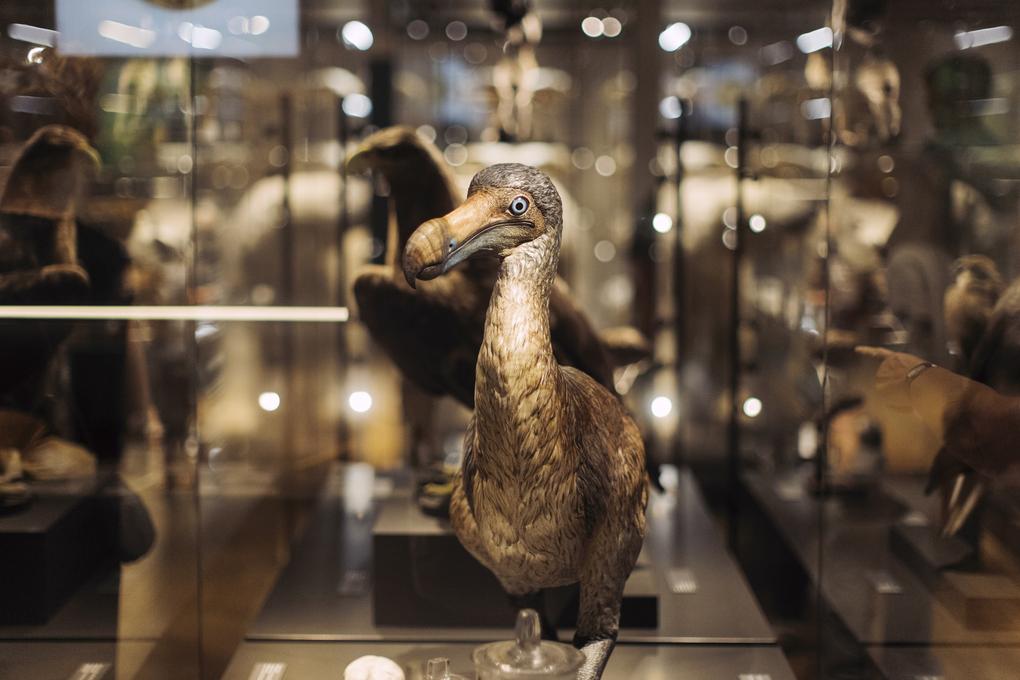
Dodo Model at the Wild, Wonderful World Exhibition (© Andreas Haubjerg NHMD)

In June 2024, the Natural History Museum Denmark opened a new temporary exhibition titled ‘Wild, Wonderful World or ‘Vilde, Vidunderlige Verden’ in Danish. The exhibition presents the colourful, authentic stories behind specimens, and introduces new perspectives on how to think about nature and the significance of the natural history collections.

For the past several years, temporary exhibitions at the museum had all been loaned exhibitions from other institutions. We decided that this one would instead be entirely from our own historical collections, with some of the specimens on display dating as far back as 400 years. This blog post will present 3 fascinating object stories from the exhibition that I am especially excited to share.

Continue reading