A Stable Future – Research into the Stability of Materials used in Taxidermy Manufacture.

Written by Jazmine Miles Long – Taxidermist & Bethany Palumbo – Head of Conservation, Natural History Museum Denmark.

Taxidermy collections are crucial for our understanding of biodiversity, evolution, population genetics and climate change. They form a large part of natural science collections and their long-term preservation is essential. Historically, taxidermy was created using natural, durable materials such as wood, plant fibres, wax, clay and glass with examples dating back to the 16th century. However, over the past 50 years, taxidermists have increasingly adopted synthetic and plastic-based materials due to their ease of application, lower cost, and effectiveness in creating realistic specimens. One such example is polyurethane, a very widely used material to build the form that goes under the taxidermy skin. Although polyurethane has been extensively tested (albeit not specifically for taxidermy), it has already been shown to be unstable and unsuitable for long-term use. Awareness of stable, durable materials is not widespread within the taxidermy community. As a result, many modern museum taxidermy pieces are made with untested and potentially unstable materials.

Continue reading

NatSCA Digital Digest – April 2025

Compiled by Milo Phillips, Digitisation Co-ordinator at the Royal Botanic Garden Edinburgh.

Welcome to the April edition of NatSCA Digital Digest.

A monthly blog series featuring the latest on where to go, what to see and do in the natural history sector including jobs, exhibitions, conferences, and training opportunities. We are keen to hear from you if you have any top tips and recommendations for our next Digest, please drop an email to blog@natsca.org.

Sector News

New Unnatural History Museum Sessions

The Unnatural History Museum brings together museum professionals, creatives and academics across disciplines to platform vital conversations about the museum mediation of the natural world during the sixth mass extinction. The series unfolds over a series of themed Zoom sessions featuring short presentations, followed by a roundtable discussion.

Links to upcoming sessions can be found here: https://www.eventbrite.ie/o/verity-burke-53923741293 and will continue to be updated as more events are added.

The event series now has a website where recordings of prior sessions will be uploaded and you can check out upcoming events: https://unnaturalhistorymuseum.org/

Continue reading

NatSCA Digital Digest – March 2025

Compiled by Olivia Beavers, Assistant Curator of Vertebrate Zoology at World Museum, National Museums Liverpool.

Welcome to the March edition of NatSCA Digital Digest.

A monthly blog series featuring the latest on where to go, what to see and do in the natural history sector including jobs, exhibitions, conferences, and training opportunities. We are keen to hear from you if you have any top tips and recommendations for our next Digest, please drop an email to blog@natsca.org.

Sector News

NatSCA Annual Conference & AGM 2025: Registration Now OPEN!

Booking is open for the 2025 Natural Sciences Collections Association (NatSCA) conference. This year’s theme is: Making a Difference: Showing the Positive Impact of Natural History Collections, and it will be hosted by the University of Manchester: Manchester Museum, UK.

Due to the size of the venue there are only a limited number of spaces, so please book promptly to avoid disappointment. Visit the webpage to find out more: https://www.natsca.org/event/2881

This year’s conference meal is at Zouk and we would love to see you there. Please make sure to add the separate ticket to your basket.

Don’t hesitate to get in touch if you any questions. If you would like to become a member, which would qualify you for the conference discount or bursaries, please see our website NatSCA.org for details. 

30th Symposium on Palaeontological Preparation and Conservation: Call for abstracts

Please send abstracts of up to 250 words plus an image to sppc@geocurator.org by 10th April. Abstracts will be considered on any topic of earth science excavation, conservation, preparation mount-making and exhibition. Please state if the abstract is for a poster or platform presentation.

The 30th Symposium on Palaeontological Preparation and Conservation will be held in the Netherlands this year on 26 – 27th June.

The theme will be ‘From Excavation to Exhibition’ and they hope to broaden their usual remit to include more aspects of the story of how geological collections end up on display in our museums, as well as their conservation and preparation. Examples of previous years’ abstracts can be found online at https://www.geocurator.org/events/97-sppc

Continue reading

It’s Getting Better

Written by Dr Amy Geraghty, Assistant Keeper/Curator of aquatic zoology collections with responsibility for fluid collection management.

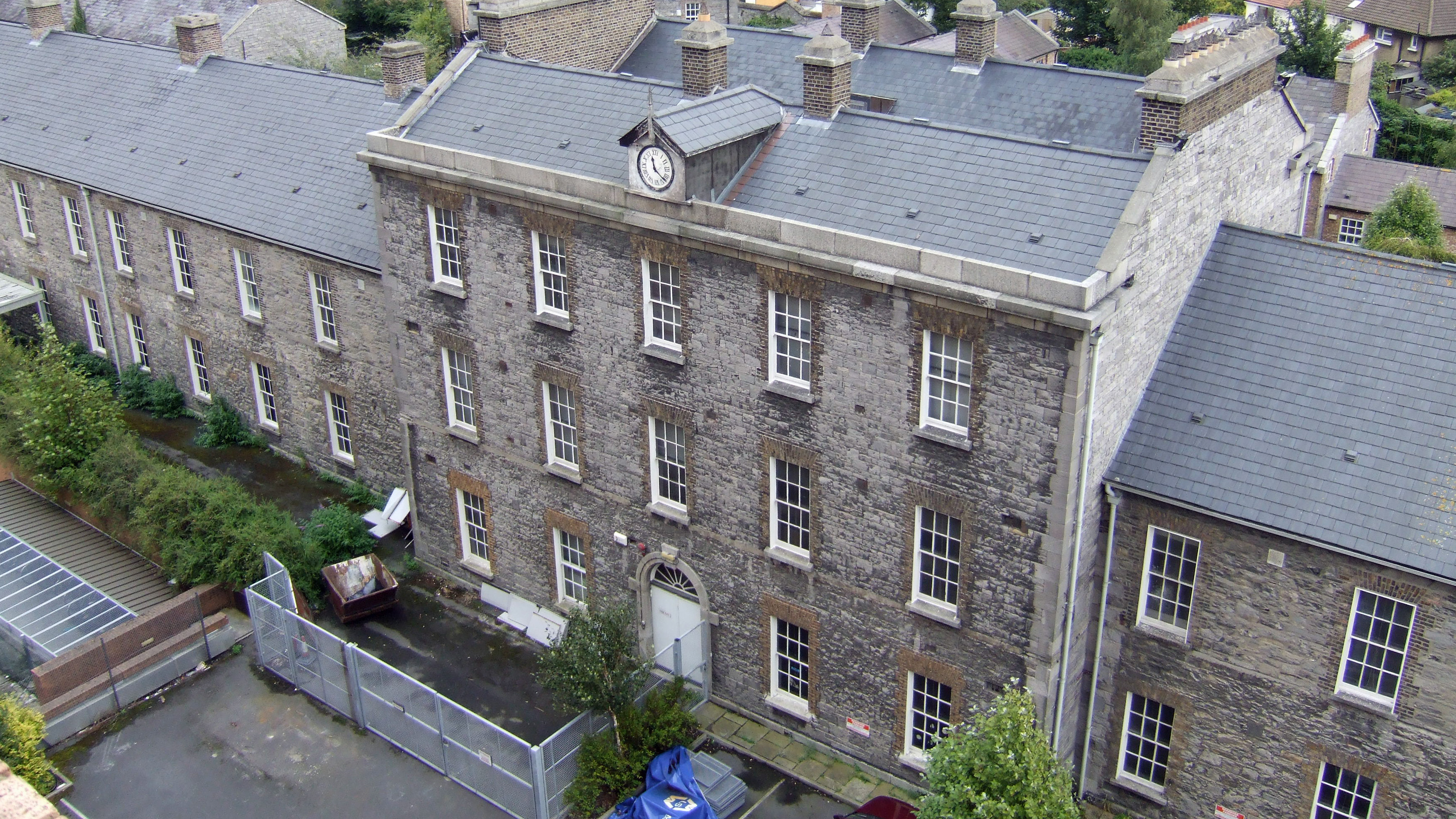
The National Museum of Ireland (NMI) Natural History Division (NHD) holds about 2 million specimens in its collection. The collection is ordinarily split between three locations: the museum and two off-site storage buildings. However, at the time of writing, nearly all specimens are in one of the two storage buildings. The museum galleries are being emptied to facilitate investigative works on and the refurbishment of building itself.

One of the National Museum of Ireland’s two storage buildings in 2006. It is an old British army barracks that now stores the fluid collection, some of the dry zoology, mineralogical and paleontological collections. (Image courtesy of Nigel Monaghan)

One of the storage buildings is a mid-nineteenth century British army barracks that came to NMI in the mid-1990s and now stores NHD collections. Retrofitting the building for collection storage has involved the installation of plasterboard ceilings, internal doors, and security and fire alarm systems. Toilets, telephones, a tearoom, shelving, and internet facilities were later installed in the 2000s.

Continue reading

Top NatSCA Blogs of 2024

Compiled by Jen Gallichan, NatSCA Blog Editor.

2024 was a great year for the NatSCA blog and we have seen increases in both the number of readers and number of articles submitted. We are now reaching well over 2000 views per month. I want to take this opportunity to thank everyone who contributed an article. The NatSCA blog is driven solely by your contributions, and it is stands as a testament to all the hard work you are doing. I am pleased to say that the 2025 blog calendar is open for business, so drop me a line if you would like to contribute!

To celebrate all your wonderfulness, I am taking this opportunity to highlight the top 10 most read posts from 2024. This year’s line-up feels more diverse that ever, featuring a coelacanth, live dissections, radiocarbon dating, and fluid collections!

In descending order…

Continue reading