Mainstreaming Biodiversity in Museums

Written by Henry McGhie, Curating Tomorrow henrymcghie@curatingtomorrow.co.uk.

Link to the guide: https://curatingtomorrow236646048.files.wordpress.com/2023/11/mainstreaming-biodiversity-in-museums_2023.pdf

‘Mainstreaming’ is a policy and planning approach that means that we don’t just create a new programme or strand of work, but that we embed it across all activities. We can embed support for biodiversity and environmental concerns across museum activities. Why is this important? Well, for a few reasons. Firstly, biodiversity is not yet fully mainstreamed into museum thinking – in terms of their goals, actions, or evaluation. Second, museums present a massive potential to support biodiversity in different ways, notably through education, research, public awareness and partnerships. Third, museums make big negative impacts on biodiversity and the environment, through their contributions to climate change (from use of energy, waste, and visitor emissions), and their involvement in environmentally damaging activities (e.g. how their investments are used). Fourth, because biodiversity is in deep crisis: species continue to decline, major challenges are getting worse, and there is no clear prospect of a change for the better. Lastly, fifth, because people and nature are interdependent: if the environment suffers, people and communities suffer.

Continue reading

Snagged Setae 2, The Sequel: Packing Materials After 14 Years in Fluid Storage

By Lu Allington-Jones (Senior Conservator), Wren Montgomery (FTIR Specialist) and Emma Sherlock (Senior Curator), The Natural History Museum, London UK

Many years ago, we undertook some research into a suitable replacement for cotton wool as bungs for vials holding small fluid-stored specimens. In 2008 we placed samples of Parafilm MTM, white Plastazote® LD45 and colourless HDPE (high-density polypropylene) lids in 10% formalin, 100% ethanol, and 80% IMS (Industrial Methylated Spirit, aka Industrial Denatured Alcohol) and allowed them to steep for 3 years. We undertook visual inspections, pH tests and FTIR analysis and concluded that Parafilm MTM was an unsuitable replacement, but that the other materials had undergone no change and had caused no contamination of the host fluids.  

We decided to revisit the samples after an additional 11 years on a south-west facing sunny lab windowsill, for a total of over 14 years of storage in the various fluids. 

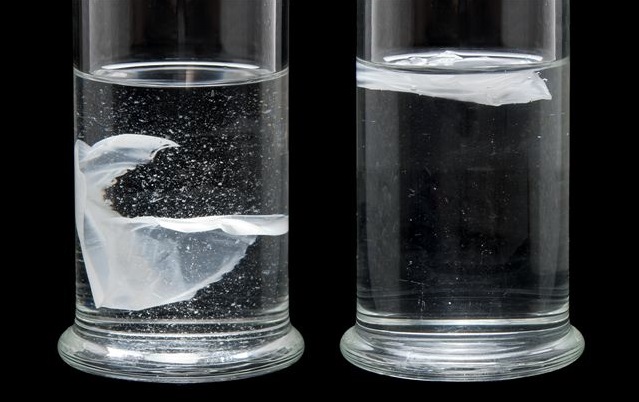
The state of ParafilmTM after only 3 years: particles are visible to the naked eye in the 100% ethanol on the left. The ParafilmTM in the formalin on the right showed a thinning and perforation at its edges. ©The Trustees of the Natural History Museum
Continue reading

Natural History Museums for a World in Harmony with Nature: Now’s the Time!

Written by Henry McGhie, Curating Tomorrow, henrymcghie@curatingtomorrow.co.uk.

Bio: Henry McGhie has a background as an ecologist, museum curator and manager. He set up Curating Tomorrow in 2019 to help empower museums and their partners to contribute to sustainable development agendas, including the Sustainable Developmet Goals (SDGs), climate action, biodiversity conservation, Disaster Risk Reduction and human rights. He is a member of the ICOM Sustainability Working Group, and a Churchill Fellow working on these topics.

This blog post takes in some of the developments over the last couple of years, and sets out some current opportunities for museums with natural history collections to strengthen their contributions to environmental sustainability.

Let’s cast our minds back to 1992, over thirty years ago now, when representatives of all countries agreed to take action in three areas. This was the Rio Earth Summit, which adopted the Convention on Biological Diversity, the Framework Convention on Climate Change (the grandparent of the Paris Agreement) and the Convention to Combat Desertification. It’s entirely possible you may not even have heard of all of these, but don’t worry you’re far from alone. While governments signed onto these agreements, they were broad, framework agreements. It is true that governments were supposed to take the lead in these, and other agreements, but surely sectors – including museums – don’t need to wait to be asked? However, the agreements have just not been turned into action, and that is a fault of governments, but also of the sectors, that could have gained a lot by saying ‘we have something to contribute here’. What I’m proposing isn’t just that museums take up these agreements to look good, sound good, show off, or compete with one another or with other sectors, but to use them as practical tools.

Why? Because connecting with the big picture and international agreements helps museums to:

  • Shape their programmes and activities, to provide people interested in these topics with educational and participatory activities.
  • Put their unique resources to good use in pursuit of positive social and environmental outcomes.
  • Play a significant and distinctive part in an ambitious programme for a better world.
  • Build partnerships and collaborations, with one another and with other sectors, working to shared goals.
  • Create and demonstrate impact, showing that museums and collections are not a nice-to-have, but essential players in securing a future in harmony with nature.
Continue reading

Exploring Materials in Natural History Dioramas

Written by Claire Dean, Curatorial Assistant at Tullie House Museum and Art Gallery, Carlisle, and MA Preventive Conservation student at Northumbria University.

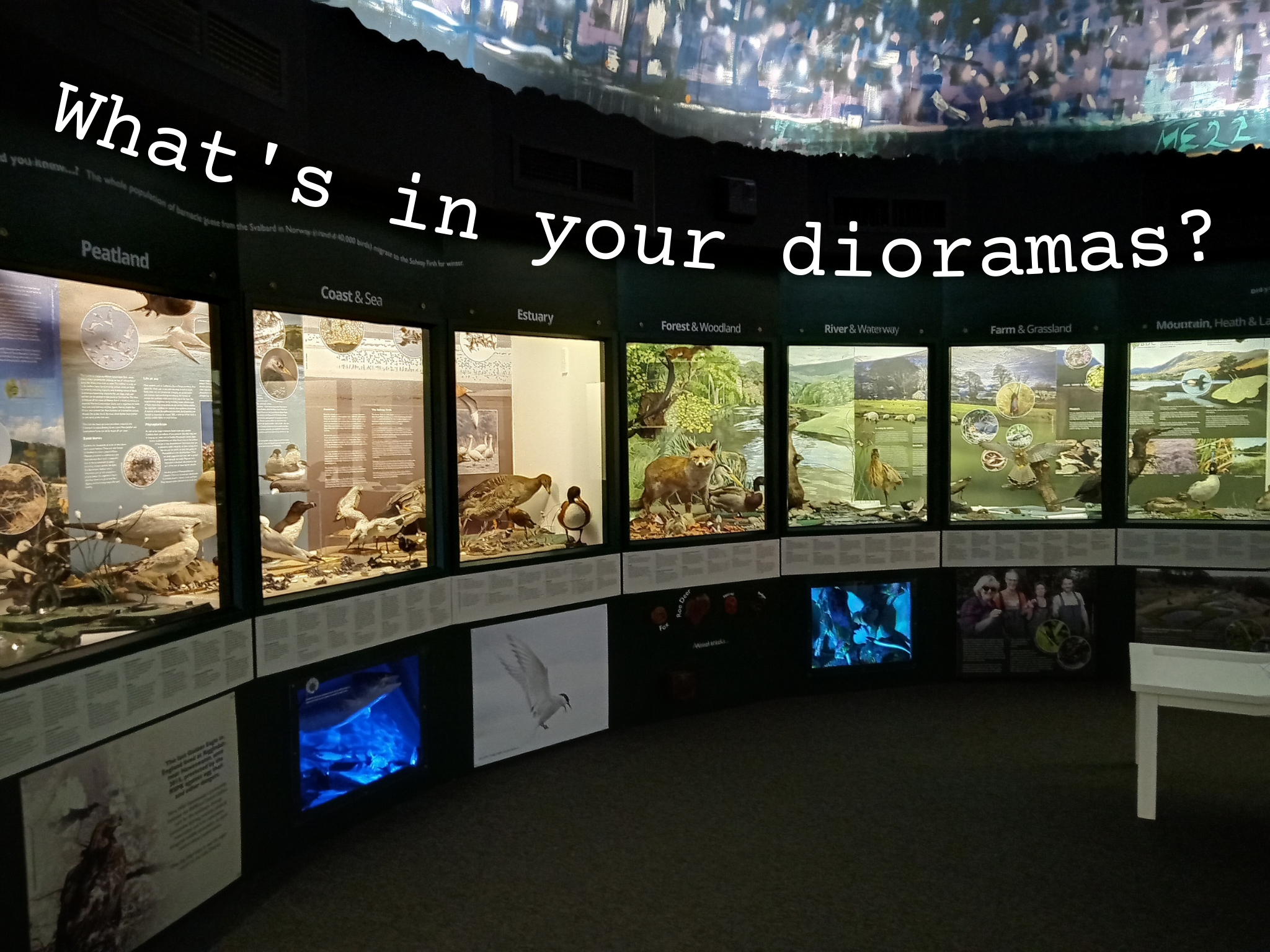
The wildlife dome at Tullie House Museum and Art Gallery
The wildlife dome at Tullie House Museum and Art Gallery Carlisle, C. Dean

In many old dioramas, material mysteries abound. As a Curatorial Assistant at Tullie House, I’ve encountered a tree trunk made from a Robinson’s fruit juice box, a fake roof that contained fibrous signs of asbestos, and a hodgepodge of unidentifiable paints and old plastics. The museum’s new-in-post Biodiversity Curator discovered pests thriving amongst the real vegetation and a 30-year-old slice of bread in a garden scene.

Dioramas aim to create the illusion of real habitats for their taxidermy inhabitants, and they use a huge range of materials to do so. After decades of neglect and destruction there is now wider recognition that habitat dioramas can instil a sense of wonder in visitors that no amount of digital wizardry can replace. Through my dissertation research for an MA in Preventive Conservation at Northumbria University, I wanted to find out more about what materials have been used in dioramas over time, how these might impact the preservation of specimens, and what we can do to better protect the dioramas that remain. I put a call out to ask, ‘What’s in your dioramas?’ through an online survey and received 30 responses from people with experience in a range of different sized institutions and private practice.

Continue reading

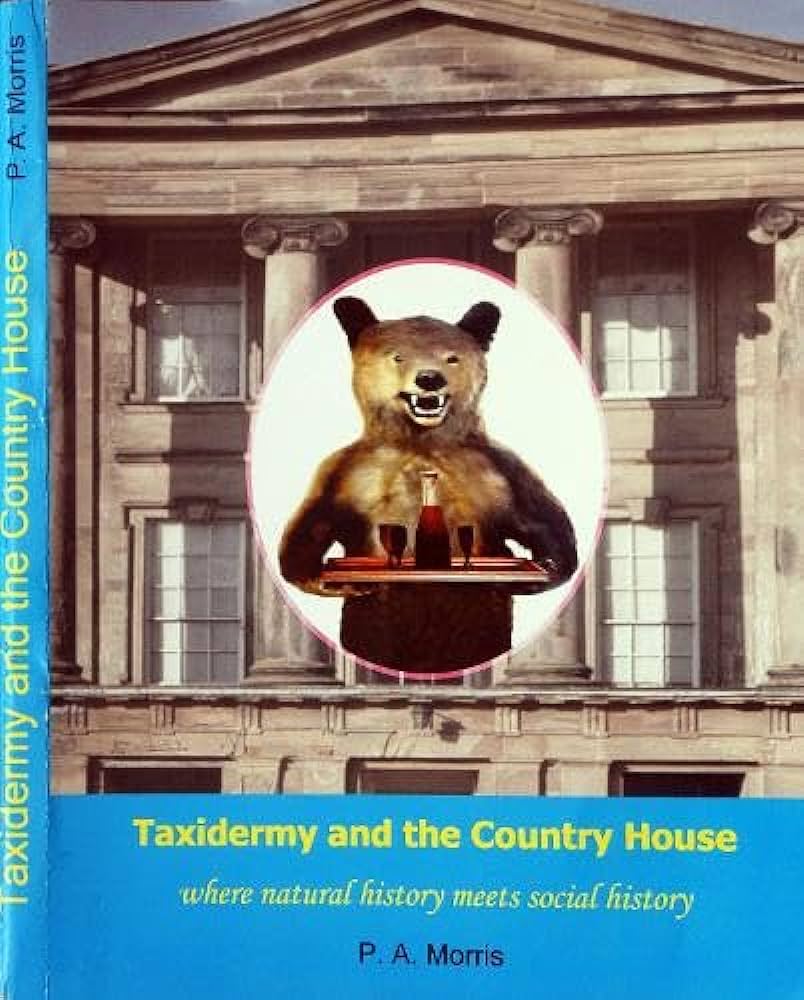
Book Review: A Historical Directory of Taxidermists.

Reviewed and written by Jazmine Miles Long, Taxidermist. https://www.jazminemileslong.com, Twitter: @TaxidermyLondon; Instagram: @Jazmine_miles_long

A Historical Directory of Taxidermists: Bird and Animal stuffers, Naturalists, Beast and Bird Preservers in Southwest England and Wales. Early 19th C to Mid-20th C.

A directory complied by Kelvin Boot
Published by MPM Publishing
2022
ISBN 978-1-7397161-0-3
Contact – kelvinbootbooks@gmail.com

This book is a must have for any researcher exploring the lives and work of taxidermists from Southwest England and Wales during the 19th and 20th Century. 140 pages in black and white including some images of taxidermists trade labels.

The book is a thorough directory of the taxidermists trading in the area at the time, the introduction cites how the directory was researched, exploring printed documents, not only naturalists publications but newspapers, trade directories and census records where taxidermists may have been mentioned or advertised. Exploring what the life of a taxidermist may have been like and how just like today it was the ‘celebrity’ taxidermists that would have been more likely to be written about.

Continue reading