When Art Recreates the Workings of Natural History it can Stimulate Curiosity and Emotion

Natural history is one of the branches of science whose methods and traditions are most often referenced by contemporary artists. A flock of the installations that we find in leading galleries echo, reflect, borrow from and parody the ways that natural history works.

Sometimes these artists pick apart the way that natural history is “done” in museums – Joseph Cornell’s mini display cases; Ruth Marshall’s knitted animal pelts; Tessa Farmer’s “fairies” made from real insect carcasses; Polly Morgan’s modern take on taxidermy and Damien Hirst’s various preserved specimens all invite us to consider the ways that museums represent nature, and the role of museum specimens.

Elsewhere artists point to natural history as a part of our human society, performed in the wild, beyond the walls of museums and universities. For example, Natural Selection by Andy and Peter Holden (currently at The Towner Gallery in Eastbourne until 20th May) tells the story of the people obsessed by the illegal practice of collecting bird eggs.

Work in the museum and in the wild are two central pillars of natural history. One artist who shadows the practices of both is the American artist Mark Dion. His exhibition, Theatre of the Natural World, is showing now at the Whitechapel Gallery in London until 13th May. As a natural historian who works in museums and undertakes fieldwork, I am always interested in art that encourages me to step back and reflect on how my profession actually operates.

Sometimes what it shows me is funny, sometimes it’s sad, and sometimes it’s disturbing. Such art can be a highly effective means of communicating just how absurd some aspects of natural history are. Much of Dion’s work highlights the subjective, peculiar and inconsistent ways that taxonomy operates: it is an entirely human construct intended to place order on the impossibly disordered living world.
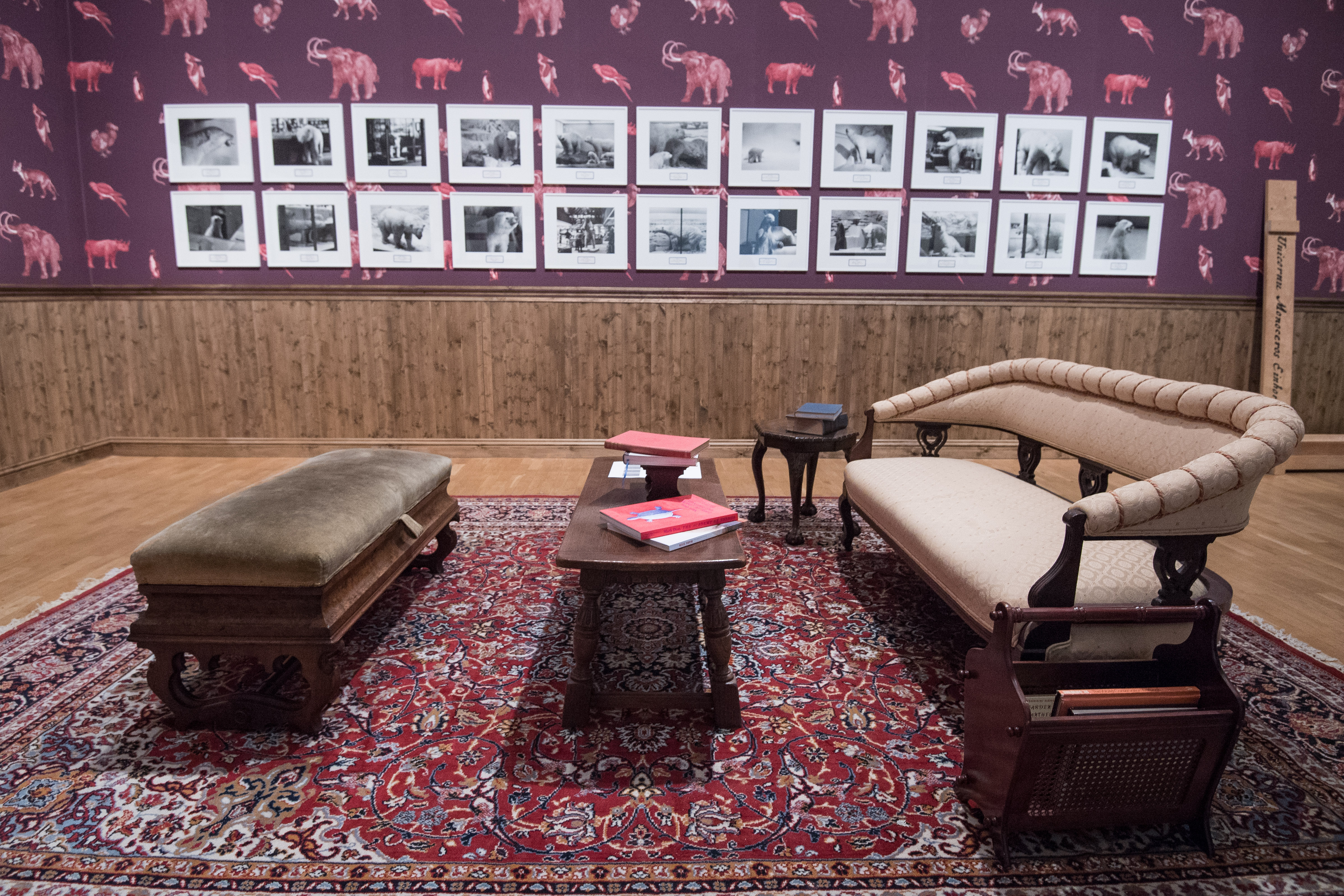
Mark Dion
The Naturalist’s Study, 2018
Installation view of Mark Dion: Theatre of the Natural World at Whitechapel Gallery, London, 2018
Photo: Jeff Spicer/PA Wire

Continue reading

NatSCA Digital Digest – March

What Should I Read?

As part of the International Year of the Reef (that’s this year, in case you hadn’t crossed paths with it yet) the Horniman Museum and Gardens is releasing a series of blogs that showcase and celebrate research taking place around the globe on coral reef conservation. There have been three installments so far, with the latest one here.  FYI- the images in this blog series are STUNNING! The hashtag for Internal Year of the Reef is #IYOR2018.

It’s that wonderful day of the year again when men all over the world realise it’s International Women’s Day and subsequently Google ‘When is International Men’s Day?’. To celebrate the day, the Natural History Museum has published an article- The women watching over London’s natural history collections, to demonstrate the diversity of roles of their wonderful staff, covering 11 fabulous women in conservation, curation, and research.

A new website has been launched in support of museum professionals called Museum Wellness Network; ‘A network for museum professionals to connect over mental health and well being’. As every human on the planet has a state of mental health, anything that aims to improve its quality in others definitely gets my vote. They are also on Twitter should you wish to give them a follow and see what they’re up to.

Continue reading

NatSCA Digital Digest – January

Happy New Year, and welcome to the first Digital Digest of 2018. We have lots of news, conferences, and jobs to keep you entertained for the rest of the ‘working week’. Read on…

What Should I Read?

Palaeontologists have made public the discovery of a new giant bat found in New Zealand, and the media has gone mad for it. Its scientific name (Vulcanops jennyworthyae) was chosen to commemorate the Roman god of fire (specifically including that of volcanoes, making him rather relevant to New Zealand), as well as the hotel in the village in which it was found (also named after Vulcan – that is the Roman god, not Spock’s home planet), and the scientist who found the first fossils; Jenny Worthy.

If you’d like to know all about the Chair of the Geological Curators’ Group, Matthew Parkes, then a perusal of the new blog Six questions for a geological curator would be a good place to start.

The third blog article I’d like to recommend actually came out mid December but it has a lot of interesting points that are important for those working with natural history collections to consider, and so is worth another mention; Four ways natural history museums skew reality.

Continue reading

The Stag and Jackdaw are Clearly Talking to Each Other

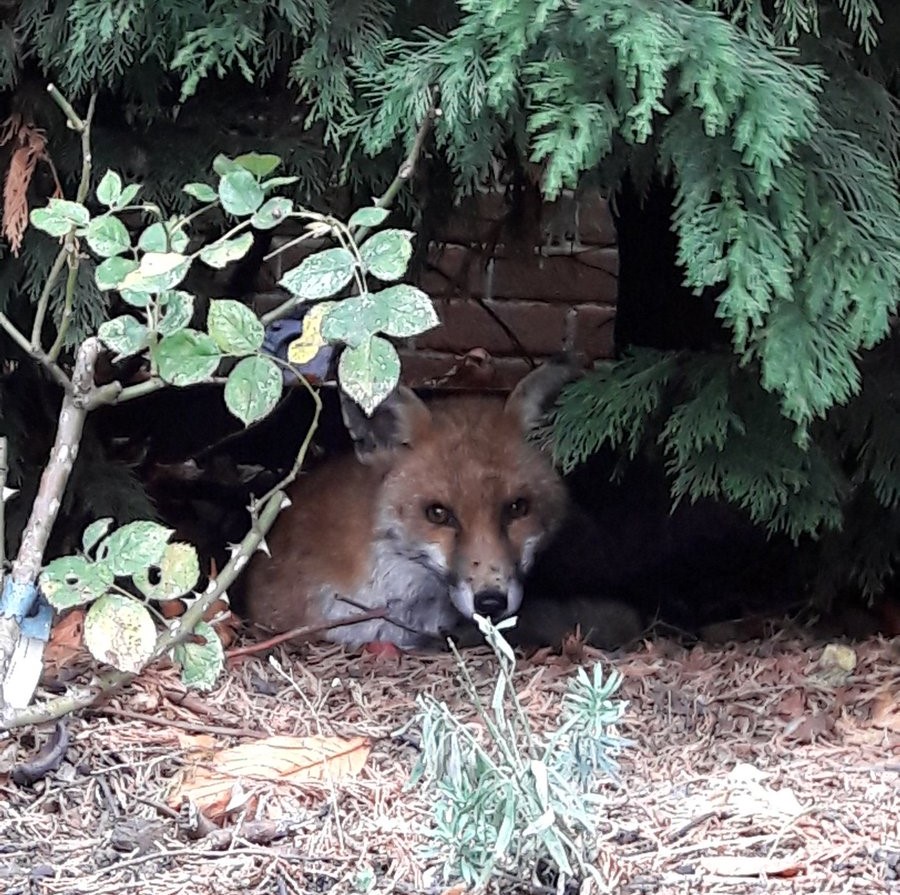
I see urban red foxes quite regularly in London

Although I have lived in England all of my life, I have travelled a great deal and been exceptionally lucky to see some absolutely incredible wildlife, right across the world. With the memories of these exotic beauties in my mind, I think it’s probably natural to feel that Britain is left wanting when it comes to enigmatic fauna.

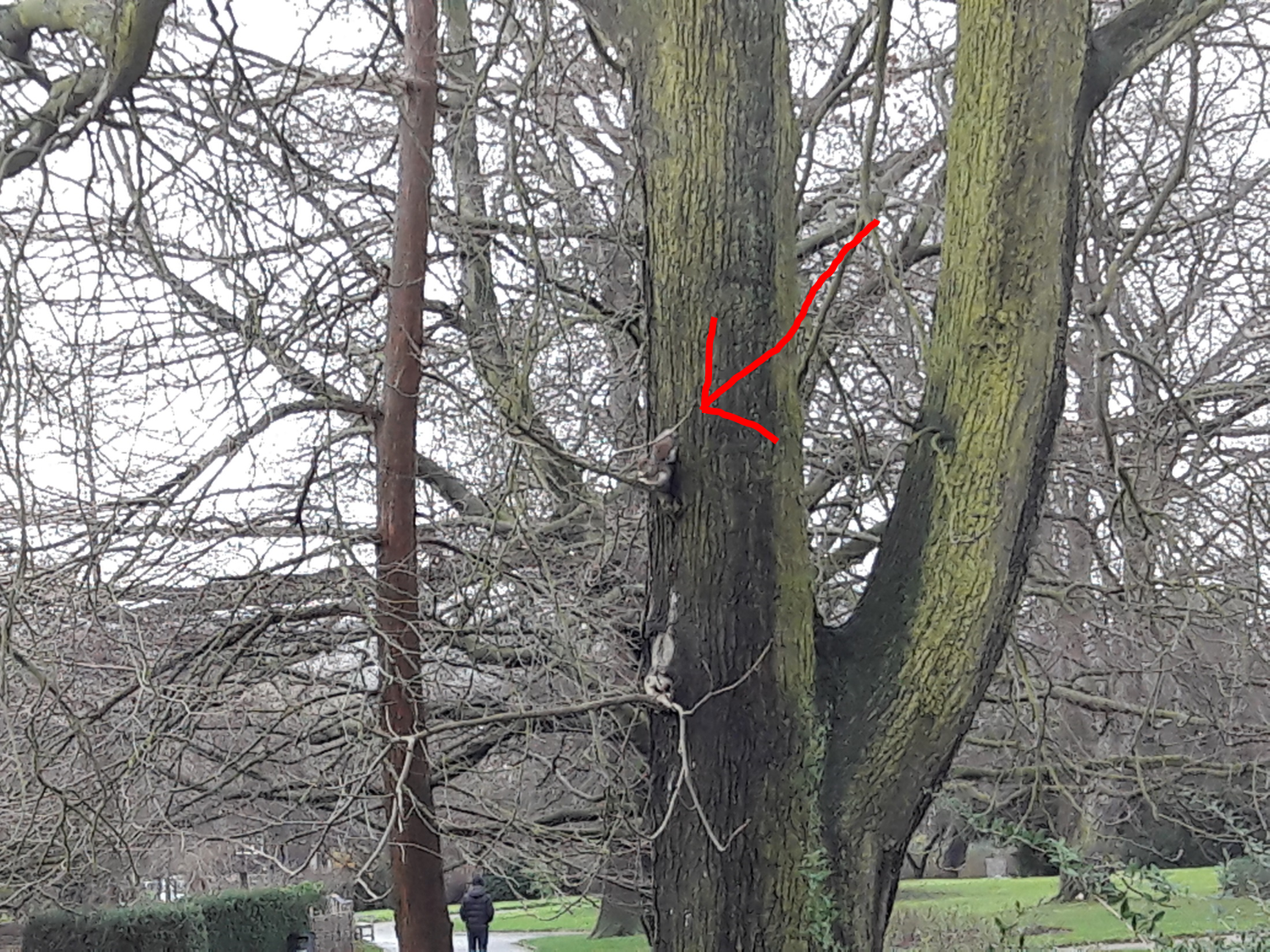
But then again, every so often I come across something that re-minds and re-amazes me just how much diversity we actually have, and how harsh my aforementioned critical analysis probably is. To win the most prestigious accolades for wildlife photography (on my bucket list), I may need a camera slightly better than the frankly awful smartphone I possess (currently sporting a smashed screen, which can’t help), but I don’t necessarily need to leave this little island. The current British Wildlife Photographer Awards prove I wouldn’t even need to leave my garden (if I didn’t live in London and could afford a property that had one). Squirrels are one of my favourite animals in Britain and luckily for me I get to see big fat fluffy grey ones nearly every day (yes yes, they’re not endemic… Doesn’t mean they’re not cute). Check out these epic photography skills, taken THROUGH a window no less:

Probably not going to win an award with this one.

Continue reading

Meet the Committee – Roberto Portela Miguez

What is your role on the NatSCA Committee?

I have been the Secretary for the Society since 2014 and on the committee, since 2011. NatSCA and its membership have contributed significantly to my development as a curator and collection manager, so I am very grateful for the opportunity to serve the society in this capacity now.

Job title and institution

I am the Senior Curator in Charge for the Mammal Section at the Natural History Museum, London.

The Museum collection contains an estimated 500,000 mammal specimens and over 8,000 of those are type specimens. This makes it one of the largest and most comprehensive collections in the world.

Twitter username

@bertieportela

“Fashion is key for fieldwork” says Roberto

Continue reading