Meet the NatSCA Committee – Paul A. Brown

What is your role on the NatSCA Committee?

I am the Archivist, responsible for collecting together the archives from our previous incarnations; The Biology Curators’ Group and The Natural Sciences Conservation Group and more recent NatSCA documents. Most of this sits by my desk. Do any of you membership have anything that could be added?

Job title and institution

Senior Curator, Hemiptera (Sternorrhyncha), Thysanoptera, Phthiraptera, Psocoptera, Collembola, Thysanura, Archaeognatha, Diplura & Protura, Insect Small Orders section, Life Sciences Department, Natural History Museum, London.

Twitter username

I am too old to learn how to have one!
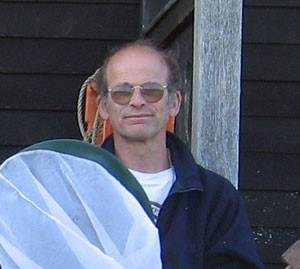
On field work at Scolt Head, Norfolk

On field work at Scolt Head, Norfolk

Tell us about your day job

I am presently responsible for part of the ‘small’ orders listed above. This entails re-curating and data-basing the mostly microscope slide collections and dealing with scientific visitors, loans of material and answering enquiries. I still do some research into the taxonomy of Aphids in particular (see research-gate). Almost 40 years in Museums so according to some, I might know something? If you have problems with microscope slides then who ya gonna call, ‘slide busters?’! Continue reading

NatSCA Digital Digest – April

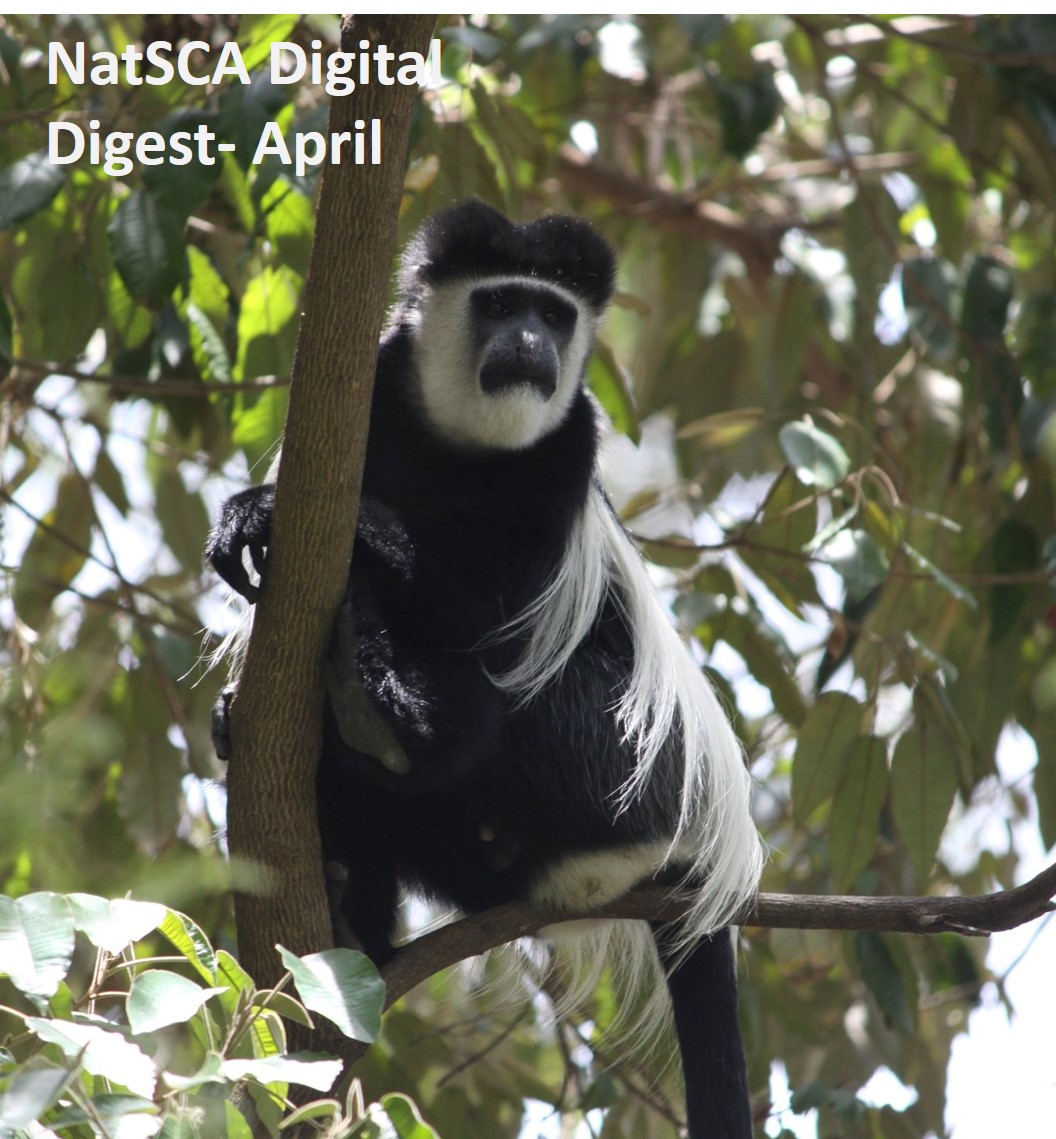
Colobus monkey © E-L Nicholls

What Should I Read?

I came across a very entertaining blog by Lily Nadine Wilks which looks at the frustrations of museum documentation in Mysteries of the Past. She has been working on the Charles Lyell digitisation project at the Oxford University Museum of Natural History.

Having noticed lately that there are more harlequin ladybirds in my house than there are Lego sets*, I was interested to come across A decade of invasion – a story of Harlequin Ladybird in the UK. I can’t believe THAT many ladybirds exist in the UK having only arrived in 2004. They are clearly a prolific species, if only I could teach them to write research papers. Continue reading

Famous Flies – Petiver

Yes. That is the title and this is a blog telling you about some of them. I was tasked with the job of hunting through the thousands of drawers, the hundreds of jars and the millions of slides to find the most famous or most infamous of specimens within the Collection at the Natural History Museum London. I have worked on the fly collection at the museum for over ten years now but still regularly come across hidden gems in the collection. Just in the fly collection, we have approximately 3-4 million specimens (when you see jars swimming with flies you will understand why this estimate has such a large degree of error), that have been collected since the early 17th Century from every geographical region around the world. Some of the collectors are recognisable whilst others are less so but have come to mean so much to us who deal with the collection.

So, let me welcome you to the collection. It is arguably the best fly collection in the world – I admit I may be a little biased but please be patient with me. I get very excited about the flies and forget most of my impartiality. Continue reading

Top Ten Most Read Blogs of 2016

Blogs to shout about (Dakshin, 2013, image in public domain)

Blogs to shout about (Dakshin, 2013, image in public domain)

2016 was a busy year for the NatSCA blog, we published 26 blogs from a super range of authors on an exciting variety of topics. When looking at the analytics of the blog to see what’s popular, it became apparent that people don’t just read what’s current in terms of publication date, they read what’s relevant to them at the time. This means that on top of the 26 blogs published last year, a further 102 blogs dating back to 2012 were also viewed from our archive, in 2016.

Since its inception in August 2012, there have been 182 blogs published on the NatSCA website, and so with such a large number, it’s really interesting to see what grabbed people’s attention, or search engines, the most. Continue reading

Conservation of a Venus Flower Basket

Venus flower basket. (NOAA, 2012, Image in public domain)

Venus flower basket. (NOAA, 2012, Image in public domain)

At The McManus: Dundee’s Art Gallery and Museum, a proposed case re-display was to focus on design. Thus the Art Curator and the Natural Historian got together and produced 13 grubby Venus flower baskets (a type of glass sponge).

As a trained objects conservator I have seen many items come across my desk, however these were a first. Never having seen these deep sea siliceous sponges before, I found them quite fascinating. There are 13 in our collection and at least one of them came from the Challenger Expedition of 1870. The sponges themselves offer a fascinating insight into the first date hotel; a young shrimp couple enter the skeleton of the sponge and mate for life – a jolly good love affair or entrapment? Whichever side you fall on, the actual construction of the sponge is what fascinated the Art Curator. The lattice work formation of the skeleton, which is incredibly strong and functional yet also beautiful, has inspired architects and engineers. Norman Foster’s ‘Gherkin’ building owes a lot to this design of nature. Even David Attenborough listed them in his ‘Attenborough’s Ark’ aired in 2012. Continue reading