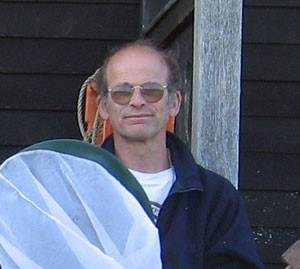
Meet the NatSCA Committee – Lucie Mascord

Meet the NatSCA Committee: Ordinary Member

Name: Lucie Mascord

What is your role on the NatSCA Committee? I am the new Conservation Representative

Job title and institution: Conservator of Natural History, Lancashire Conservation Studios

Twitter username: @LuceGraham

Tell us about your day job: I am a specialist natural history conservator, working for a museums service and my own business. In both, I provide conservation services to the heritage and private sector. This is mainly in the North West – everywhere from Cumbria or to Cheshire, but my work has taken me all over the country which means I get to visit lots of new collections.

My role covers all scope of natural history collections but I specialise in bone, fluid preserved collections and taxidermy. My work is incredibly varied; as well as a conservator I am a preparator – preparing bone, skins, taxidermy and fluid preserved material. I can spend 200 hours plus conserving a single specimen, or carry out a whole collection survey in 72 hours! I also provide training to institutions in natural history collections care.


Visiting the Galerie de Paléontologie et d’anatomie comparée

Natural science collections are very popular with visitors. Why do you think this is?

Overall, I think it is about innate curiosity – the natural world is deeply fascinating and diverse. The reason natural history collections are popular with children is they are still in that stage of uninhibited curiosity.

Continue reading

‘Provocative Practice’: New Ways of Working with Natural Science Collections

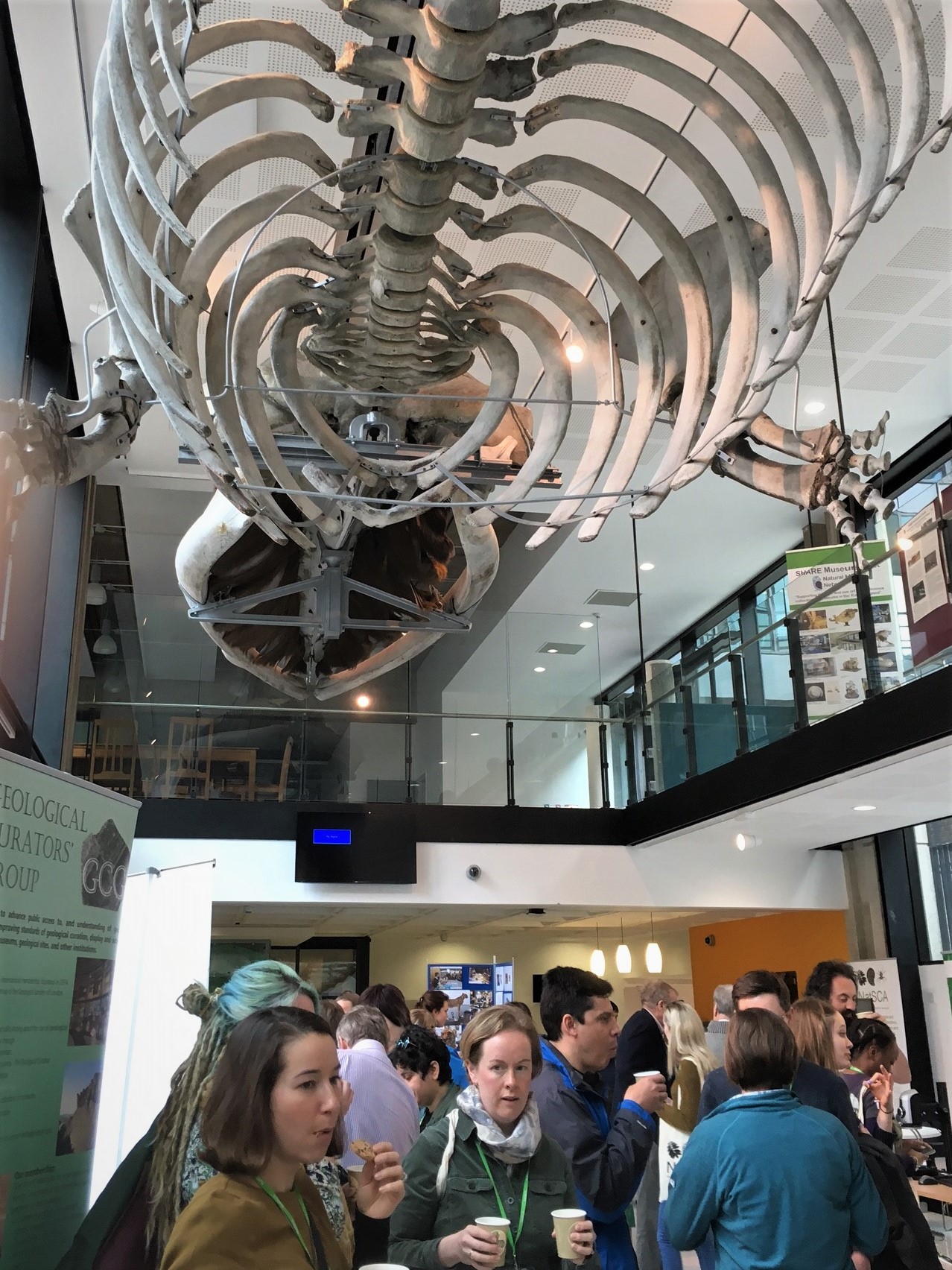
A 70 foot long whale skeleton hangs overhead a fantastic ‘collection’ of natural science curators, collection managers, conservators, and education and museum professionals, busily gathering around and eagerly greeting each other at this year’s annual Natural Sciences Collections Association (NatSCA) conference. As Natural History Museum ‘fly’ specialist Erica McAlister tweeted: “If that fell that’s most of UK’s natural history curators & conservators wiped out”.

NatSCA delegates gathering below the newly hung Fin Whale. Photograph by Simon Jackson, shown thanks to University Museum of Zoology, Cambridge.

This year’s event (#NatSCA2017), at the University Museum of Zoology, Cambridge, had a record 110 delegates, and as such was the biggest NatSCA conference to date. At the heart of the conference was the new Whale Hall, part of an enormous redevelopment project of the David Attenborough Building. As many of us marvelled at the huge leviathan overhead, the rest of us rushed between advertising sponsor stalls, exchanged ideas, caught up with one another and most importantly, fuelled up on coffee!

Feeling inspired, we were ready to begin this year’s talks on the theme: “Evolving Ideas: Provocative New Ways of Working with Collections” as Paolo Viscardi, NatSCA Chair, keenly ushered us in to the main lecture theatre. Continue reading

Meet the NatSCA Committee – Paul A. Brown

What is your role on the NatSCA Committee?

I am the Archivist, responsible for collecting together the archives from our previous incarnations; The Biology Curators’ Group and The Natural Sciences Conservation Group and more recent NatSCA documents. Most of this sits by my desk. Do any of you membership have anything that could be added?

Job title and institution

Senior Curator, Hemiptera (Sternorrhyncha), Thysanoptera, Phthiraptera, Psocoptera, Collembola, Thysanura, Archaeognatha, Diplura & Protura, Insect Small Orders section, Life Sciences Department, Natural History Museum, London.

Twitter username

I am too old to learn how to have one!

On field work at Scolt Head, Norfolk

On field work at Scolt Head, Norfolk

Tell us about your day job

I am presently responsible for part of the ‘small’ orders listed above. This entails re-curating and data-basing the mostly microscope slide collections and dealing with scientific visitors, loans of material and answering enquiries. I still do some research into the taxonomy of Aphids in particular (see research-gate). Almost 40 years in Museums so according to some, I might know something? If you have problems with microscope slides then who ya gonna call, ‘slide busters?’! Continue reading

NatSCA Digital Digest – April

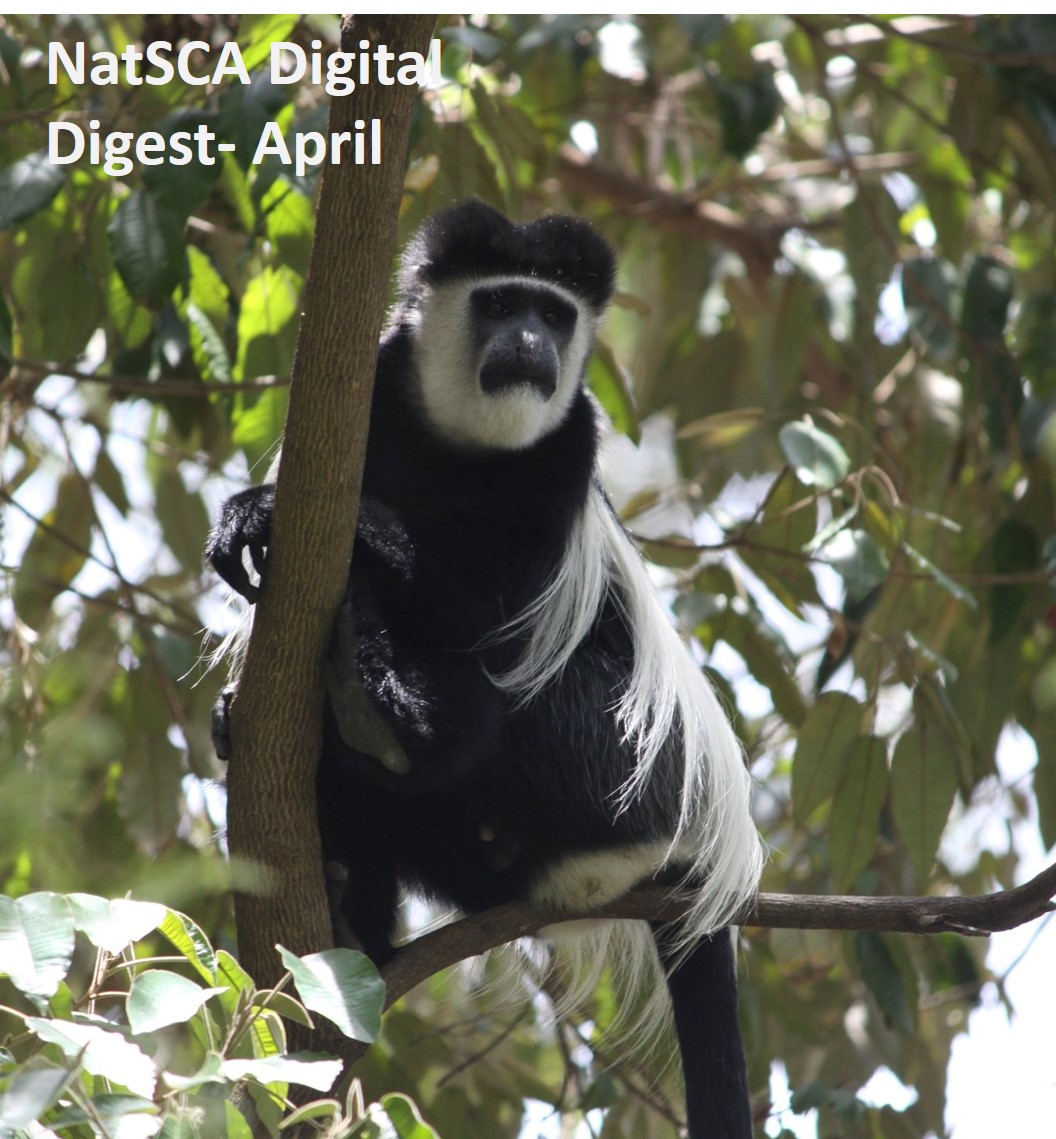
Colobus monkey © E-L Nicholls

What Should I Read?

I came across a very entertaining blog by Lily Nadine Wilks which looks at the frustrations of museum documentation in Mysteries of the Past. She has been working on the Charles Lyell digitisation project at the Oxford University Museum of Natural History.

Having noticed lately that there are more harlequin ladybirds in my house than there are Lego sets*, I was interested to come across A decade of invasion – a story of Harlequin Ladybird in the UK. I can’t believe THAT many ladybirds exist in the UK having only arrived in 2004. They are clearly a prolific species, if only I could teach them to write research papers. Continue reading

Famous Flies – Petiver

Yes. That is the title and this is a blog telling you about some of them. I was tasked with the job of hunting through the thousands of drawers, the hundreds of jars and the millions of slides to find the most famous or most infamous of specimens within the Collection at the Natural History Museum London. I have worked on the fly collection at the museum for over ten years now but still regularly come across hidden gems in the collection. Just in the fly collection, we have approximately 3-4 million specimens (when you see jars swimming with flies you will understand why this estimate has such a large degree of error), that have been collected since the early 17th Century from every geographical region around the world. Some of the collectors are recognisable whilst others are less so but have come to mean so much to us who deal with the collection.

So, let me welcome you to the collection. It is arguably the best fly collection in the world – I admit I may be a little biased but please be patient with me. I get very excited about the flies and forget most of my impartiality. Continue reading