NatSCA Digital Digest – October

Compiled by Dr Emma Nicholls, Deputy Keeper of Natural History at the Horniman Museum and Gardens.
What Should I Read?

You may or may not own/have heard of ‘Dinosaurs, How They Lived and Evolved‘ by Dr Darren Naish and Dr Paul Barrett, but either way the good news is there’s now a literally-just-released-second-edition, which is the most up to date a (printed) book can possibly be really. There is a lot of talk about it already but my tuppence is- I have a copy and it’s brilliant. That description fully extends to the captivating cover art by Bob Nicholls of Paleocreations, featuring a hungry Tianyulong (that’s a dinosaur, in case you weren’t sure).

I came across a charming article about getting children into natural sciences recently called ‘Kids and caterpillars: Fostering a child’s interest in nature by rearing Lepidoptera (moth and butterfly) larvae‘. I’m not suggesting we all go out and start rearing leps, but in an age where human lives are ruled by technology, it’s a beautiful story and heart warming example of an intra-familial cross-generational citizen science project by an Assistant Curator at the Carnegie Museum of Natural History and his son.

Continue reading

NatSCA Digital Digest – September

Lost Treasures- A Statement from the Chair

Dear all,

As most of you will no doubt be aware, the National Museum of Brazil in Rio de Janeiro, suffered a catastrophic fire that started in the evening of 2nd September 2018. Fortunately no people were killed in the blaze, but the majority of the collections housed in the building are thought to be lost. While the cause of the fire is still as yet uncertain, a significant proportion of the blame for the devastation caused has fallen on the Brazilian government, due to ongoing under-investment in the Museum’s infrastructure. This serves as a stark warning of the dangers faced by museums with inadequate support.

Continue reading

NatSCA Conservation Photo Competition

#NatSCAConservation #photocomp

In the run up to the NatSCA Caring for Natural Science Collections one-day conservation conference (Oxford University Museum of Natural History, 17th October 2018) we are running a social media photo competition.

We are looking for your original photographic entries featuring the conservation and collections care of natural history collections particularly those that focus on innovative techniques, modern advances, shared skills and preventative conservation.

We encourage entries from conservators (specialists, generalists and students alike), curators, volunteers, and anyone working with collections. Natural history collections may include bone, taxidermy, fluid preserved collections, geology, palaeontology, shell, botany, entomology, and more.

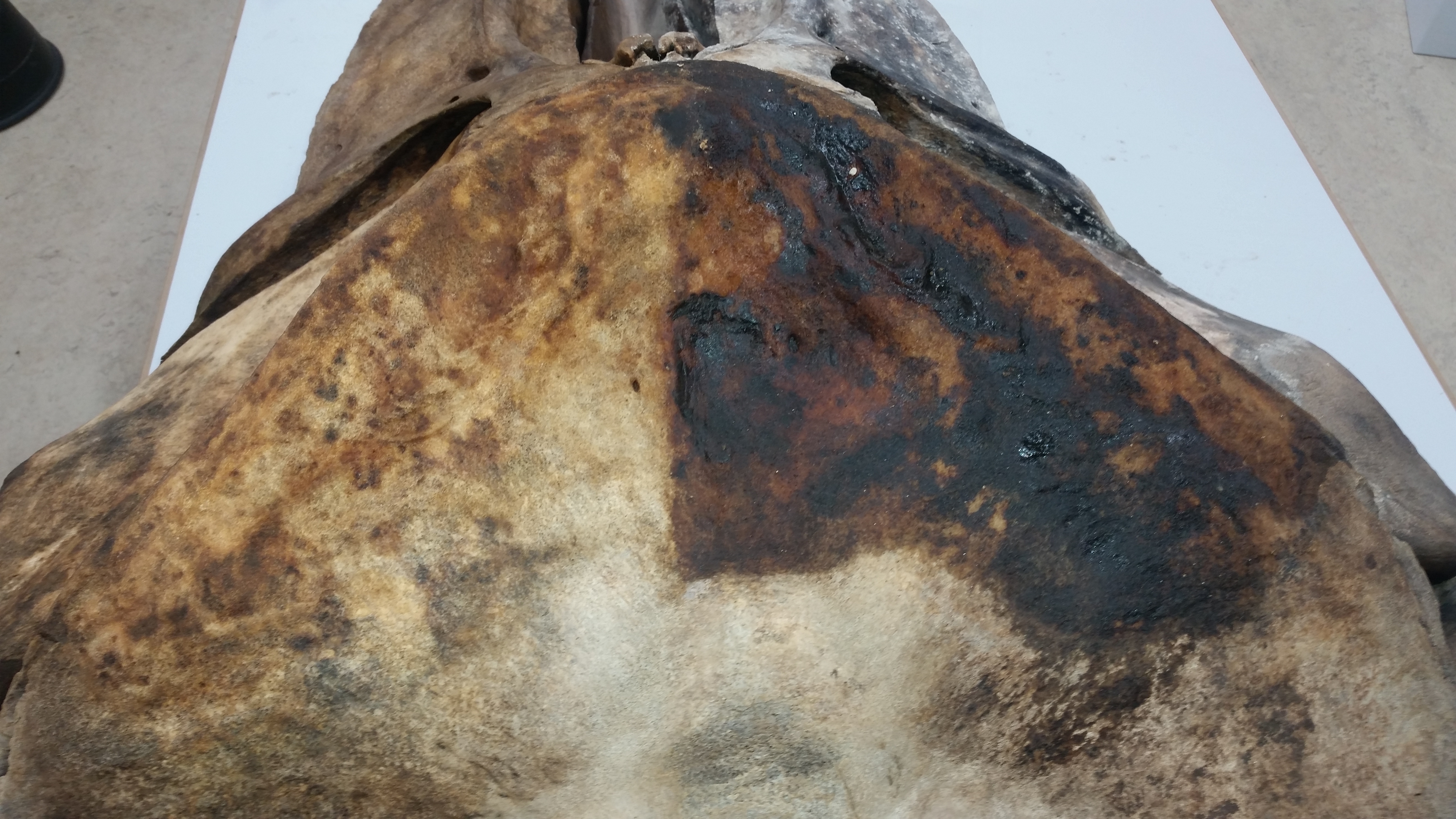
Removing oxidised oils from the surface of a Minke whale skull. ©Lucie Mascord.

Continue reading

Impressions of My First NatSCA Conference

Last April I had the opportunity to attend the NatSCA conference at Leeds City Museum. I have been a member of NatSCA since I came to live in the UK three years ago and finally this year, thanks to one of the NatSCA bursaries, I was able to attend the conference. With more than 70 participants from all over the UK and beyond each day, more than 20 talks, interesting stands showing projects and new technology, good coffee and lunch in a uniquely-shaped hall, the event was very successful.

Over the two-day conference, I met colleagues from work, I recognised familiar faces from previous events and the most exciting part was to meet new people and to hear about the amazing projects and experiences from different experts in the museum environment. We also heard about the benefit of working with communities, schoolchildren, teachers, volunteers, undergraduate students, artists and many other groups.

After thinking carefully about what really impressed me (a difficult job with so many good talks), I would like to highlight the following topics.

Facing Challenges and Thinking Up New Strategies to Engage

The first two talks about the exhibition Dinosaurs of China in Nottingham really impressed me. The project involved extraordinary team work in organising the loans, the trips, the installation of the tallest dinosaur skeleton ever displayed in the UK, and the running of a very successful event with large numbers of visitors. The second talk showed brilliantly the role of theatre to enhance the visitor’s experience and engage the public while also showing a good marketing strategy. Moreover, selecting the artist with the required performance skills was very demanding work.

Continue reading

The Mass Migration of the Cole Museum of Zoology

This article has been reposted from The Mass Migration of the Cole Museum of Zoology blog.

Spreading the word

We’re back!

There has been a lot of progress made in organising the move of our animals, and there will be a series of blog posts here to update you on what we’ve been up to behind the scenes.

In front of the scenes (as it were), some of our invaluable undergraduate volunteers have created and started to roll out an outreach/awareness focused Pop-Up Museum.

The pop-up features specimens (that aren’t part of the official museum collections!) and an information sheet about each species, with members of the public able to pick up and explore them. The volunteers are there to engage in enthusiastic conversation, to educate people about animal life and raise awareness of the Cole Museum itself.

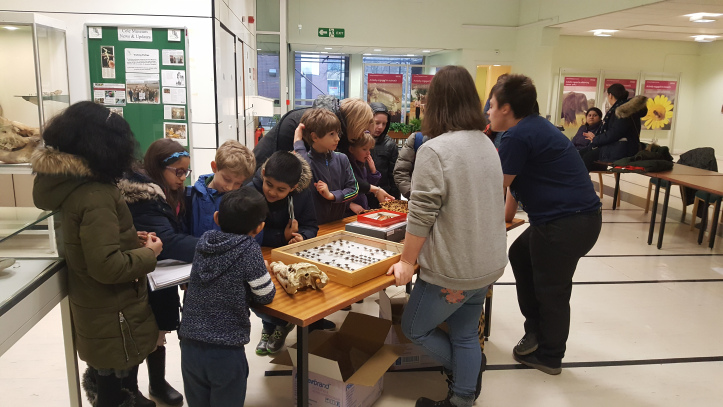
The Featured Image of this post shows Max and Amelia at a local primary school’s summer fair, and below is the huge amount of interest the museum got from young zoologists on its first ever outing:

Max and Amelia at a local primary school’s summer fair. © Cole Museum of Zoology

The beauty of the pop-up museum lies in its portability and flexibility of content; it can include games, sweets and toys for sale if being run in the museum during holidays or at schools but could also include more in-depth specimen information, a more grown-up friendly range of merchandise and quizzes. The whole thing packs into 2 or 3 boxes, and requires only a table to set up.

For the Cole, our pop-up museum encompasses so many things that are really important to us; great undergraduate student experiences, public outreach, inspiring the next generations of zoologists and raising awareness/funds for the Cole Museum and its upcoming move. It’s a win-win-win…win-win…

Written by Meg Cathcart-James, Project Officer at Cole Museum of Zoology