Abel Chapman’s time in southern Africa was only the first of many visits to the continent. His next trip, in 1904, was to a very different place – British East Africa. This was a colonial protectorate roughly equivalent to today’s Republic of Kenya. It had grown out of land leased by the British East Africa Company but was now firmly under British imperial control.
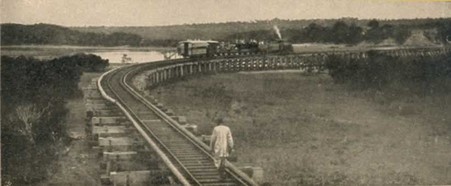
The Uganda railway, a huge feat of engineering, had been completed just three years before Chapman’s visit. This now allowed trains to travel the 800km (500 miles) between Mombasa on the east coast and the African Great Lakes. The British now had the means to extend their influence right across East Africa, disrupting the slave routes and simultaneously opening up the land to the missionaries, settlers, tourists and game hunters that were now pouring in. It was in this rapidly changing environment that Chapman strove to find the longed for wilderness that had eluded him in Transvaal, and test his skills as a sportsman, before that land too vanished under the settler’s plough.
Welcome to the June edition of NatSCA Digital Digest.
A monthly blog series featuring the latest on where to go, what to see and do in the natural history sector including jobs, exhibitions, conferences and training opportunities. We are really keen to hear more about museum re-openings, exhibition launches, virtual conferences and webinars, and new and interesting online content. If you have any top tips and recommendations for our next Digest please drop an email to blog@natsca.org.
The Science Museum invites you to a climate talk: How are our oceans responding to climate change? It is a free online event from 19:30 – 20:45 and you can book your place here.
The European Association of Vertebrate Palaeontologists (EAVP) will be having their 18th Conference (online) starting July 6th to 9th – more information about the event can be found here.
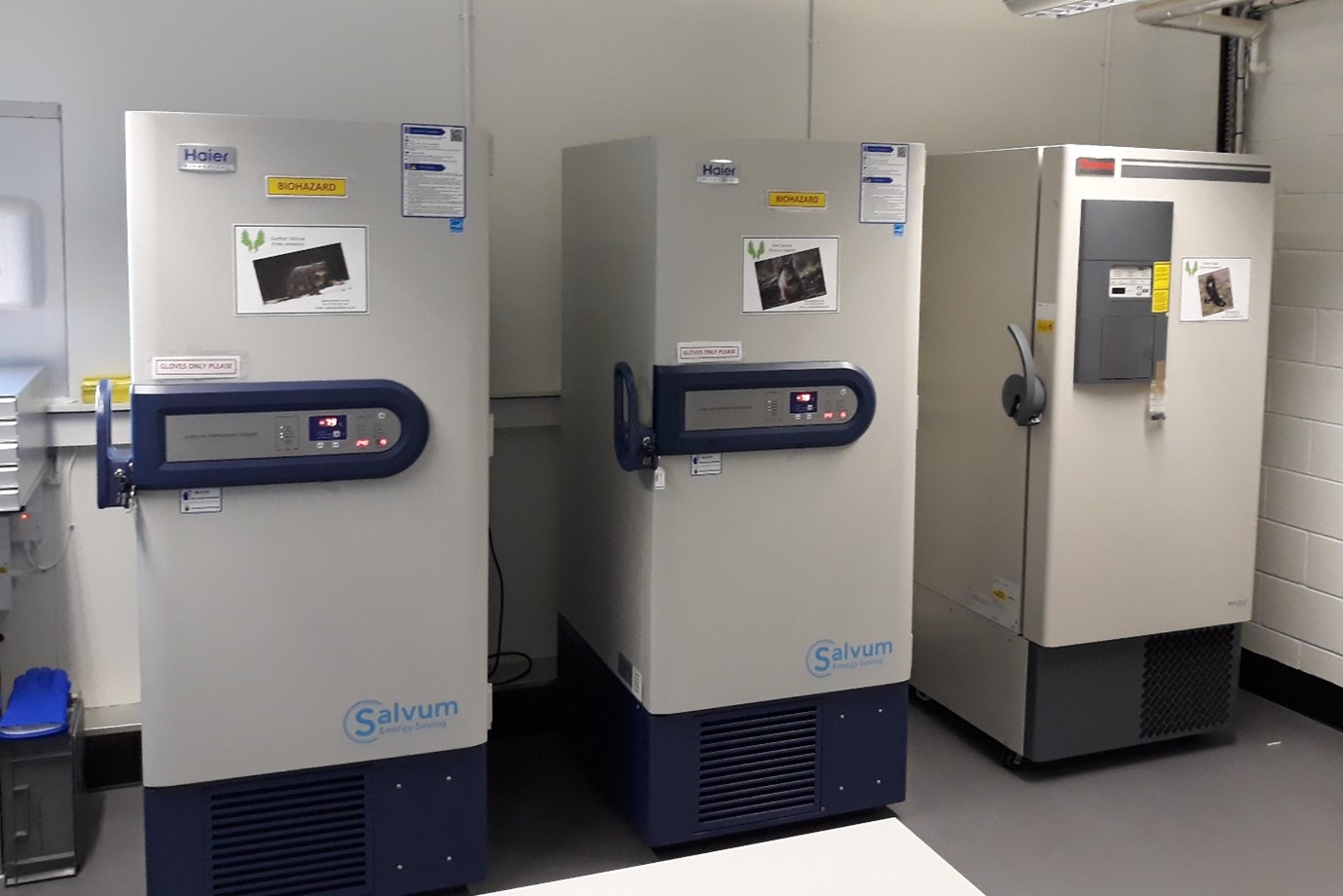
Biobanks may sound a bit dull when compared to shelves teeming with boxes filled with fascinating skeletons, or cabinets stuffed with colourful skins, beautiful eggs or pinned insects. Serried ranks of anonymous freezers, enhanced with the odd fridge magnet, could make your heart sink, but peep inside the biobanks’ databases and you will see an amazing array of biodiversity.
At National Museums Scotland we host one of the main hubs of the CryoArks Biobank initiative alongside our partners at the Royal Zoological Society of Scotland, who also host a hub of the European Association of Zoos and Aquaria Biobank, and the Natural History Museum in London. CryoArks is a project led by Professor Mike Bruford of Cardiff University and funded by the Biotechnology and Biological Sciences Research Council to establish zoological biobanking in the UK. As well as the -80o freezer infrastructure to store the tissue samples long term, CryoArks is developing an online database that will allow researchers to find out what genetic resources are available in the CryoArks Biobank hubs and in member institutions. With the advent of the Nagoya Protocol on Access and Benefits Sharing in 2014, access to genetic samples from species from range countries is more challenging. Therefore, it is vital that we make the best use of the samples already available in the UK and make these freely available to support research, much of which may benefit the conservation of endangered species worldwide.
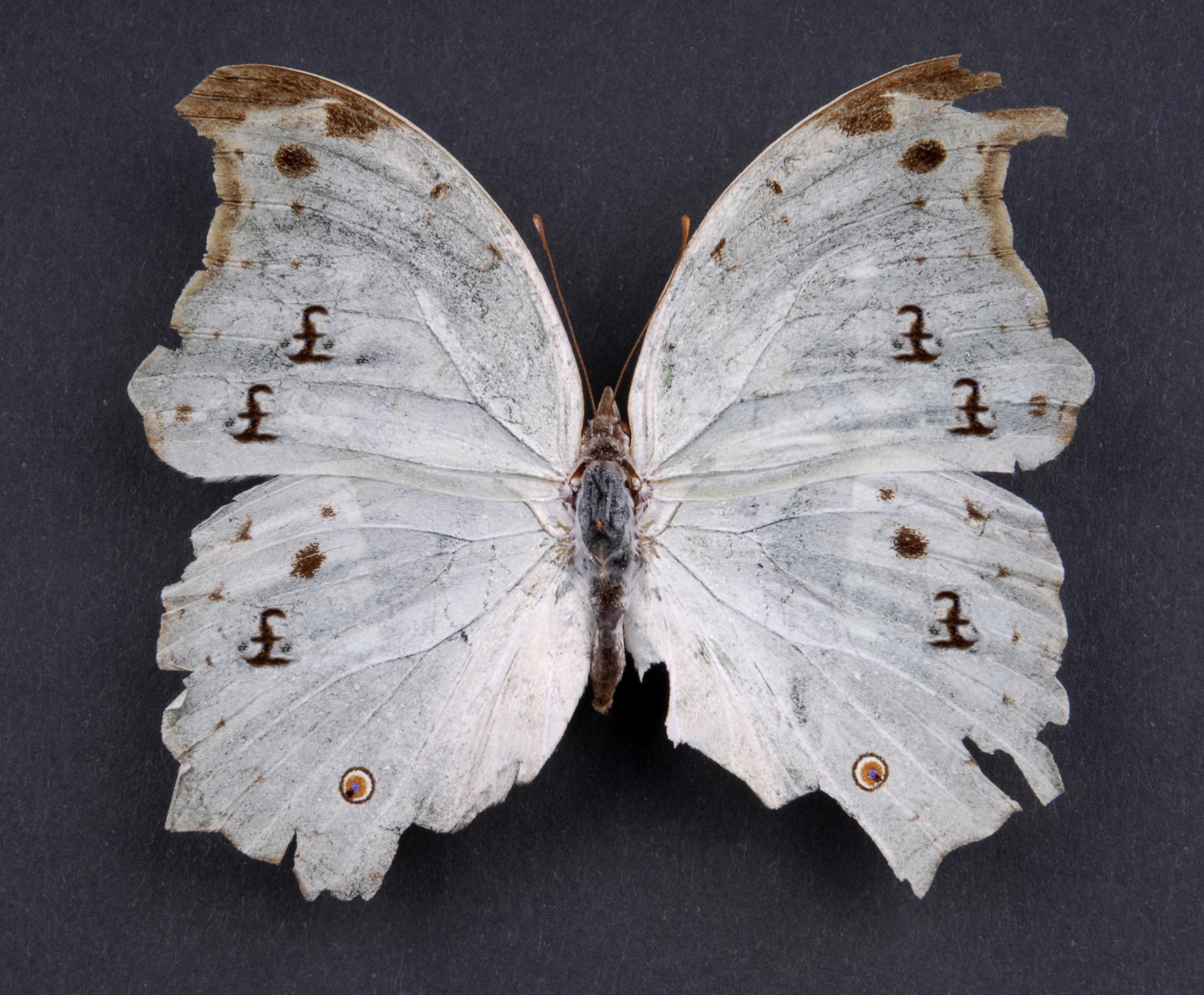
Money, it doesn’t need an introduction or any commentary on how hard it is to do anything without it. However, I will say that trying to get hold of it for natural science collections is not impossible and definitely worth pursuing. At Leeds, despite not having a fundraiser on staff, we’ve had quite a few >£100,000 natural science collection grant applications succeed (and fail) over the past few years and I would encourage everyone to put ‘try and get some grant money’ into their work plan.
Looking for who will fund you is half the battle. There are paid-for databases out there (Grantfinder, Grants Online, Funds Online etc.) and free ones (Get Grants, Government Funding Database etc.). I’m not endorsing any of these but they can be helpful if you want an idea of who might fund your project. Be wary of eligibility though, as part of a local authority, Leeds Museums and Galleries are not allowed to apply for loads of grants. Sob.
In the summer of 2019, Sarah Briggs of the UK Museums Association spoke at NatSCA’s conference in Dublin about the lack of applications the Esmee Fairbairn Collections Fund receives from natural science collections. She would like to see more and the board seem keen on projects that look to help the environment.
The John Ellerman Foundation has a good background story. Ellerman was the son of the richest person in England at the beginning of the 20th century. He could have gone into business but instead decided to concentrate on collecting rodents.
Your local area charities/friends group/learned society might well offer a grant scheme and so it’s worth asking around and making local connections.
Last, but not least, NatSCA offer yearly grants to natural science collections through the Bill Pettit Memorial Fund scheme. You can apply for anything – not just conservation or collections management work.
Welcome to the May edition of NatSCA Digital Digest.
A monthly blog series featuring the latest on where to go, what to see and do in the natural history sector including jobs, exhibitions, conferences and training opportunities. We are really keen to hear more about museum re-openings, exhibition launches, virtual conferences and webinars, and new and interesting online content. If you have any top tips and recommendations for our next Digest please drop an email to blog@natsca.org.
The NatSCA 2021 conference and AGM will take place on 27th and 28th May, online via Zoom. 9.50am-4pm BST (UTC +1). The #NatSCA2021 conference will explore the role of natural science collections in addressing or engaging with one of the planet’s biggest issues – environmental breakdown; as well as sharing other exciting developments from the sector.
The conference will include an engaging range of keynotes, presentations, panel discussions, quick-fire ideas lightning talks and virtual tours.
Tickets are now available, and all are welcome. This event is free for NatSCA members. Of course, new members are welcome, and Personal Membership costs £20 per year (which is the same as the conference registration fee for non-members). You can join up here: http://www.natsca.org/membership NatSCA has also made a small number of free tickets available for unwaged non-members who might not otherwise be able to attend.






 NatSCA