A Stable Future – Research into the Stability of Materials used in Taxidermy Manufacture.

Written by Jazmine Miles Long – Taxidermist & Bethany Palumbo – Head of Conservation, Natural History Museum Denmark.

Taxidermy collections are crucial for our understanding of biodiversity, evolution, population genetics and climate change. They form a large part of natural science collections and their long-term preservation is essential. Historically, taxidermy was created using natural, durable materials such as wood, plant fibres, wax, clay and glass with examples dating back to the 16th century. However, over the past 50 years, taxidermists have increasingly adopted synthetic and plastic-based materials due to their ease of application, lower cost, and effectiveness in creating realistic specimens. One such example is polyurethane, a very widely used material to build the form that goes under the taxidermy skin. Although polyurethane has been extensively tested (albeit not specifically for taxidermy), it has already been shown to be unstable and unsuitable for long-term use. Awareness of stable, durable materials is not widespread within the taxidermy community. As a result, many modern museum taxidermy pieces are made with untested and potentially unstable materials.

Continue reading
Creating a New Diorama at the Booth Museum of Natural History

Editors note: This is the second of two concurrent blogs about the new diorama at the Booth Museum. Click here to read the first and find out more about how the diorama was created.

Written by Su Hepburn, Head of Learning & Engagement, Brighton & Hove Museums.

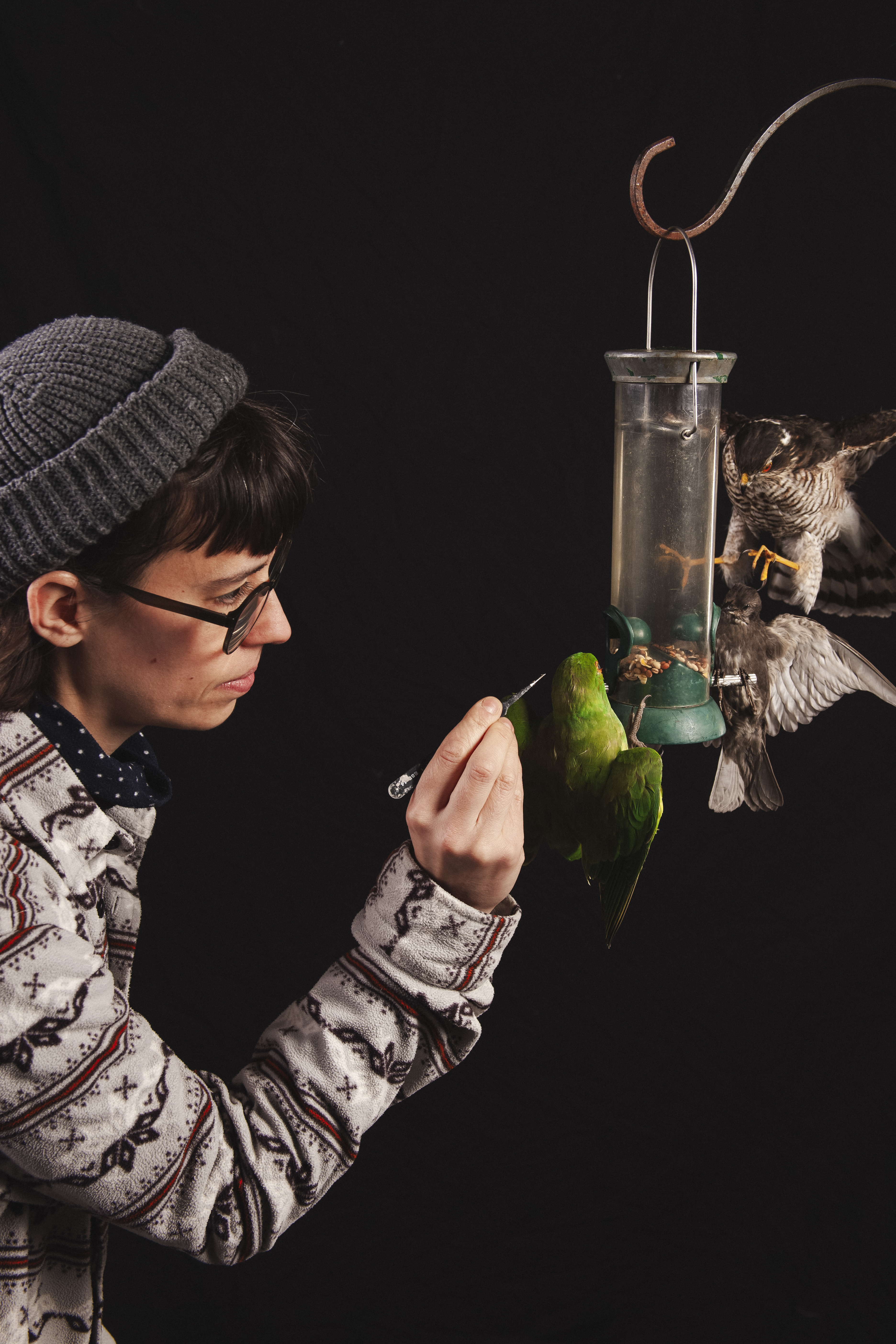
Jazmine Miles-Long, Taxidermist © Laurence Dean Photography

Why a new diorama?

In the autumn of 2022, we started our ‘Discover our Dioramas’ project at the Booth Museum of Natural History, part of Brighton & Hove Museums. Funded by an Esmée Fairbairn Collections Fund of £50,000 we set about building the first natural history diorama at the museum in 92 years. This was a significant project for a museum whose Victorian creator Edward Booth had lined every wall with dioramas of birds. Dioramas are an ideal way of storytelling. They are visual and can get a lot of key information to audiences without the need for words.

Alongside this we were also given £3000 from Rampion Windfarms to research and display more information about people especially women involved in the museum’s history. 

These projects gave us the time and space to be playful and to make friends. To impact on our audiences, our staff, our collections, and our future practices. It has brought joy to the museum, visitor and staff alike. 

Continue reading

Creating a New Diorama for The Booth Museum of Natural History – Taxidermy, Silk flowers and Wax Slugs.

Editors note: This is the first of two concurrent blogs about the new diorama at the Booth Museum, you can read the second one here.

Written by Jazmine Miles Long, Taxidermist. https://www.jazminemileslong.com, Twitter: @TaxidermyLondon; Instagram: @Jazmine_miles_long

The Booth Museum of Natural History was founded in 1874 by naturalist and collector, Edward Thomas Booth. Mr Booth collected a huge variety of British birds and was a pioneer of the taxidermy ‘diorama’, displaying birds in their natural habitat. His collection of over 300 detailed cases were donated to the city of Brighton in 1891 with the proviso the dioramas would not be changed. In 1971 the Booth became a Museum of Natural History. Today alongside the dioramas the museum has a huge collection of 525,000 insects, 50,000 minerals and rocks, 30,000 plants and 5,000 microscopic slides.

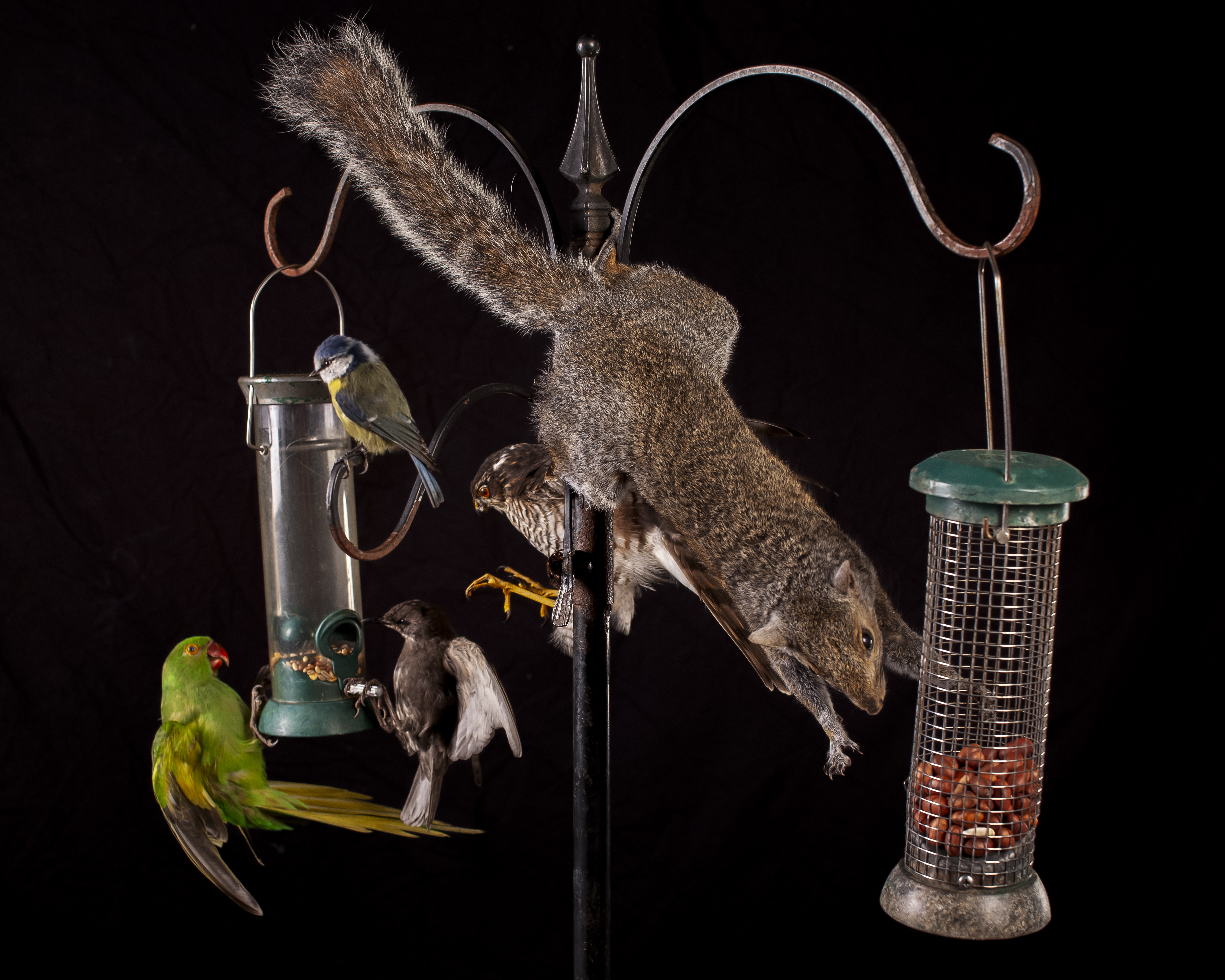
Life in the Garden. Image credit: Laurence Dean.
Continue reading

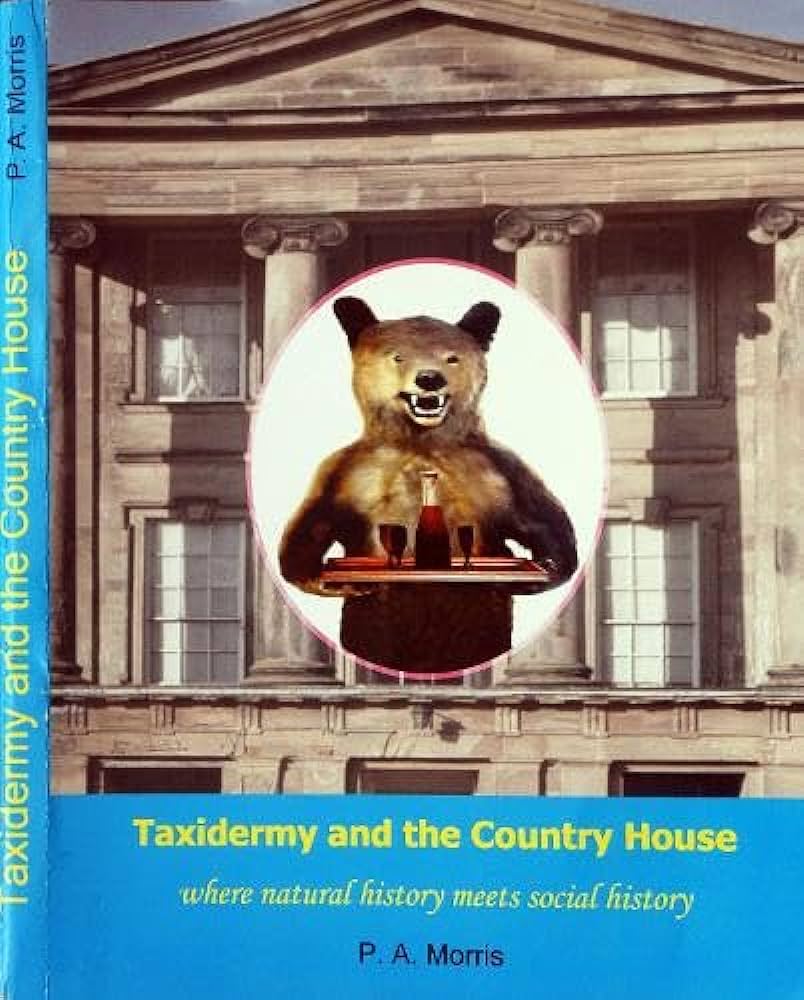
Taxidermy and the Country House: Where Natural History Meets Social History – a review 

Written by Jack Ashby, Assistant Director of the University Museum of Zoology, Cambridge.

Pat Morris is the authority on the history of British taxidermy, and there is arguably no-one better to write an exploration of the specific context of taxidermy collected for and displayed in private country houses. Although their materiality is identical, by their nature, these collections are often conceptually very different – the antithesis, even – to those in public museum. These differences are not the focus of the book, nonetheless this perspective offers great potential to help us consider more roundly the story of taxidermy and those that made and collected it.

The similarities museum and country house collections do share include their origin-stories, and of course the practicalities of preserving specimens. Like museums, these private collections trace their histories back to cabinets of curiosities. Preservability was fundamental to what could be kept, and Morris begins by explaining that early cabinets of curiosities in country houses were mainly items that required no preservation – dry materials like shells and bone. The only skins that were widely kept were those that could be simply dried without being prone to insect attack, which is why durable specimens like taxidermy crocodiles, hollowed-out armadillos and inflated pufferfish were commonplace in these early collections, rather than the birds and mammals which later became the norm.

Continue reading