Wild About Portsmouth – Discovering and Uncovering a Little Known Natural History Collection

Written by Christine Taylor, Curator of Natural History, Portsmouth Museums

Wild about Portsmouth is a two-year Heritage Lottery Funded project to share and raise the profile of the city’s natural history collections.  In addition to enabling visitors to get more hands on with the collections through events and activities, work is being carried out to make them more accessible for museum staff and researchers.

Challenges

The collections are held at three sites across the city and housed in environmentally controlled stores with many specimens held in archival quality boxes. However, the absence of a natural history curator for over 10 years has led to a series of challenges with accessing them:

Little Knowledge of Collections

Apart from the sizeable and substantial HLF Guermonprez Collection transferred from Bognor Regis Museum in the 1970s, very little was known about the collectors associated with the remainder of the natural history collections. In-depth knowledge of the HLF Guermonprez Collection has also been lost over time, although it is occasionally cited in publications by Sussex naturalists.

Continue reading

NatSCA Digital Digest – July

Compiled by Jan Freedman, Curator of Natural History, Plymouth Museums Galleries Archives.

Welcome to the July edition of NatSCA Digital Digest.

Where Should I Go?

Dippy is in Newcastle over the summer, so if you haven’t seen this iconic cast, pop on over!

A nice exhibition is on at the Cambridge University Museum of Zoology, Evolution as Inspiration. A mixture of artworks and natural history specimens look at how animals have evolved visual cues.

What Should I Read?

There’s a new book coming out on Britain’s lost ice age giants. The Missing Lynx: The Past and Future of Britain’s lost mammals is out on 11th July. Written by the co-creator of Twilight Beasts, this book explores the history of some of our amazing large mammals that once roamed Britain. Rewilding, ancient DNA, cave fossils and more – it’s a fabulous book (I’ve had a sneak peak!). And well worth one for the reading list!

Six North Atlantic Right Whales have been found dead in the last 3 months. With just 400 individuals left in the world, this species is highly threatened. In museums we are in a unique position to help highlight species at risk, so if you have any North Atlantic Right Whale specimens on display, lets update our labels! Read about it here.

Continue reading

Beauty in the Eye of the Turtle Holder

Written by Becky Desjardins, Senior Preparator, Naturalis Biodiversity Center

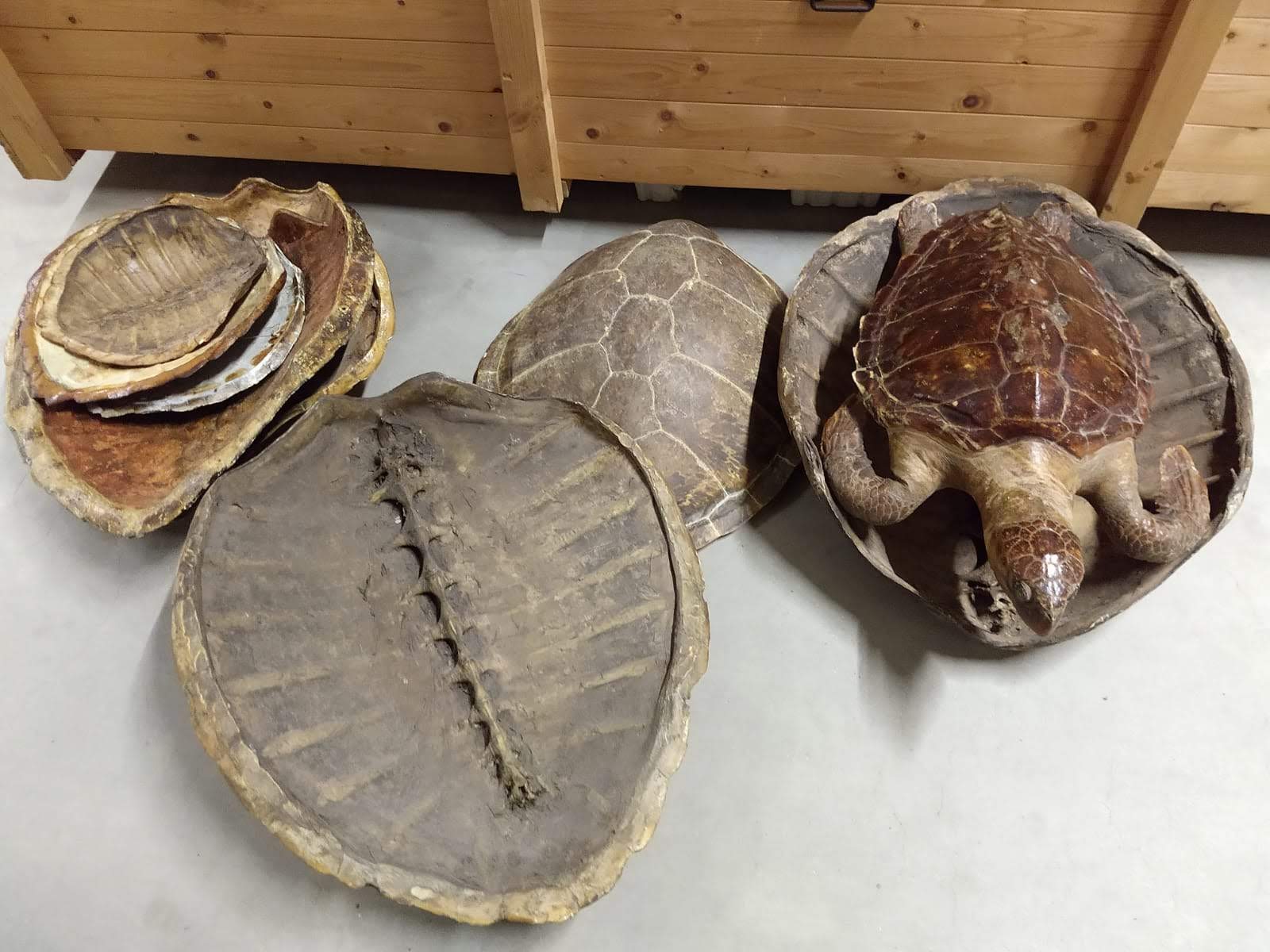
Recently, we were cleaning up some mounted turtles and turtle shells destined to go in the new Live Science Hall. All of these came from Amsterdam Schipol airport, where they had been confiscated by customs agents.

© Becky Desjardins

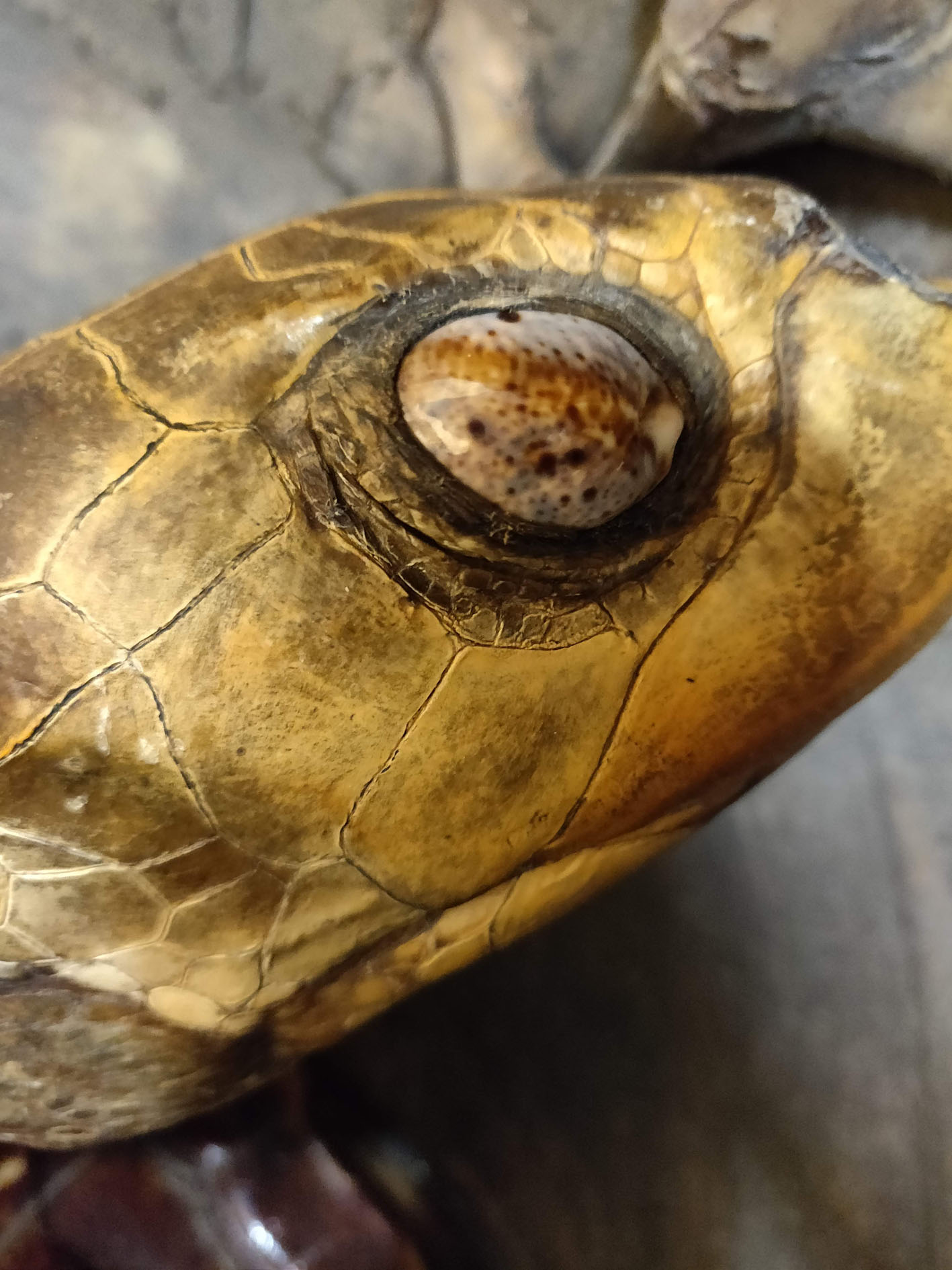
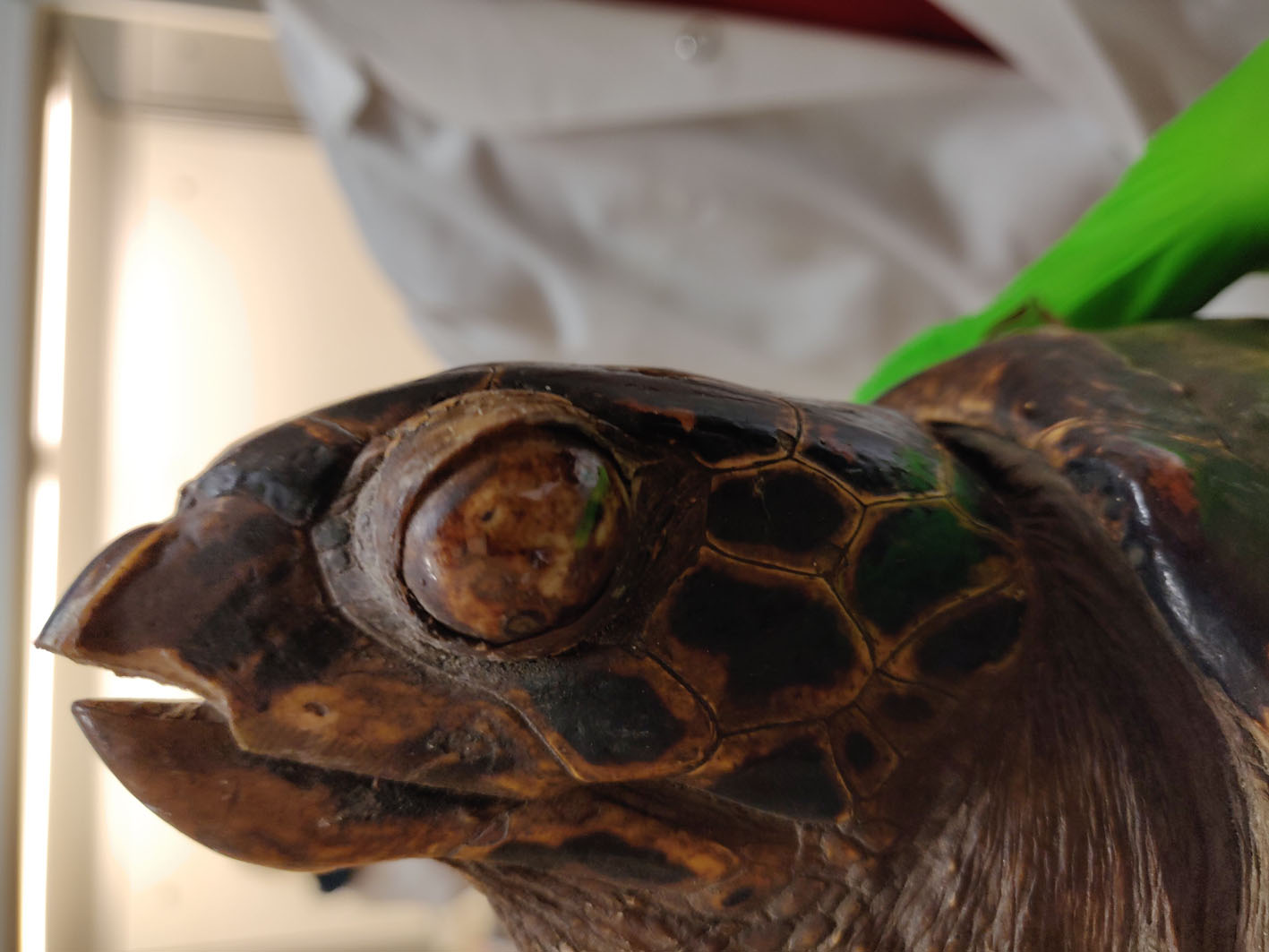
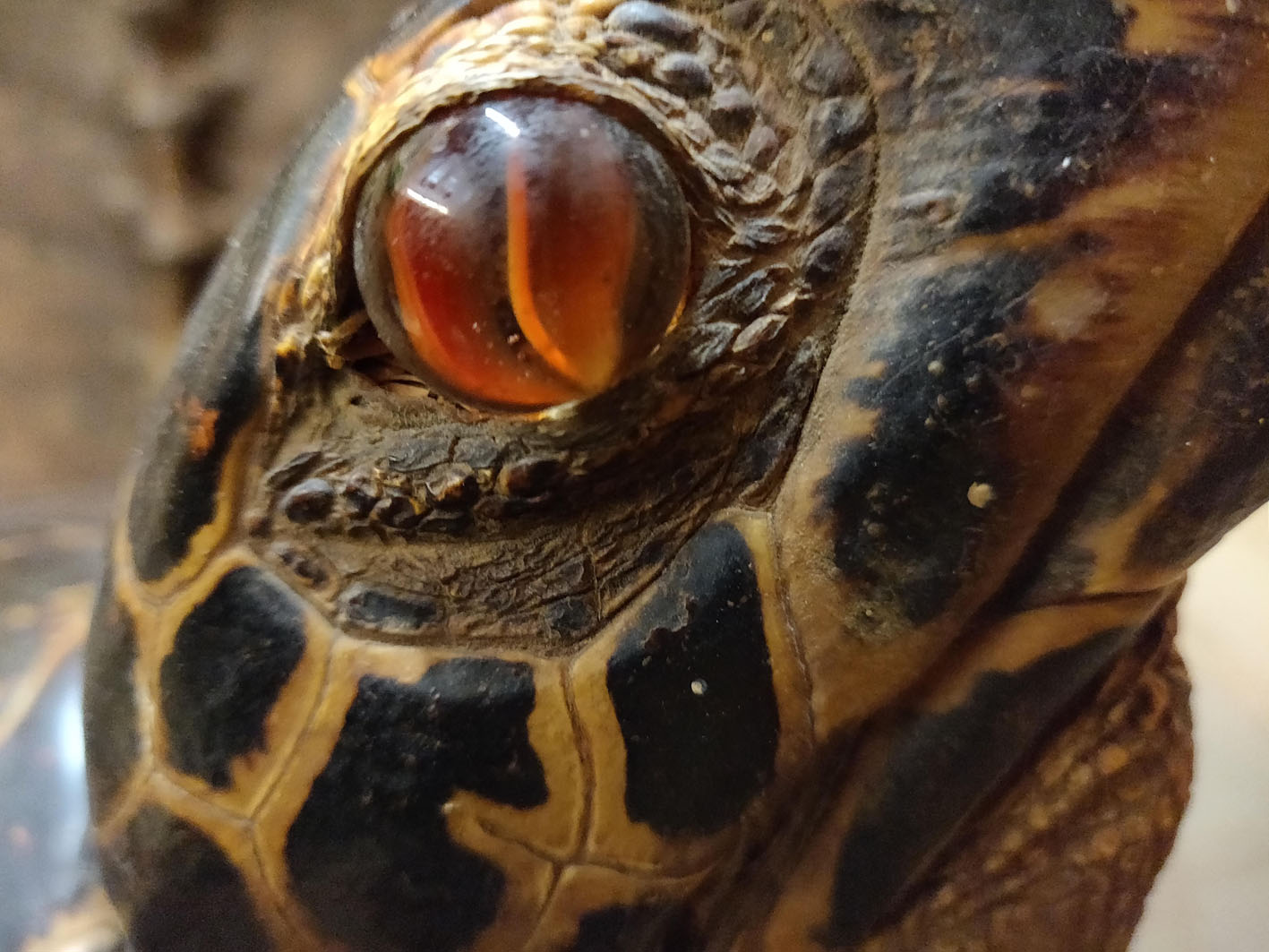
When taking a closer look at these animals we noticed that none of these specimens had the normal glass eyes used in taxidermy. Instead they were made of other materials less commonly used for mounting animals.

Quite a few of the turtles had eyes made from shells. Some appear to be cowrie, but we could not identify them all, and a few other shells were painted black making them impossible to identify.

© Becky Desjardins

© Becky Desjardins

Then we came across one turtle with a glass eyes made from a marble. Funnily enough, they used a “cat’s eye” marble and the coloured core actually made the eye look quite lifelike.

© Becky Desjardins

Continue reading

NatSCA Digital Digest – June

Compiled by Sam Barnett, NatSCA Volunteer and PubSci Committee Member.

Welcome one and all to the June 2019 edition of the Digest.

What should I read?

New experiments in flight design don’t crop up every day – which is why the discovery of Yi qi, the creature that looked like a bird had tried to imitate a bat and an aye-aye at the same time, was so surprising. The problem was that the remains were so scrappy it left a lot of interpretation as to how that membrane of skin fit around its wing (see image from the paper for a couple of proposals). Thankfully that picture is getting clearer due to the discovery of a second member of the family: named Ambopteryx, this little beauty helps fill the gaps in our understanding. You can read more about Ambopteryx in the Nature paper or over at The Atlantic for the lowdown by Ed Yong.

Continue reading

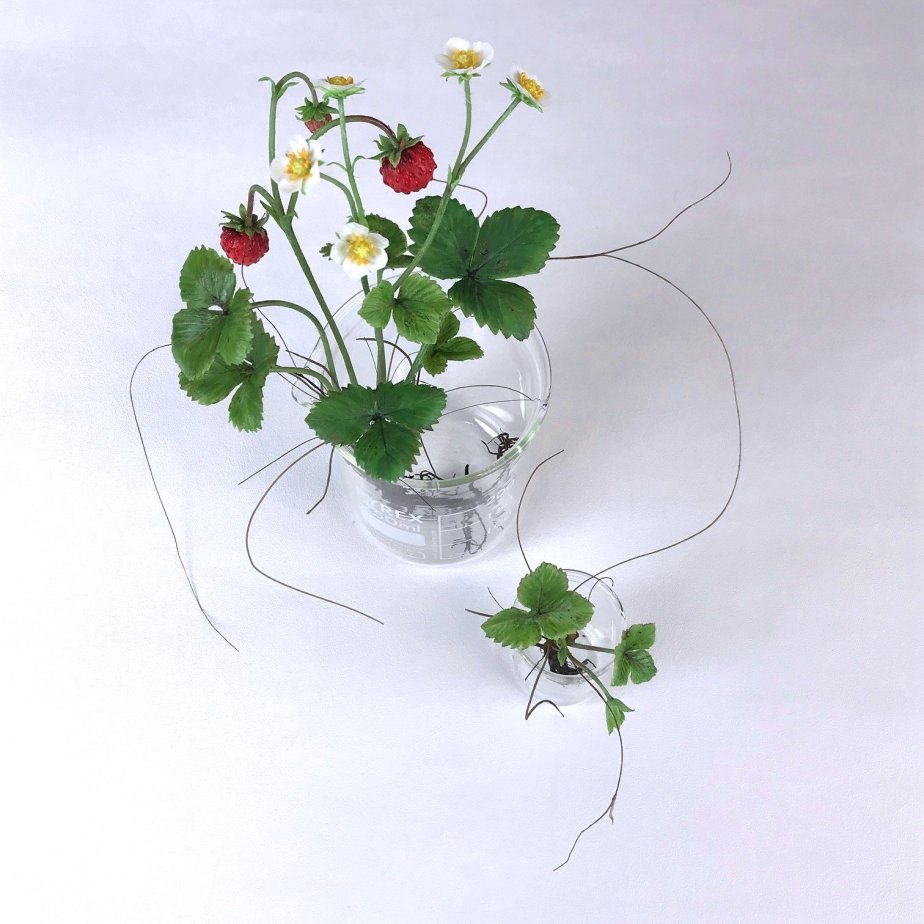
Making a Wild Strawberry Sculpture from Honey Bee Wax. A Scientific Art Collaboration with Cornell University, New York.

Written by Annette Townsend, Natural History Artist, Designer, Maker, Cardiff.

© Annette Townsend

In November 2017 I attended the Cross-pollination, Revaluing Pollinators through Arts and Science Collaboration conference at Swansea College of Art. The conference marked the end of a successful and pioneering project funded by both the Arts and Humanities Research Council (AHRC) and the Arts Council of Wales, combining Art with Science to explore new insight into perceptions of the value of honeybees and wild pollinators.

As an artist I’ve spent most of my career working alongside scientists on science communication projects and my current work focuses on the protection of nature and features pollinating insects, so the project was of great interest to me.

At the conference I heard many fascinating lectures and discussions but it was my chance conversation with Assistant Professor Scott McArt, from the
Entomology Department at Cornell University, that sparked a creative idea which has developed into a collaborative piece of artwork, which is now on display in the new PolliNation exhibition at the Mann Gallery in Cornell.

Continue reading