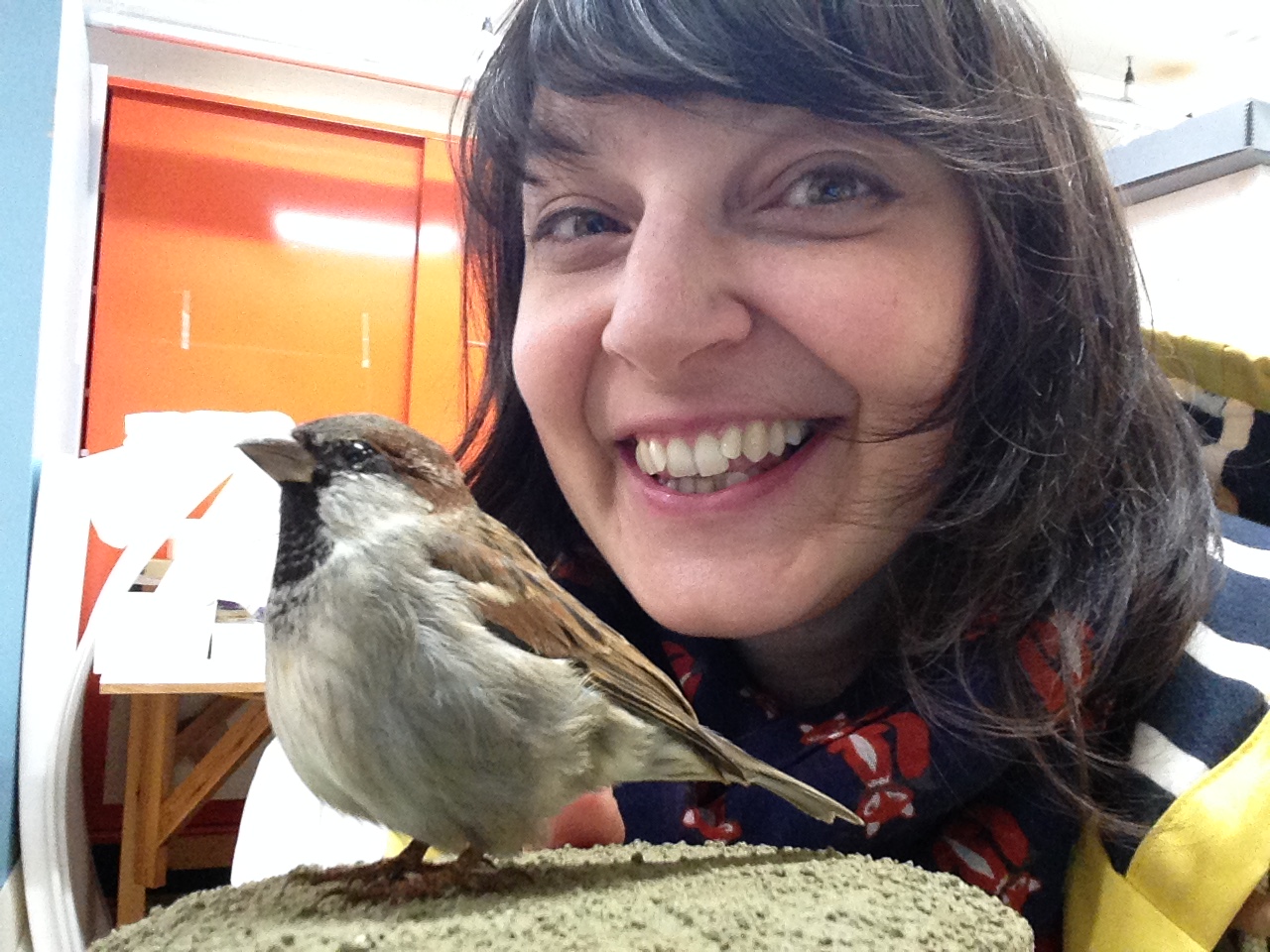
Meet the Committee – Jennifer Gallichan

What is your role on the NatSCA committee?

I am new to the NatSCA committee so am just starting to feel my way and find what my role might be as an Ordinary Member. I have considered joining the committee for many years, so I am really excited to finally be a part of it and just looking forward to getting involved, helping out and learning as much as I can.

Job title and institution

Curator: Mollusca & Vertebrates at Amgueddfa Cymru – National Museum Wales, Cardiff

Twitter Username
@jennifergallich

Tell us about your day job

I have been at National Museum Cardiff for 17 years and for the large part of this time my role has been to work as part of the team curating the mollusc collections. We have one of the largest collections of molluscs in the UK, and it is taxonomically and historically significant. In recent years however, I have also taken on the role of facilitating access to the Vertebrate Collections. As you can imagine, this has been a significant learning curve and I am still in the process of developing in this role. As with many curators, a large part of my job is making collections accessible to everyone, be it through enquiries, loans, collection tours, open days, workshops, talks, visits and everything else. My job also includes curation – adding collections to our databases, sorting labels, etc, but with so many things to cover, I don’t get as much opportunity to do this as I would like. In recent years I have been involved with collections-based research, locating and investigating Type specimens in both our own collections and those in other institutions.

Continue reading

NatSCA Digital Digest – June

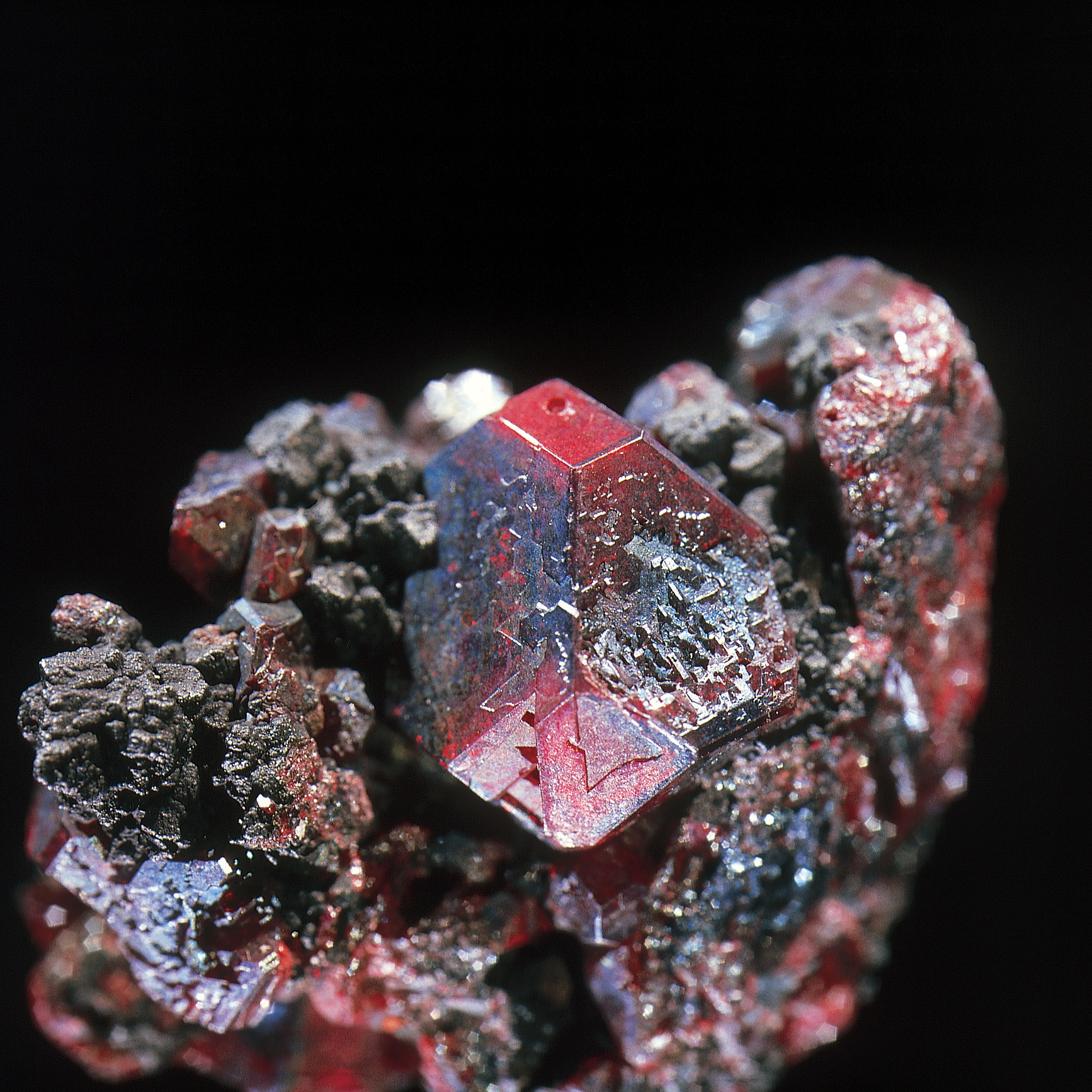
The beautiful mineral Cuprite, from Phoenix Mine, Cornwall. (© Plymouth Museums, Galleries, Archives).

Post-Conference Blues

It’s been a few months since our 2018 conference and AGM at Leeds City Museum. It was wonderful to see so many people there – to catch up with old friends and to meet new ones. And as always, I am so sad when it is over. I guess this is why it’s nice to revisit what went on for the two days. There have been a few different write ups about the conference:

David Waterhouse, Senior Curator of Natural History, Norfolk Museums Service, wrote his first blog post ever all about his time at the conference here.

Glenys Wass, Heritage Collections Manager at Peterborough Museum wrote about her summary of the conference talks here.

Jan Freedman (me), Curator of Natural History, at Plymouth Museums, Galleries, Archives, shared my experiences of the conference here.

Plus, the talks from the conference will be written up either for the NatSCA blog, the Notes & Comments, or the Journal of Natural Science Collections.

The Future of Museum Collections

Leading on from the conference, one talk by Alistair Brown at the Museums Association, looked at where collections will be in 2030. This new research project will be working with museum staff to understand issues that currently face museums and where they want them to be in less than 15 years time. A write up of the Collections 2030 project can be found here.

Continue reading

Collections 2030: What’s Next for Museum Collections?

What does the next decade look like for museum collections in the UK? This is the question that the Museums Association’s new research project, Collections 2030, is asking.

Over the course of this year, we’ll be working with museum workers, researchers and users to think about the big issues that the sector needs to have on its radar as we plan for the next decade. What trends do we need to adapt to? Will the way that we treat and value collections change? What are the implications of a new generation taking charge in our museums? And will we have the infrastructure that we need not only to pass on collections, but to make them valued by the wider public?

When asked about the future, it can be tempting to let our imaginations run away with ourselves.

But if we’re going to consider what museum collections might look like in 12 years or so, it’s worth casting our minds back the same distance. Over that period, technological changes have been huge, and have led to much experimentation in museums but not always greater impact. The financial crisis has radically changed the workforce and business model for many museums, with major implications for collections knowledge and management.

But our museum collections themselves can seem oddly absent from this picture of change.

Collections have not grown much, and to the extent that ‘pure’ collections issues enter into our discussions, we have seen a period with much to talk about. But not a huge amount of change in practice, about disposals, about storage, about where to put everything, and occasionally, and with much trepidation, whether we should give some of our stuff back to those who made it.

Continue reading

Rocks of Death and Fizzing Fossil Fish

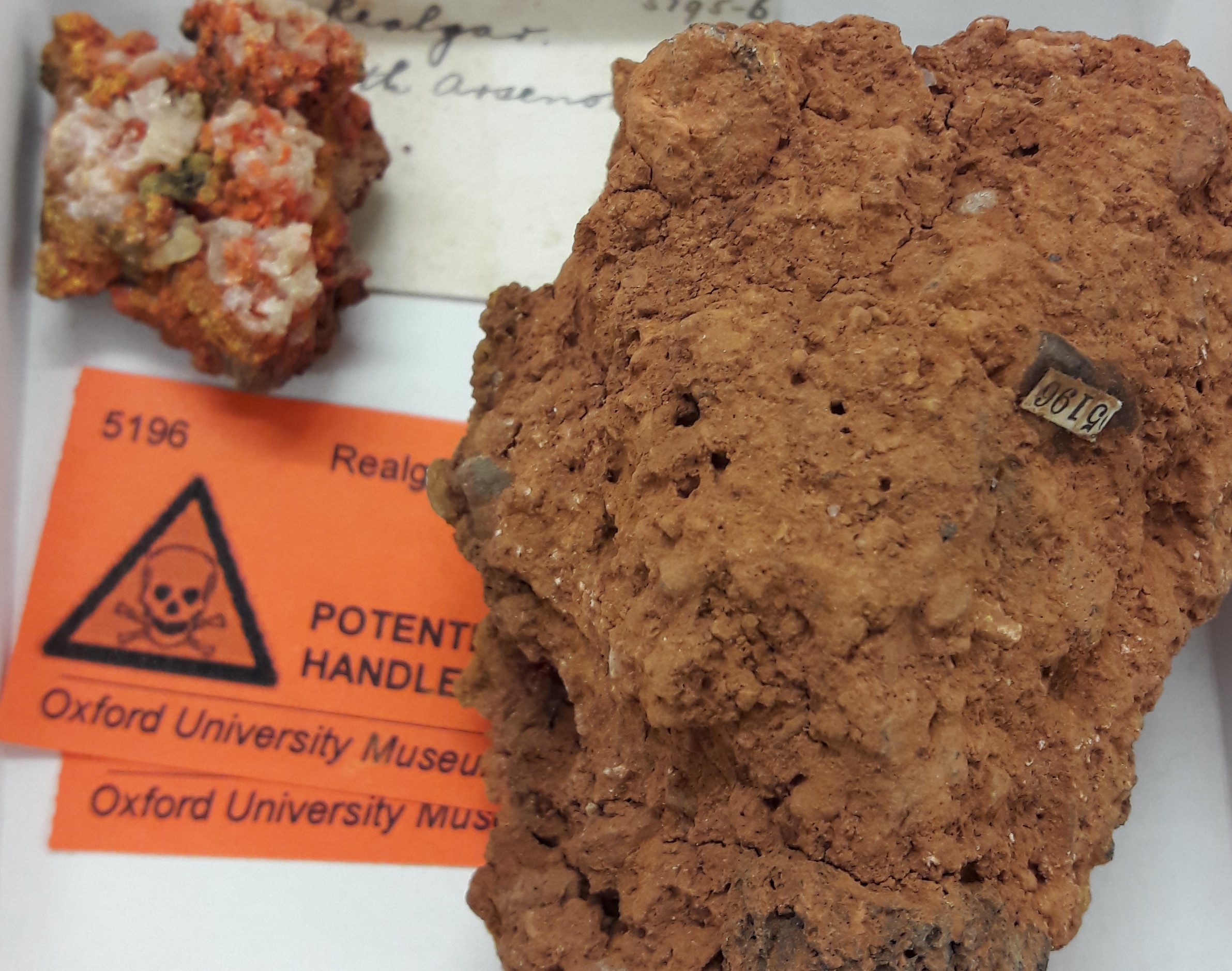
In what must surely be one of the most excitingly themed workshops known to scientists, Monica Price (formerly of Oxford University Museum of Natural History) and Jana Horak (Amgueddfa Cymru – National Museum Wales) recently ran a day-long workshop called Hazards in Geological Collections. We’re not talking hazards like booklice eating your specimen labels, we’re talking The Big Guns. It was Christmas come early for the attendees who had gathered from the ‘four corners’ of the British Isles to learn what villainstreasures might be lurking in their collections.

Hazards in geological collections take many forms. © Oxford University Museum of Natural History.

Each of the three tables of eager minds was presented with a box of unlabelled specimens from which to try and list the potential hazards. After a very thorough health and safety briefing, we all leaned cautiously in towards the box. Decked out in nitrile gloves and face masks, we were the picture of professionalism. The excitement of the workshop was definitely heightened by the real, LIVE specimens in front of us. Had any of us had been stupid enough to open up and breathe in the contents of an asbestos tube, or rub ourselves all over with a toxic mineral, we could have done ourselves some serious harm. But as it was, the 20 or so geologists in the room were suitably well-behaved.

Continue reading

Waving Goodbye to the Walrus: Reflections on Leaving (and Starting)

To paraphrase that great Disney wildlife documentary, The Lion King: change is good, but it’s not easy.

Leaving any job after a long time is always strange, and I’ve been lucky enough to have spent (almost!) seven years at the Horniman Museum and Gardens. In that time I’ve worked on several large projects, learned more than I thought I ever would about anthropology collections, and made some wonderful friends. But sadly, I have now had to move on. Happily, I’ve been able to move on to the wonderful Powell-Cotton Museum, where I will be spending the next year curating the natural history collections.

This has meant quite a large change: I’ve moved to a different part of the country, and started a new job that is very different to what I’ve been doing for the last few years. I’ll admit to feeling some imposter syndrome – I have been working almost exclusively with anthropology objects for a long time now (not my subject specialism: I studied zoology), and worried that I might have forgotten some of my natural history knowledge! Thankfully, that doesn’t seem to have been the case, and in fact working with anthropology collections has taught me a surprising amount about working with natural history collections… from identifying worked animal materials (such as ivory and bone) to documentation standards and procedures (I was a Documentation Assistant at the Horniman), I have gained skills and knowledge that will be invaluable in my new role.

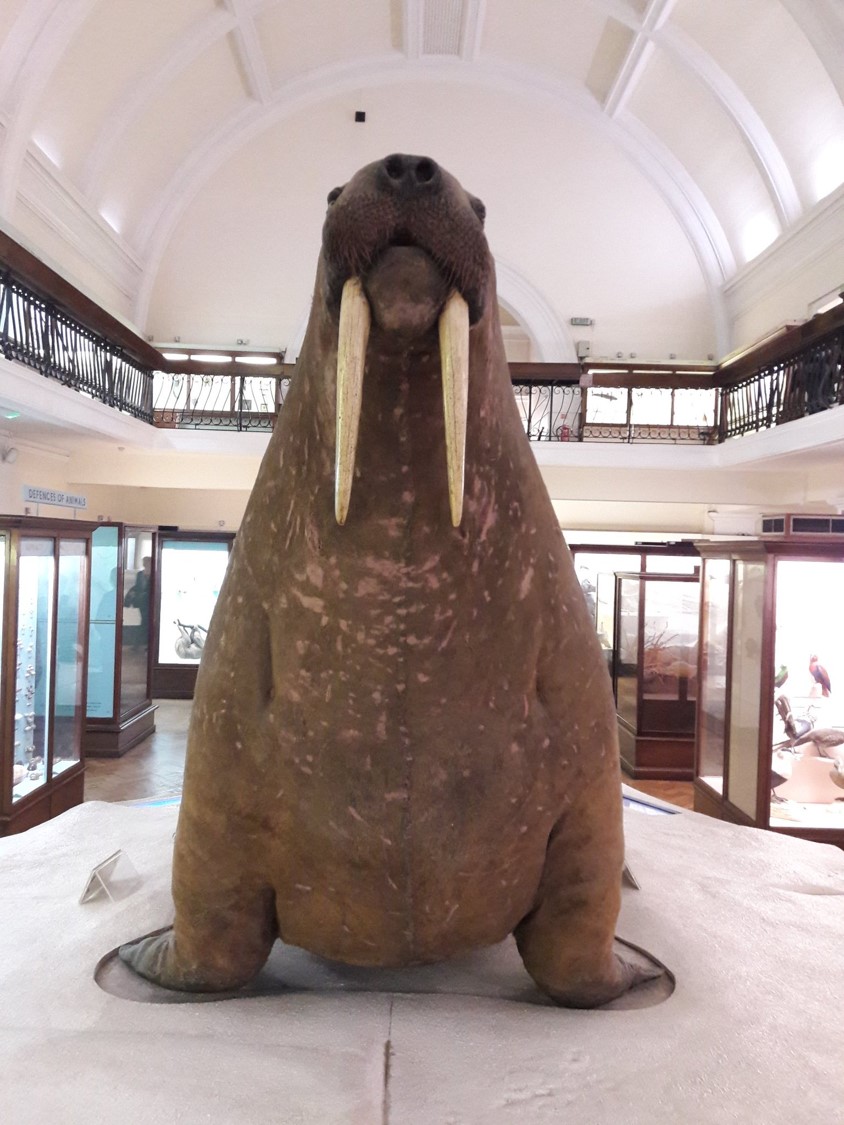
Sad to say goodbye to the Horniman Walrus. (C) Horniman Museum and Gardens

Continue reading