NatSCA Digital Digest – June

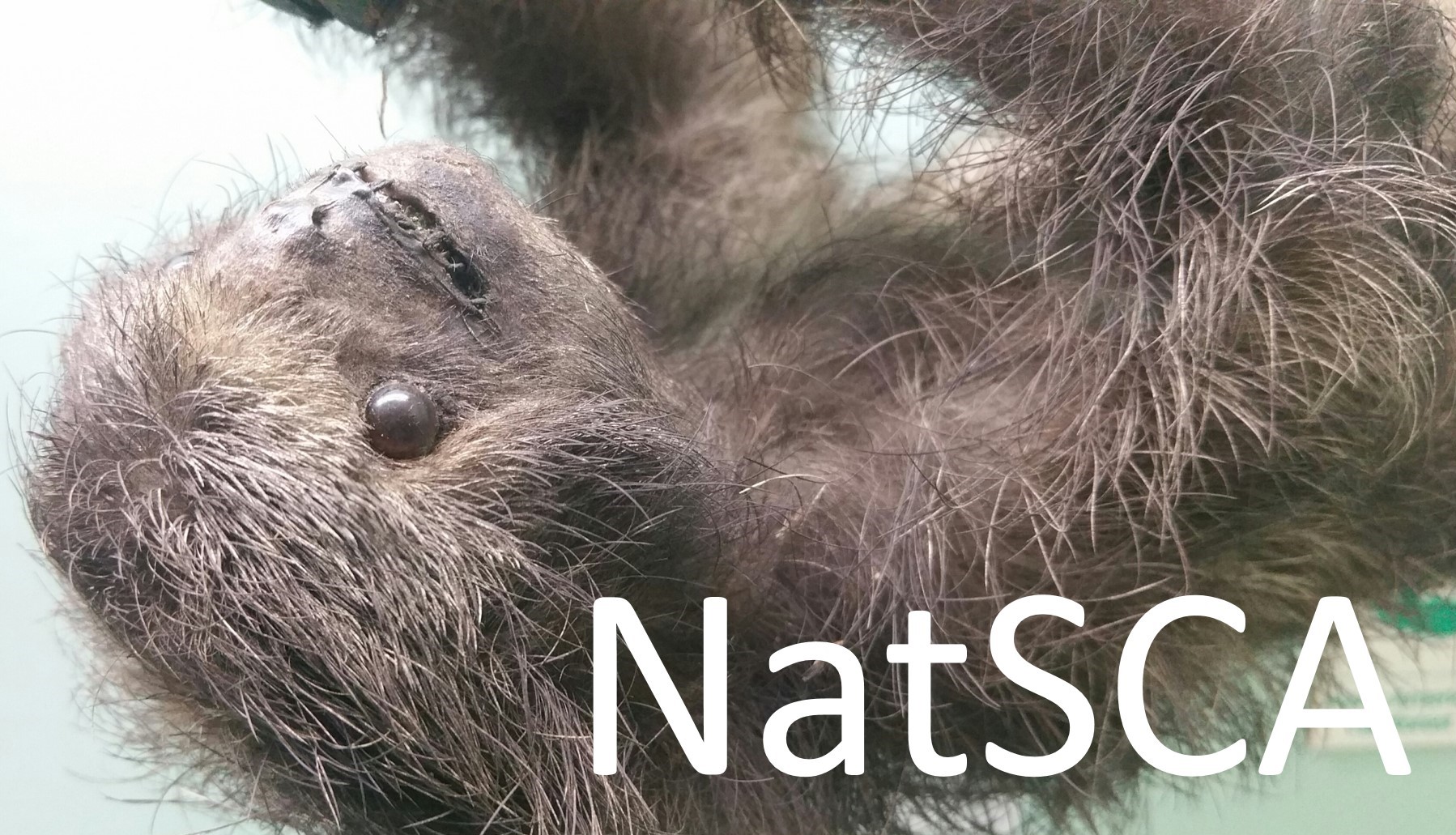
Three-toed sloth (C) Horniman Museum and Gardens

What Should I Read?

Four new dinosaurs all under one article, plus a good reason to check what’s in your museum stores more carefully. Dr Dave Hone introduces a cavalcade of new giant dinosaurs.

We all want to live in a perfect world where all museum records are available online, so why don’t we just digitise everything huh? Peel Art Gallery, Museum and Archives tackles The Question so many of us seem to get asked: Why don’t archivists digitize everything?

Not so much a blog or article to read, but definitely something to have a quick look at for it’s wow factor alone. If you’re looking for inspiration for your next event, be it for children or adults, it doesn’t come much better than these balloon animals and insects. These incredible balloon sculptures are by artist Masayoshi Matsumoto, and are just amazing. Continue reading

How to Store Taxidermy

We all know that discussing issues with other museum professionals within Subject Specialist Networks is an efficient way of disseminating information within the sector, but the following article provides a perspective from a generalist commercial storage company; a voice we don’t usually hear from.

Safestore, the UK’s largest self-storage provider, recently made a video series called ‘Stuff is Great‘ which focused on collectors and their individual passions. Among other client case studies, the series featured Suzette Field and her collection of taxidermy specimens. The following article, How to Store Taxidermy, was written by Safestore themselves and provides useful guidance on how to use these public facilities for storing such material.

This taxidermy collection featured in the Safestore project 'Stuff is Great'. © Safestore

This taxidermy collection featured in the Safestore project ‘Stuff is Great’. © Safestore

As any taxidermy enthusiast will know, a sizable collection can take years to build.  During that time your life and circumstances will change; you may welcome children into your life, move home, change job, all the while accumulating more pieces.  At some point you may be faced with the challenge of storing your taxidermy and with the right know-how it’s not as painful a process as it sounds!

Safestore recently stored a taxidermy collection and found it to be the safest environment for high value taxidermy.  Your attic or garage may seem like a cheaper alternative but both locations are affected by the changing climate throughout the year, putting undue stress on your collection.

Follow these tips for storing your taxidermy safely…

  1. Use wooden crates.

Using a wooden crate for each taxidermy piece means you can affix the mounts to the inside of the crates.  This will keep the taxidermy from touching the inside of the crate and allow air to circulate the piece.  Cardboard isn’t sturdy enough for large taxidermy pieces and doesn’t offer the same protection.

  1. Keep the damp away.

Storage units are typically very dry but the climate can vary from time to time.  Add silica gel packets to each crate as they will absorb any moisture in the air and keep your taxidermy dry.

  1. Keep the pests away.

Moths and small bugs would love nothing more than nibbling away at your taxidermy pieces so using ‘no pest strips’ or moth killer strips will help to keep your crates critter free.

  1. Climate and humidity.

When looking for self storage units for your taxidermy, ensure your unit is somewhat climate controlled.  Units on the outer edge of the building may be more prone to temperature changes so ask for a unit that remains cool and dry throughout the year.

Taxidermy is expensive and some pieces are one of a kind, therefore it is imperative to ensure your items are safe and secure once in storage.  Look for self storage facilities with 24hr CCTV, restricted access, sole key holder policies and intruder alarms.

  1. Check!

It’s super important to check your taxidermy from time to time, especially if you’re storing for a number of months.  Make sure you replace the pest strips and silica packets and check for any signs of damage or stress.  It’s easier to rectify a problem sooner rather than later!

Ultimately taxidermy is for displaying and enjoying, however if you’re in need of an interim home for your collection you’re not short of options.  Keeping your pieces safe and in good condition is easy so long as each item is packed with due care and is stored somewhere out of harm’s reach.

By Tiffiny Franklin, Digital Outreach Executive, Safestore

NatSCA Digital Digest


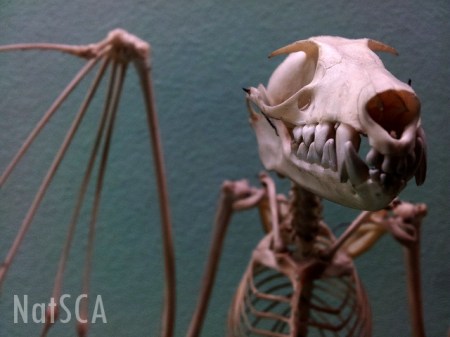
A mounted skeleton of a fruitbat leers at the camera

Welcome to the March edition of the Digital Digest! Without further ado…

News

Booking is open for the 2016 NatSCA Conference and AGM, ‘The Nature of Collections – How museums inspire our connection to the natural world‘, which will be held at the Derby Museum & Art Gallery and The Silk Mill on 21 – 22 April.

We have invited papers and posters looking at how museums have inspired and shaped the relationship of visitors and users of the collections to the natural world:

  • Projects between wildlife/environmental organisations/parks and museums.
  • The training & developing of naturalist skills using collections.
  • Artists projects connecting collections/gallery to outside spaces.
  • Looking at the relationship between natural history societies, their collections & museums.
  • Exhibition examples linking preserved specimens and our environment.

The Early Bird deadline is TODAY (Thursday 10 March), so get booking and save money!

If you’re not yet a NatSCA member, now is a great time to join – you can purchase membership and get the member’s conference rate for the same cost as a non-member ticket! See our membership page to join.

If you are a member, email the NatSCA Membership Secretary (membership@natsca.org) for your booking discount code.

Jobs

Geologist, Scarborough Museums Trust. A great opportunity for any rock and fossil enthusiasts! Application deadline: Friday 8 April.

Research and Data Coordinator in Science Policy (CITES), Kew. One of a selection of interesting posts currently on offer at Kew, the application deadline for this post is Wednesday 16 March.

Around the Web

A taxidermy warehouse in London was broken into on Tuesday this week, and 18 specimens were stolen. The Met police are appealing for information: http://news.met.police.uk/news/help-needed-to-trace-stolen-stuffed-animals-154850

DNA from museum specimens confirms a new species of forest thrush.

Why was the pink-headed duck’s head pink? Museum specimens reveal the secrets of this extinct species.

Exciting new natural science workshops and a new book

Time is racing away, and in just a few days we will be at the NatSCA Bone Collections day in Cambridge (8th September 2015). The talks and posters promise to be really varied, interesting, and hugely informative. There is also the added bonus of a practical session to get your hands on some skeletal material, and, under the expert guidance of Bethany Palumbo, learn all about the basics of bone conservation.

Just a month later (15th October 2015), Paolo Viscardi will be leading a workshop on the identification of natural materials, a free course run by NatSCA and held at the Royal Albert Memorial Museum in Exeter (now sold out).

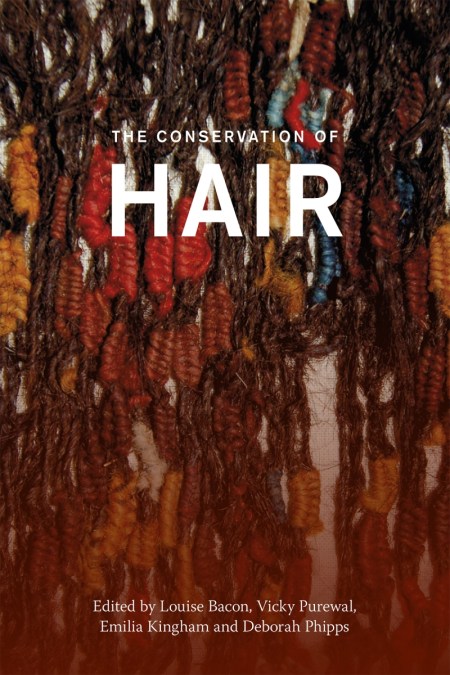
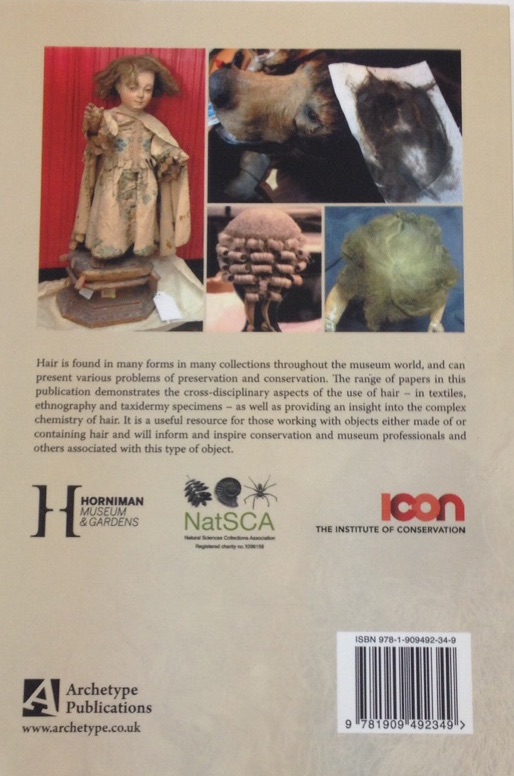
There is still more good news in that NatSCA, the Horniman Museum and Gardens, and Icon have published a book containing the full papers given at the Conservation of Hair conference held in June 2014. The book is published by Archetype books.

Conservation of Hair Publication

back_hair

Book Review: Integrated Pest Management for Cultural Heritage (2015)

A new book on Integrated Pest Management (IPM) by expert David Pinniger will be published next week, on Tuesday 5th May, entitled ‘Integrated Pest Management for Cultural Heritage‘. The book builds on years of research and advances in IPM techniques, and aims to be a working guide to be used by heritage professionals.

NatSCA member and conservator Lucie Graham has kindly reviewed the book for us in detail. This is available in NatSCA Notes & Comments. Please head over there and have a read.


Cover of Integrated Pest Management in Cultural Heritage, by David Pinniger