The Land of the Oran-utan

Written by John Wilson, Curator (Vertebrate Zoology), World Museum, Liverpool

This article was first published as a blog for National Museums Liverpool, 16 August 2019.

150 years ago Alfred Russel Wallace wrote about “the land of the orang-utan” and sent specimens to Liverpool.

2019 is the 150th anniversary of the first publication of Alfred Russel Wallace’s The Malay Archipelago: The land of the orang-utan, and the bird of paradise. A narrative of travel, with studies of man and nature.

Although best known as the co-discoverer of the theory of evolution by natural selection alongside Charles Darwin, The Malay Archipelago firmly established Wallace as one of the greatest natural history explorers.

Title page of the first edition of The Malay Archipelago published in 1869, 150 years ago.

The Malay Archipelago is a vivid, first-person account of Wallace’s travels, studies and natural history collecting in Southeast Asia. During 8 years Wallace travelled over 14,000 miles and collected 125,000 specimens. Orangutans feature prominently in the book’s title, and chapter four is largely devoted to Wallace’s adventures with orangutans in Sarawak, Borneo.

Wallace wrote: “… one of my chief objects in coming to stay at Simunjon [a river in Sarawak] was to see the Orang-utan (or great man-like ape of Borneo) in his native haunts, to study his habitats, and obtain good specimens of the different varieties and species of both sexes, and of the adult and young animals. In all these objects I succeeded beyond my expectations, …”

Continue reading

Making the Most of What You’ve Got

Written by Dr Emma Nicholls, Deputy Keeper of Natural History, Horniman Museum and Gardens

The Collection

The Horniman Museum is the custodian of a collection of ca. 175,000 fossil specimens, collected by Walter Hellyer Bennett (1892-1971). A mining geologist and palaeontology enthusiast, Bennett collected somewhat indiscriminately, not pausing to favour geography, strata, or taxa, which makes it a collection of great interest to a wide variety of academics, and for other uses such as exhibitions and loans.

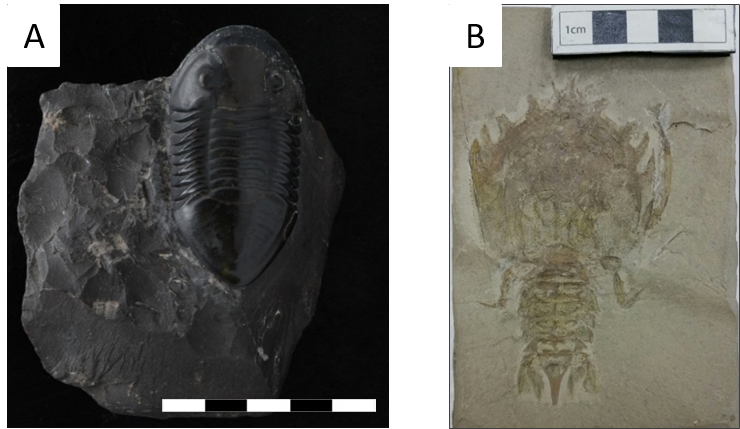
This huge collection was bequeathed to the Croydon Natural History and Scientific Society in the 1970s, where choice pieces were put out on open display whilst the rest remained stored in Bennett’s original wooden cabinets. It contains some beautiful material, such as this Isotelus gigas trilobite, and Eryon propinguus lobster.

A) Isotelus gigas, and Ordovician trilobite from the Trenton Limestone. B) Eryon propinquus, a Jurassic lobster from the Solnhofen Limestone. © Horniman Museum and Gardens.

The collection is approximately 10% vertebrate material, 85% invertebrates, and 5% plants and trace fossils. In case you are interested in particular taxonomic groups (as we are keen on facilitating research enquiries and visits… fyi) the invertebrates are mostly bivalves, brachiopods, cephalopods, corals, and gastropods, with a large variety of other taxonomic groups represented in small numbers as well (please do get in touch if you’re interested in getting more information), and the vertebrates are primarily conodonts, crocodilians, dinosaurs, fish (including sharks), ichthyosaurs, mammals, plesiosaurs, pterosaurs, and turtles. Geographically, around 87% of the material was collected within Europe, primarily from the UK (50%) and France (15%). A further 10% is from North America whilst small amounts of material were collected from across Africa, South America, the Middle East, Asia and Australasia. Notable sites include the Solnhofen Limestone and the Burgess Shale.

Continue reading

Survey of Flowering Plants Stored in Fluid Preservatives Across European Herbaria

Written by Ranee Prakash, Senior Curator (Flowering Plants), Algae, Fungi and Plants Division, Department of Life Sciences, Natural History Museum, London.

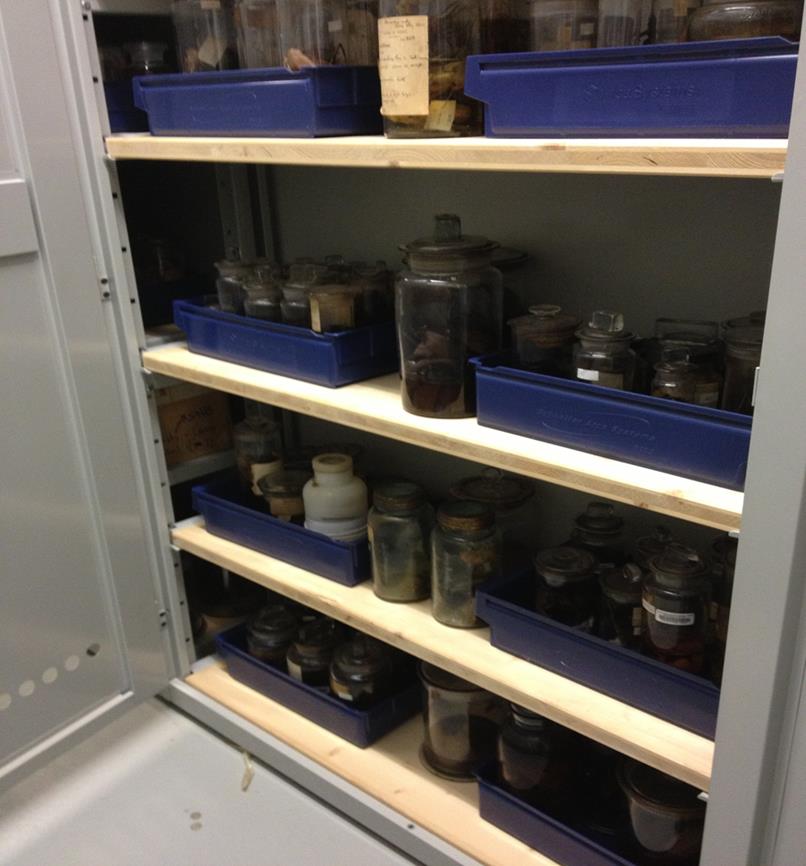
A survey of flowering plant material stored in various fluid preservatives across several European herbaria/institutions was carried out a few years ago. The feedback received from the survey is shared and shows that the majority of the herbaria use 70% IMS (industrial methylated spirit) to store their collections.

Introduction

The seed plant collections (stored in various liquids such as formalin, some have unknown liquids, and some mention poison) form a relatively small yet significant part of the botanical holdings at NHM (Natural History Museum). They include some important material dating back to the mid 1800’s and type collections such as the world’s largest flower Rafflesia arnoldii collected by Robert Brown. However, these wet collections have remained a somewhat underused asset and are in dire need of curatorial attention.

In continuation to this aim, a survey of flowering plants stored in spirit collections across various institutions in Europe was carried out in 2012 so as to assess what preservatives other institutions were using and what would be the best method to store the collections at NHM for posterity. The objective of this survey was to gather information on:

  • How big the spirit collection is
  • How the collection is used
  • Which liquid preservatives the flowering plant collections are stored in

Continue reading

Invertebrates In Vitro

Written by Paolo Viscardi, Curator of Zoology, National Museum of Ireland – Natural History

I’m not sure why, but people really seem to love Blaschka models.

Beccaria tricolor [sic] Nr.373 in Blaschka catalogue. Specimen NMINH:1886.810.1 at the National Museum of Ireland.

Beccaria tricolor [sic], Nr.373 in Blaschka catalogue. Specimen NMINH:1886.810.1 at the National Museum of Ireland. Image by Paolo Viscardi, 2018

They are the subject of a surprisingly large number of enquiries at the National Museum of Ireland — Natural History (AKA the Dead Zoo), where I look after the zoology collections.

If you’ve not heard of the Blaschkas, they were a father and son company of lampworkers based in Dresden, who supplied museums and universities around the world with glass models for teaching and display. Between 1864 and 1890 they made mail-order models of invertebrates (alongside glass eyes and medical equipment), then from 1890 until 1936 they worked exclusively for Harvard University on the Ware collection of glass flowers.

glass_flowers_gift-bouquet

Bouquet of Blaschka glass flowers made in 1889, gifted to Elizabeth C. and Mary L. Ware. Now part of the Harvard Glass Flowers exhibit. Image by Bard Cadarn, 2018.

At the Dead Zoo we have a particularly large and comprehensive collection of the invertebrates, with around 590 models acquired in lots between 1874 and 1888. I say ‘around’, because many of the models are made up of multiple parts, with different developmental stages, enlargements and details that are classed as elements of the same model.

Continue reading

Brendel Plant Model Survey

Written by Donna Young, Curator of Herbarium, World Museum, National Museums Liverpool

Inspired by the project led by the Corning Museum of Glass, which looked at holdings of Blaschka models, I am embarking on a project to map and document collections of Brendel botanical models worldwide.

The objective of this project is not only to provide a useful resource to be used in the curation of anatomical models, but to document their past and present use – promoting and bringing awareness of these collections to new audiences.

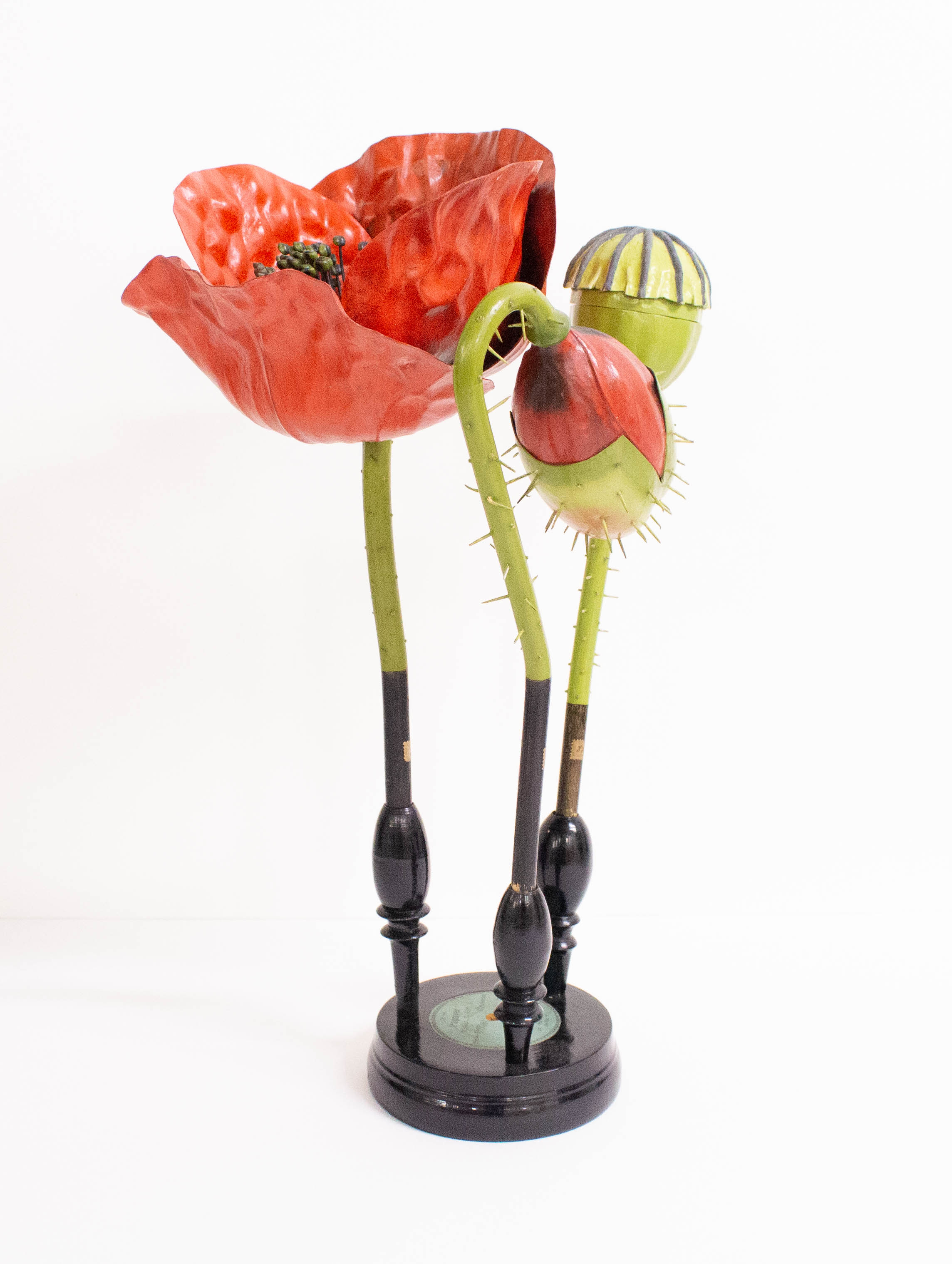
Brendel model Papaver rhoeas
© National Museums Liverpool, World Museum

Anatomical Models

The nineteenth century was the golden age of scientific discovery, and as the century progressed, the teaching of science in schools, academies and museums evolved to reach a new mass public audience. Science was no longer the exclusive preserve of an elite few.

Changing teaching techniques promoted this transformation and pedagogical inquiry was seen as a constructive and involved way of learning. The written and spoken word was supported by the use of visually instructive wall charts and classroom demonstrations. The introduction of interactive teaching models encouraged audiences to understand nature using new and original perspectives.

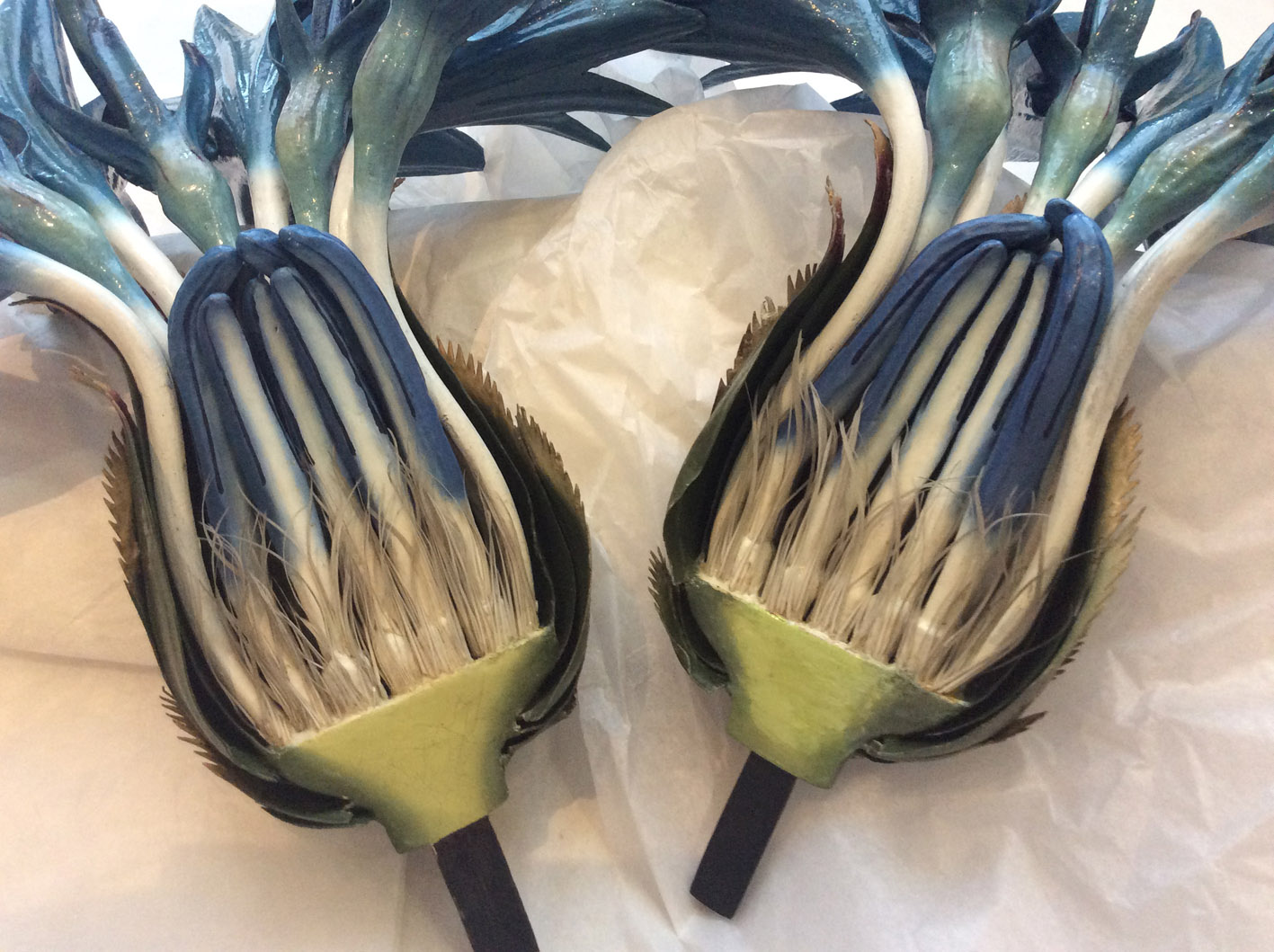
Botanical models were used to illustrate and demonstrate plant anatomy. Unlike living material, their use was not restricted by seasonal availability and they were ideal for demonstrating small or ephemeral details which are difficult to preserve.

In 1827 Louis Auzoux established his workshop in France, manufacturing human and veterinary anatomical models from papier-mâché. The company also produced botanical models, which were widely distributed to universities and schools in France, particularly to support the expansion in teaching agricultural science.

Brendel model Centaurea cyanus ‘dissected’
© National Museums Liverpool, World Museum

Continue reading