Liverpool, Natural History and Extinction: The Case of a Real Liver Bird

Written by John-James Wilson (Lead Curator of Zoology, World Museum), Jude Piesse (Senior Lecturer in English Literature, LJMU) & Alyssa Grossman (Senior Lecturer in Communication and Media, University of Liverpool).

The interdisciplinary public engagement project ‘ENLivEN: Empire, Nature and Liverpool: Investigating and Engaging with Natural History’, is a collaboration between University of Liverpool, Liverpool John Moores University (LJMU) and 14 city-wide partners. In this blog we bring together reflections from a workshop held at World Museum, Liverpool in October 2025, where we trialled approaches for the project with LJMU undergraduates. ENLivEN will develop further workshops on similarly evocative ‘catalyst’ specimens and objects held across participating institutions.

John-James Wilson (Lead Curator of Zoology, World Museum)

Spotted Green Pigeons are a species that became extinct at the beginning of the nineteenth century.

In 1793, Dr John Latham noticed two unusual taxidermized pigeons in private natural history collections in London. He described them as a new species that he called Spotted Green Pigeons. One of the specimens is now lost but the other was bought by the 13th Earl of Derby. In 1851, the 13th Earl of Derby left his specimen to the people of Liverpool in his will. Because the specimen is kept at World Museum, this specimen became known as the Liverpool Pigeon.

The Liverpool Pigeon is now the only known Spotted Green Pigeon specimen in existence. Uncertainty about the status and nearest relatives of Spotted Green Pigeons continued for over 200 years. DNA analysis in 2014 convinced scientists that Spotted Green Pigeons were a genuine, extinct species. Spotted Green Pigeons were only very distantly related to Feral Pigeons found in Liverpool and cities around the world.

Continue reading

A New Generation of Bolton Field Naturalists.

Written by Lauren Field, Curator of Natural History, Bolton Museum

In 1895 The Borough of Bolton Botanical Society was formed. This group concerned itself, as the name implies, with botany alone but eventually a feeling emerged among naturalists in Bolton that other aspects of natural history should be covered.

On February 7th 1907 a group of keen local naturalists met at the Chadwick Museum (Bolton Museum’s first building). The group included members of the Botanical Society as well as ornithologists, entomologists and others representing natural history from astronomy to geology – from the heights of the sky to the depths of the earth.

They soon settled on the name Bolton Field Naturalists’ Society.

Continue reading

Top NatSCA Blogs of 2025

Compiled by Jennifer Gallichan, NatSCA Blog Editor.

It has come to the end of another year and we have had some fantastic contributions to the blog. I would like to take this opportunity in the last blog of 2025, to celebrate the ten most read articles of those published this year. As a whole, they represent the huge amount of work that is going on across the sector, from collection decants, to specimen conservation, getting the collections out there, and researching the incredible histories they contain. What a busy bunch of folk we are!

I want to express a huge thankyou to all contributors. The blog truly would not work without you and it is entirely thanks to all your hard work that it is the success it is. With this in mind…the 2026 calendar is now open for submissions, so please do drop me a line if you would like to submit an article. Myself and our thousands of readers would love to hear from you.

The top ten blogs in descending order are:

Continue reading

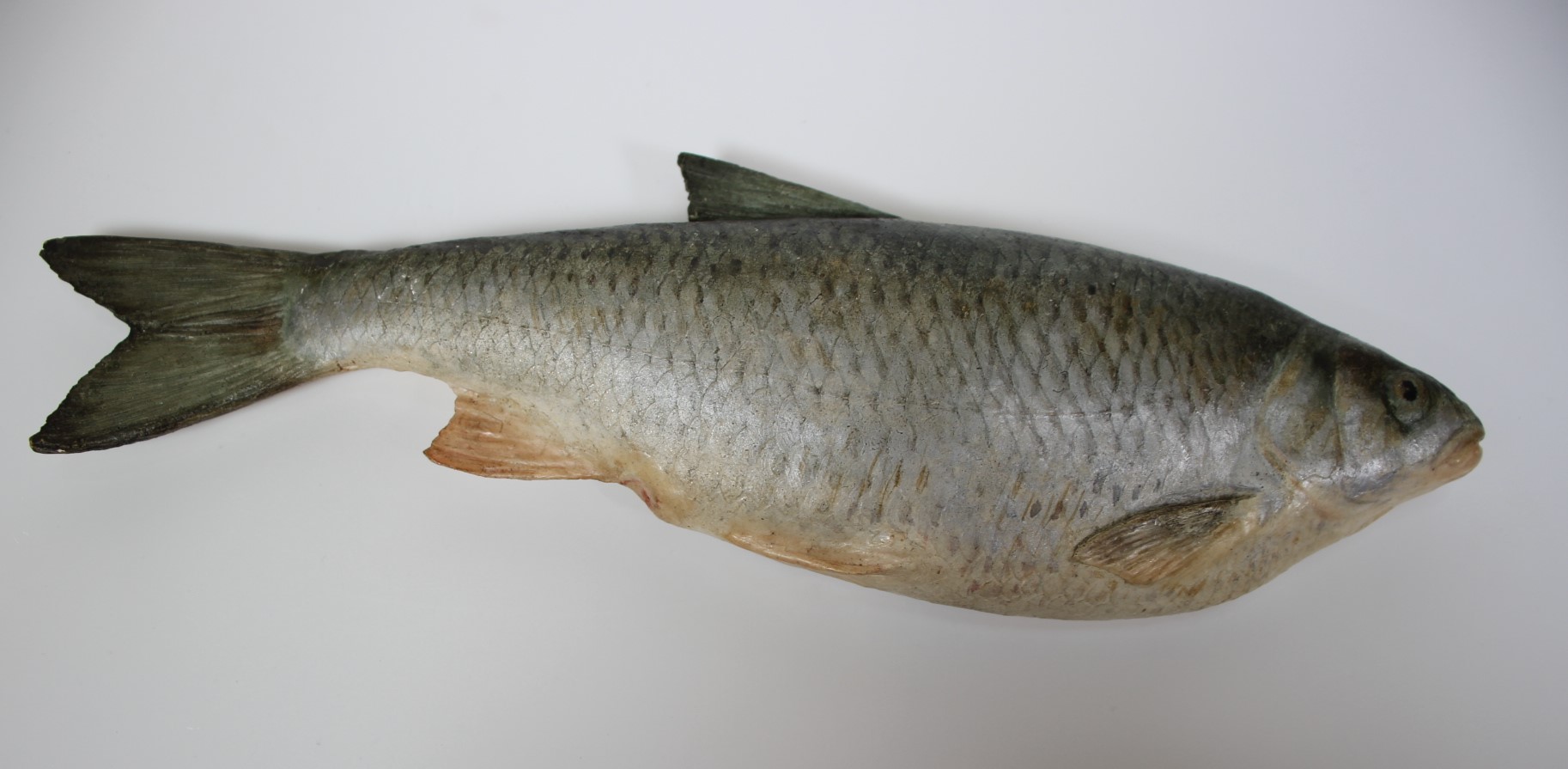
The Rediscovery of a Challenger Expedition Specimen in William Herdman’s Zoology Museum Collection at the University of Liverpool (and how digitisation is transformative).

Written by Leonie Sedman, Curator of Heritage & Collections Care, University of Liverpool.

Along with many other NatSCA members, I care for a mixed collection, meaning that one inevitably becomes something of a ‘Jack of all trades’ missing out on the academic satisfaction created by specialisation. As a curator who finds collections research to be the most satisfying part of my job, it can be frustrating when that research is often only possible on a ‘need-to-know’ basis – usually when a new display or exhibition is being planned, or when the specimens are to be used in teaching. Looking on the bright side though – this does provide glimmers of joy when the research produces something exciting!

In 2004 when I was first employed to manage the University of Liverpool’s Heritage Collections (medical & scientific museum collections built up through research or teaching), I retrieved a large proportion of the collections from attics and cellars where they languished because the objects and specimens were no longer actively used in teaching (this is now changing – but that would be a different blog). The Zoology Museum collection was one of these.

Continue reading

Splits and Distortion of a “Hisstoric” Snakeskin: Humidification as Part of Remedial Conservation Treatment of a Boa constrictor Skin”

Written by Claire Kelly, Conservator at Natural History Museum, London.

Boa Constrictor in Fishes, Amphibians and Reptiles Gallery at NHM ©The Trustees of the Natural History Museum

A Boa Constrictor on display in the Fishes, Amphibians and Reptiles Gallery at the Natural History Museum in London, UK was removed to undergo a considerable amount of remedial conservation treatment.

The taxidermy skin, dating from around the late 19th century, is mounted over a plaster form that was placed onto a wooden trunk. The skin exhibited severe deterioration with multiple splits in various areas located throughout the length of the specimen. The entire ventral seam had opened along with skin distortion and lifting around the splits without any stitched seam to hold it in situ. Most of the damage was at the ventral area of the specimen but some splits and distortion were visible whilst on display, along with material shed on to the case base.

Continue reading