Preparing Collections for a Big Move

Written by Ellie Clark (Collections Move Team Lead) and Lizzy Devenish (Collections Move Team Lead Digitisation), Natural History Museum, London.

Introduction

The Natural History Museum is in the process of preparing 38 million specimens to be moved, 28 million of which will be rehoused to a new Science and Digitisation Centre at Thames Valley Science Park (TVSP) in Reading – the largest move of natural history specimens globally. Part of NHM Unlocked, this is an ambitious programme to secure the future of our irreplaceable collections, accelerate scientific research and enhance the Museum’s public offer. 

As part of this process, new workflows are being developed to ensure the safety of specimens before, during and after the move. Below, Team Leads Ellie Clark and Lizzy Devenish discuss a couple of ways this is currently being accomplished.

Physical Interventions Survey

It is important to gain a good understanding of the condition and housing needs of specimens before they move to TVSP. To do this, the NHM Unlocked Moves Team are currently undertaking a Physical Interventions Survey across the Palaeontology Collections to better understand these needs. The level of preparation needed varies from specimen to specimen depending on several factors including current storage, specimen condition, size of specimen and collection type. The ultimate aim of the survey is to provide an initial assessment for the time and resources needed for specimen preparation by curatorial and conservation teams to facilitate the safe movement of specimens to the new site.

Continue reading

Biobanking on a Shoestring

Written by Louise Gibson, ZSL biobank manager at the Institute of Zoology, Zoological Society of London (ZSL).

Lurking in the depths of the Zoological Society of London (almost 200 years old), are vast collections of frozen, wet, and dry biological specimens. Amassed over several decades, procurement of these items has come via scientific fieldwork researching wildlife conservation, standard pathological investigation of captive animal mortality, contributions from Border Force and police wildlife crime investigations, and from the occasional public donations, dropped off on our doorstep.

Photo of octopus preserved in formalin – a octopus was left on the doorstep of ZSL, 2021, donor unknown. © Louise Gibson/ ZSL

Although the collections are extensive, knowledge of their contents is limited to those who have collected samples or managed them, many of which have long since left ZSL. Potential was seen to create a biobanking programme with the objective of preserving the collections and the knowledge that comes with them and in turn creating an accessible biological archive open to the scientific community and beyond. As a not-for-profit charity with minimal resources, we are aiming to achieve this on a shoestring budget.

Continue reading

Hunterian Heads: Cleaning Large Skeletal Specimens

Written by Caitlin Jenkins, Project Conservator at Parliamentary Archives (previously Assistant Conservator at Royal College of Surgeons of England).

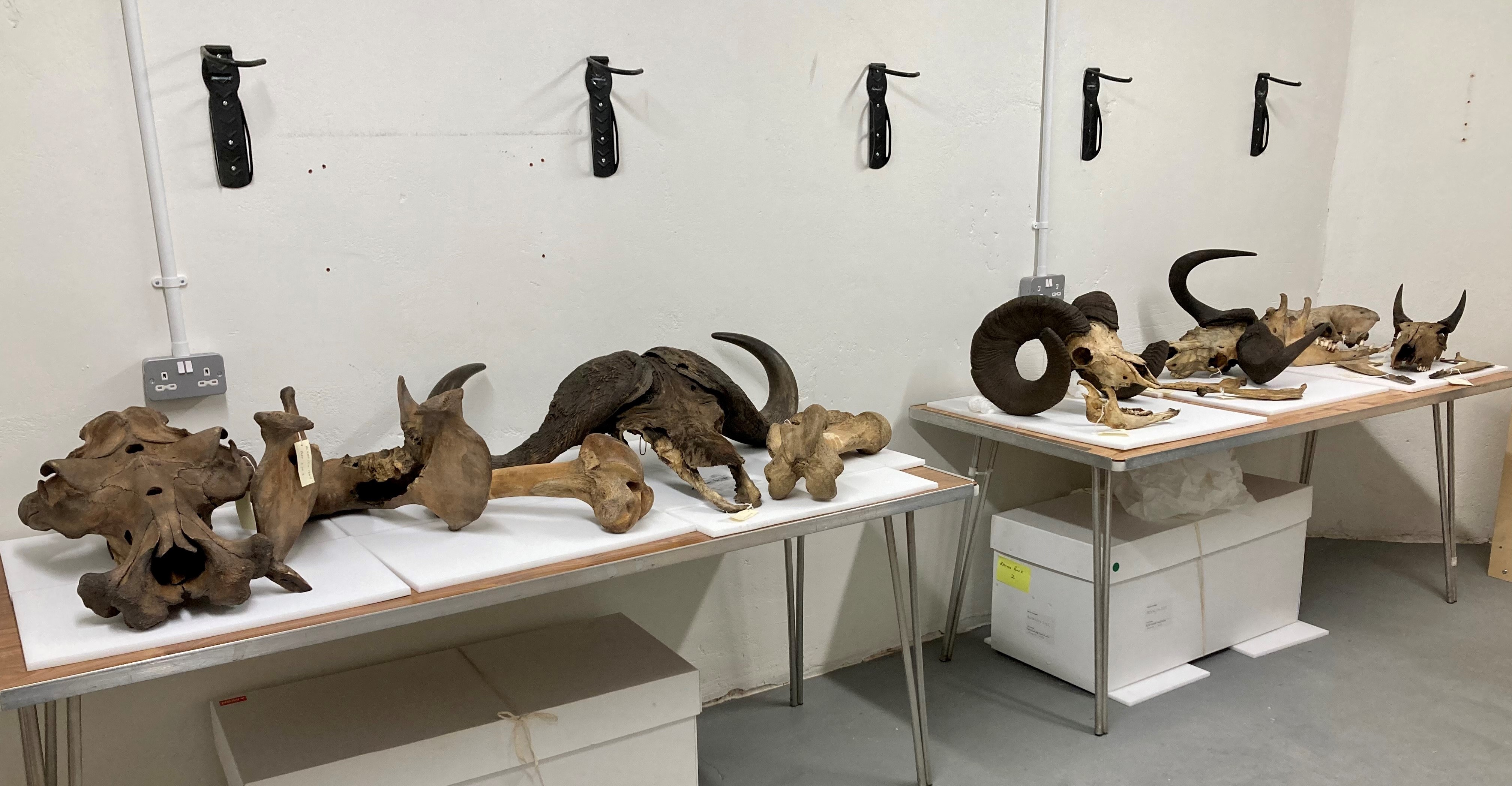
The Hunterian Museum at the Royal College of Surgeons (RCS) in London closed in 2017 for redevelopment. This necessitated the temporary removal, storage, and condition assessment of its contents. One particularly challenging project was the conservation of 19 large animal skulls. These specimens are part of the museum founder John Hunter’s original collection, dating from the 18th century.

Although the skulls had been sealed in secure crates since the museum’s closure, most had some noticeable dust and dirt accretions and needed attention before they could be redisplayed. Due to their size and number, a team of conservators from Virtu Conservation Housekeeping was brought in to assist with this task. There was a lack of suitable bench space to accommodate so many large specimens at once, so temporary cleaning stations were set up.

Continue reading

People and Plants Workshop Three: Sharing Knowledge in the Amazon

March 10th, 2023, Royal Botanic Gardens, Kew

Written by Fiona Roberts (Collaborative ESRC PhD student, Cardiff University & Amgueddfa Cymru-National Museum Wales) and Violet Nicholls (Assistant Curator in Herbarium, Portsmouth Museums).

This post is dedicated to Dr Dagoberto Lima Azevedo (1979-2023), Tukano researcher, translator, scholar, author and a voice for the Indigenous peoples of the Rio Negro in the northwestern Amazon.

The third and final workshop of a one-year project ran in March 2023, at Royal Botanic Gardens, Kew. The project, “People and Plants: reactivating ethnobotanical collections as material archives of indigenous ecological knowledge”, began in January 2022, and was supported by NatSCA (Natural Sciences Collections Association). Funded by the Arts and Humanities Research Council (AHRC), it was led by National Museums Scotland, the Powell-Cotton Museum and Royal Botanic Gardens, Kew. 

The workshop ran in partnership with Museu Goeldi, Brazil and the Department of Cultures and Languages, Birkbeck, University of London. It addressed the question, ‘how ethnobotanical collections in museums can best be used to support Indigenous communities?’. Dr Dagoberto Lima Azevedo, from the Federação das Organizações Indígenas do Rio Negro, and Claudia Leonor López Garcés (Museu Paraense Emílio Goeldi) travelled from the Brazilian Amazon for the event. They met with fellow panellists Professor Mark Nesbitt (Royal Botanic Gardens, Kew), Professor Luciana Martins (Birkbeck, University of London), Cinthya Lana (University of Gothenburg) and Dr William Milliken (Royal Botanic Gardens, Kew).

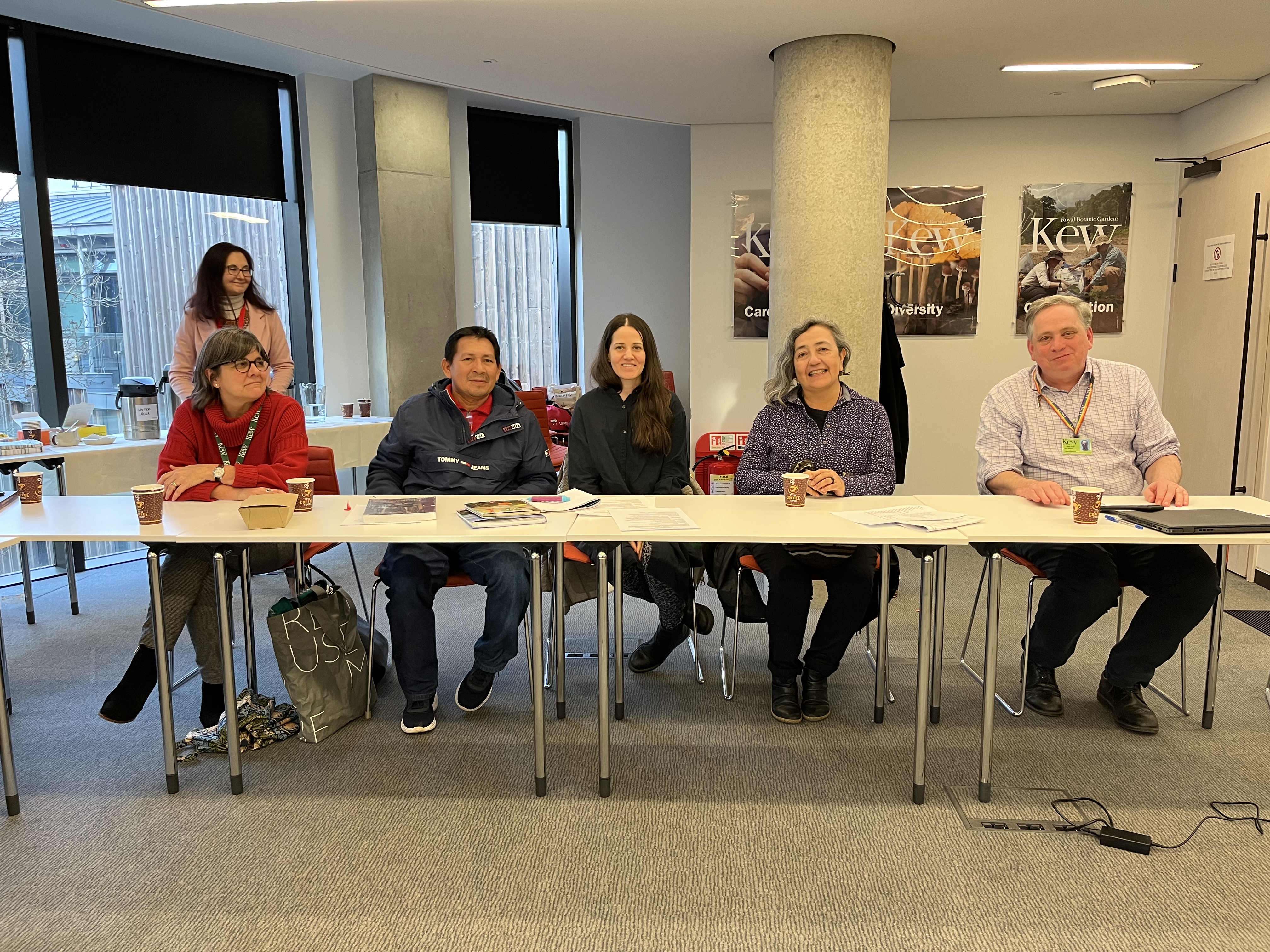
Fig. 1. Some members of the panel at the workshop with, from left to right, Cynthia Sothers, Luciana Martins, Dagoberto Lima Azevedo, Cinthya Lana, Claudia Leonor López Garcés and Mark Nesbitt. Photo by Gayathri Anand.

The Richard Spruce collection (1849-1864) was used as a case study. Spruce collected plants and recorded their uses in South America, and is considered to be an early ethnographer, as he also recorded the traditions and customs of the different communities that he met on his travels.1 He collected over 14,000 herbarium specimens in the Andes and Amazon regions, and 350 items are in his ethnobotanical collections.2

Continue reading

Unpacking the Unnatural History Museum (Season 1)

Written by Verity Burke, John Pollard Newman Fellow of Climate Change and the Arts, University College Dublin.

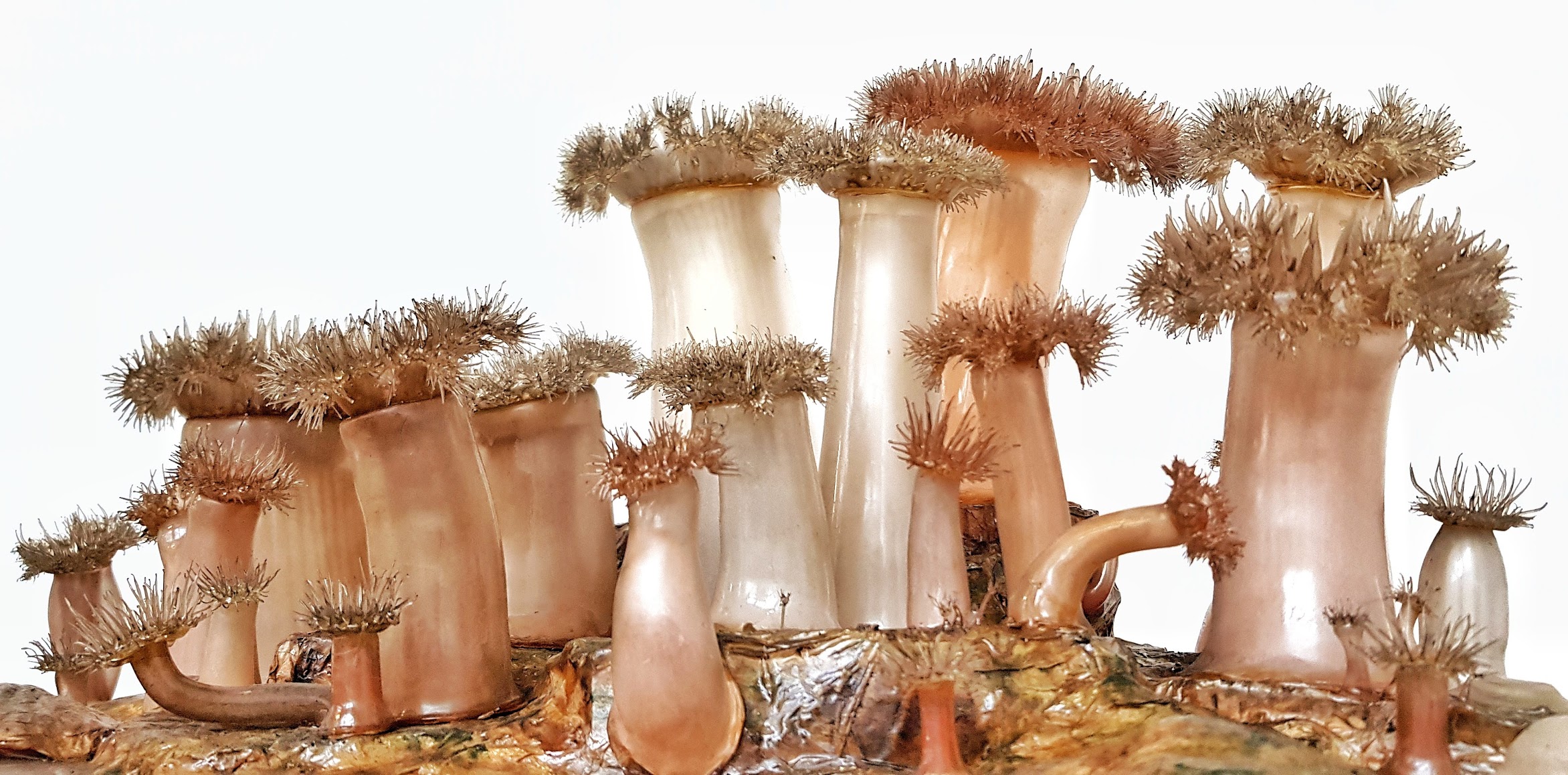
Blaschka Models. Image credit: courtesy of the National Museum of Ireland: Natural History.

We’re at a crucial historical moment, in which the International Union for Conservation of Nature Red List has announced a catastrophic decline in global biodiversity, and the Intergovernmental Panel on Climate Change has reported on the devastating trajectory of the climate crisis. Museums have an important role to play in communicating the value of nature. Yet nature is, necessarily, mediated in museums, through taxidermy dioramas and skeletal mounts; virtual tours and digital databases; image, text and film. While the natural world has always been mediated in the museum space, what does this mediation mean now for natural history museums and collections, and the natures they present?

These are some of the questions which drive my research into museum representations of the natural world, and was the inspiration behind putting together an event series called ‘The Unnatural History Museum: Mediating Nature in the Sixth Mass Extinction’ (part of the Irish Research Council-funded project ‘Still Lives: Organic and Digital Animals in the Natural History Museum’ at Trinity College Dublin). I was keen to make a space to have these conversations across disciplines and sectors (something which we get surprisingly few opportunities to do, despite often working on similar topics or issues), to allow us to share what we were doing and discuss why. This blog is a short overview of the topics that the first season of the Unnatural History Museum engaged with from September 2022 to April 2023, with some excitement about what arose in the first season, and in anticipation of continuing these conversations in a planned second season.

Continue reading