NatSCA Digital Digest – May 2025

Compiled by Ellie Clark, Collections Moves Team Leader at the Natural History Museum, London.

Welcome to the May edition of NatSCA Digital Digest

Digital Digest is a monthly blog series featuring the latest on where to go, what to see and do in the natural history sector including jobs, exhibitions, conferences, and training opportunities. We are keen to hear from you if you have any top tips and recommendations for our next Digest, please drop an email to blog@natsca.org.

Sector News

Registration Now Open for SHNH International Summer Meeting

We are pleased to announce that registration is now open for the two-day international meeting ‘A Sense of Nature’. The conference will explore the intersections of the senses – including sight (vision), sound (hearing), smell (olfaction), taste (gustation) and touch (tactile perception) – with the history of natural history.

The event will be at Kelvin Hall, Glasgow on 19th June and 20th June 2025. The conference will feature 12 papers across six sessions, as well as collections tours and an optional conference dinner.

Full details are available here. Registration will close at 6pm (BST) on 28th of May 2025.

Continue reading
A Time Capsule of Extinction: Scotland’s Iconic Wildlife

Written by Caitlin Jamison, Museum Collection Technician, Montrose Museum: ANGUSalive.

Montrose Museum in Angus, northeast Scotland, houses an impressive natural history collection. Everything from taxidermy to fossils to rare minerals are housed in a modest, Greek-revival style museum off the high street. Built in 1842, it is one of the first purpose-built museums in Scotland.

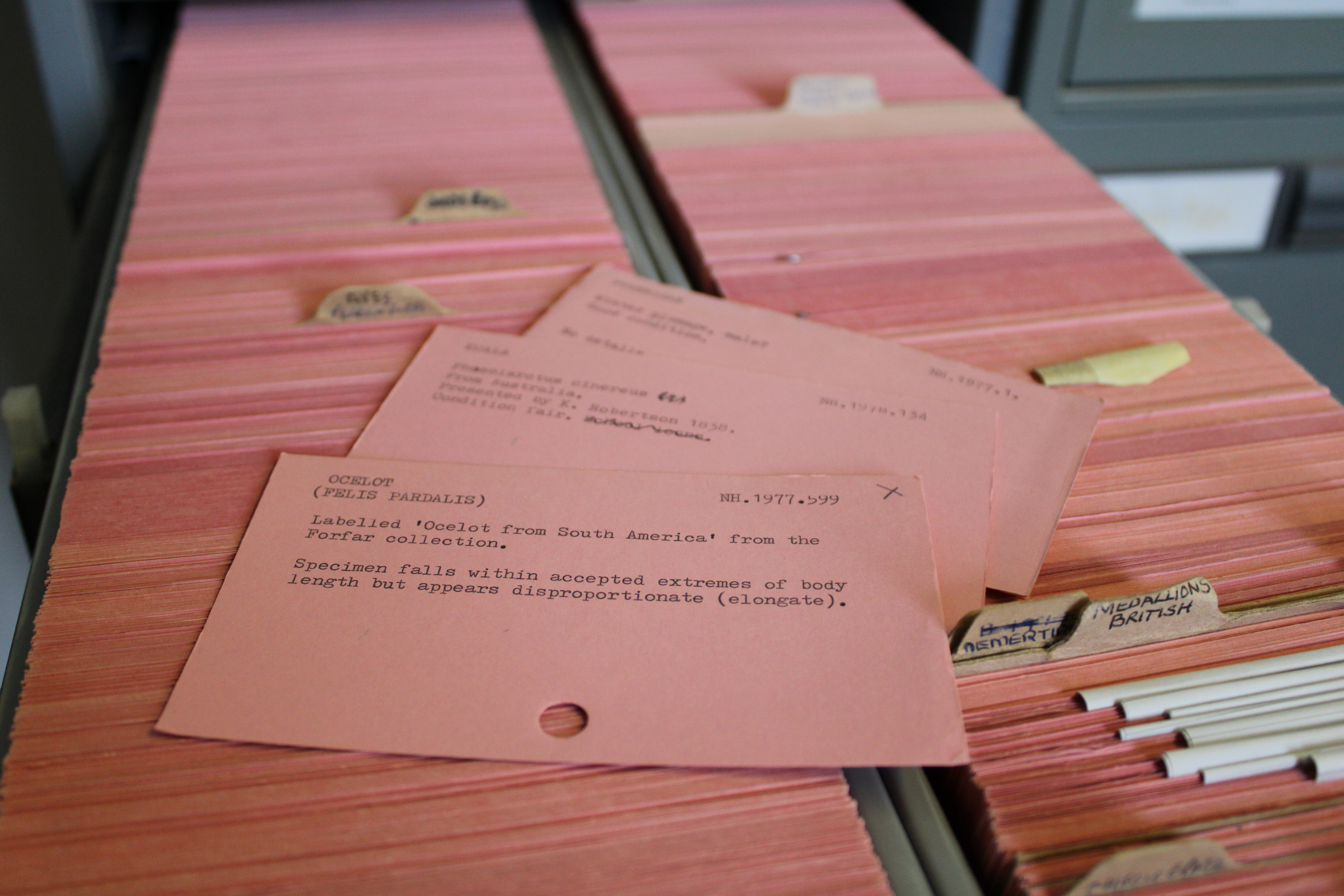
Sadly, due to changing public interest (and the challenging funding situation facing many local authority museums) the collection has been somewhat forgotten since it was catalogued onto neat pink index cards in the late 1970s.

Montrose Museum’s 1970s card catalogue (author’s own photo)
Continue reading

NatSCA Digital Digest – March 2025

Compiled by Olivia Beavers, Assistant Curator of Vertebrate Zoology at World Museum, National Museums Liverpool.

Welcome to the March edition of NatSCA Digital Digest.

A monthly blog series featuring the latest on where to go, what to see and do in the natural history sector including jobs, exhibitions, conferences, and training opportunities. We are keen to hear from you if you have any top tips and recommendations for our next Digest, please drop an email to blog@natsca.org.

Sector News

NatSCA Annual Conference & AGM 2025: Registration Now OPEN!

Booking is open for the 2025 Natural Sciences Collections Association (NatSCA) conference. This year’s theme is: Making a Difference: Showing the Positive Impact of Natural History Collections, and it will be hosted by the University of Manchester: Manchester Museum, UK.

Due to the size of the venue there are only a limited number of spaces, so please book promptly to avoid disappointment. Visit the webpage to find out more: https://www.natsca.org/event/2881

This year’s conference meal is at Zouk and we would love to see you there. Please make sure to add the separate ticket to your basket.

Don’t hesitate to get in touch if you any questions. If you would like to become a member, which would qualify you for the conference discount or bursaries, please see our website NatSCA.org for details. 

30th Symposium on Palaeontological Preparation and Conservation: Call for abstracts

Please send abstracts of up to 250 words plus an image to sppc@geocurator.org by 10th April. Abstracts will be considered on any topic of earth science excavation, conservation, preparation mount-making and exhibition. Please state if the abstract is for a poster or platform presentation.

The 30th Symposium on Palaeontological Preparation and Conservation will be held in the Netherlands this year on 26 – 27th June.

The theme will be ‘From Excavation to Exhibition’ and they hope to broaden their usual remit to include more aspects of the story of how geological collections end up on display in our museums, as well as their conservation and preparation. Examples of previous years’ abstracts can be found online at https://www.geocurator.org/events/97-sppc

Continue reading

NatSCA Digital Digest – February 2025

Compiled by Ellie Clark, Collections Moves Team Leader at the Natural History Museum

Welcome to the February edition of NatSCA Digital Digest.

Digital Digest is a monthly blog series featuring the latest on where to go, what to see and do in the natural history sector including jobs, exhibitions, conferences, and training opportunities. We are keen to hear from you if you have any top tips and recommendations for our next Digest, please drop an email to blog@natsca.org.

Sector News

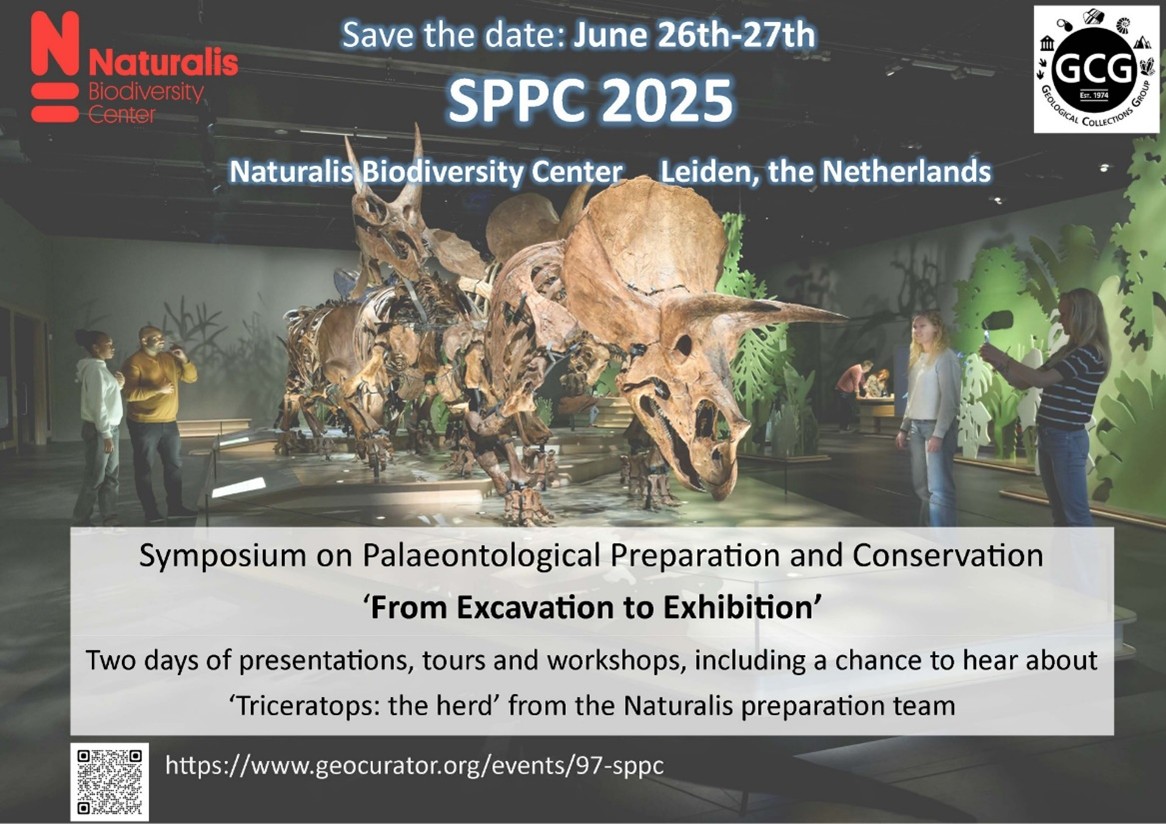
Save the Date: SPPC, June 26th – 27th 2025

The 30th Symposium on Palaeontological Preparation and Conservation will be held in the Netherlands this year on 26-27th June.

The theme will be From Excavation to Exhibition including aspects of the story of how geological collections end up on display in our museums, as well as their conservation and preparation. A call for abstracts and registration is coming soon. For more details visit: https://www.geocurator.org/events/97-sppc

Continue reading

Birds of Bolton Museum

Written by Lauren Field, Curator of Natural History, Bolton Museum.

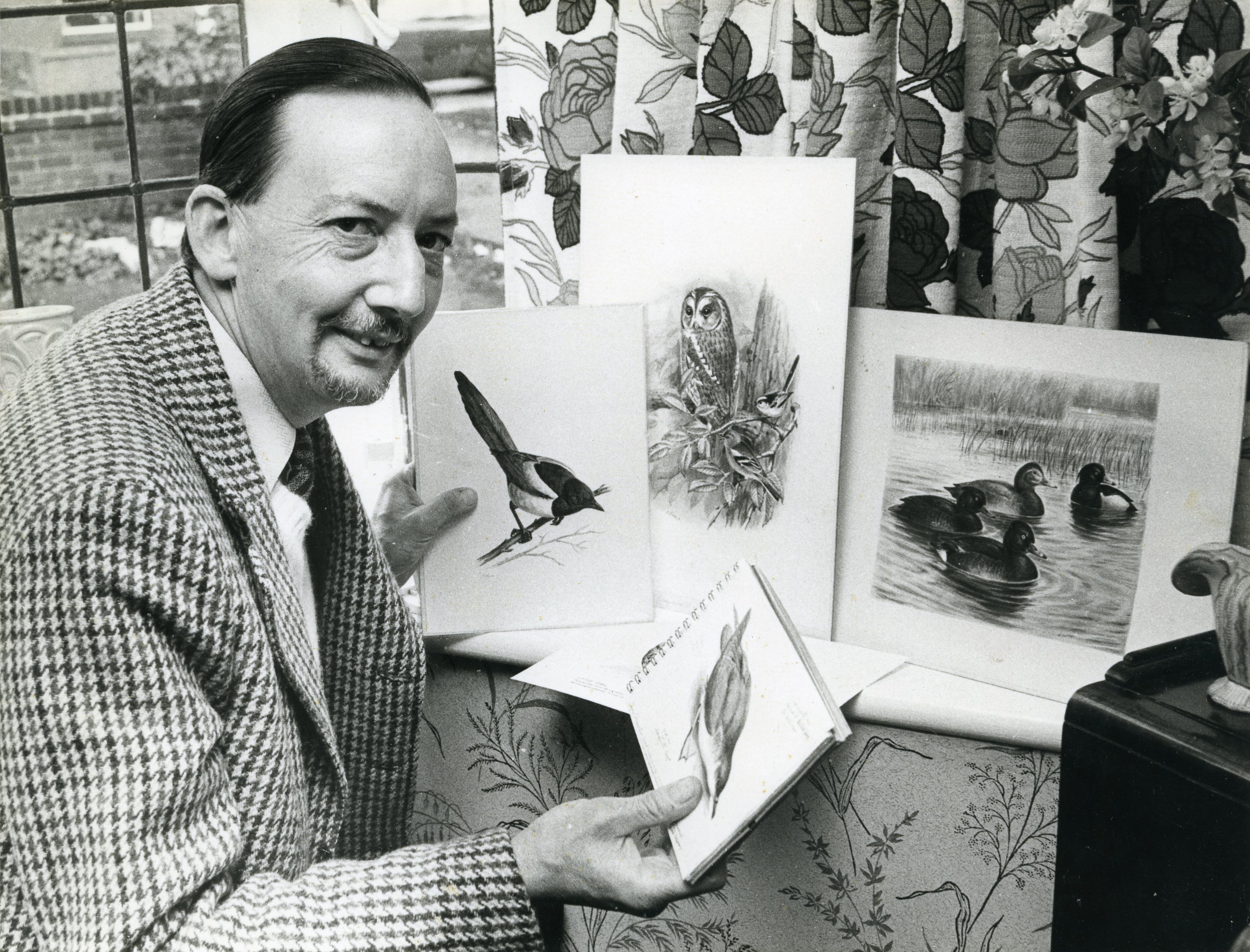
In June 2024 Bolton Museum launched a summer exhibition titled Birds of Bolton. This exhibition celebrated the incredible variety of bird life in Bolton and beyond and was inspired by the recent donation of a large collection of sketchbooks by Bolton-born artist and naturalist Eric Gorton (1929-2001).

Eric Gorton with his illustrations. © Bolton Museum

Dating from 1947 to 1998, the sketchbooks are the record of a lifelong love of birds and other local wildlife. His drawings capture the rich diversity of Bolton’s bird population – their shapes, colours, how they behave, and where they live. Eric Gorton spent over fifty years filling his sketchbooks with observations of birds in the field.

Pages from Eric Gorton’s sketchbook. © Bolton Museum

Gorton worked for Bolton Museum from 1947 to 1976. He worked initially as the museum taxidermist and later as Keeper of Natural History, and he helped to build one of the best collections of bird skins in the country which is still held at the museum today.

Continue reading