NatSCA Digital Digest – December

Save the Date!

The NatSCA conference and AGM will be at Leeds City Museum on Thursday 26th and Friday 27th April 2018!

The conference theme is: The museum ecosystem: exploring how different subject specialisms can work more closely together.

This conference aims to lead us outside our comfort zone and explore how working closely with different disciplines and departments can not only strengthen our own areas of expertise, but museums as a whole. The museum ecosystem is vast and not limited to just museums as it includes universities, local organisations, funding bodies, artists, communities and many other stakeholders.

We are inviting you to propose presentations and posters that focus on sharing ideas, tips and mechanisms that will help inform the work of other attendees. Proposals are welcome from colleagues across all disciplines (not just natural history!)

To submit your abstract, please download and complete a submission form and send your completed form to conference@natsca.org.

Continue reading

The Addition of Enthusiasts

In a blog series hosted by the Horniman Museum, each month I (the Deputy Keeper of Natural History at said Museum) select a specimen from our collections, do a little research, hopefully find out some riveting and hitherto unknown piece of historical information about it that can be added to our database, and write a blog in a format accessible for the general public. It is one of my pride and joys in my job as it covers so many different aspects of museum life- public engagement, outreach, research, museum documentation, collections management, etc. This month I managed to go a step further and incorporate not just exhibition content into the article (British Wildlife Photographer Awards temporary exhibition), but also a new avenue of research and interest; a 6000 strong army of hawfinch enthusiasts who take to Twitter to record sightings of this shy but glorious little bird. I asked the followers of @HawfinchesUK if they would like to publish an image they had taken and was subsequently presented not just with photographs, but with fascinating insider information of the birding world that I may not have found by my own research.

What a wonderful collaboration of scientists and enthusiasts, and an exceptional reward for the utilisation of social media. Please enjoy:

Continue reading

NatSCA Digital Digest – November

What’s been Happening?

The 2017 GCG Conference in Dublin was a resounding success. Our resident blogger Emma-Louise Nicholls has been co-opted onto the GCG committee – well done Emma!. I was unfortunately unable to attend the conference but I’m hoping that someone who did will volunteer a write-up for us.

Museums everywhere have been going all spooky for Hallowe’en. The Horniman Museum in Forest Hill turned their monthly lates event into the Bloody Late, a tour-de-force of spooky music and blood-curdling tours.

The Tetrapod Zoology Convention doubled the turn-out of previous years – made possible in part due to the venue change from the London Wetland Centre (near Hammersmith) to The Venue (near Holborn). NatSCA member Heather’s talk on the History of Zoos was great, as was our patron Ben Garrod’s account of working with David Attenborough and other windows into the world of TV science communication. There were lots of other great talks besides, which we will mention as we go along. The palaeoart workshop this year was mural-themed and presented an interesting challenge to create multiple species to scale across geologic time. My animal was a Microraptor, which I drew in the foreground because it was so small. Other people had sauropods in the background and they were still so big they were escaping the paper in places. Several write-ups of this event have been made – you and find some of them here and here. If you want to be kept informed about next year’s TetZooCon, I encourage you to join the Facebook group – they already have all the speakers lined up for next year if it remains a one-day event. They might stretch it to two if there’s enough interest.

Continue reading

NatSCA Digital Digest – October

What Should I Read?

I was just thinking last week that social media has taken over the world as the most thing in existence, corporeal or not, when this article came out about how scientists should all be trained in its use; Social Media; More Scientists Needed. No hope of escape for any of us then. (I say on a social media platform).

Last Wednesday, sadly, New Walk Museum had items stolen from display; From Rhino horns to Egyptian jewels. Whilst the objects stolen last week weren’t of natural history origin, this article (if you can see it through the adverts) also reveals that rhino horn was stolen from there a few years ago. The huge rhino horn problem faced by museums, primarily in 2012, was largely curbed by museums removing all horn from display. An update on this situation was published on our website recently in Rhinos and Museums.

Finally, if you’re looking for something a little more breathing than the average museum specimen, Jack Ashby recently wrote about Australian wildlife in an article called Does an animal’s name affect whether people care about it?

Continue reading

NatSCA Digital Digest – September

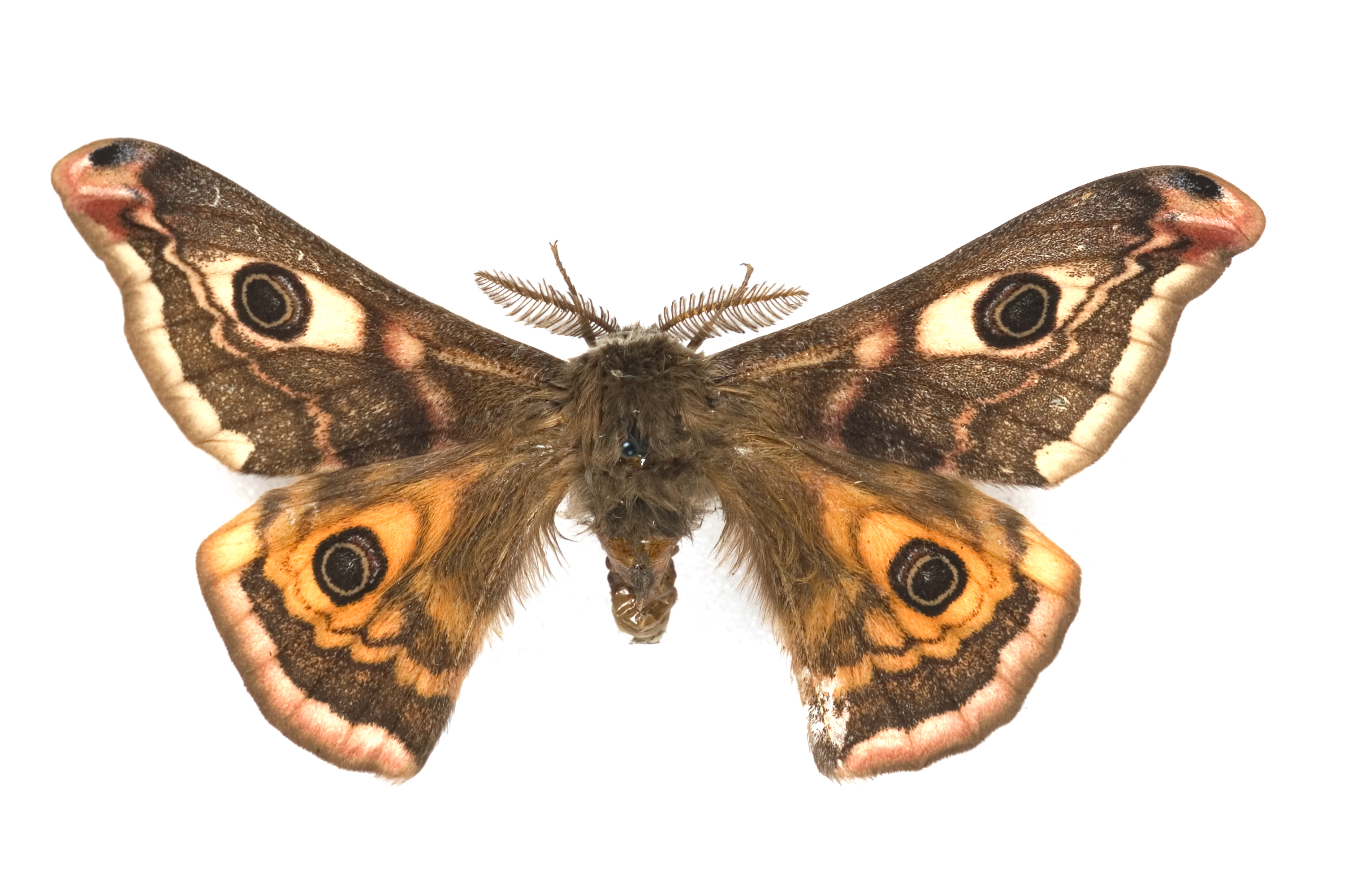
(Image from the collections at Plymouth City Museum and Art Gallery)

What  should I read?

Love the posters at this years NatSCA conference? Want to read and admire them in more detail? You can! Read them with pleasure at your leisure, because they are now all available free to look at!

Did you know there were ten different species of mammoth? A long read over your lunch time, spanning 5 million years in fact, visiting some very big and some very small mammoths!

A great piece by Mark Carnall, Life Collections Manager at Oxford University Museum of Natural History , looking at rudely shaped rocks! A fun piece with giants, owls and very early palaeontology.

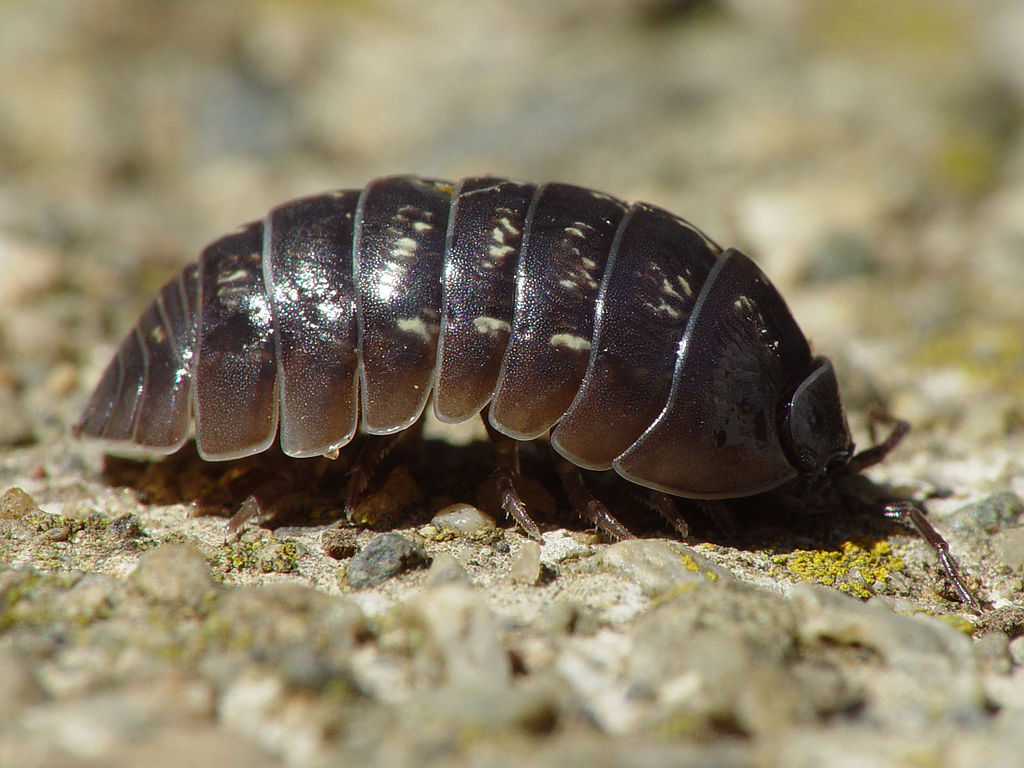
What do you call woodlice?

Just one of the many species of woodlice. Or is that roly poly, or sow bug, or …. (Image by Franco Filini, Public Domain)

A little map of woodlice names was shared on BBC’s Springwatch blog earlier this week. It has led to dozens more names of woodlice. Jan Freedman (that’s me!) is gathering up names and wants to update the map, so do get in touch if you know of any historic references or names.

What can I see?

The Dinosaurs of China exhibition at Wollaton Hall is on until the end of October. Visit beautiful grounds with deer, and explore some truly magnificent creatures in the exhibition, from the time of the dinosaurs.

Continue reading