Project Update: Accessing Staffordshire Geology

Written by Glenn Roadley, Curator (Natural Science), The Potteries Museum & Art Gallery.

About this time last year, The Potteries Museum & Art Gallery was successful in a bid to the Arts Council England Designation Development Fund, securing funding of £72,500 to catalogue and display its nationally significant geology collections. The Designation Development Fund provides funding for projects which ensures long-term care of Designated collections and maximises their public value.
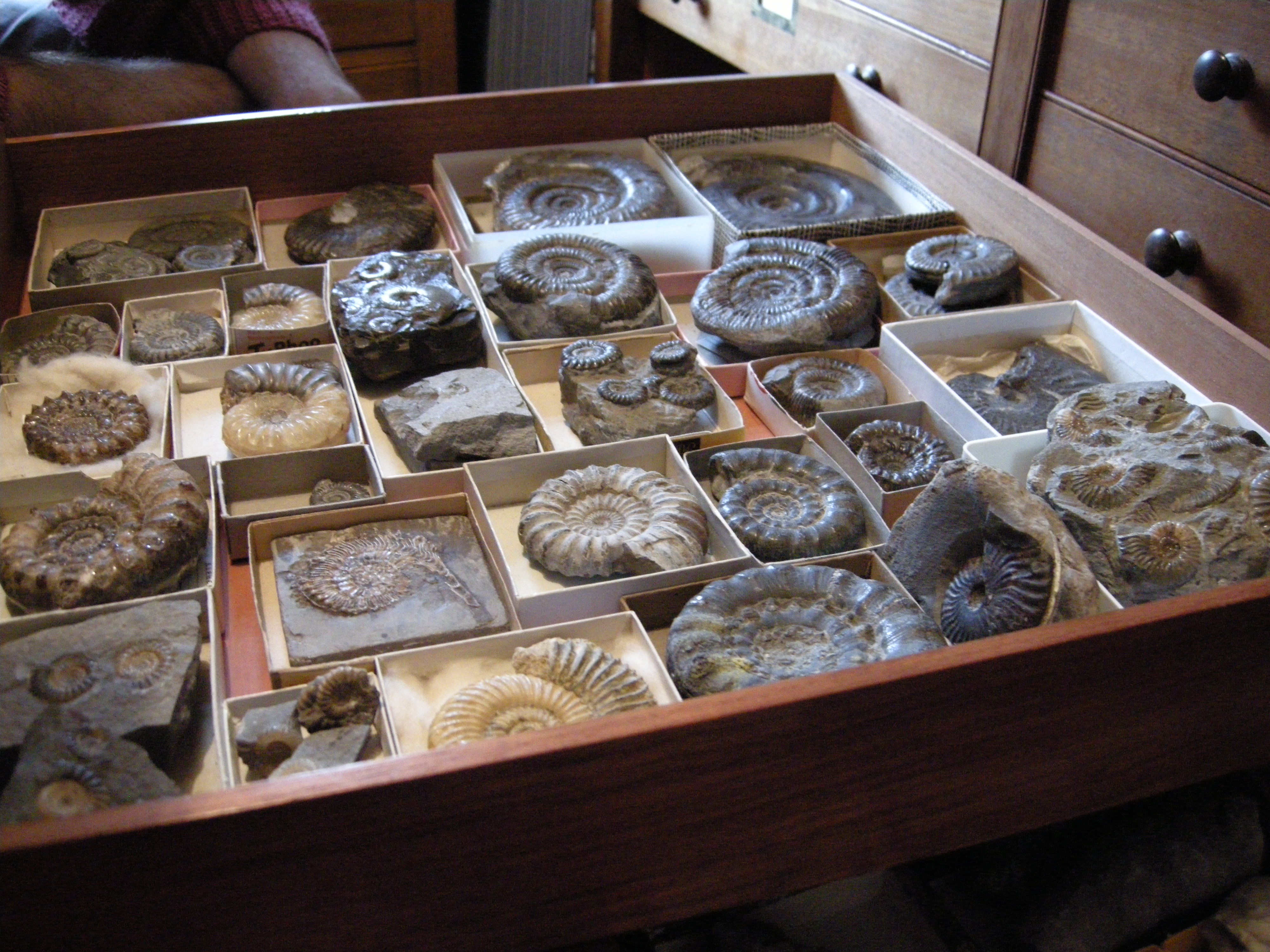
Ammonites in Ted’s collection before it was transferred to the Museum. © The Potteries Museum & Art Gallery

In early March 2020, just days before the museum closed and the country sank into lockdown due to Covid-19, I contributed a summary of the project to the Geological Curators’ Group blog (you can read it here). It really does show how quickly everything changed – at the time of writing the original blog, we were expecting the project to kick off in June 2020, beginning with the recruitment of an Assistant Curator to carry out the documentation of geological specimens bequeathed to the museum by Ted Watkin. This collection, comprised of about 2,000 fossils mostly originating from around Staffordshire, is to form the basis of the project and the new displays, highlighting the history and importance of the Carboniferous coal fields under Stoke-on-Trent.

Continue reading

NatSCA Digital Digest – November

Compiled by Glenn Roadley, Curator (Natural Science), The Potteries Museum & Art Gallery.

Welcome to the November edition of NatSCA Digital Digest.

A monthly blog series featuring the latest on where to go, what to see and do in the natural history sector including jobs, exhibitions, conferences and training opportunities. We are really keen to hear more about museum re-openings, exhibition launches, virtual conferences and webinars, and new and interesting online content. If you have any top tips and recommendations for our next Digest please drop an email to blog@natsca.org.

News from the Sector 

Upcoming Conference: Decolonising Natural Science Collections
November 19th 2020
NatSCA will be holding a one-day online conference on November 19th 2020, 9:50am – 4.15pm GMT. Continue reading

Museums Beyond Covid

Written by Jan Freedman, Curator of Natural History, The Box, Plymouth.

The sun was hot on my neck as I walked up the stone steps of the largest museum in America. The Smithsonian National Museum of Natural History is on every natural curators museums to visit list, and I was full of youthful excitement!

Inside was cool, and I was met with a grand hall, with a beautiful taxidermy elephant in the centre. The space buzzes with the echoing chatter and the scuttling of excited little feet. I walk on to the stairs, past the large mass of people queuing for the lift, and head up the stairs, patiently waiting for people to pass, so I can meet my ancestors. Here in the Human Origins gallery, there are wonderful displays and interactives all about the evolution of our species. Children run from case to case. Prams block display panels. Interactives are bashed.

I move along to the mammal gallery, where it seems like twenty different schools have chosen to visit at the same time. The cases are two deep with visitors peering at mammals from continents away: children squashed at the front, adults squeezing and pushing to get a glimpse. Reminiscent of a Friday night at our student bar. The air is stale and dry. The noise of a thousand different conversations ring loud in my head. There’s a feeling of being moved along by an invisible force of hunger: not for food, but to ‘see’ the next thing.

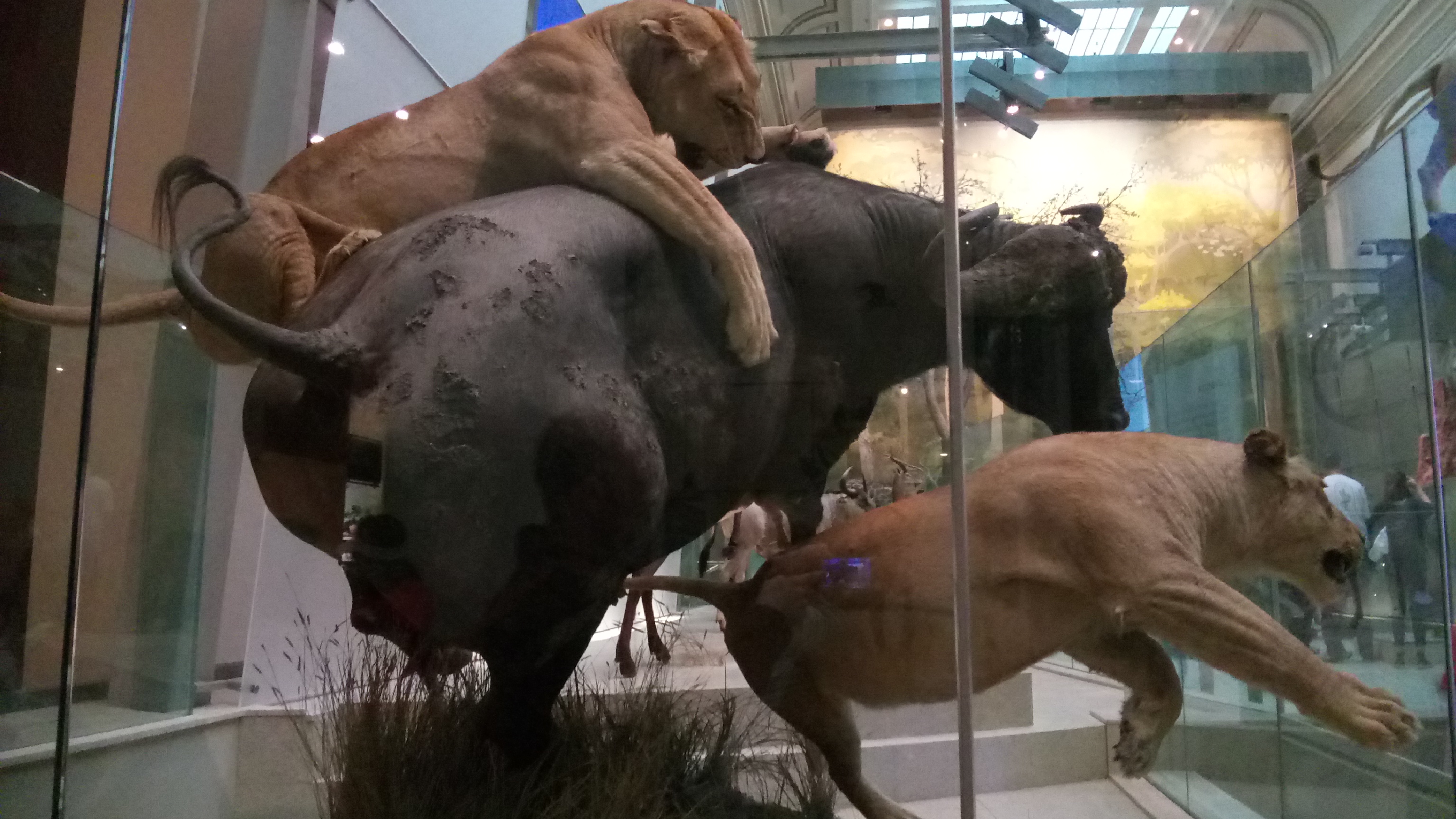
Beautiful taxidermy work of lions attacking a buffalo. I patiently waited 15 minutes until the case was clear of visitors for this photo. Photo by Jan Freedman.

Continue reading

Wild about Portsmouth – Life in Lockdown

Written by Christine Taylor (Curator of Natural History), Bradley Foster (Natural History Collections Assistant), Portsmouth Museums.

Until lockdown, the Wild about Portsmouth project, funded by the National Lottery Heritage Fund, had been a whirlwind of activity, working with volunteers to re-house, reorganise and catalogue the natural history collections, developing school sessions, putting on and attending events as well as setting up displays.

In the four weeks prior to lockdown, the curator, volunteers and the newly appointed (14 February 2020) Natural History Collections Assistant installed an exhibition, ‘D is for Dodo, E is for Extinct’; attended a work placement fair at the University of Portsmouth, a family fun day at Dinosaur Isle, a STEM fair and the HBIC Hampshire Recorders Forum. We also created a Pop-Up Museum one-day event and ran a trial school session on rocks and fossils at Cumberland House Natural History Museum.

One of the online activities created for Cumberland House Natural History Museum website © Portsmouth Museum

Continue reading

#CyclaPeople In Lockdown

Written by Claire Smith, volunteer at the University of Reading Herbarium.

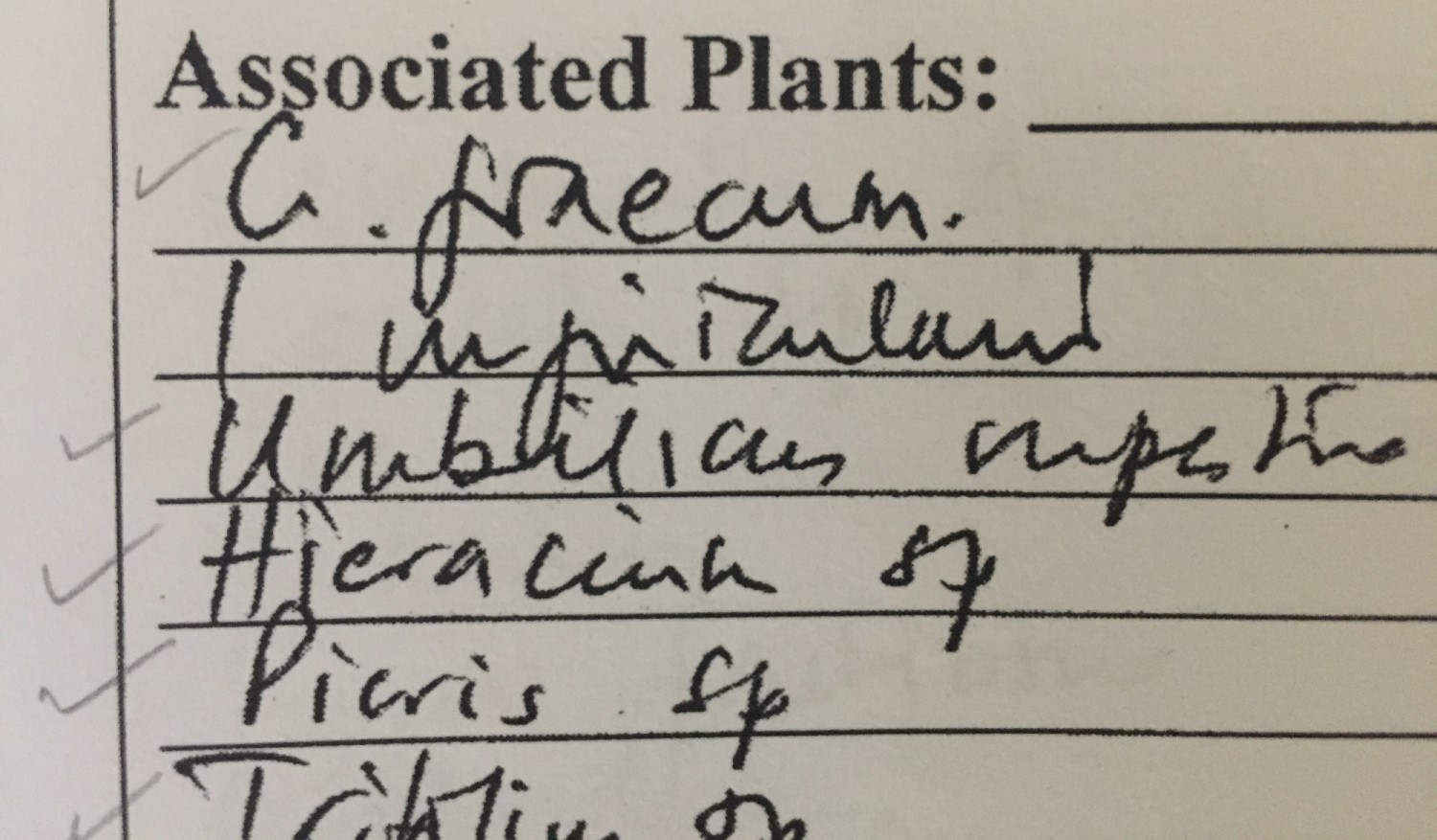
I don’t imagine that there’s an abundance of field work taking place during the unprecedented pandemic situation that we find ourselves in at the moment. However, if there was one piece of advice that I could offer to anybody taking down field notes, it would be to develop neat handwriting! Either that, or to transcribe your notes into digital form as soon as possible. Otherwise, some poor soul – who may not even be a botanist – may find themselves, a mere thirty-three years after your expedition, staring at a page of unfamiliar place names or Latin plant names, with confusion.

Some field notes are more legible than others…
© Claire Smith, 2019

That said, would anybody care to take a guess at what’s been happening with the Cyclamen Society collection during lockdown? Yes, I’m taking the opportunity to get to grips with as much of the data entry as I possibly can. As with so many other collections around the world, volunteers haven’t been into the Herbarium since the middle of March. This means that our usual tasks of mounting and photographing the collected cyclamen specimens are out of bounds. Aside from the physical though, there is always plenty of digital work to do.

Continue reading