Collecting with Lao Chao [Zhao Chengzhang]: Decolonising the Collecting Trips of George Forrest

Written by Yvette Harvey, Keeper of the Herbarium, Royal Horticultural Society, RHS Garden Wisley.
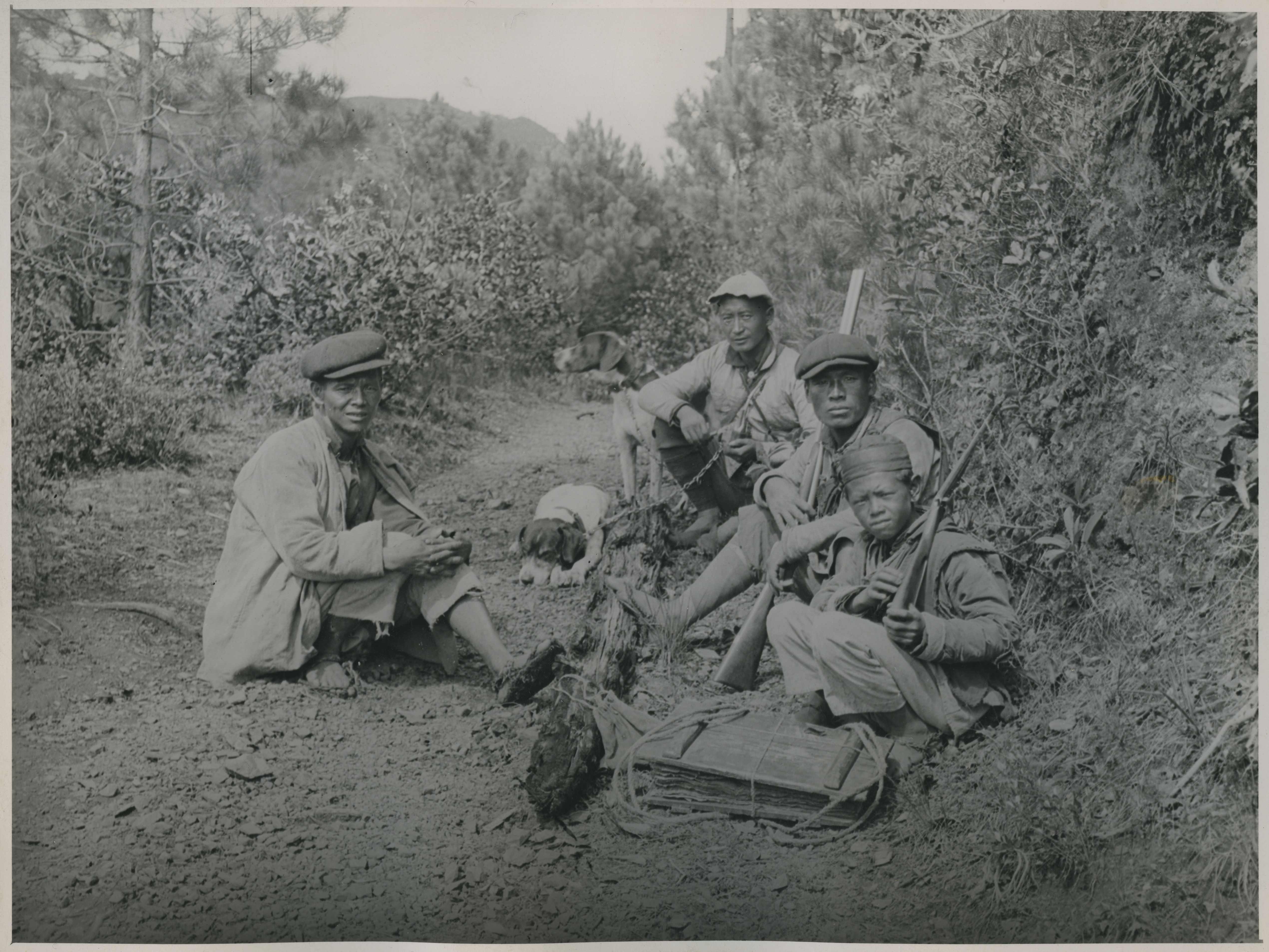
Lao Chao (left) and team. McLean (2004: 193) wrote that Forrest called Lao Chao his ‘best card in this business’ © The Royal Horticultural Society and Royal Botanic Garden Edinburgh

This is the essence of a talk that was recently presented at the virtual conference of the US based Society for the Preservation of Natural History Collections (SPNHC). Inspired by Das & Lowe in their 2017 NatSCA conference talk and subsequent paper (2018), in a similar way mentioned by Machin (2020) in her recent blog, I have started looking at stories by and about some of our revered plant collectors, or rather, hunting for small clues about their escapades from the perspective of others on their teams. This is with the aim of decolonising narratives for present and future interpretation, having finally opened my eyes and realised that current interpretation for living collections can fall way short of acknowledging what really happened and where credit should lie. And being mindful of different concepts of decolonisation, discussed by Gelsthorpe (2020) in an earlier blog.

For years, the curators of museums and living collections, and their visitors have been programmed to respond to and expect talks of the grand, death-defying adventures of our collectors – so much so that we appear to have closed our minds to the realities and injustices of what really happened on expeditions.
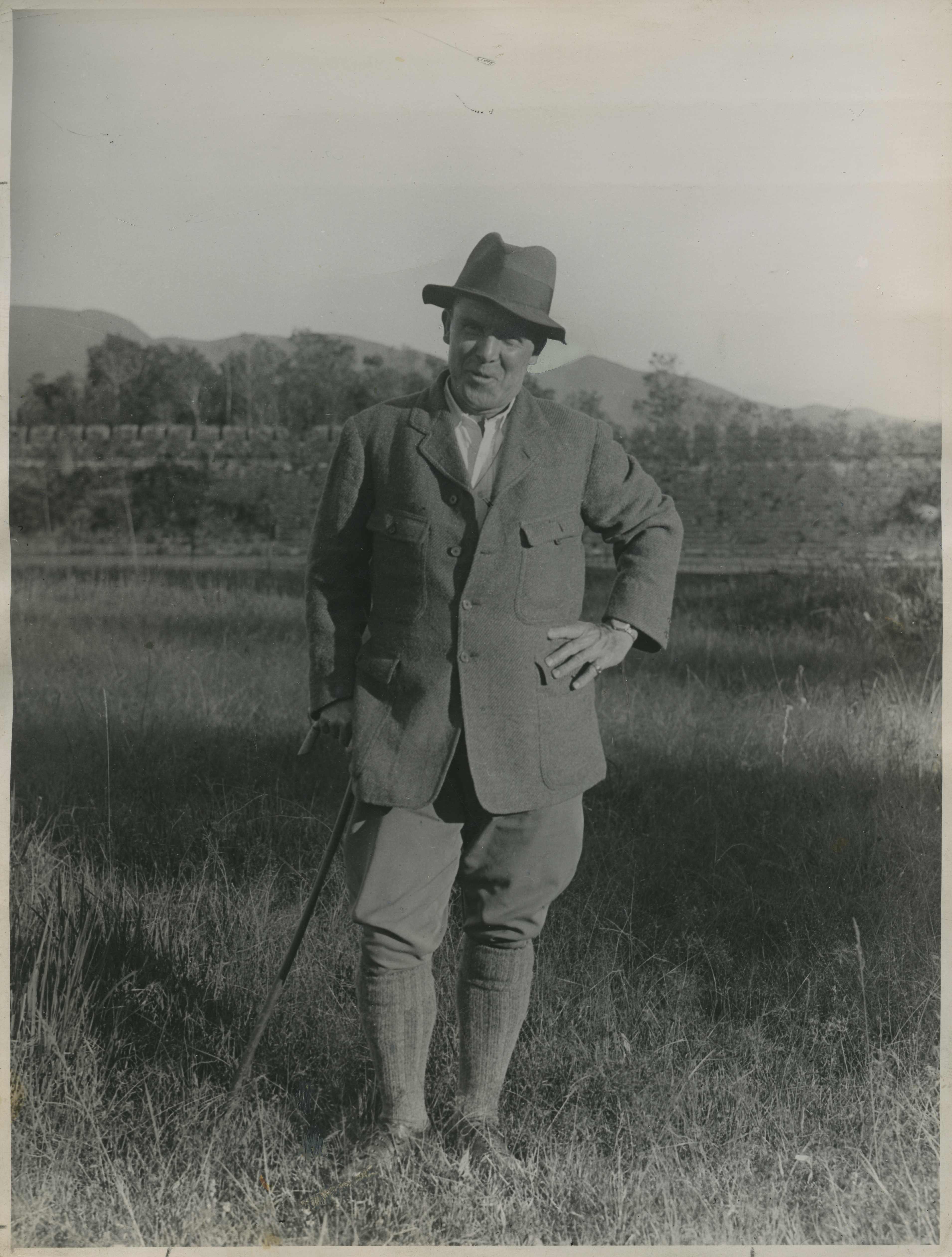
George Forrest © The Royal Horticultural Society and Royal Botanic Garden Edinburgh

The main focus here is on George Forrest, born in 1873, the Scottish plant collector whose collections still have a huge impact on what is grown in our gardens today. Son of a draper’s shop assistant, Forrest had an interesting earlier career after leaving school at 18 – he worked in a pharmaceutical chemists prior to getting a small inheritance that gave him the opportunity to travel to Australia where he undertook a few jobs including sheep shearing and gold-mining (McLean 2004). On his return to the UK, through a serendipitous stroke of luck in discovering a rare archaeological find whilst out botanising, he landed a job as an assistant in the herbarium of the Royal Botanic Garden Edinburgh in 1903 – gaining curatorial skills and insights necessary to make him an ideal plant collector in the field.

Continue reading

NatSCA Digital Digest – July

Compiled by Lily Nadine Wilks, Intern at Museum Development Yorkshire.

Welcome to the July edition of NatSCA Digital Digest!Where Can I Visit?

It’s that time, museums have been allowed to reopen! Sadly most aren’t re-opening just yet to keep everyone safe. You can visit Derby Museum and Gallery from the 7th July and experience their Notice Nature Feel Joy exhibition. https://www.derbymuseums.org/locations/museum-art-gallery

Also you can visit Beamish Museum in the North East from 23rd July and visit their wonderful farms. http://www.beamish.org.uk/

The Yorkshire Museum Gardens have reopened, 7 days a week from 10.30am to 6pm – they are a wonderful place to sit and watch the squirrels https://www.yorkshiremuseum.org.uk/news-media/latest-news/york-museum-gardens-reopening-in-june/

Doors may remain closed but you can visit National Museums Liverpool Dinosaurs and Natural World virtual gallery tour: https://www.liverpoolmuseums.org.uk/dinosaurs-and-natural-world-virtual-tour

Continue reading

Wild about Portsmouth – Life in Lockdown

Written by Christine Taylor (Curator of Natural History), Bradley Foster (Natural History Collections Assistant), Portsmouth Museums.

Until lockdown, the Wild about Portsmouth project, funded by the National Lottery Heritage Fund, had been a whirlwind of activity, working with volunteers to re-house, reorganise and catalogue the natural history collections, developing school sessions, putting on and attending events as well as setting up displays.

In the four weeks prior to lockdown, the curator, volunteers and the newly appointed (14 February 2020) Natural History Collections Assistant installed an exhibition, ‘D is for Dodo, E is for Extinct’; attended a work placement fair at the University of Portsmouth, a family fun day at Dinosaur Isle, a STEM fair and the HBIC Hampshire Recorders Forum. We also created a Pop-Up Museum one-day event and ran a trial school session on rocks and fossils at Cumberland House Natural History Museum.

One of the online activities created for Cumberland House Natural History Museum website © Portsmouth Museum

Continue reading

#CyclaPeople In Lockdown

Written by Claire Smith, volunteer at the University of Reading Herbarium.

I don’t imagine that there’s an abundance of field work taking place during the unprecedented pandemic situation that we find ourselves in at the moment. However, if there was one piece of advice that I could offer to anybody taking down field notes, it would be to develop neat handwriting! Either that, or to transcribe your notes into digital form as soon as possible. Otherwise, some poor soul – who may not even be a botanist – may find themselves, a mere thirty-three years after your expedition, staring at a page of unfamiliar place names or Latin plant names, with confusion.

Some field notes are more legible than others…
© Claire Smith, 2019

That said, would anybody care to take a guess at what’s been happening with the Cyclamen Society collection during lockdown? Yes, I’m taking the opportunity to get to grips with as much of the data entry as I possibly can. As with so many other collections around the world, volunteers haven’t been into the Herbarium since the middle of March. This means that our usual tasks of mounting and photographing the collected cyclamen specimens are out of bounds. Aside from the physical though, there is always plenty of digital work to do.

Continue reading

NatSCA Digital Digest – June

Compiled by Jan Freedman, Curator of Natural History, The Box, Plymouth.

Welcome to the June edition of NatSCA Digital Digest!

With the government easing lockdown, some of us return to work, but museums and art galleries still remain closed. There are still lots of great online resources and activities to enjoy.

Where can I ‘visit’?

The Natural History Museum, London has several virtual tours around their galleries. Whether you would like to flick through the Wildlife Photographer of the Year images, or listen to the soothing voice of Sir David Attenborough, there’s plenty to see, and inspire some ideas for your own museum.

The Oxford University Museum of Natural History has a wonderful virtual tour of their galleries. The North Carolina Museum of Natural History has several online events and activities, including talks with curators about their collections. Similarly, the Naturalis Biodiversity Centre has several online videos of curators talking about the collections.

What can I do?

SPNHC and ICOM NATHIST are holding a virtual digital meeting from June 8th – June 12th. The event includes presentations, symposiums and educational sharing to promote communication and professional development. More details can be found here.

Continue reading